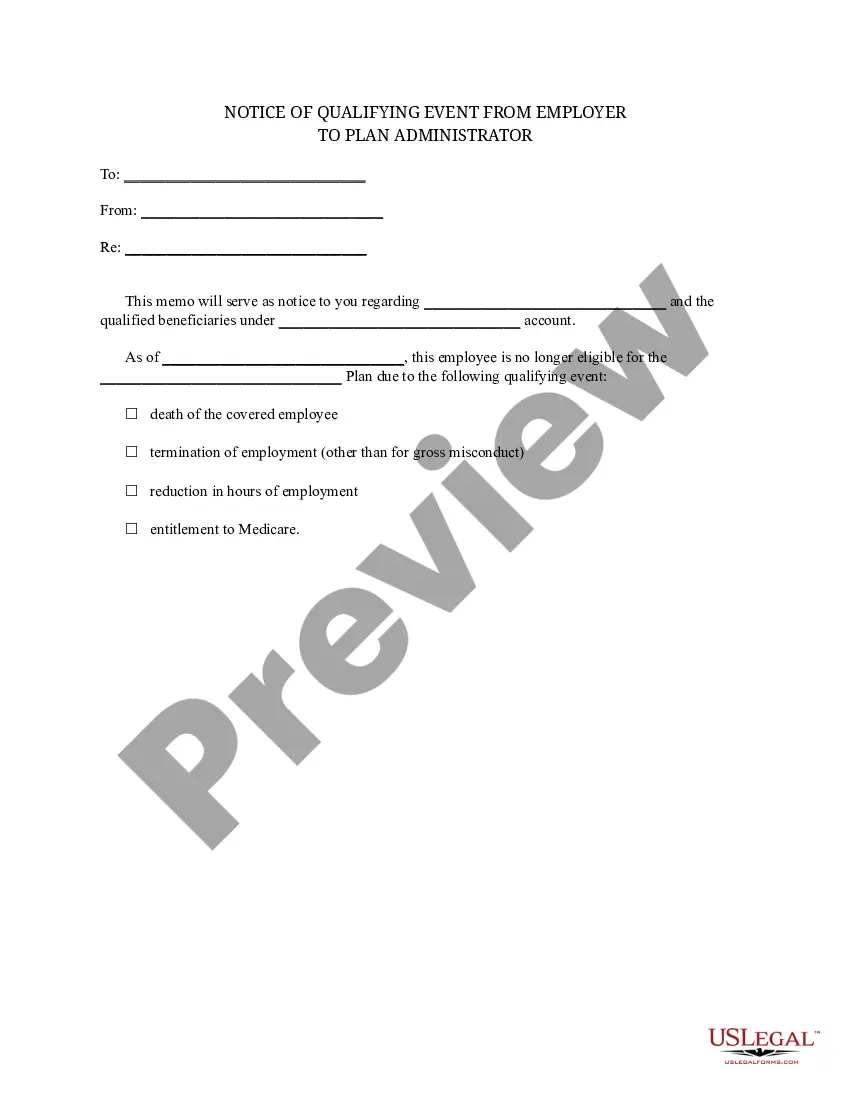
Harris Texas Charitable Remainder Inter Vivos Annuity Trust
Description
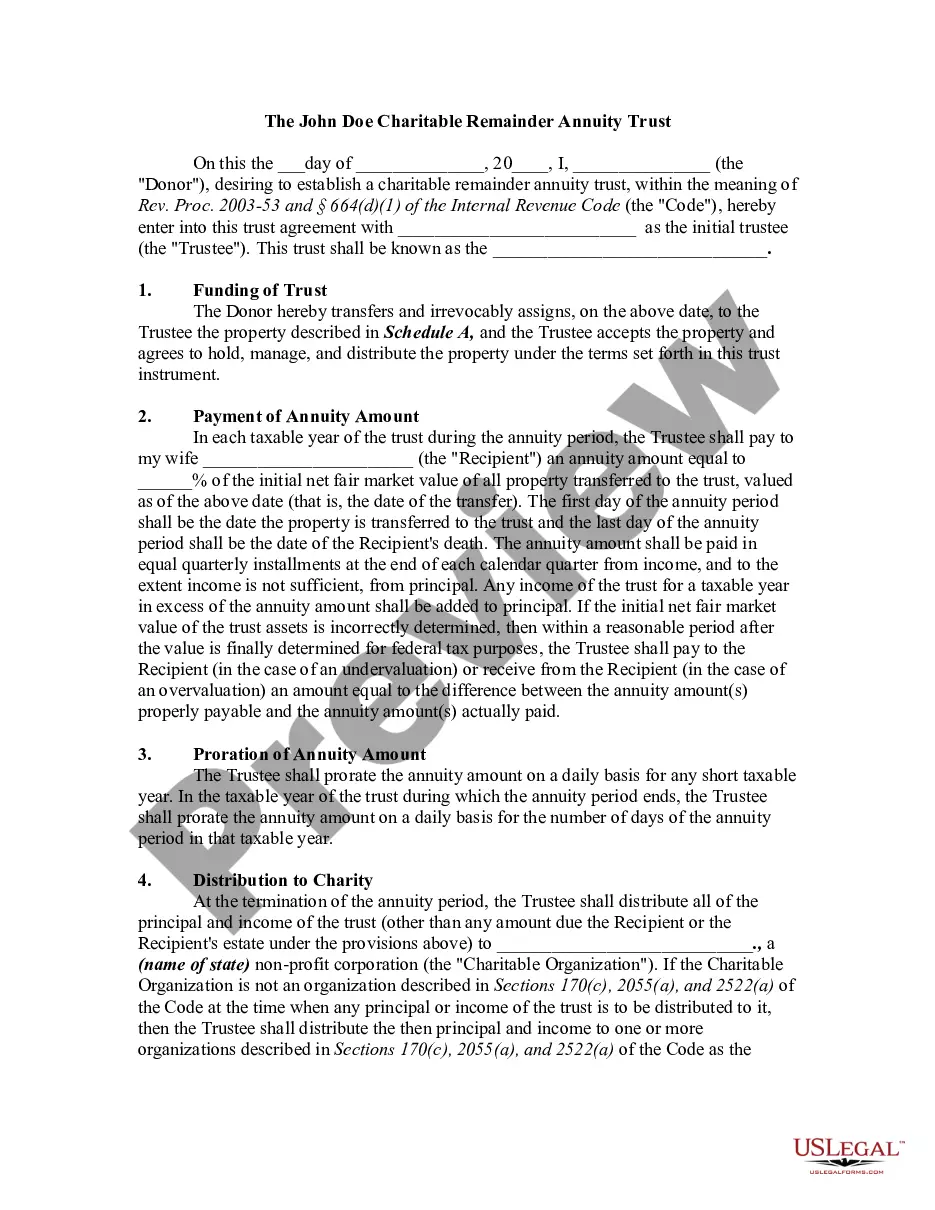
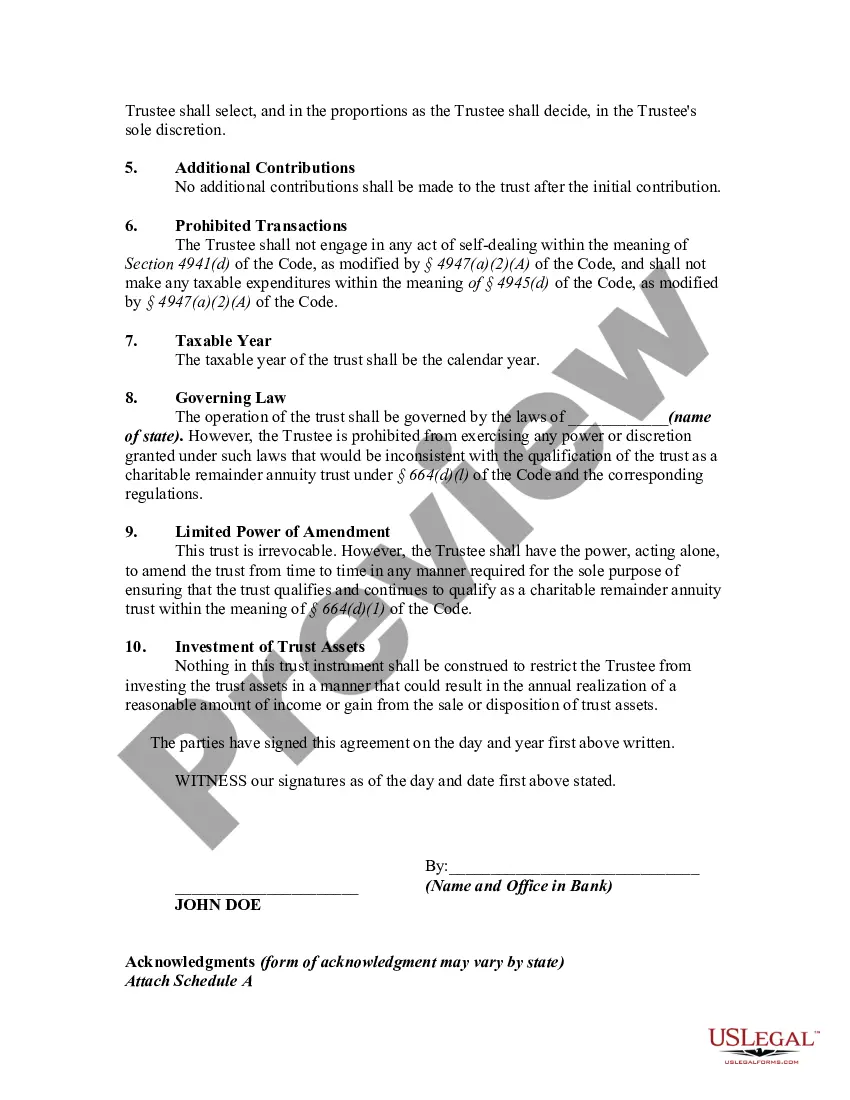
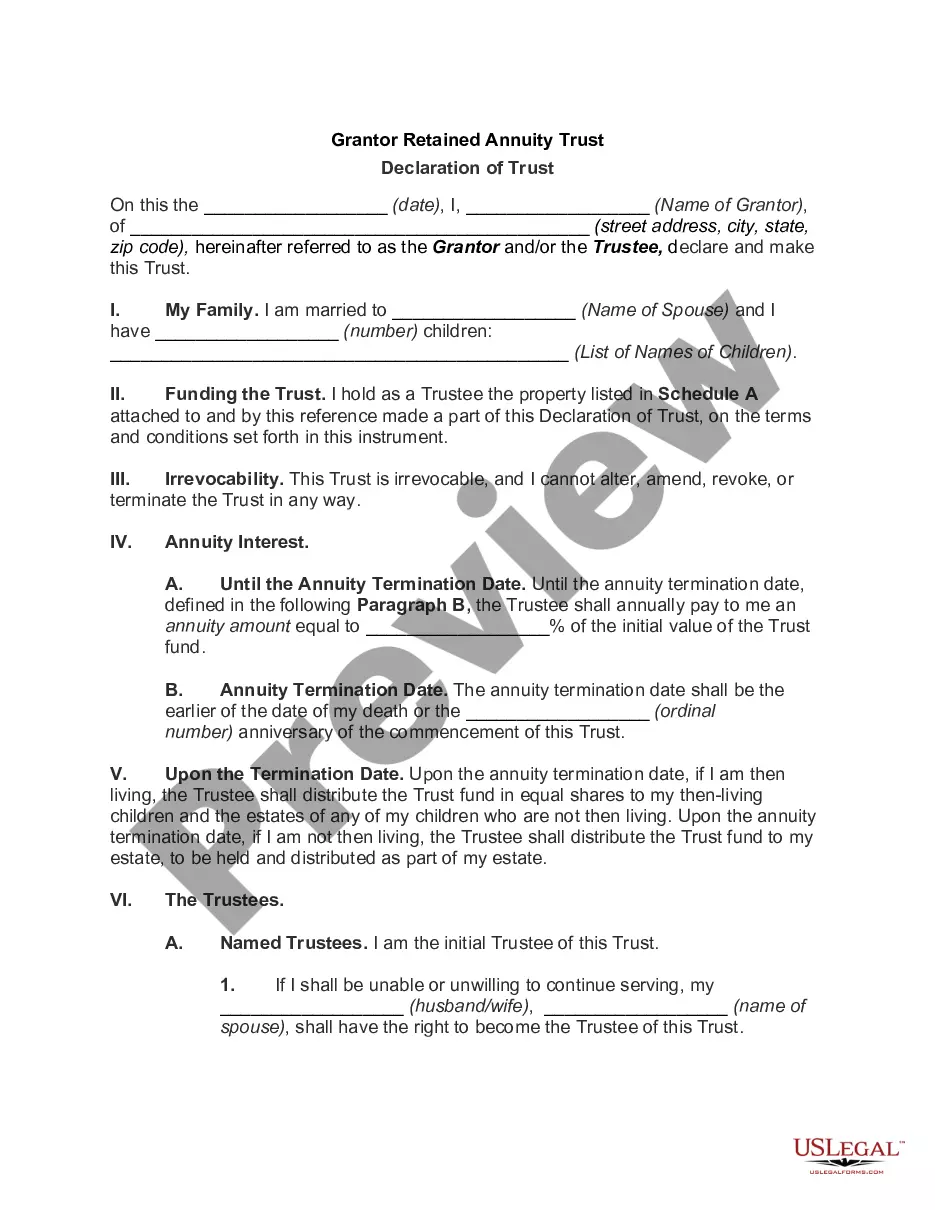




How to fill out Charitable Remainder Inter Vivos Annuity Trust?
Assembling paperwork for business or personal purposes is consistently a significant obligation.
When formulating a contract, a public service inquiry, or a power of attorney, it is crucial to take into account all federal and state statutes and regulations pertaining to the particular area.
Nonetheless, small counties and even municipalities also possess legislative requirements that you must regard.
Join the platform and swiftly acquire validated legal templates for any scenario with just a few clicks!
- These factors contribute to making the creation of a Harris Charitable Remainder Inter Vivos Annuity Trust without expert assistance stressful and time-intensive.
- It is simple to sidestep spending money on lawyers drafting your records and generate a legally recognized Harris Charitable Remainder Inter Vivos Annuity Trust independently, utilizing the US Legal Forms online repository.
- This is the most comprehensive online assortment of state-specific legal documents that are professionally verified, ensuring you can trust their legitimacy when selecting a template for your county.
- Previous subscribers only need to sign in to their accounts to access the required form.
- If you do not yet have a subscription, follow the step-by-step instructions below to procure the Harris Charitable Remainder Inter Vivos Annuity Trust.
- Review the page you have opened and verify if it contains the document you require.
- To confirm this, utilize the form description and preview if these options are available.
Form popularity
FAQ
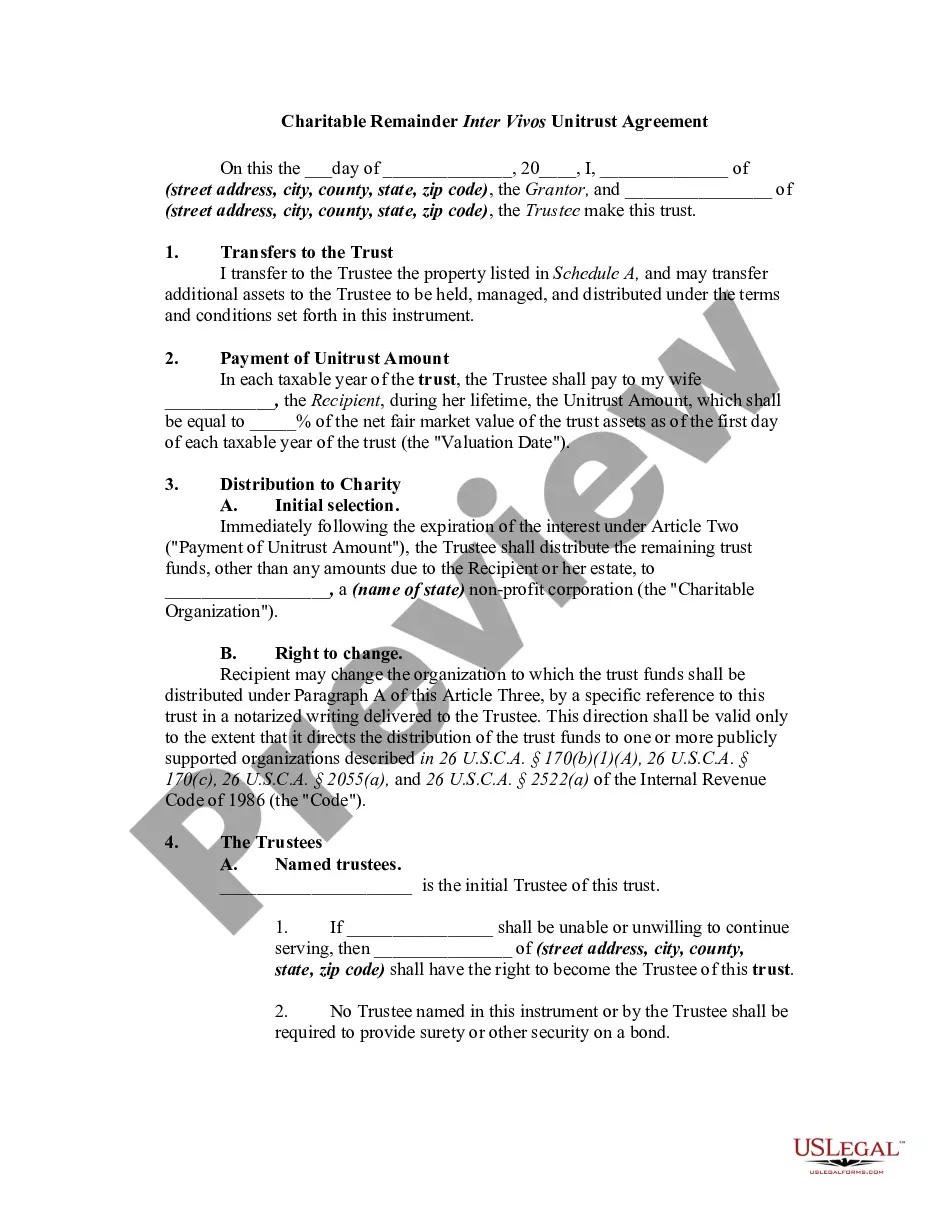
The 5% rule for a Harris Texas Charitable Remainder Inter Vivos Annuity Trust specifies that the annuity payment to the income beneficiary must be at least 5% of the initial fair market value of the assets placed in the trust. This rule ensures that beneficiaries receive a substantial income while maintaining the trust's integrity for future charitable distributions. Adhering to this guideline helps you align your financial goals with your charitable intentions effectively. If you are considering this approach, using a platform like USLegalForms can help you navigate the complexities of establishing such a trust.
To set up a Harris Texas Charitable Remainder Inter Vivos Annuity Trust, you should begin by identifying the assets you want to place into the trust. Work closely with a financial advisor or an attorney who specializes in estate planning to create the trust agreement. This document will specify your intentions, including how the income will be distributed to beneficiaries. After that, fund the trust and ensure all legal requirements are met to make it effective.
Any income that you receive from your charitable trust could reduce the total contribution that you end up leaving to your charity. You may risk leaving nothing to your charity if you plan to receive high payments from the trust while you're alive.
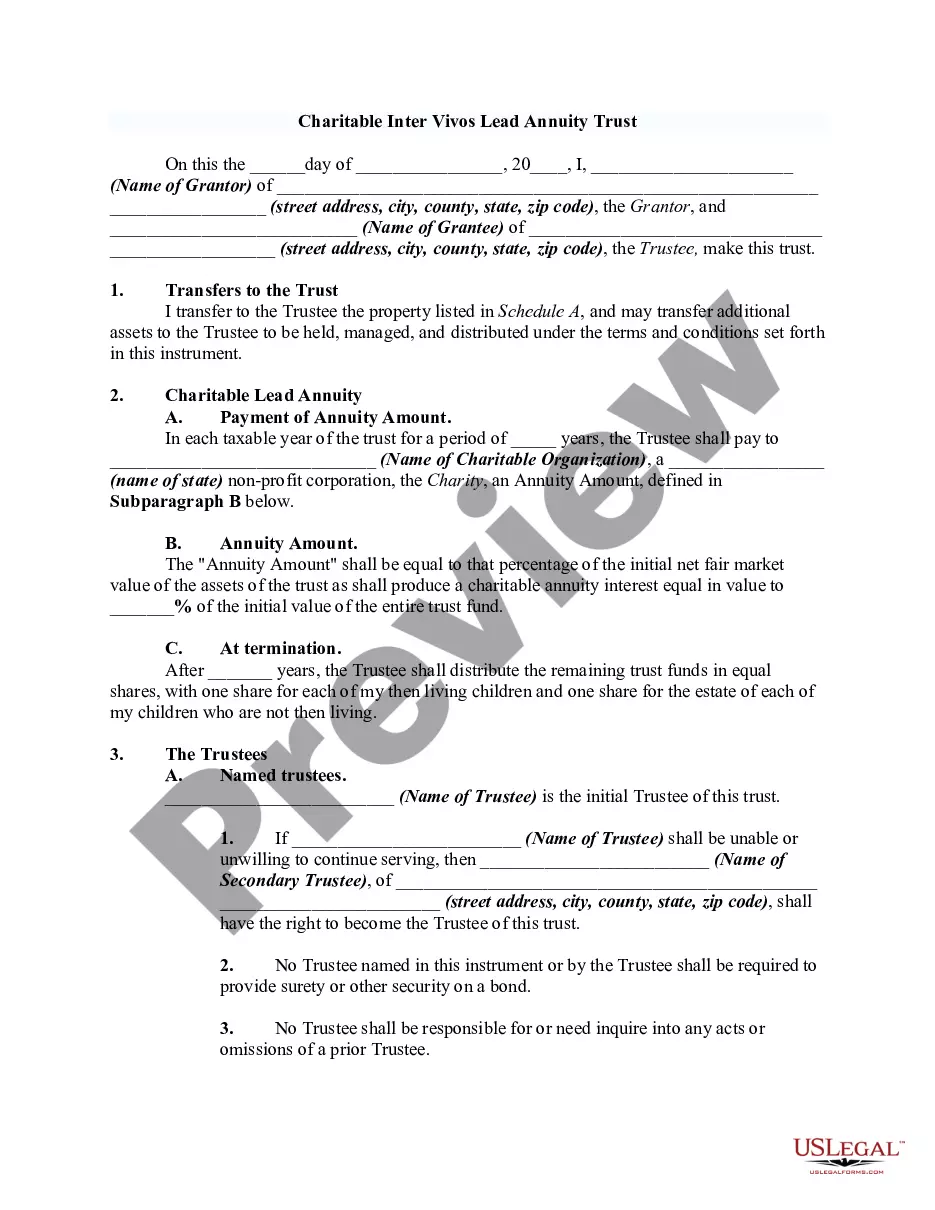
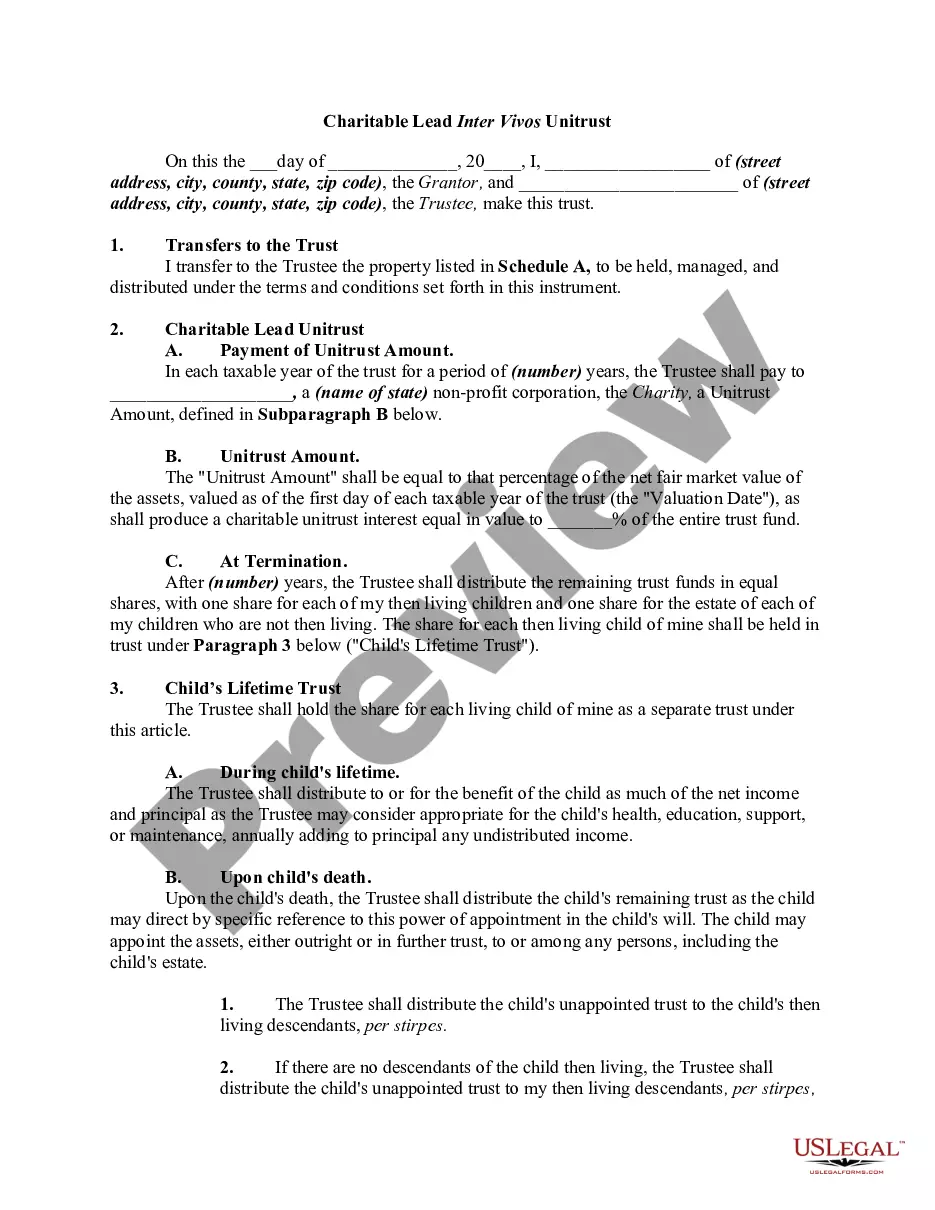
A charitable lead trust (CLT) is like the reverse of a charitable remainder trust. This type of trust disperses income to a named charity, while the noncharitable beneficiaries receive the remainder of the donated assets upon your death or at the end of a specific term, similar to a CRT.
Charitable remainder annuity trusts (CRATs) distribute a fixed annuity amount each year, and additional contributions are not allowed.
Disadvantages of CRT :Big back and take up space on a desk.Not suitable for very brightly environment because less bright than LCD.They are large, heavy and bulky.Consume a lot of electricity and also produce a lot of heat.Geometrical error at edges.Flickering at 50-80 Hz.Harmful DC and AC electric and magnetic fields.
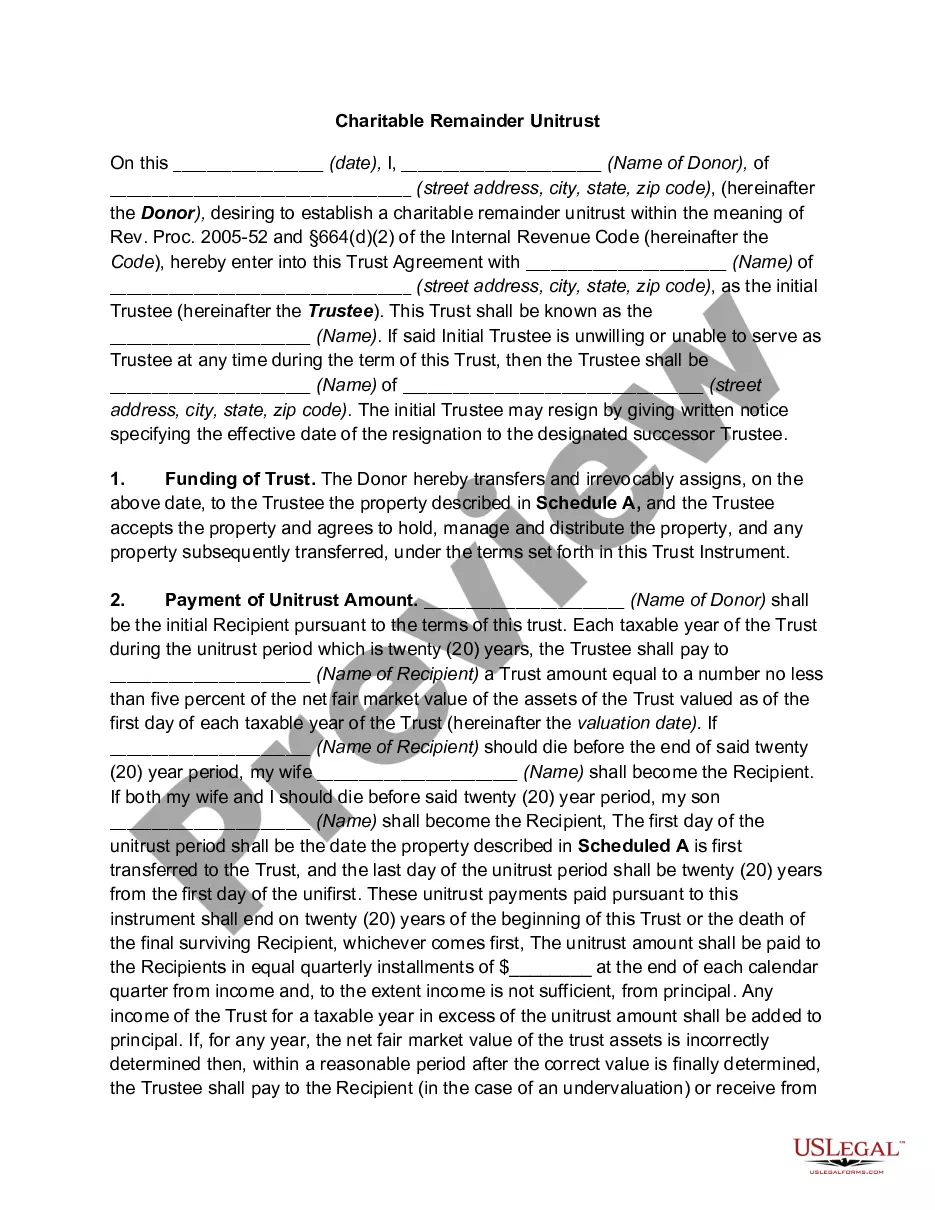
A Charitable Remainder Trust (CRT) is a gift of cash or other property to an irrevocable trust. The donor receives an income stream from the trust for a term of years or for life and the named charity receives the remaining trust assets at the end of the trust term.
A CRT lets you convert a highly appreciated asset like stock or real estate into lifetime income. It reduces your income taxes now and estate taxes when you die. You pay no capital gains tax when the asset is sold. It also lets you help one or more charities that have special meaning to you.
The CRT is a good option if you want an immediate charitable deduction, but also have a need for an income stream to yourself or another person. It is also a good option if you want to establish one by will to provide for heirs, with the remainder going to charities of your choosing.
Any income that you receive from your charitable trust could reduce the total contribution that you end up leaving to your charity. You may risk leaving nothing to your charity if you plan to receive high payments from the trust while you're alive.