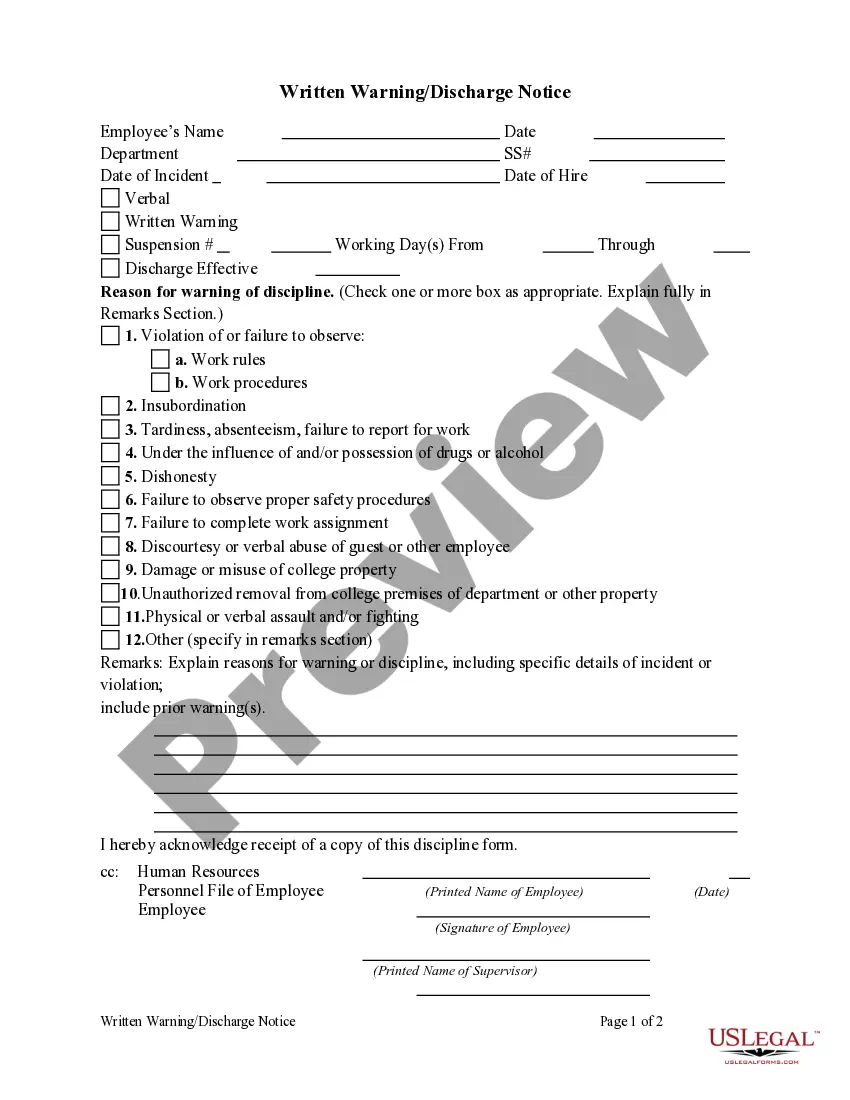
Harris Texas Relocation Agreement between Employer and Employee Regarding Moving Expenses
Description
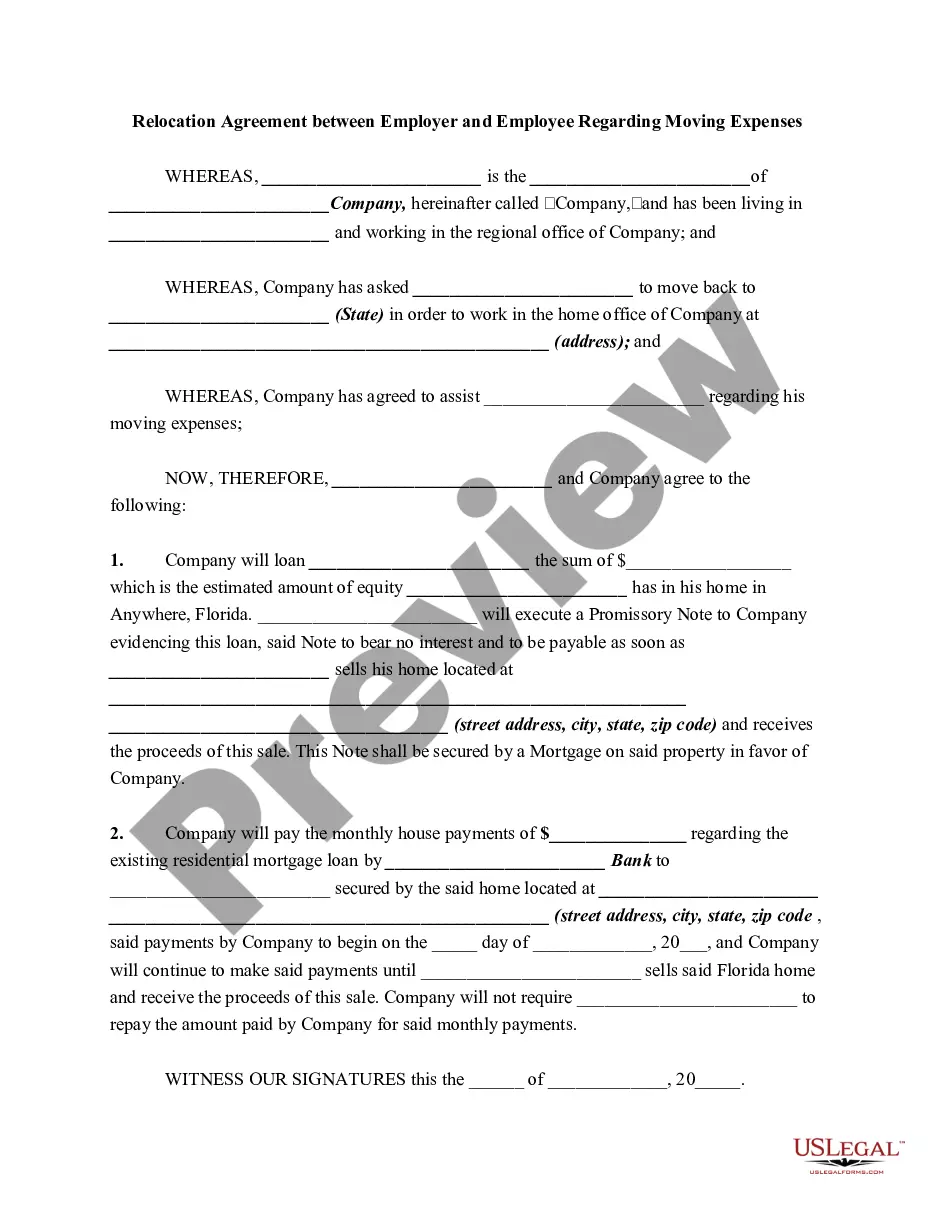

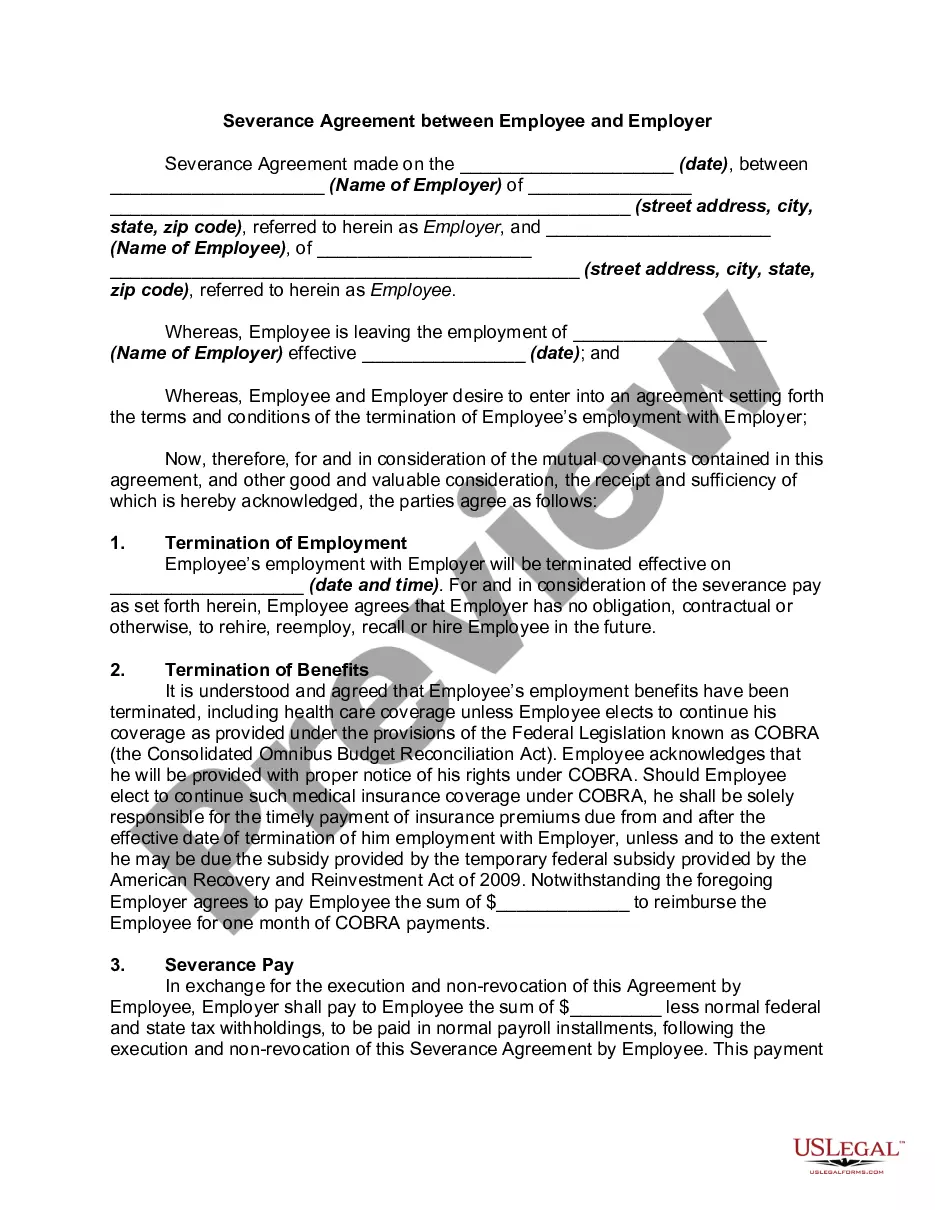
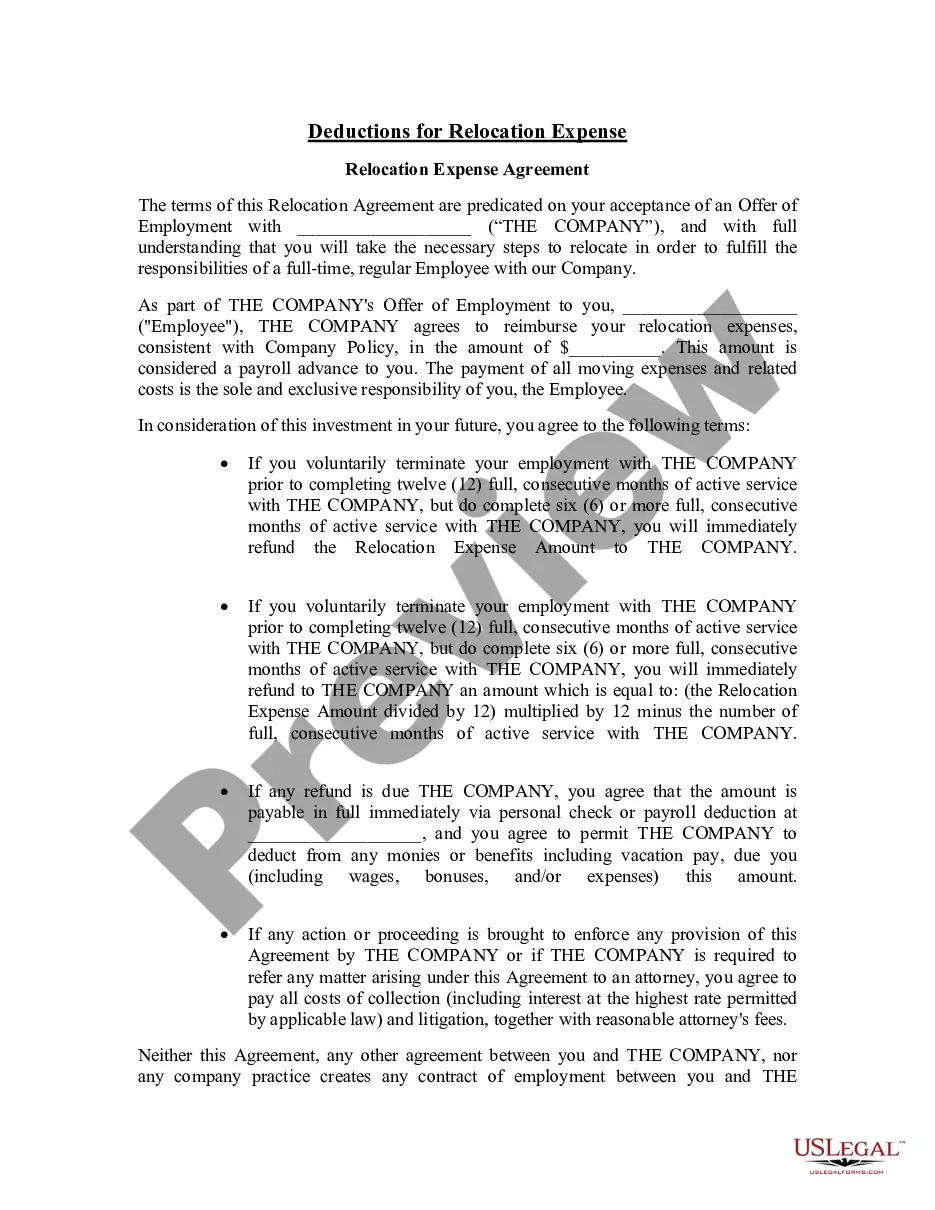
Get your form ready online
Our built-in tools help you complete, sign, share, and store your documents in one place.
Make edits, fill in missing information, and update formatting in US Legal Forms—just like you would in MS Word.
Download a copy, print it, send it by email, or mail it via USPS—whatever works best for your next step.
Sign and collect signatures with our SignNow integration. Send to multiple recipients, set reminders, and more. Go Premium to unlock E-Sign.
If this form requires notarization, complete it online through a secure video call—no need to meet a notary in person or wait for an appointment.
We protect your documents and personal data by following strict security and privacy standards.

Make edits, fill in missing information, and update formatting in US Legal Forms—just like you would in MS Word.

Download a copy, print it, send it by email, or mail it via USPS—whatever works best for your next step.

Sign and collect signatures with our SignNow integration. Send to multiple recipients, set reminders, and more. Go Premium to unlock E-Sign.

If this form requires notarization, complete it online through a secure video call—no need to meet a notary in person or wait for an appointment.

We protect your documents and personal data by following strict security and privacy standards.
Looking for another form?


How to fill out Relocation Agreement Between Employer And Employee Regarding Moving Expenses?
If you are looking for a reliable provider of legal documentation to obtain the Harris Relocation Contract between Employer and Employee Concerning Moving Costs, think about US Legal Forms. Whether you are starting your LLC enterprise or managing your asset allocation, we have you taken care of. You don’t have to be an expert in law to find and acquire the suitable template.
You can easily choose to search or explore the Harris Relocation Contract between Employer and Employee Concerning Moving Costs, either by using a keyword or by the state/county for which the form was designed.
After you locate the necessary template, you can Log In and download it or save it in the My documents section.
Don’t have an account? It’s simple to get started! Just find the Harris Relocation Contract between Employer and Employee Concerning Moving Costs template and review the form’s preview and description (if provided). If you’re assured about the template’s language, proceed to click Buy now. Create an account and choose a subscription plan. The template will be ready for download immediately after the payment is completed.
Managing your legal matters doesn’t have to be costly or time-consuming. US Legal Forms is here to prove that. Our extensive selection of legal forms makes this journey less expensive and more economical. Establish your first business, organize your advance care planning, draft a property agreement, or finalize the Harris Relocation Contract between Employer and Employee Concerning Moving Costs - all from the convenience of your couch. Join US Legal Forms today!
- You can browse through over 85,000 forms organized by state/county and case.
- The user-friendly interface, numerous supporting resources, and dedicated support personnel facilitate the discovery and execution of various documents.
- US Legal Forms has been a dependable service offering legal forms to millions of customers since 1997.
Form popularity
FAQ
Moving expense reimbursements paid under a nonaccountable plan must be reported as wages and are subject to FICA and FUTA taxes. Withholding is at the same rate as for the employee's other wages, unless the employer elects to treat the moving expense as supplemental wages.
All moving-expense payments made to an employee or on an employee's behalf are taxable income to the employee and will be reported on the employee's Form W-2. For taxable reimbursements, federal and state income taxes, social security and Medicare taxes must be withheld.
The short answer is yes. Relocation expenses for employees paid by an employer (aside from BVO/GBO homesale programs) are all considered taxable income to the employee by the IRS and state authorities (and by local governments that levy an income tax).
If you have moving expenses that are greater than the amount of reimbursement shown in box 12 of Form 1040, or your reimbursement was reported as wages in box 1, then you can file Form 3903 with your tax return to report moving expenses and reimbursements to the IRS.
A typical relocation package usually covers the costs of moving and storing furnishings, household goods, assistance with selling an existing home, costs incurred with house-hunting, temporary housing, and all travel costs by the employee and family to the new location.
Your employer may cover the cost of a trip to find a new home. They will also cover the cost of moving your goods and moving yourself and your family to the new location. This may include either airfare for your family or mileage for you to drive, hotel stays along the way, and maybe a per diem for food.
Qualified Moving Expenses Reimbursements No Longer Excluded from Employees' Income, with Two Exceptions. For 2018 through 2025, employers must include moving expense reimbursements in employees' wages. The new tax law suspends the exclusion for qualified moving expense reimbursements.
Look on your Form W-2, box 12. If there is an amount with a code P, that amount is included in your taxable income. You should take a moving expense deduction to avoid paying tax on your reimbursements. You should also take a moving deduction if your employer included your reimbursement with wages in box 1 of Form W-2.
The most common relocation repayment requires repayment in full if termination of employment is within 12 months after relocation or a prorated amount for up to 2 years. If a move is in process when employment ends, unused benefits typically cease immediately.
All moving-expense payments made to an employee or on an employee's behalf are taxable income to the employee and will be reported on the employee's Form W-2. For taxable reimbursements, federal and state income taxes, social security and Medicare taxes must be withheld.