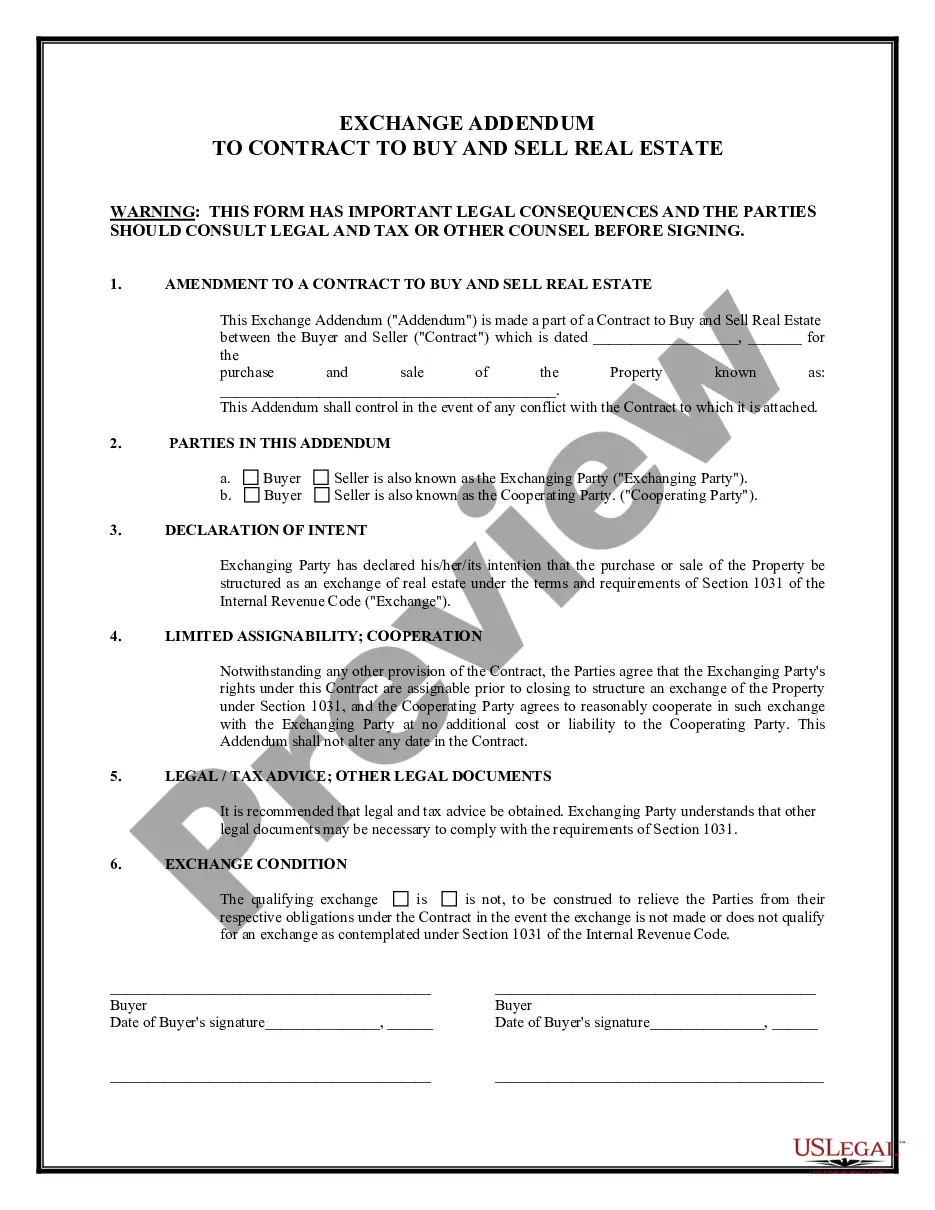
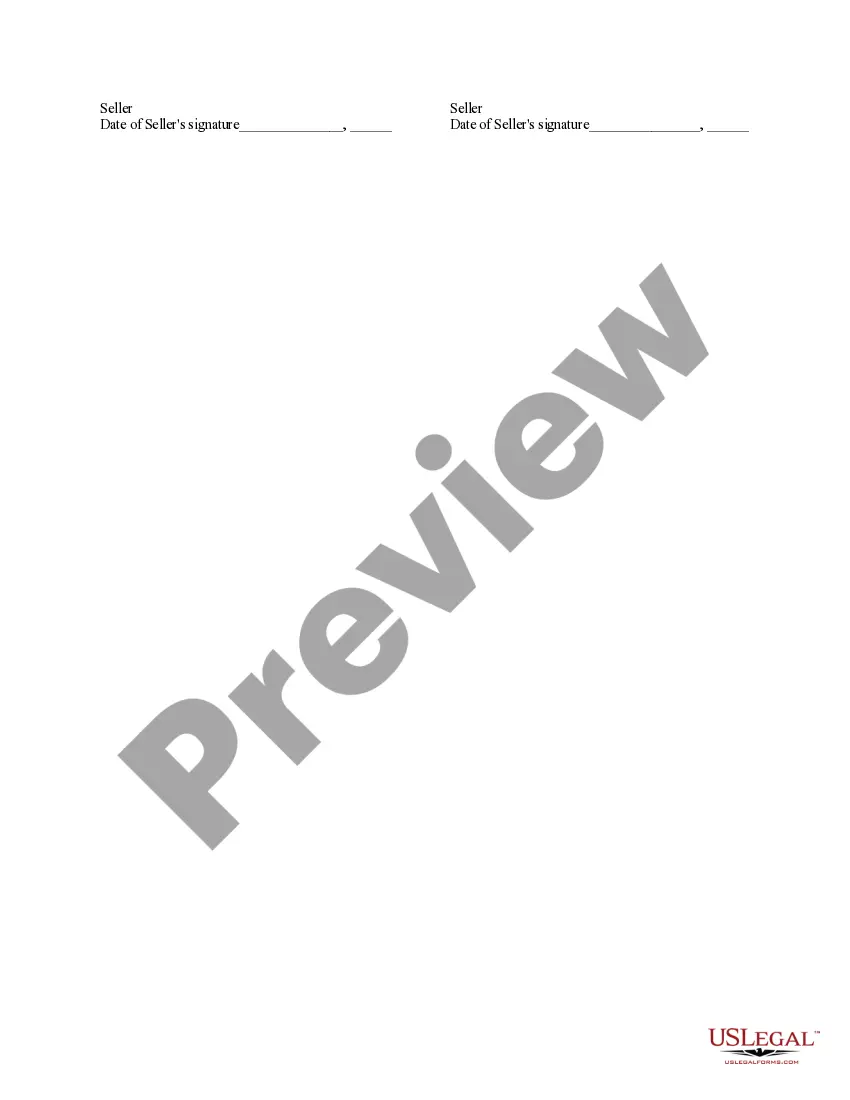
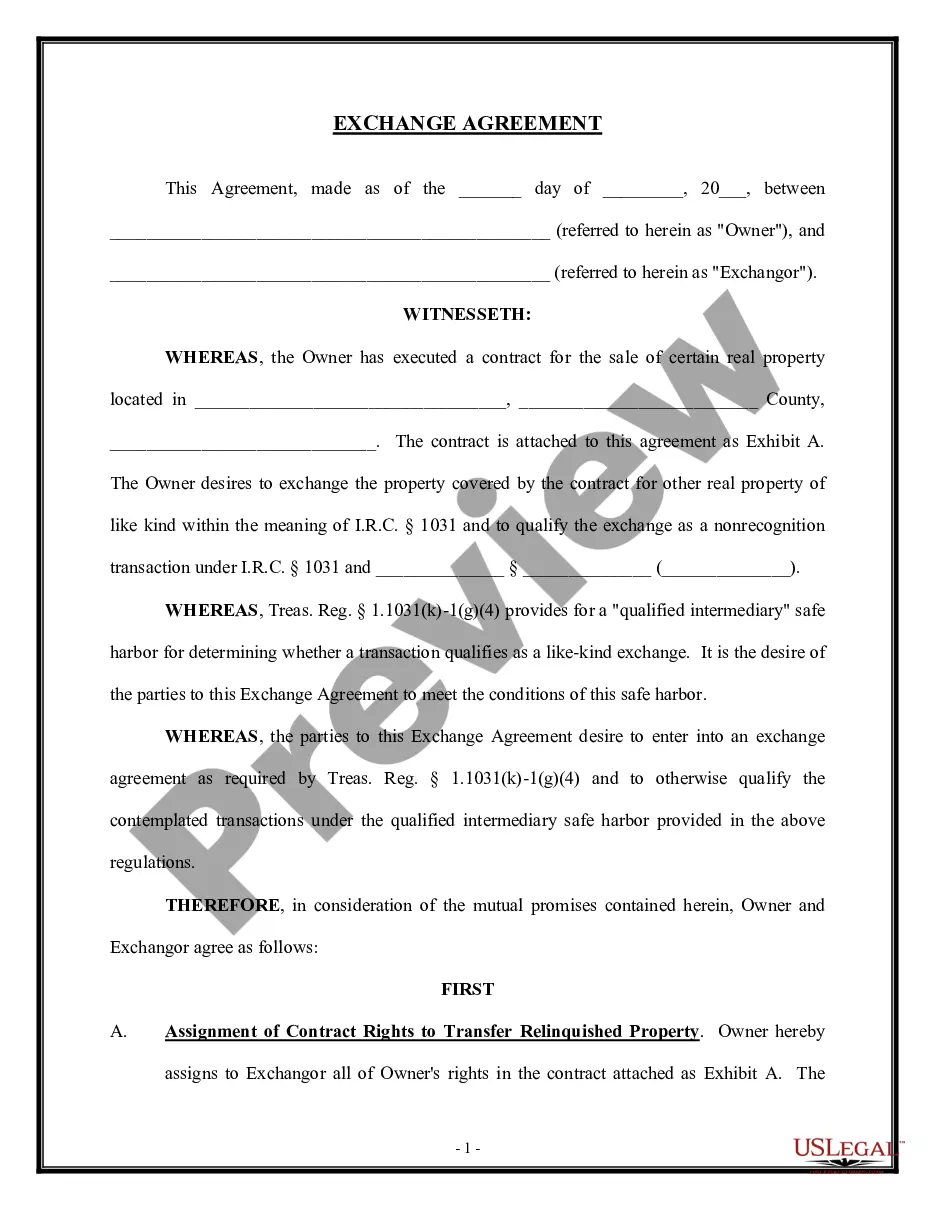
This form is used when there is a tax free exchange proposed for buyer or seller.
Raleigh North Carolina Exchange Addendum to Contract - Tax Free Exchange Section 1031
Category:
State:
Multi-State
City:
Raleigh
Control #:
US-00472F
Format:
Word;
Rich Text
Instant download
Description
Free preview

Form popularity
FAQ
When considering the best state for 1031 exchanges, Raleigh, North Carolina, stands out due to its favorable tax laws. The Raleigh North Carolina Exchange Addendum to Contract - Tax Free Exchange Section 1031 provides a framework that can help property owners defer capital gains taxes effectively. Additionally, the state's robust real estate market and economic growth offer ample opportunities for investment. Therefore, utilizing this addendum in Raleigh can maximize your benefits during a tax-free exchange.
Setting up a reverse 1031 exchange involves a few crucial steps. First, you need to identify the replacement property before selling your current property. Then, you can utilize the Raleigh North Carolina Exchange Addendum to Contract - Tax Free Exchange Section 1031 to facilitate this transaction. Make sure to engage with a qualified intermediary to ensure compliance with IRS guidelines and to help you seamlessly navigate the complexities of a reverse exchange.
Completing a 1031 exchange in North Carolina involves several steps: sell your property, identify a replacement property within the required timeframe, and work with a qualified intermediary. It's crucial to adhere to the Raleigh North Carolina Exchange Addendum to Contract - Tax Free Exchange Section 1031 rules to ensure compliance and maximize your tax benefits. Professional guidance can streamline this process, making your investment more rewarding.
The easiest 1031 exchange option usually involves a straight, simultaneous exchange. This means both properties exchange hands at the same time, making it straightforward and reducing the risk of compliance issues. However, considering the Raleigh North Carolina Exchange Addendum to Contract - Tax Free Exchange Section 1031 provides essential guidance, reviewing all options with your advisor can lead to better decisions.
The verbiage for a 1031 exchange typically includes terms like 'like-kind properties', 'qualifying intermediary', and 'deferral of capital gains taxes'. You should also refer to the Raleigh North Carolina Exchange Addendum to Contract - Tax Free Exchange Section 1031 for terminology specific to the state regulations. Clear communication is essential for executing a successful exchange, so familiarize yourself with these terms.
Conducting a 1031 exchange in North Carolina begins with selling your property and identifying a like-kind property. After the sale, you typically have 45 days to declare your new property and a total of 180 days to complete the transaction. Engaging in the Raleigh North Carolina Exchange Addendum to Contract - Tax Free Exchange Section 1031 ensures you understand the state-specific guidelines. Consulting with professionals will guide you smoothly through this process.
Imagine you own a rental property in Raleigh and decide to sell it. If you sell your property for a profit and use those funds to buy a larger rental property, this transaction can qualify as a 1031 exchange. This allows you to defer capital gains taxes, making it a smart financial move. The Raleigh North Carolina Exchange Addendum to Contract - Tax Free Exchange Section 1031 provides clarity on attending to your tax obligations.
To initiate a 1031 exchange, first sell your property and identify a replacement property within 45 days. You then must close on the new property within 180 days of the sale. Utilizing a qualified intermediary can simplify the process and ensure compliance with Raleigh North Carolina Exchange Addendum to Contract - Tax Free Exchange Section 1031 regulations. Always consult with a professional to maximize your benefits.
A 1031 exchange involves selling a property and purchasing a new one to defer taxes. In contrast, a reverse 1031 exchange allows you to buy a new property before selling the old one. Both setups provide tax benefits, particularly in Raleigh North Carolina Exchange Addendum to Contract - Tax Free Exchange Section 1031 scenarios. Understanding these differences is crucial for making informed real estate decisions.