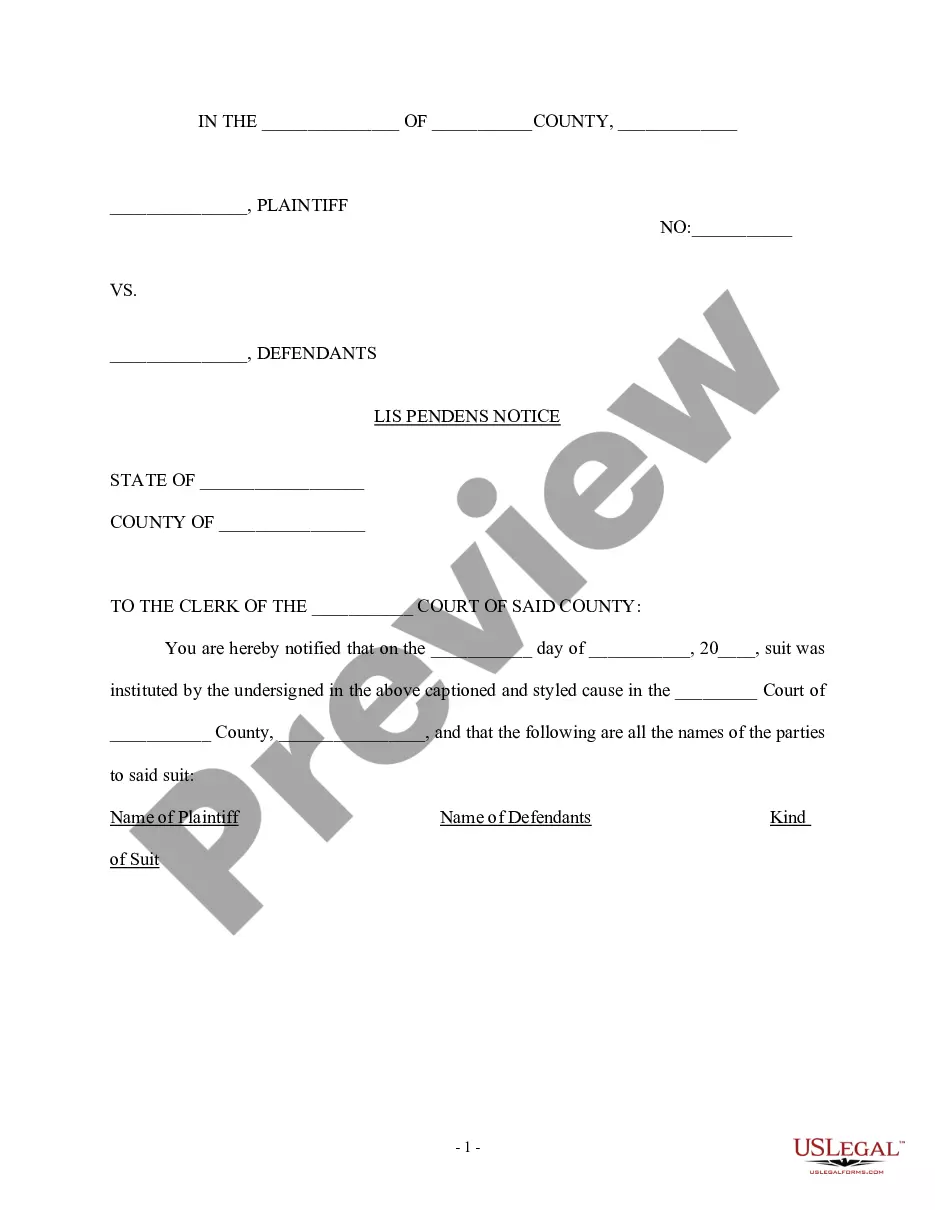
Clark Nevada Release of Lis Pendens
Description

Get your form ready online
Our built-in tools help you complete, sign, share, and store your documents in one place.
Make edits, fill in missing information, and update formatting in US Legal Forms—just like you would in MS Word.
Download a copy, print it, send it by email, or mail it via USPS—whatever works best for your next step.
Sign and collect signatures with our SignNow integration. Send to multiple recipients, set reminders, and more. Go Premium to unlock E-Sign.
If this form requires notarization, complete it online through a secure video call—no need to meet a notary in person or wait for an appointment.
We protect your documents and personal data by following strict security and privacy standards.

Make edits, fill in missing information, and update formatting in US Legal Forms—just like you would in MS Word.

Download a copy, print it, send it by email, or mail it via USPS—whatever works best for your next step.

Sign and collect signatures with our SignNow integration. Send to multiple recipients, set reminders, and more. Go Premium to unlock E-Sign.

If this form requires notarization, complete it online through a secure video call—no need to meet a notary in person or wait for an appointment.

We protect your documents and personal data by following strict security and privacy standards.
Looking for another form?

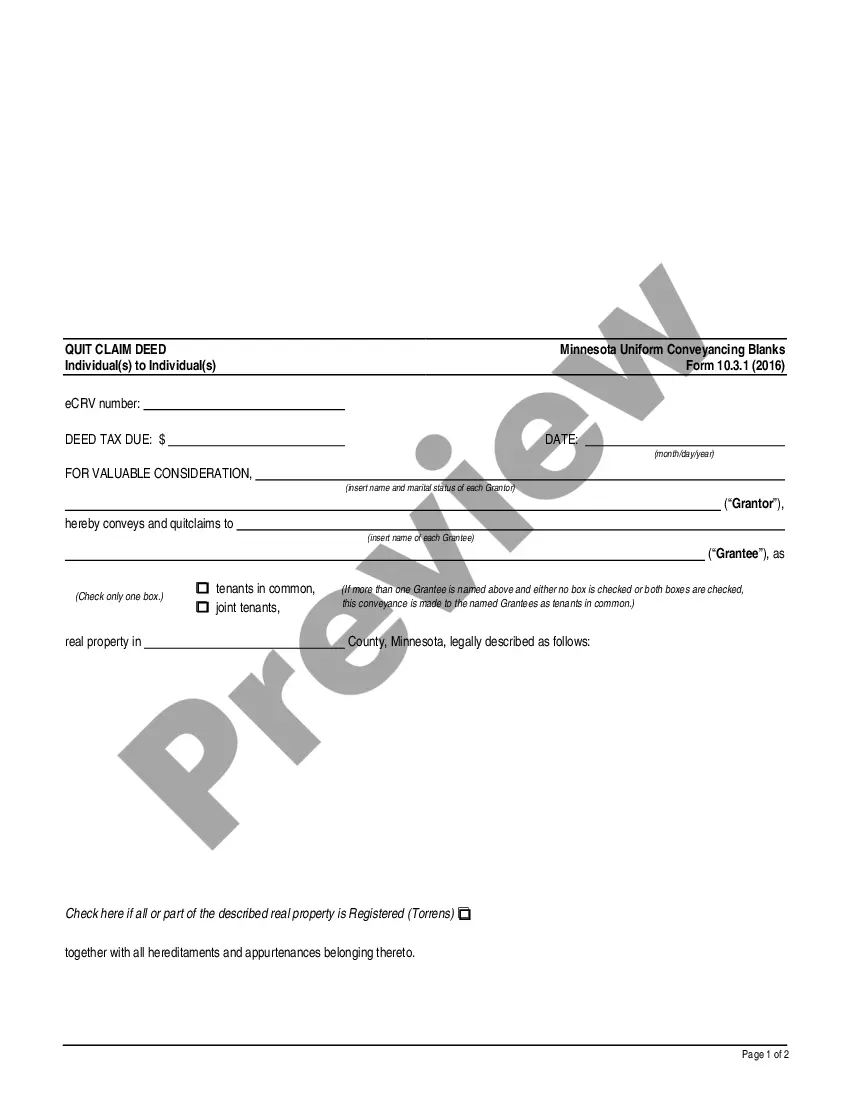
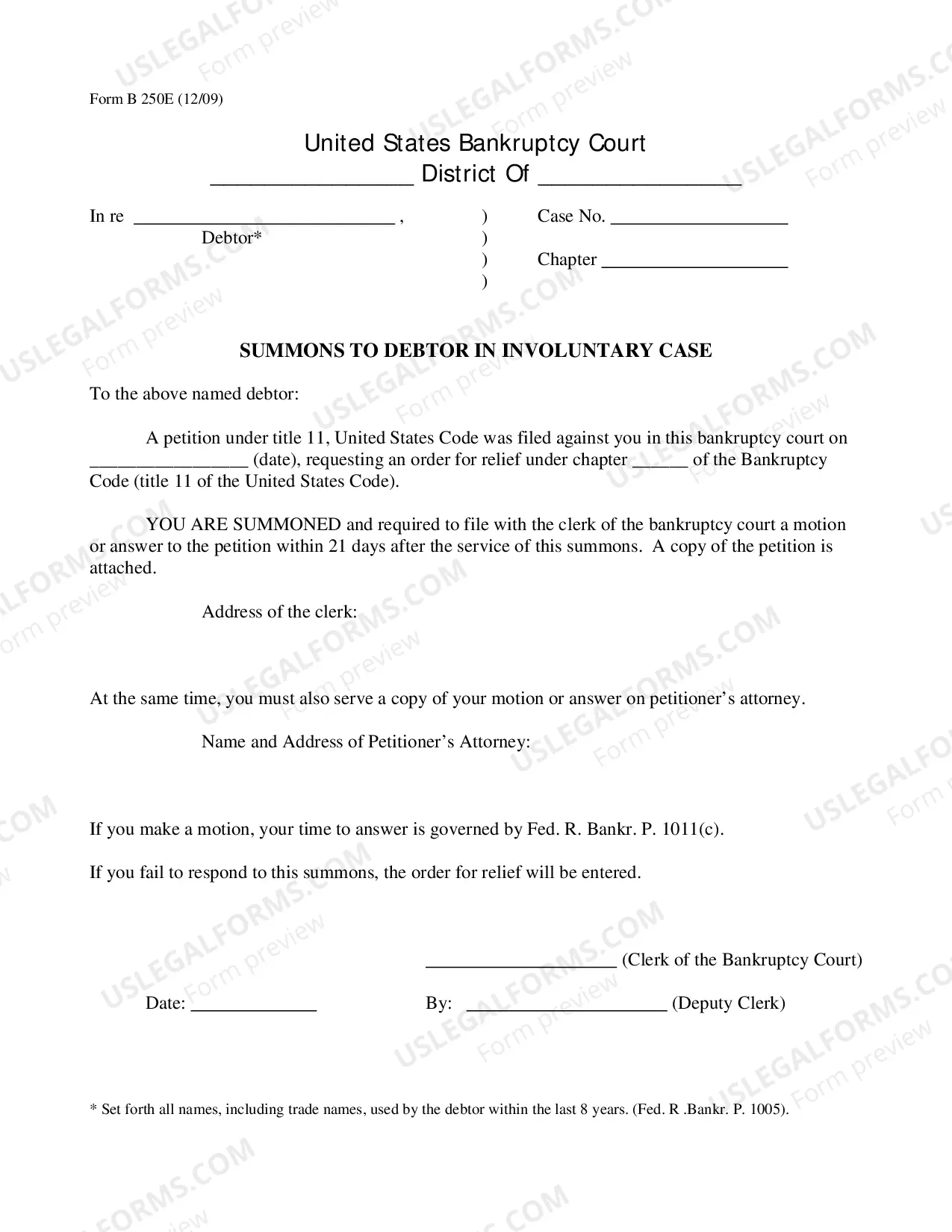
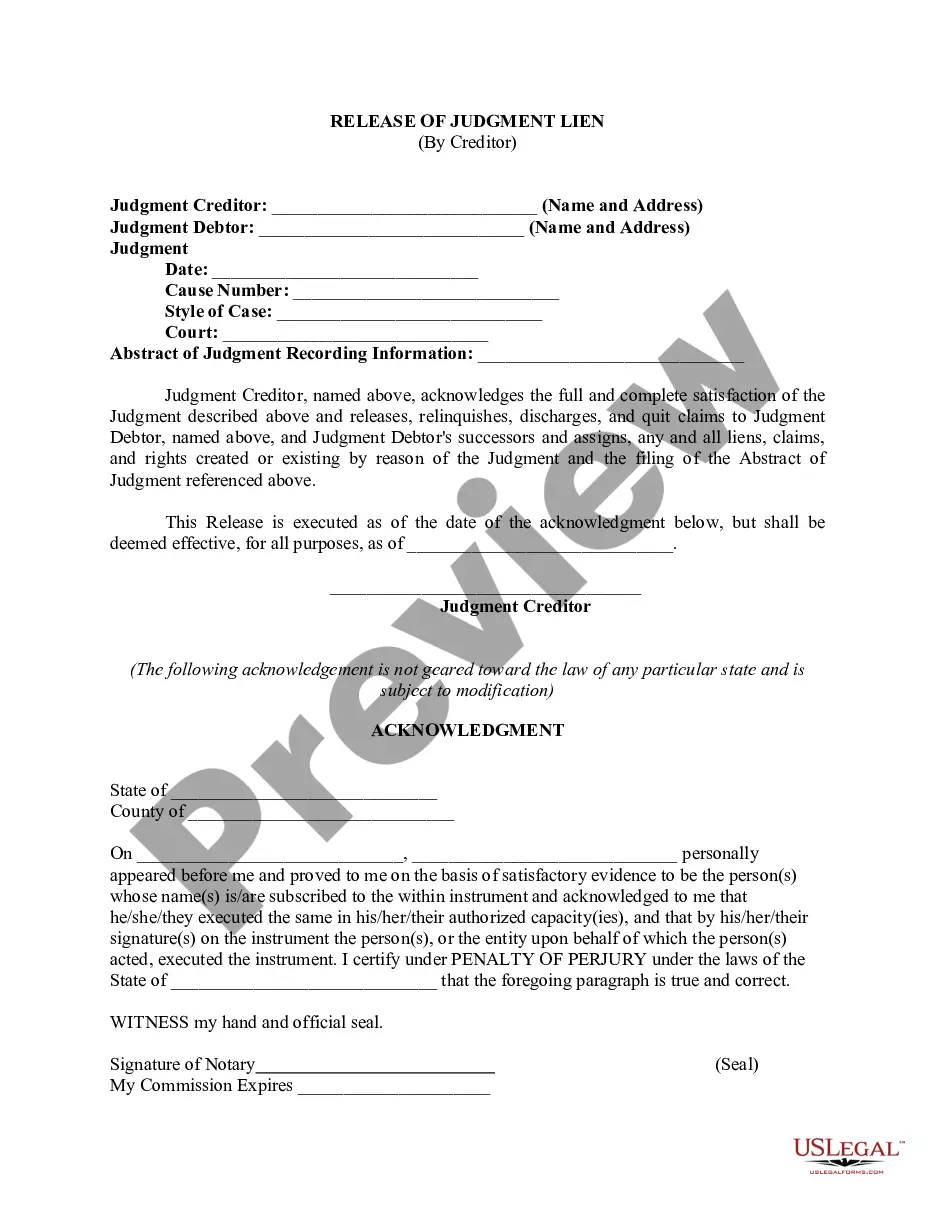
How to fill out Release Of Lis Pendens?
A documentation process consistently accompanies any legal endeavor you undertake.
Launching a business, applying for or accepting a job offer, transferring ownership, and numerous other life situations necessitate that you prepare formal paperwork that differs from state to state.
That's the reason having everything compiled in one location is extremely beneficial.
US Legal Forms is the most extensive online repository of current federal and state-specific legal templates.
All the samples available in our library are expertly drafted and authenticated for compliance with local laws and regulations. Prepare your documentation and manage your legal affairs efficiently with US Legal Forms!
- On this site, you can effortlessly find and download a document for any personal or business purpose utilized in your area, including the Clark Release of Lis Pendens.
- Finding samples on the site is exceptionally straightforward.
- If you already have a subscription to our service, Log In to your account, search for the sample using the search bar, and click Download to save it on your device.
- After that, the Clark Release of Lis Pendens will be accessible for subsequent use in the My documents section of your profile.
- If you are encountering US Legal Forms for the first time, follow this straightforward guide to obtain the Clark Release of Lis Pendens.
- Ensure you have accessed the correct page with your local form.
- Utilize the Preview mode (if available) and navigate through the sample.
- Review the description (if available) to confirm the form aligns with your needs.
- Search for an alternative document using the search tab if the sample doesn't suit you.
- Click Buy Now after locating the required template.
- Select the appropriate subscription plan, and then Log In or create an account.
- Choose the preferred payment method (either credit card or PayPal) to continue.
- Select the file format and download the Clark Release of Lis Pendens to your device.
- Utilize it as necessary: print it or complete it electronically, sign it, and submit it where required.
- This is the easiest and most reliable method to acquire legal documents.
Form popularity
FAQ
Calling our office at (702) 455-4336....Download the Official Records Copy Order Form.Print the order form.Fill out the order form with the appropriate information. Records Search: Locate your document information online.Mail or bring the completed order form and appropriate fees to the Clark County Recorder's Office:
Lis Pendens is Latin for "Suit Pending". It means someone has a claim, valid or not against the property in question or its owner, and filed a notice in the public records. Release means there is a cancellation which has been filed, cancelling or negating the lien or lis pendens notice.
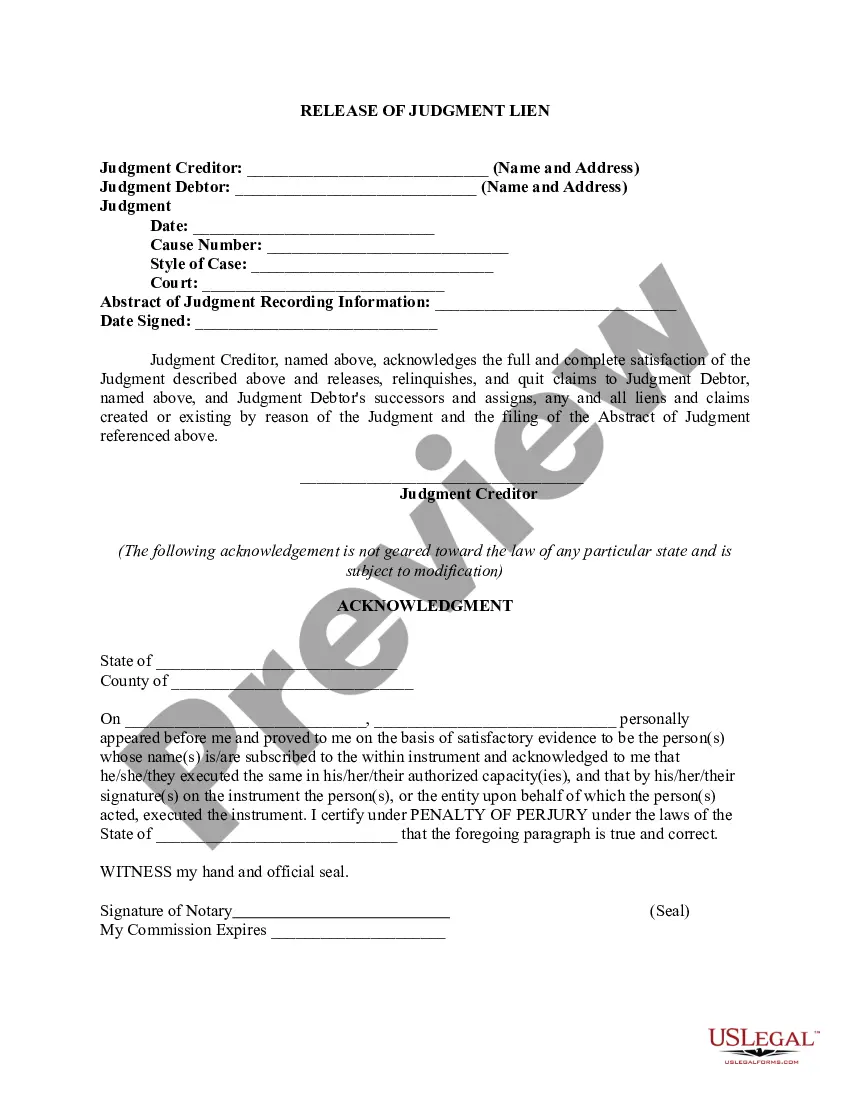
A lis pendens may also be removed voluntarily. A claimant may remove the lis pendens by recording, filing and serving a notice of withdrawal. Code of Civil Procedure §405.50.
Calling our office at (702) 455-4336....Download the Official Records Copy Order Form.Print the order form.Fill out the order form with the appropriate information. Records Search: Locate your document information online.Mail or bring the completed order form and appropriate fees to the Clark County Recorder's Office:
As the buyer of a property, you are the one responsible for recording the deed. Deeds for real estate need to be filed directly with the municipality or county where the property is located. The documents must be signed, witnessed, and notarized in order to be registered.
LIS PENDENS A notice recorded in the official records of a county to indicate that an action affecting a particular property has been filed in either a state or a federal court.
This is called "recording" the deed. When done properly, a deed is recorded anywhere from two weeks to three months after closing.
Adding someone to your house deed requires the filing of a legal form known as a quitclaim deed. When executed and notarized, the quitclaim deed legally overrides the current deed to your home. By filing the quitclaim deed, you can add someone to the title of your home, in effect transferring a share of ownership.
A notice of lis pendens, once duly registered, may be cancelled by the trial court before which the action involving the property is pending. This power is said to be inherent in the trial court and is exercised only under express provisions of law.
