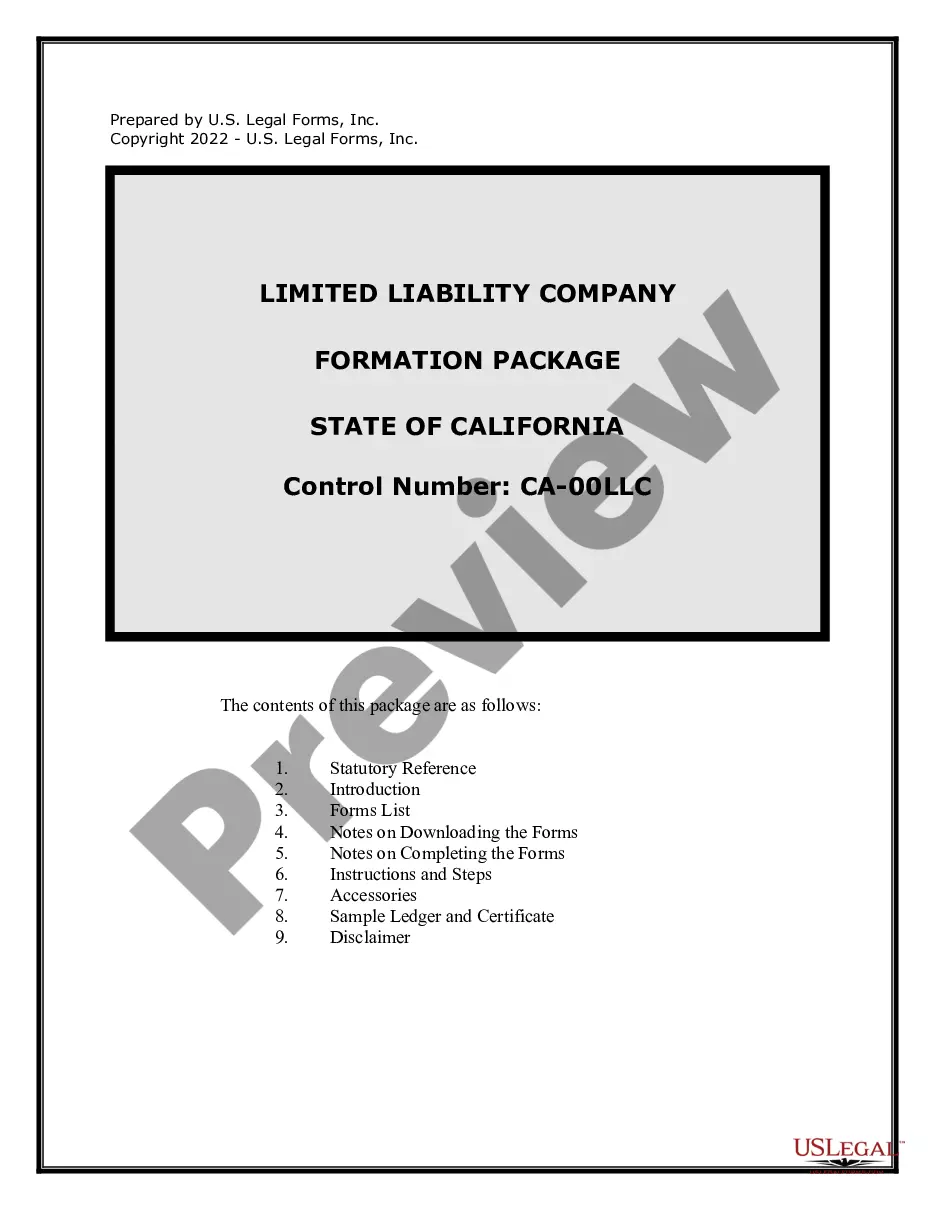
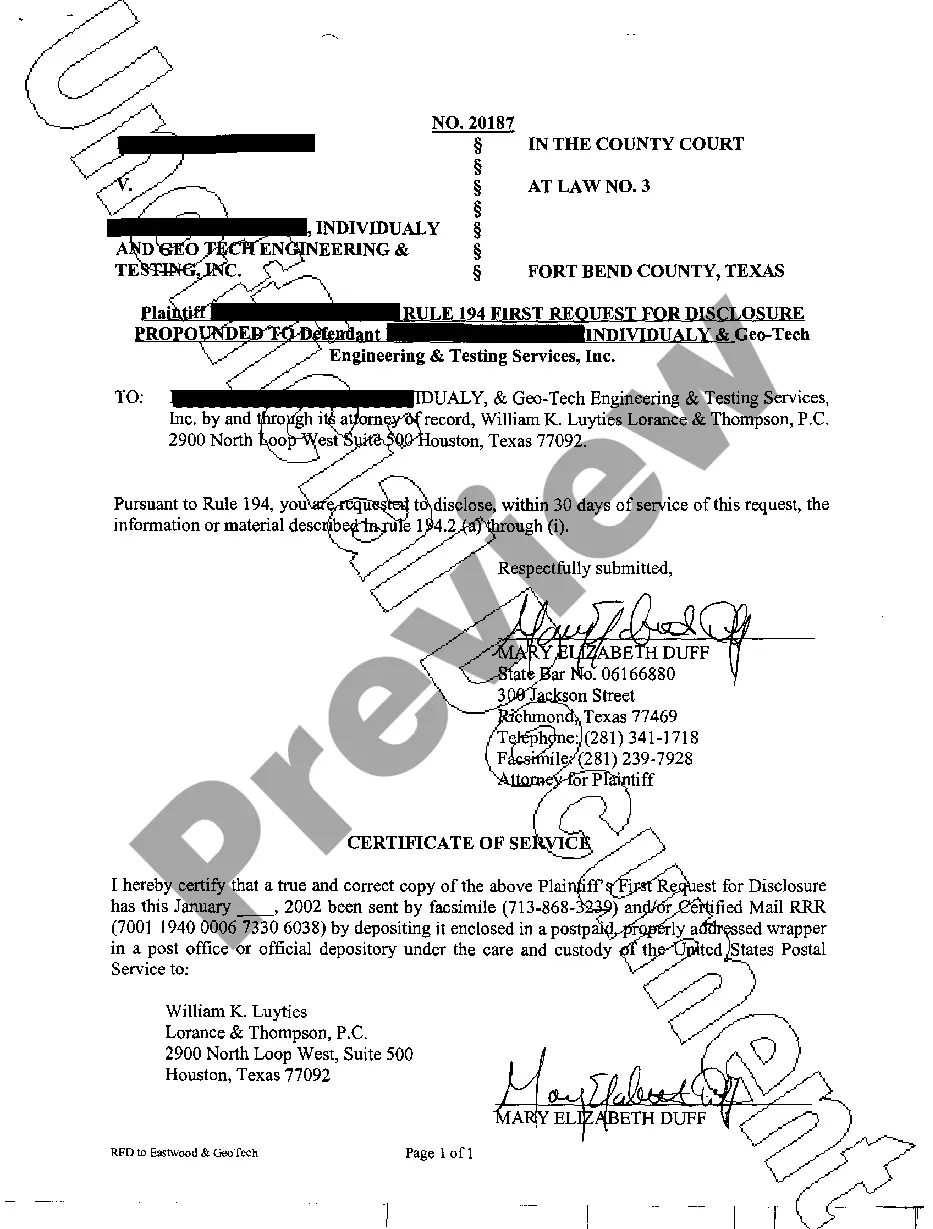
Harris Texas Plaintiff's Request for Discovery
Description
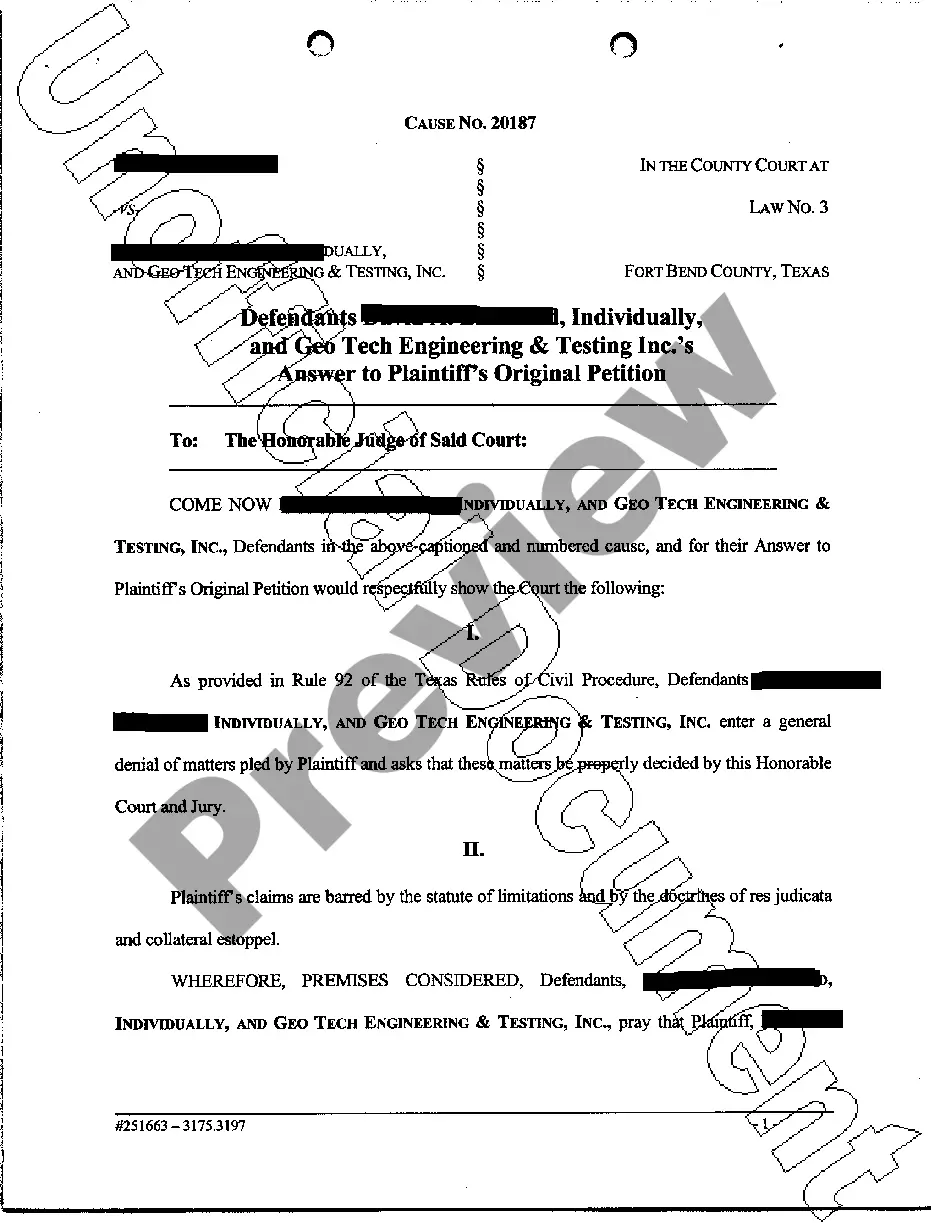
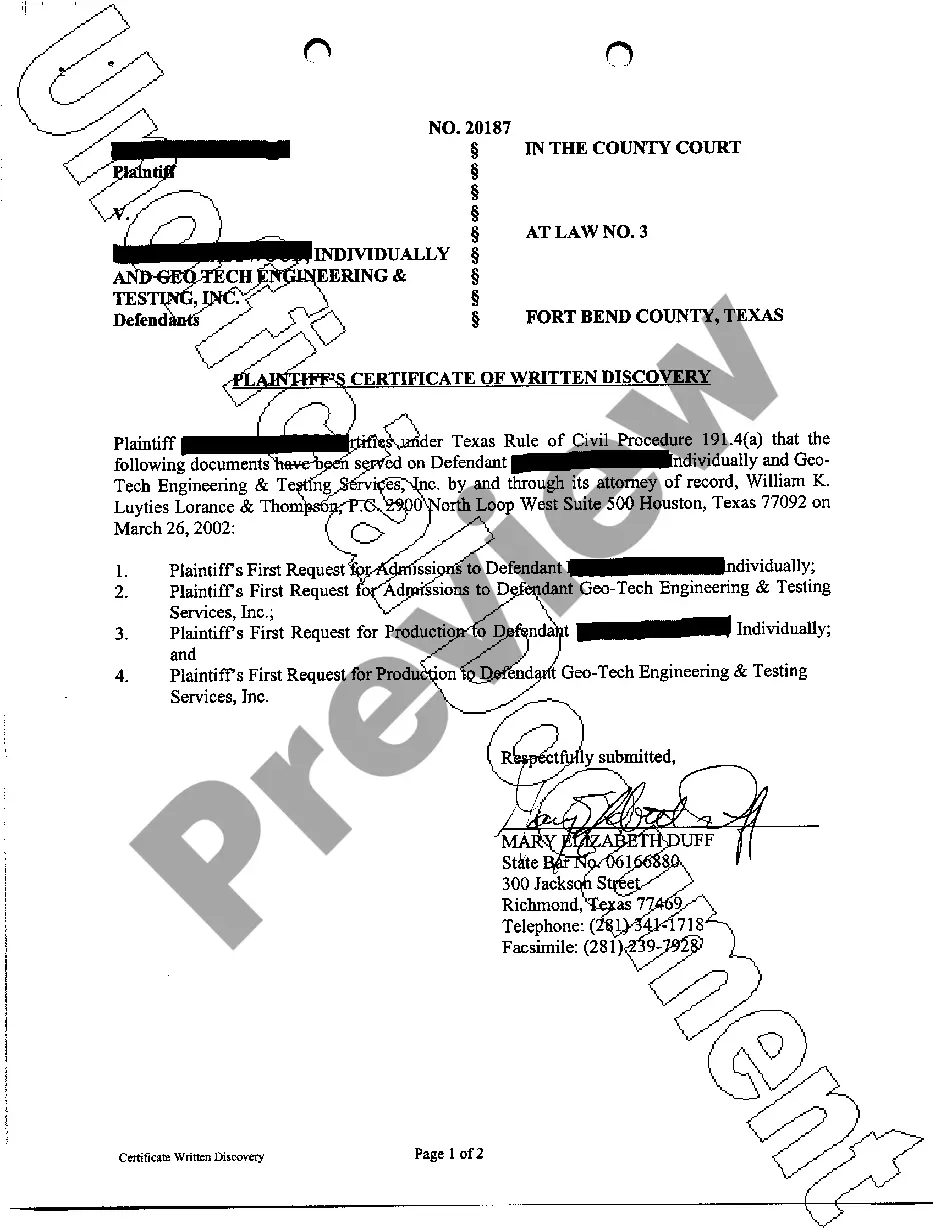
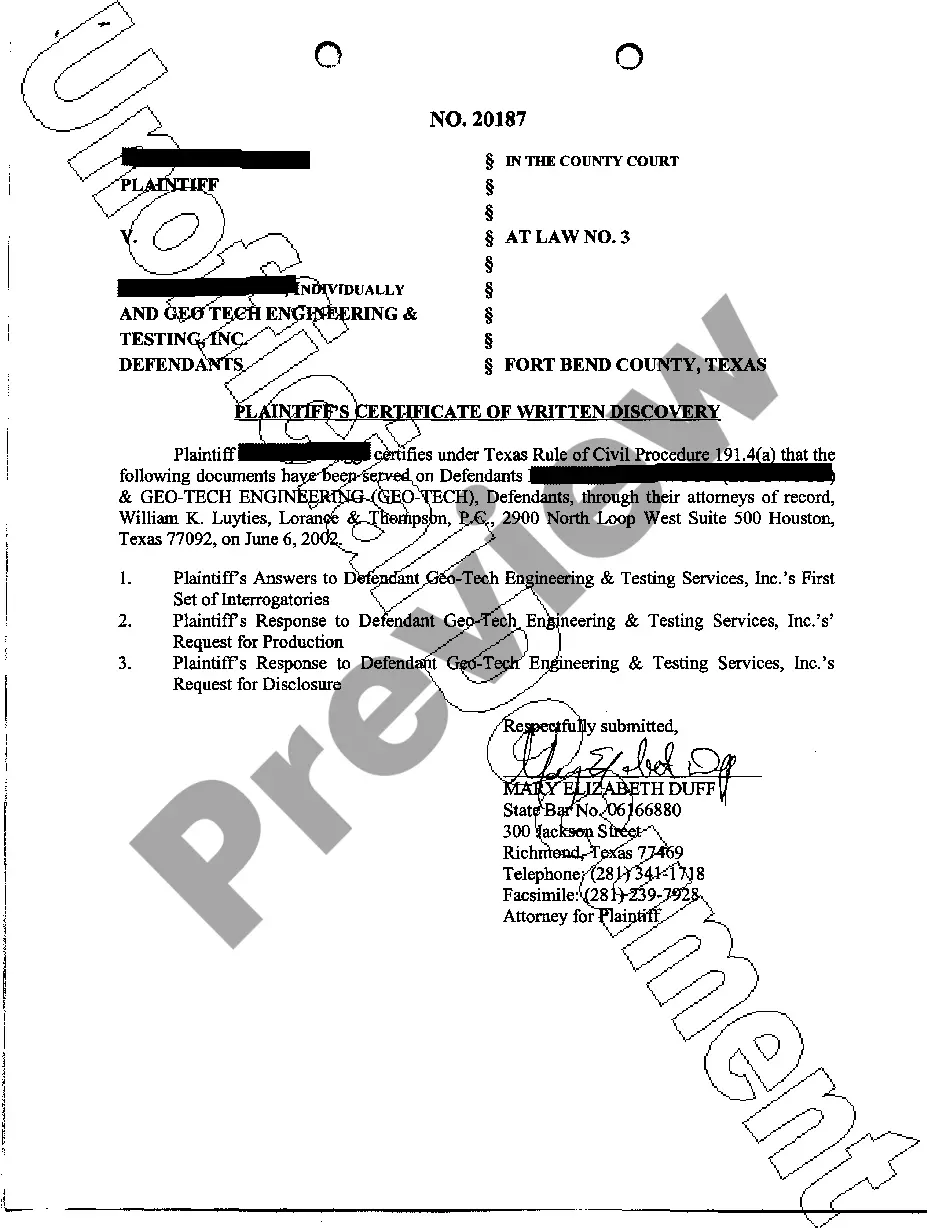
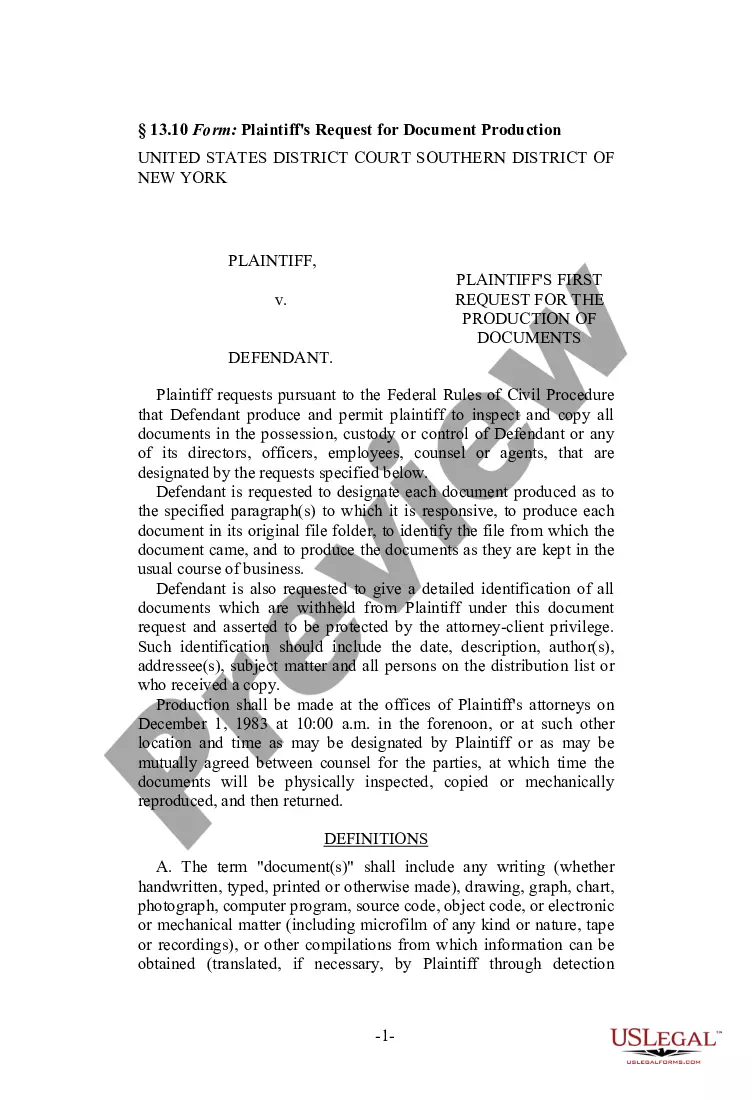





How to fill out Texas Plaintiff's Request For Discovery?
If you are looking for a legitimate document, it’s unfeasible to select a more suitable platform than the US Legal Forms website – one of the most extensive collections online.
With this collection, you can discover thousands of document examples for business and personal purposes by categories and jurisdictions, or keywords.
With our superior search capability, locating the latest Harris Texas Plaintiff's Request for Discovery is as straightforward as 1-2-3.
Receive the document. Select the format and download it to your device.
Make modifications. Complete, edit, print, and sign the obtained Harris Texas Plaintiff's Request for Discovery.
- If you are already familiar with our platform and have an active account, all you need to obtain the Harris Texas Plaintiff's Request for Discovery is to Log In to your account and click the Download button.
- If you are using US Legal Forms for the first time, simply follow the instructions provided below.
- Ensure you have located the document you desire. Review its details and use the Preview feature to examine its content. If it doesn’t satisfy your requirements, utilize the Search feature at the top of the page to find the necessary document.
- Confirm your choice. Click the Buy now button. Then, choose your preferred pricing plan and enter details to create an account.
- Complete the transaction. Use your credit card or PayPal account to finalize the registration process.
Form popularity
FAQ
A party must respond to written discovery in writing within the time provided by court order or these rules. When responding to written discovery, a party must make a complete response, based on all information reasonably available to the responding party or its attorney at the time the response is made.
Under new Rule 190.3, discovery begins when initial disclosures are due (as opposed to when suit is filed under the old rules) and continues until: 30 days before the trial date in Family Code cases; or. In other cases, the earlier of. 30 days before the trial date, or. Nine months after initial disclosures are due.
Motion for Sanctions ? If the court issues an order compelling discovery, and the party fails to comply with that order, then the court may sanction the party in numerous ways such as refusing to let in the party's evidence at trial, dismissing their lawsuit, or striking their defense to a lawsuit, and imposing
What Is a Request for Production of Documents? A request for production is a discovery device used to gain access to documents, electronic data, and physical items held by an opposing party in a legal matter. The aim is to gain insight into any relevant evidence that the opposing party holds.
Except as exempted by Rule 194.2(d) or as otherwise agreed by the parties or ordered by the court, a party must, without awaiting a discovery request, provide to the other parties the information or material described in Rule 194.2, 194.3, and 194.4. Production.
Amended Rule 190.2(b) ends the discovery period 180 days after the date the first discovery request is served; imposes a fifteen limit maximum on interrogatories, requests for production, and requests for admission; and allows for additional disclosures.
Discovery is the process of gathering and exchanging evidence for a court case from the other side. Both sides must follow strict requirements when turning over and asking for evidence. You can read the discovery requirements in section 9(b) of the Texas Rules of Civil Procedure.
If they produce documents which prove not to be producible under R. 7-1(1), they may be guilty of breaching their client's confidence; yet if they decline to produce they may breach their duty as officer of the court.