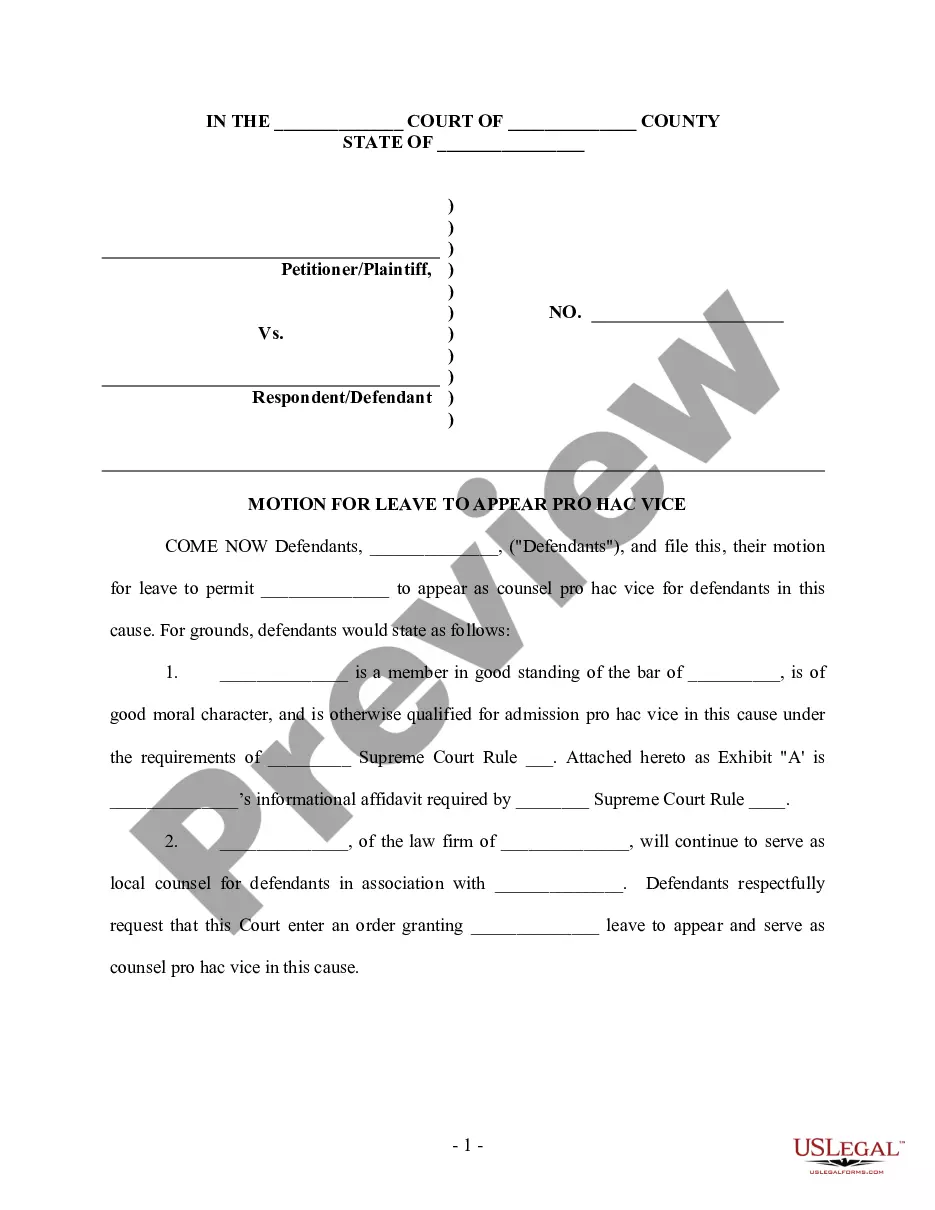
Harris Texas Motion for Admission Pro hac vice
Description
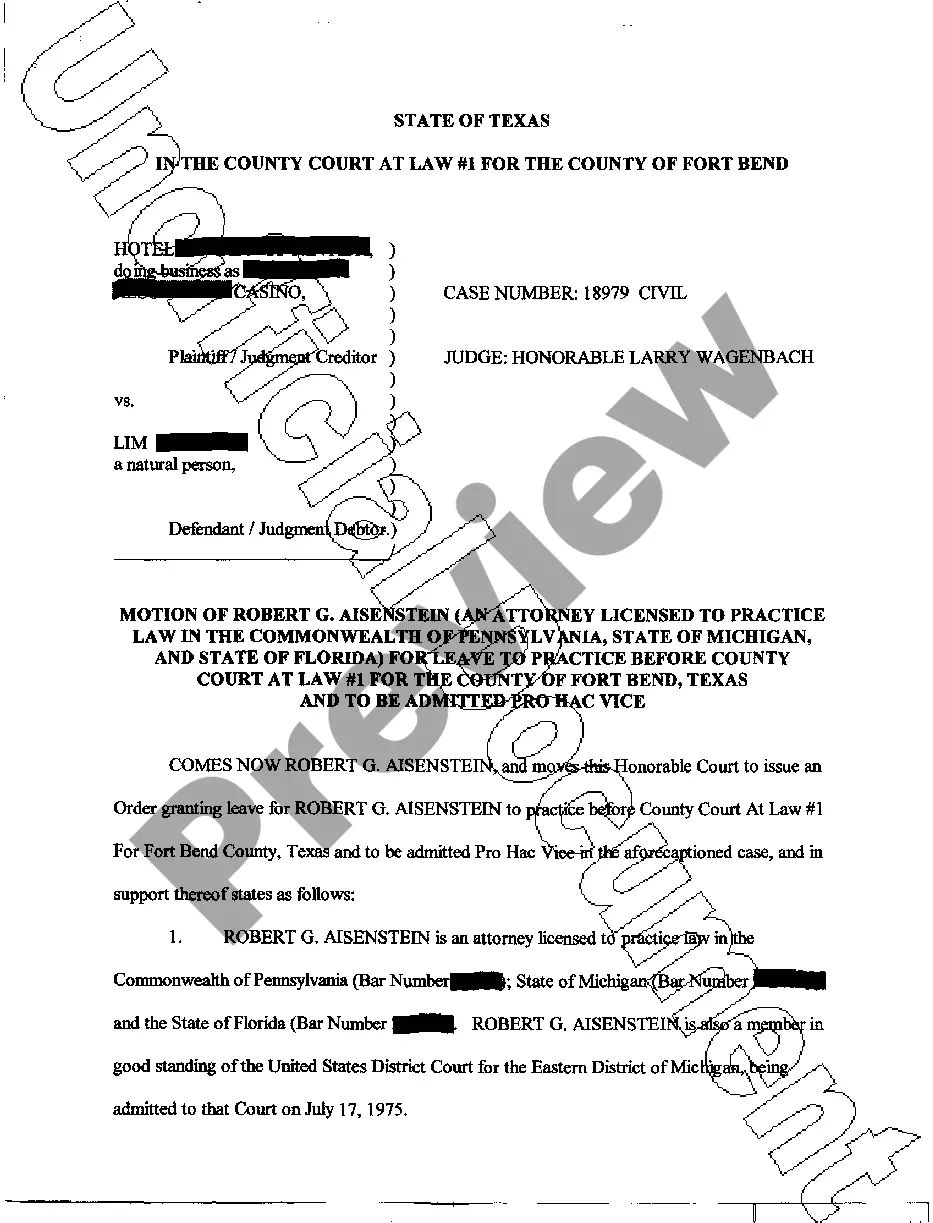
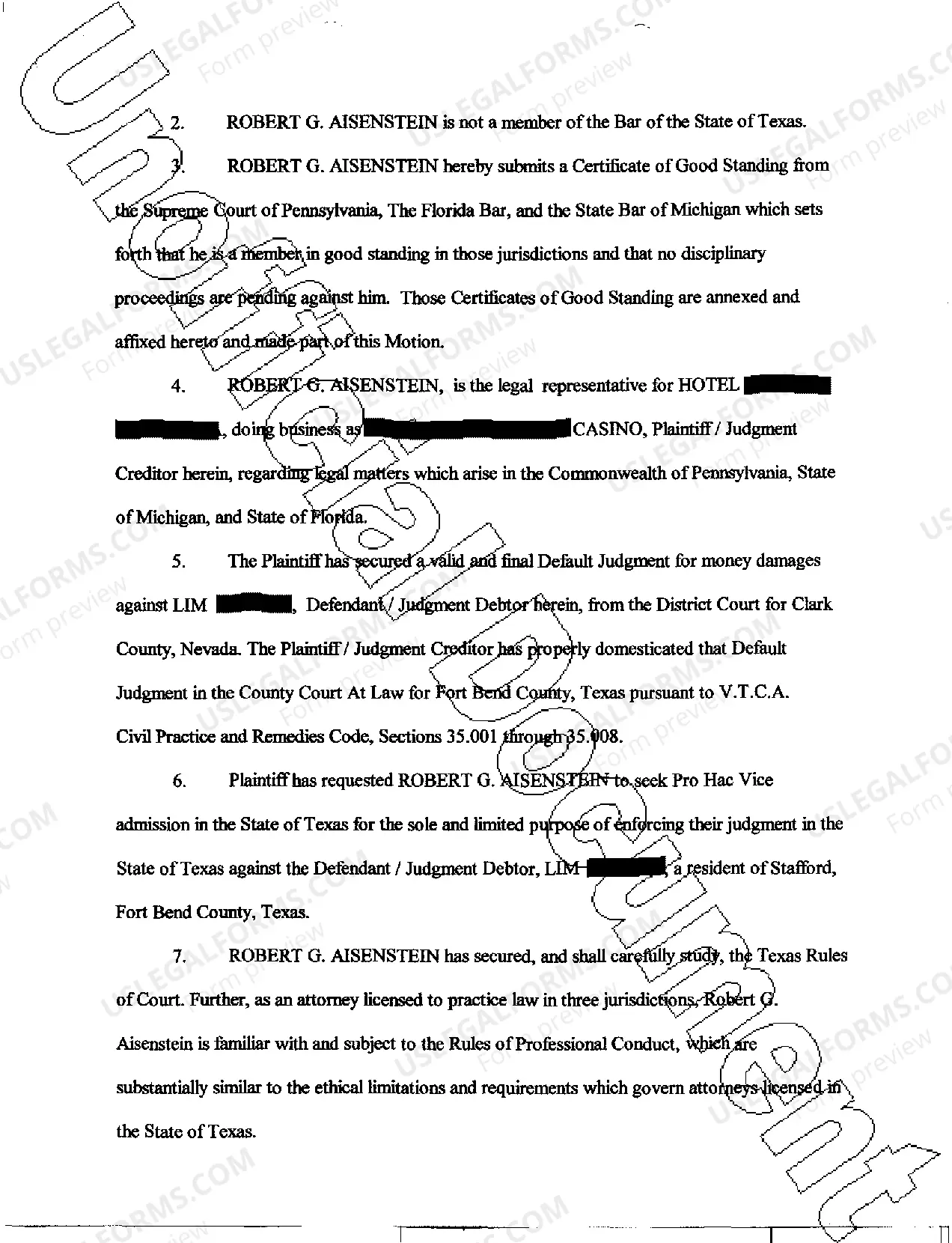
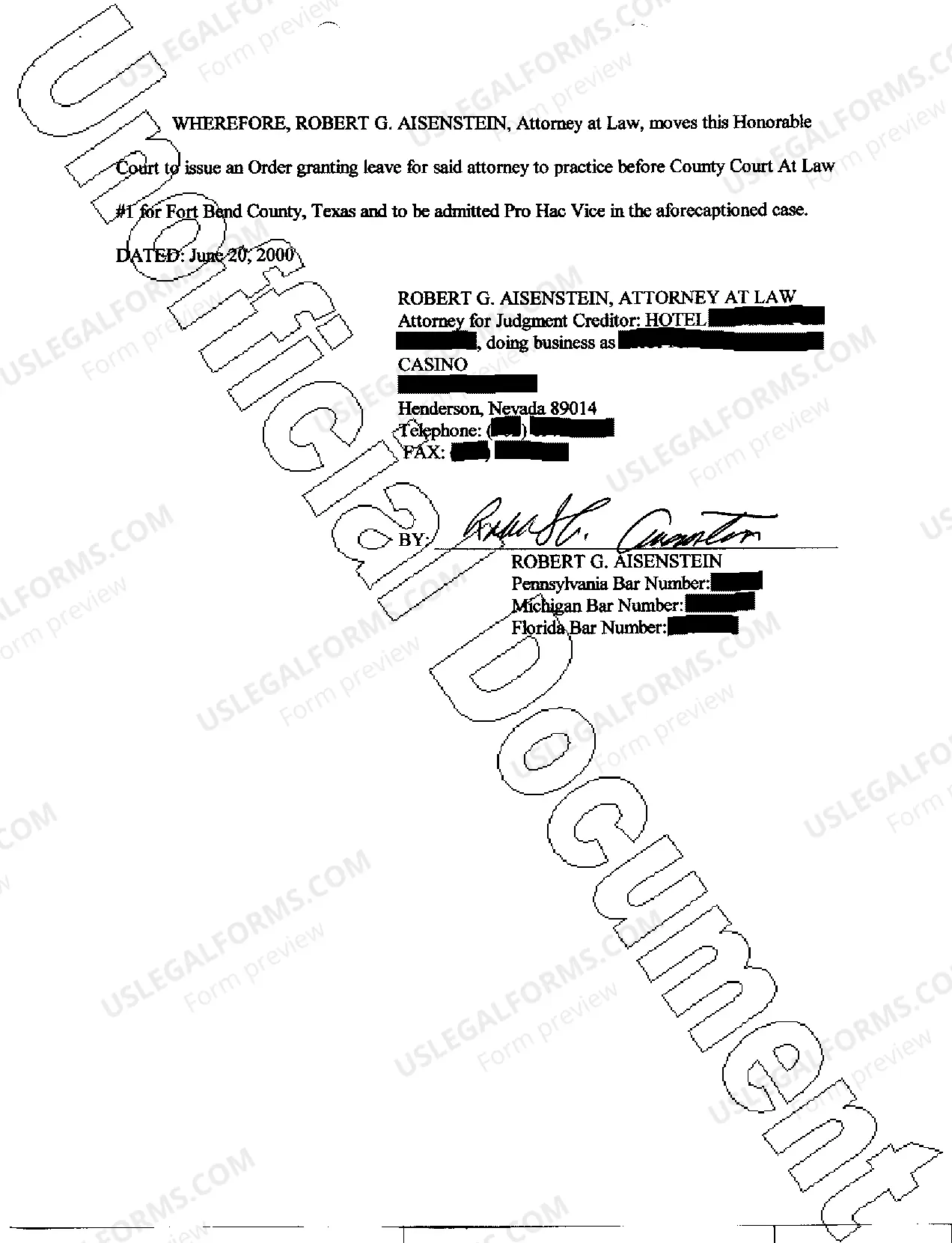
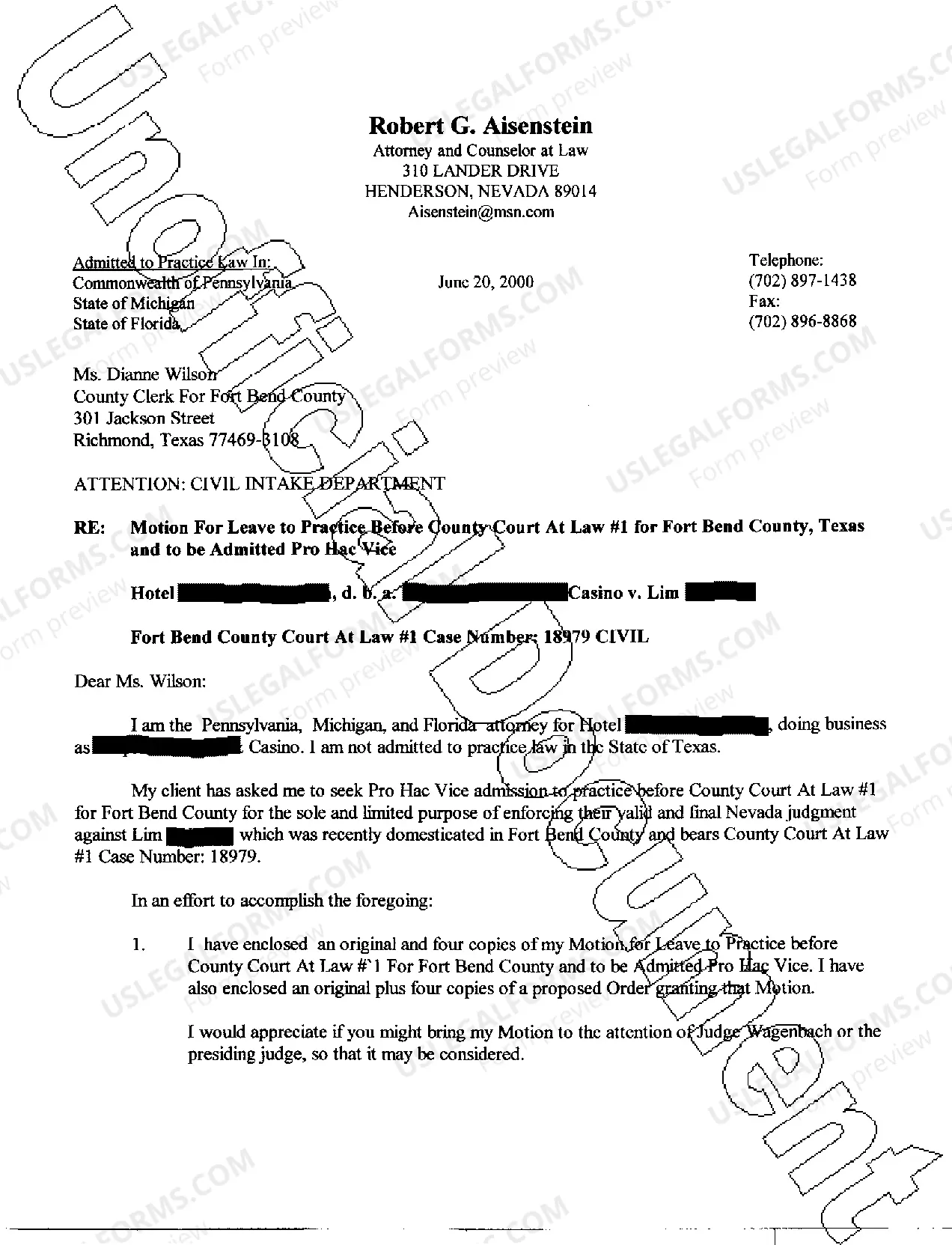

How to fill out Texas Motion For Admission Pro Hac Vice?
Gain from the US Legal Forms and receive immediate access to any form template you desire.
Our advantageous website with numerous document templates streamlines the process to discover and acquire virtually any document sample you need.
You can download, complete, and sign the Harris Texas Motion for Admission Pro hac vice in merely a few minutes instead of browsing the internet for many hours to find the correct template.
Using our catalog is an excellent method to enhance the security of your form filing. Our experienced attorneys frequently review all documents to confirm that the templates are pertinent to a specific area and adhere to new laws and regulations.
Initiate the saving process. Click Buy Now and select the pricing plan you wish. Then, register for an account and pay for your order using a credit card or PayPal.
Download the document. Specify the format to acquire the Harris Texas Motion for Admission Pro hac vice and adjust, complete, or sign it based on your requirements.
- How can you obtain the Harris Texas Motion for Admission Pro hac vice.
- If you have a subscription, simply Log In to your account. The Download option will be available on all the samples you review.
- Furthermore, you can access all your previously saved documents in the My documents menu.
- If you do not have an account yet, follow the instructions below.
- Visit the page with the template you need. Ensure that it is the template you were looking for: check its title and description, and utilize the Preview feature when it is accessible. Otherwise, use the Search box to find the suitable one.
Form popularity
FAQ
Yes, pro hac vice is indeed a motion that an attorney files to gain temporary permission to practice in a different jurisdiction for a particular case. This request is made to the court and is essential for ensuring that the attorney can represent their client legally. The Harris Texas Motion for Admission Pro hac vice is a key aspect of this process, allowing clients to benefit from diverse legal counsel.
To represent a client on pro hac vice bases means that an attorney is granted temporary permission to practice law in a specific case outside their home jurisdiction. This arrangement allows for specialized legal support while complying with state regulations. The Harris Texas Motion for Admission Pro hac vice exemplifies the process, ensuring both attorney and client are protected under state law.
Pro hac vice refers to the permission given to an out-of-state attorney to participate in a specific legal matter within a jurisdiction. This process typically requires the attorney to file a motion, like the Harris Texas Motion for Admission Pro hac vice, allowing them to bring their expertise into a new context. This designation helps maintain the integrity of legal proceedings while enhancing access to competent representation.
A pro hac vice attorney can issue a subpoena in the states where they have been admitted for a case. However, they may need to work in conjunction with local counsel who is licensed to ensure compliance with local rules. The Harris Texas Motion for Admission Pro hac vice facilitates this process, allowing clients to secure the representation they need.
In the Utah State Bar, a pro hac vice authorization permits an out-of-state attorney to represent a client in a specific case. The attorney must file a motion, similar to the Harris Texas Motion for Admission Pro hac vice, and usually require the signature of a local attorney as well. This process allows for the integration of legal expertise into Utah courts, providing clients with enhanced representation.
The Supreme Court rule for pro hac vice in Illinois allows an attorney licensed in another state to appear in a specific case. To do this, the attorney must file a motion, which is referred to as the Harris Texas Motion for Admission Pro hac vice. This process ensures that attorneys meet state standards and provides oversight for court proceedings.
In Harris County, a motion to compel refers to a formal request made to the court to enforce compliance with discovery rules or court orders. This motion can be associated with matters like the Harris Texas Motion for Admission Pro hac vice, where legal representatives seek to ensure all parties adhere to procedural norms. Understanding this process can help streamline your legal strategy and improve case outcomes.
A motion to compel may be denied for various reasons, such as a lack of sufficient evidence or if the court finds the discovery request to be overly broad or irrelevant. For issues surrounding the Harris Texas Motion for Admission Pro hac vice, it’s important to clearly outline the necessity of the information requested. If the motion does not clearly articulate this need, the court may decide against it.
The burden of a motion to compel lies with the party filing the motion. They must demonstrate that the other party has failed to comply with the discovery request or court order. In cases involving the Harris Texas Motion for Admission Pro hac vice, this means showing how the lack of cooperation hinders the legal process, emphasizing the need for compliance to move forward.
A motion to compel serves the purpose of urging the court to force a party to comply with a discovery request or comply with a prior court order. In the context of the Harris Texas Motion for Admission Pro hac vice, this motion can be critical for ensuring that all relevant evidence is presented for the court's review. Failing to comply can affect case outcomes, making this a vital tool in legal proceedings.