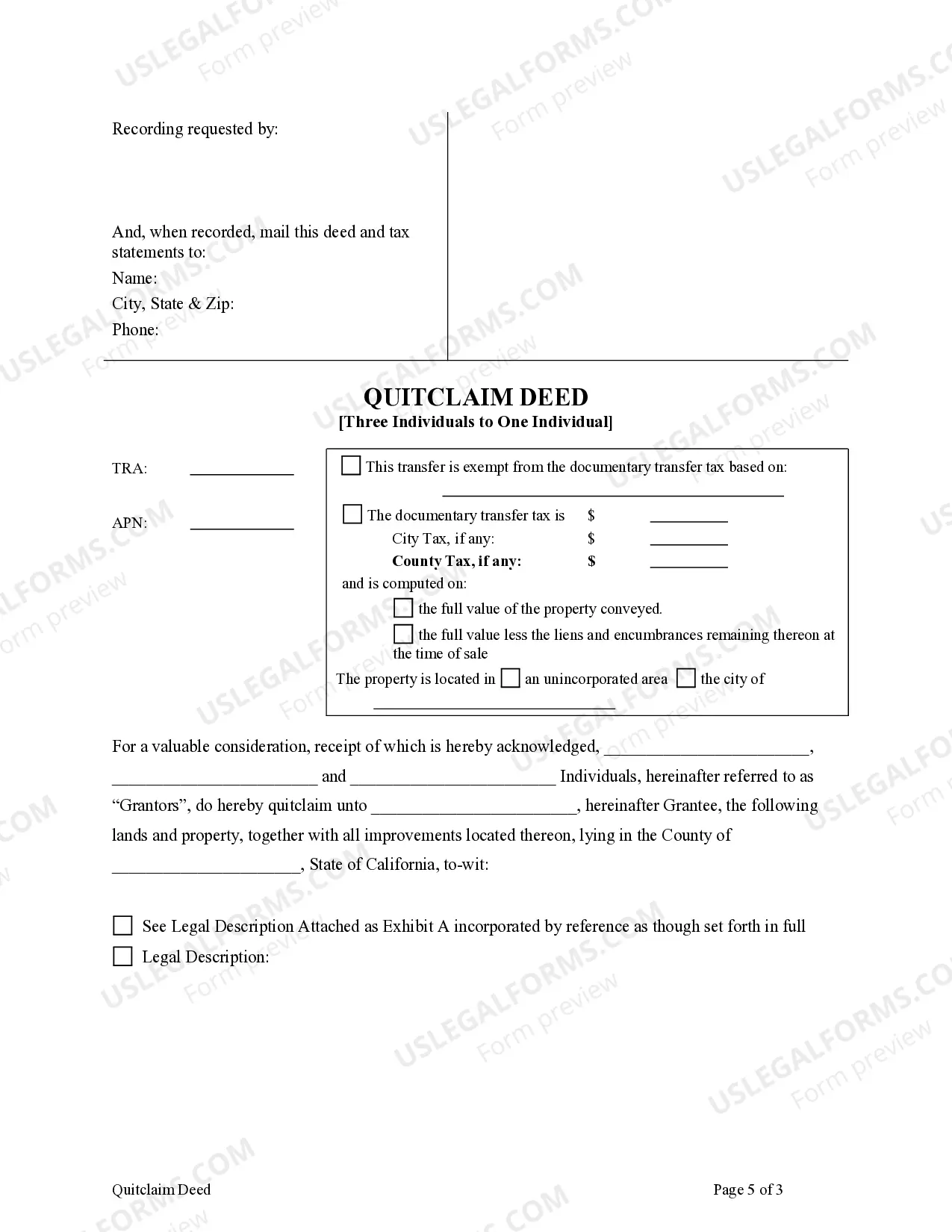
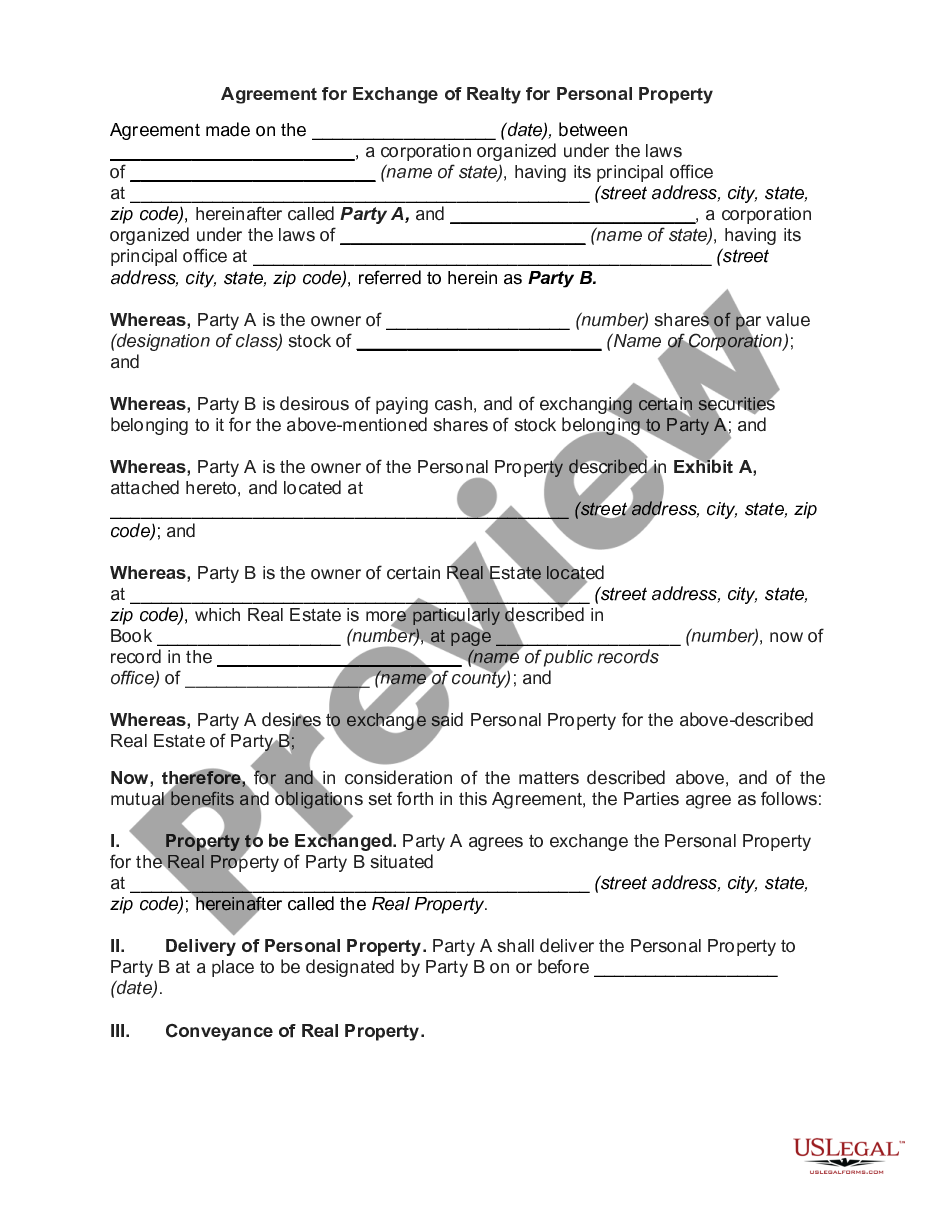
This form is a Quitclaim Deed where the grantors are three individuals and the grantee is an individual. Grantors convey and quitclaim the described property to grantee. This deed complies with all state statutory laws.
Long Beach California Quitclaim Deed - Three Individuals to One Individual
Category:
State:
California
City:
Long Beach
Control #:
CA-028-77
Format:
Word;
Rich Text
Instant download
Description
Free preview
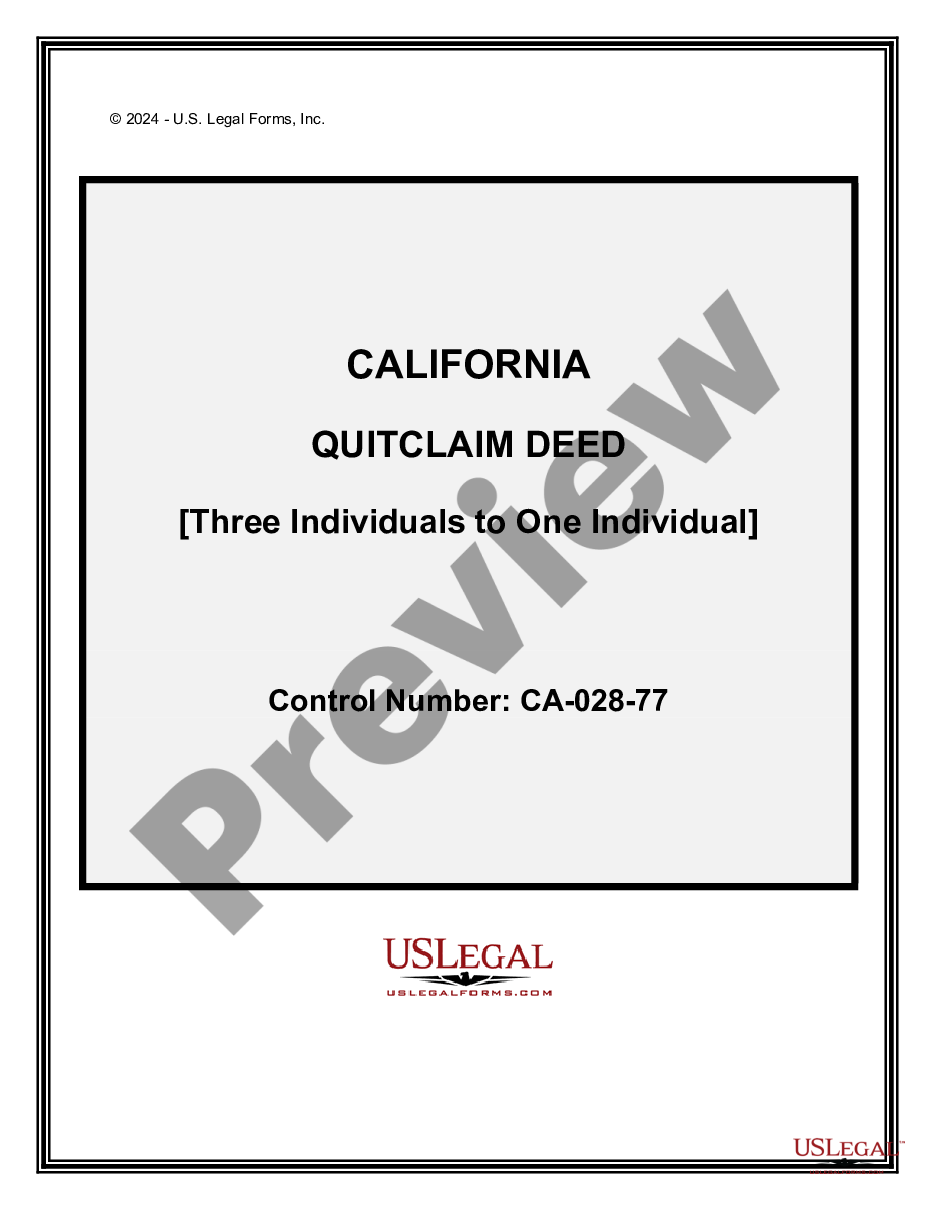
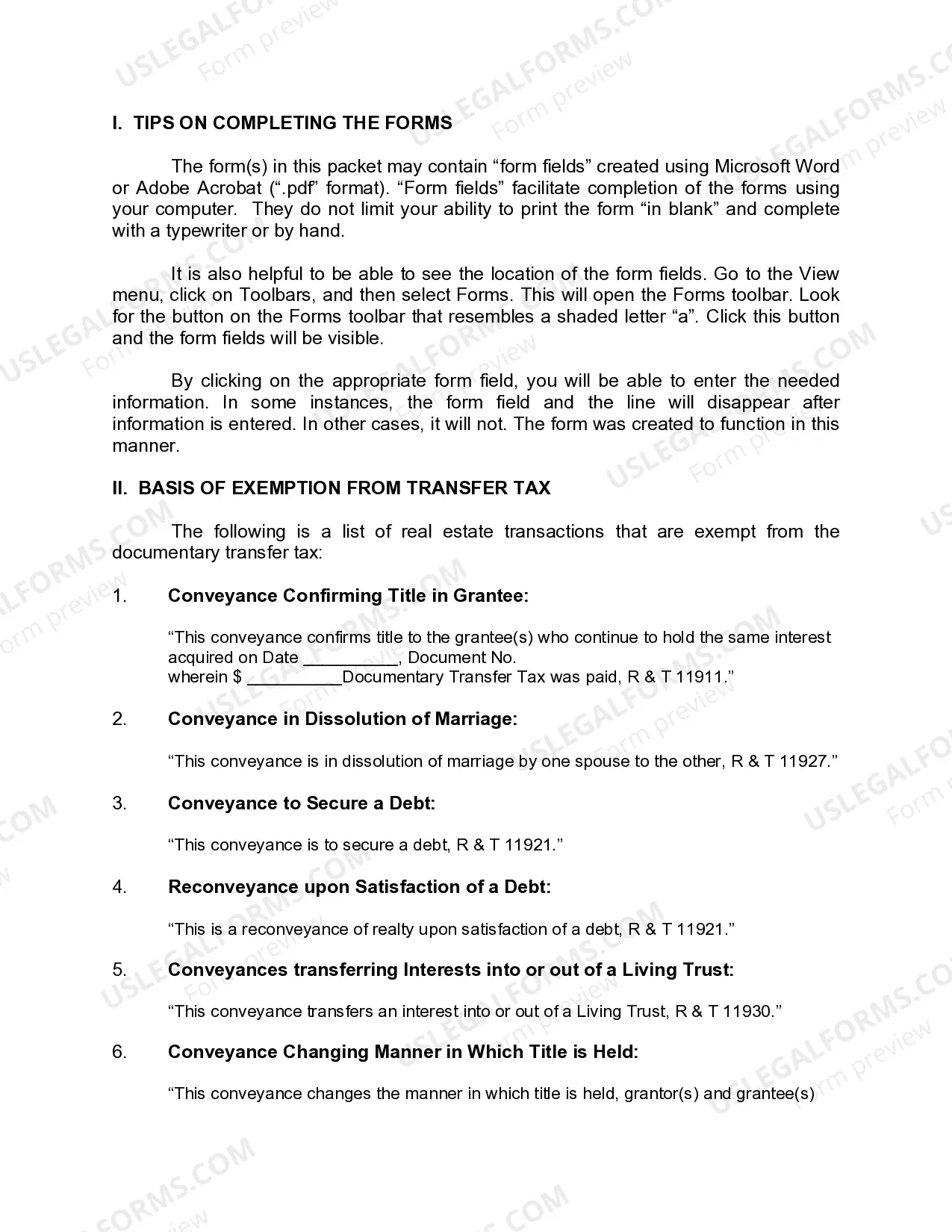
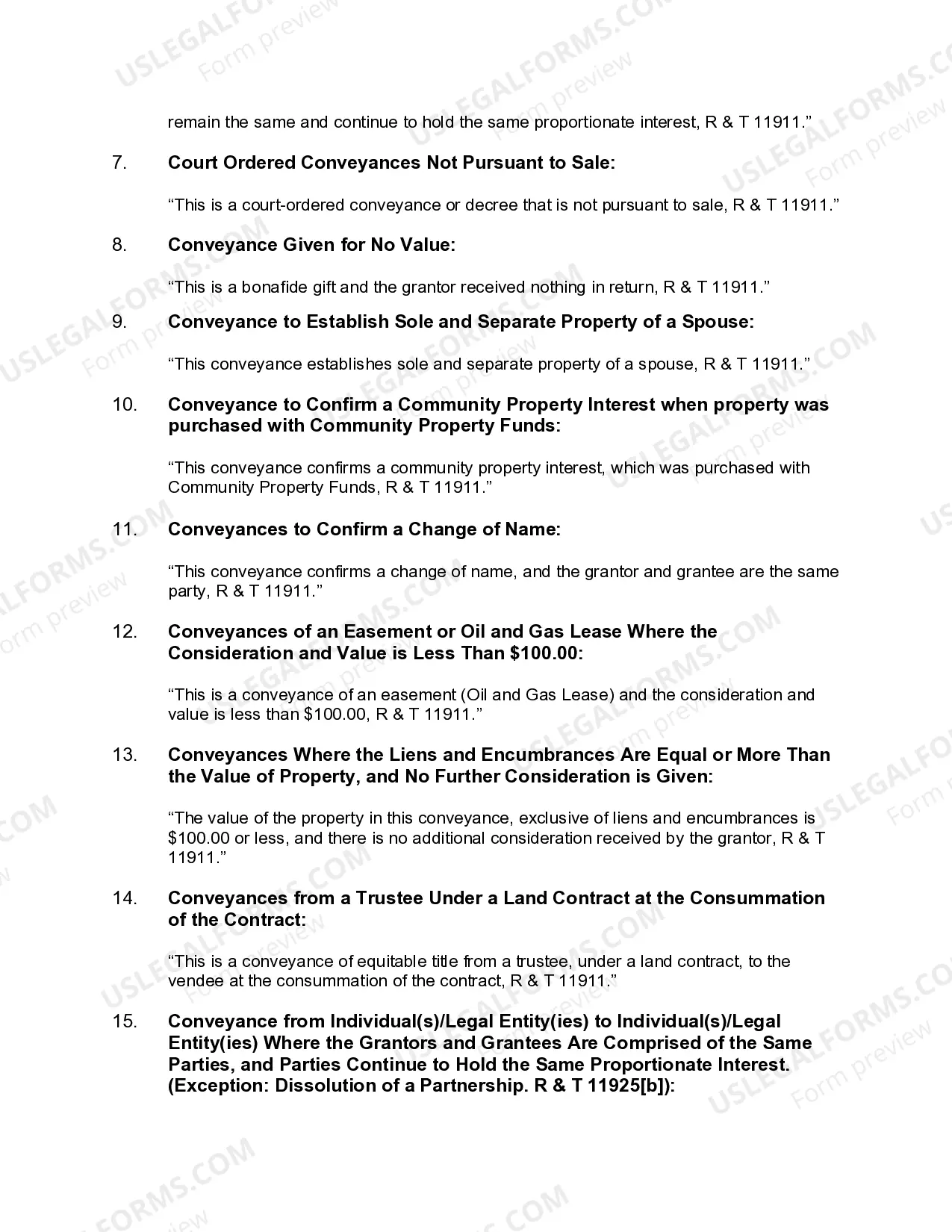







How to fill out California Quitclaim Deed - Three Individuals To One Individual?
We consistently endeavor to reduce or avert legal harm when managing intricate legal or financial matters.
To achieve this, we enlist legal services that are generally quite expensive.
Nonetheless, not every legal concern is as merely complicated.
The majority of them can be handled independently by ourselves.
Utilize US Legal Forms whenever you need to obtain and download the Long Beach California Quitclaim Deed - Three Individuals to One Individual or any other document promptly and securely.
- US Legal Forms is an online repository of current DIY legal templates covering everything from wills and powers of attorney to articles of incorporation and petitions for dissolution.
- Our collection enables you to take control of your matters without needing to consult an attorney.
- We offer access to legal document templates that are not always accessible to the public.
- Our templates are specific to states and regions, greatly simplifying the search process.
Form popularity
FAQ
You'll need to transfer an interest by writing up another deed with the person's name on it. In California, you can use either a grant deed, a quitclaim deed or an interspousal deed, depending on your circumstances. Each one has its own requirements and works best in different circumstances.
Adding a name to the deeds Equity transfer is not just about removing a name from the deeds. It also includes adding a name. For example, parents may want to add their children to the deeds of the family home. When someone marries their partner, they may want to add them to the deeds of the property they already owned.
Adding a family member to the deed as a joint owner for no consideration is considered a gift of 50% of the property's fair market value for tax purposes. If the value of the gift exceeds the annual exclusion limit ($16,000 for 2022) the donor will need to file a gift tax return (via Form 709) to report the transfer.
You can arrange to legally transfer the deed to your house to your children before you die. To do so, you sign a deed transfer and record it with the county recorder's office. There are a few types of deeds that accomplish this in California, including a quitclaim deed, grant deed and transfer on death deed.
By completing a quit claim deed, the owner quits his interest in the home. Obtain a quit claim deed.Fill in the names.Copy the legal description from the current deed.Fill in the tax assessor's parcel number space located near the top of the deed.Insert special clauses.
You can own real estate in California with two or more people. Your property deed lists all the different owners' names and how they hold title.
The easiest way to grant your spouse title to your home is via a quitclaim deed (Californians generally use an interspousal grant deed). With a quitclaim deed, you can name your spouse as the property's joint owner. The quitclaim deed must include the property's description, including its boundary lines.
?Adding someone to a deed? means transferring ownership to that person. The transfer of ownership can occur during life (with a regular quitclaim deed, for example) or at death (using a lady bird deed, transfer-on-death-deed, or life estate deed).
A deed of conveyance is the most common way to remove a name from a property deed and its chain of title. A deed of conveyance, or transfer, is given by the owner leaving a property's deed and title to the remaining owners of that property. Two common deeds of conveyance are warranty deeds and quitclaim deeds.
The only way to forcibly change the ownership status is through a legal action and the resultant court order. However, if an owner chooses to be removed from the deed, it is simply a matter of preparing a new deed transferring that owner's interest in the property.