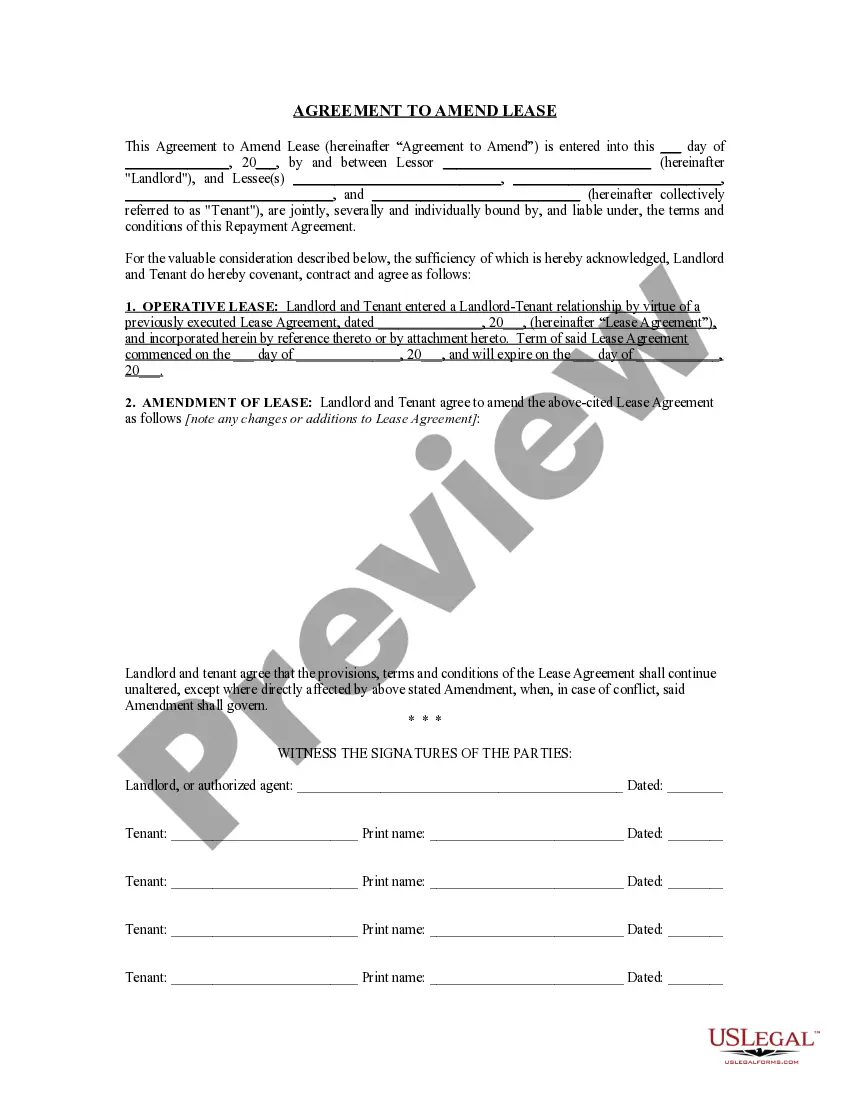
Louisiana Amendment of Residential Lease
Understanding this form
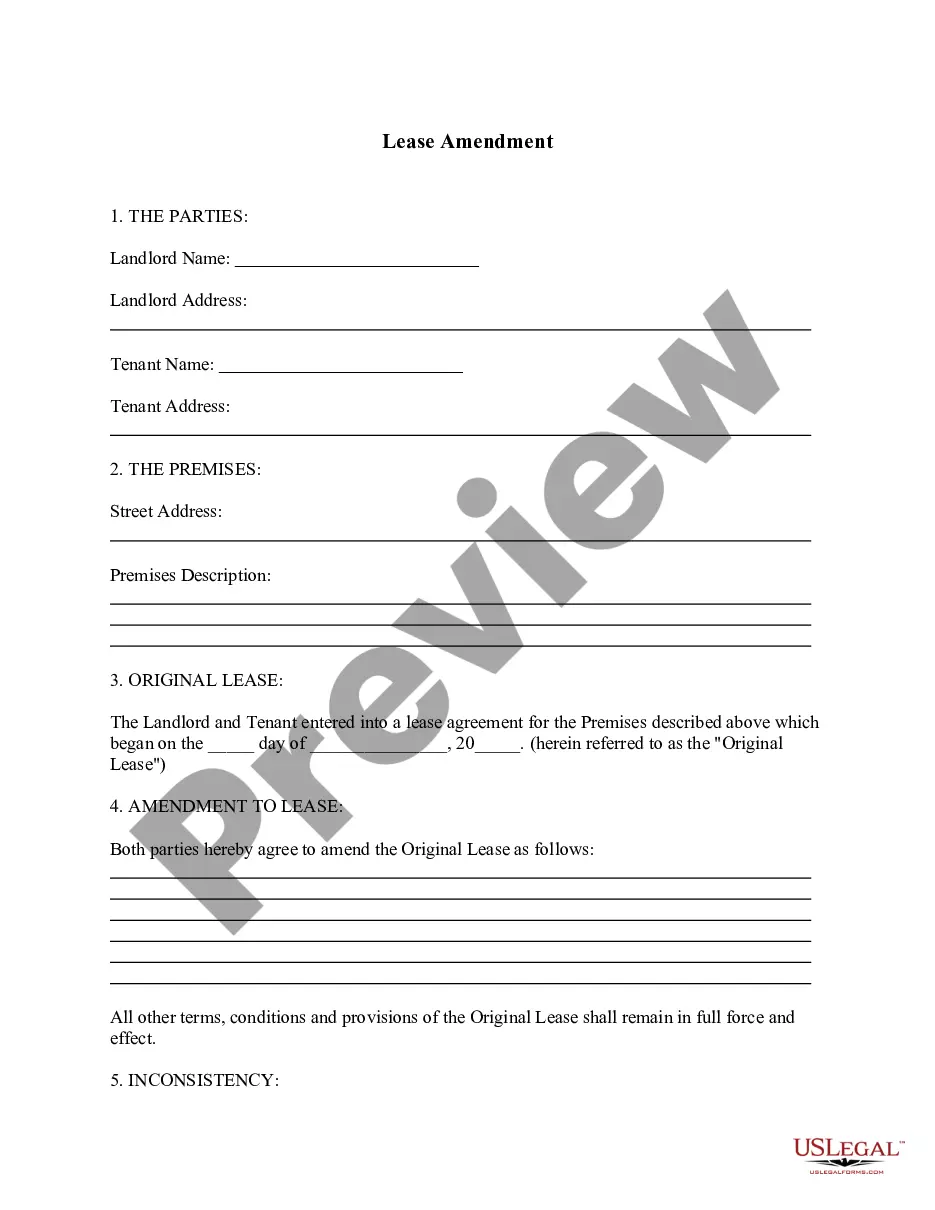
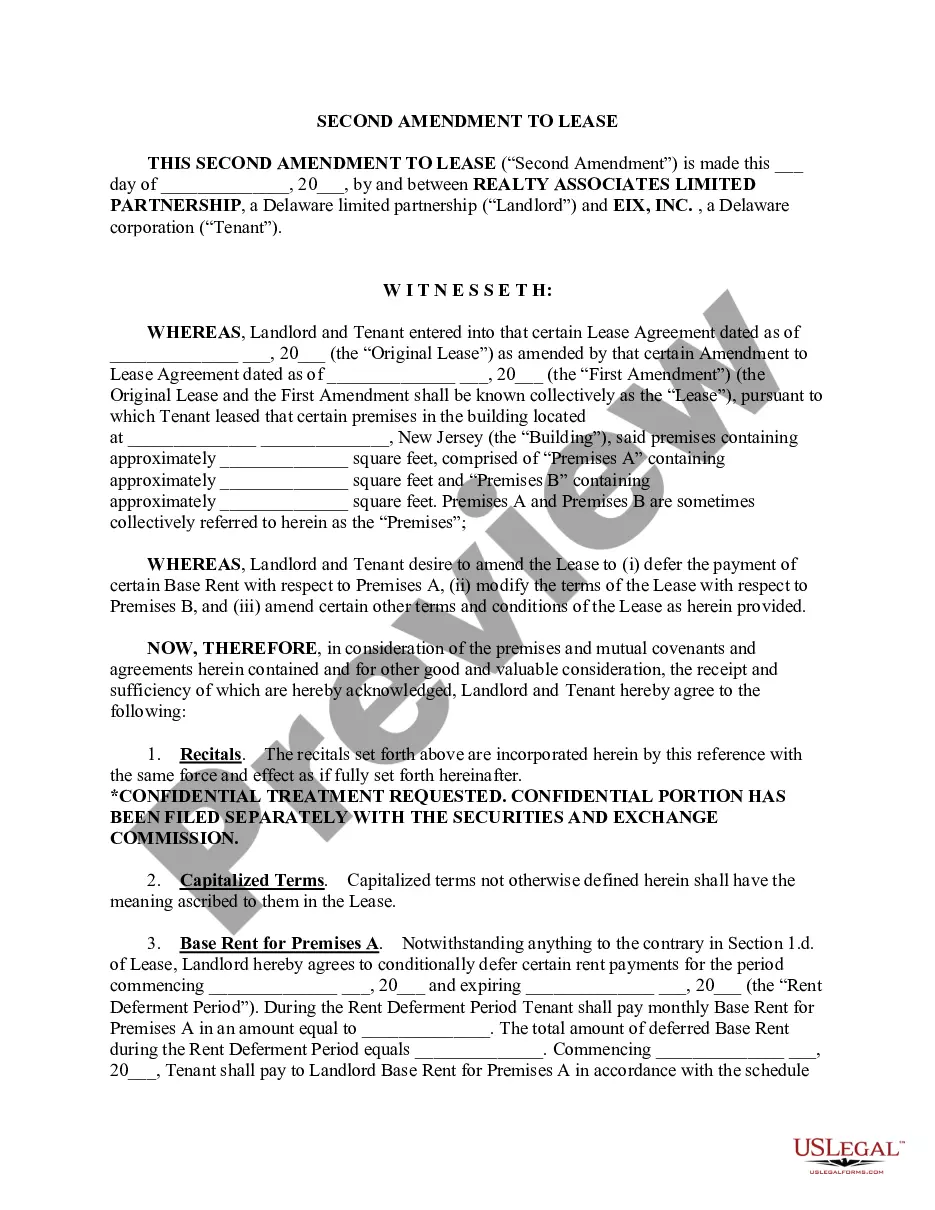
The Amendment of Residential Lease is a legal document that allows landlords and tenants to modify their existing lease agreement. This form is crucial for implementing changes such as revising terms, adjusting rent, or extending the lease duration while ensuring compliance with state laws. Utilizing this form helps prevent misunderstandings and keeps both parties aligned regarding their rights and responsibilities under the lease.
Main sections of this form
- Details of the parties involved, including the landlord and tenants.
- A reference to the original lease agreement, ensuring clarity of changes made.
- Specific amendments to terms such as rent, lease duration, and additional provisions.
- Signatures of all parties to confirm agreement to the modifications.
When to use this document
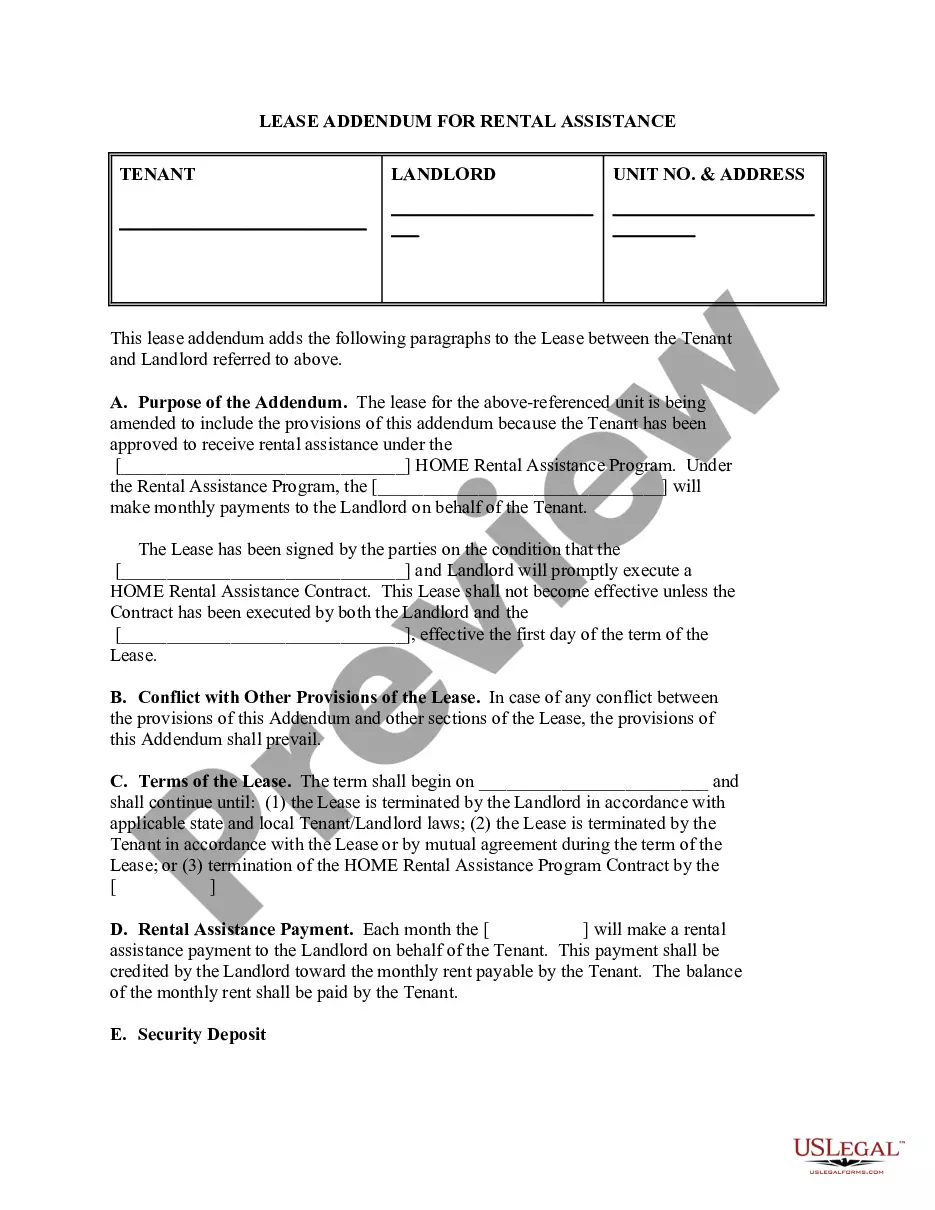
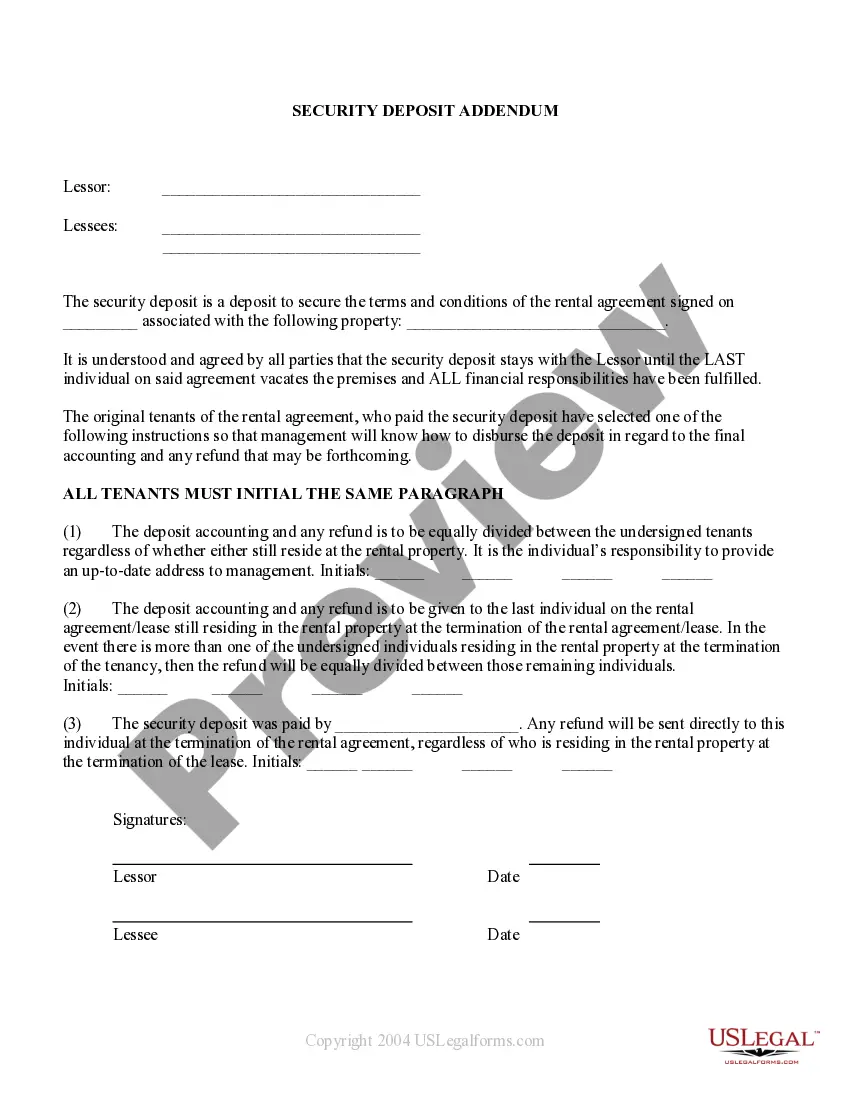
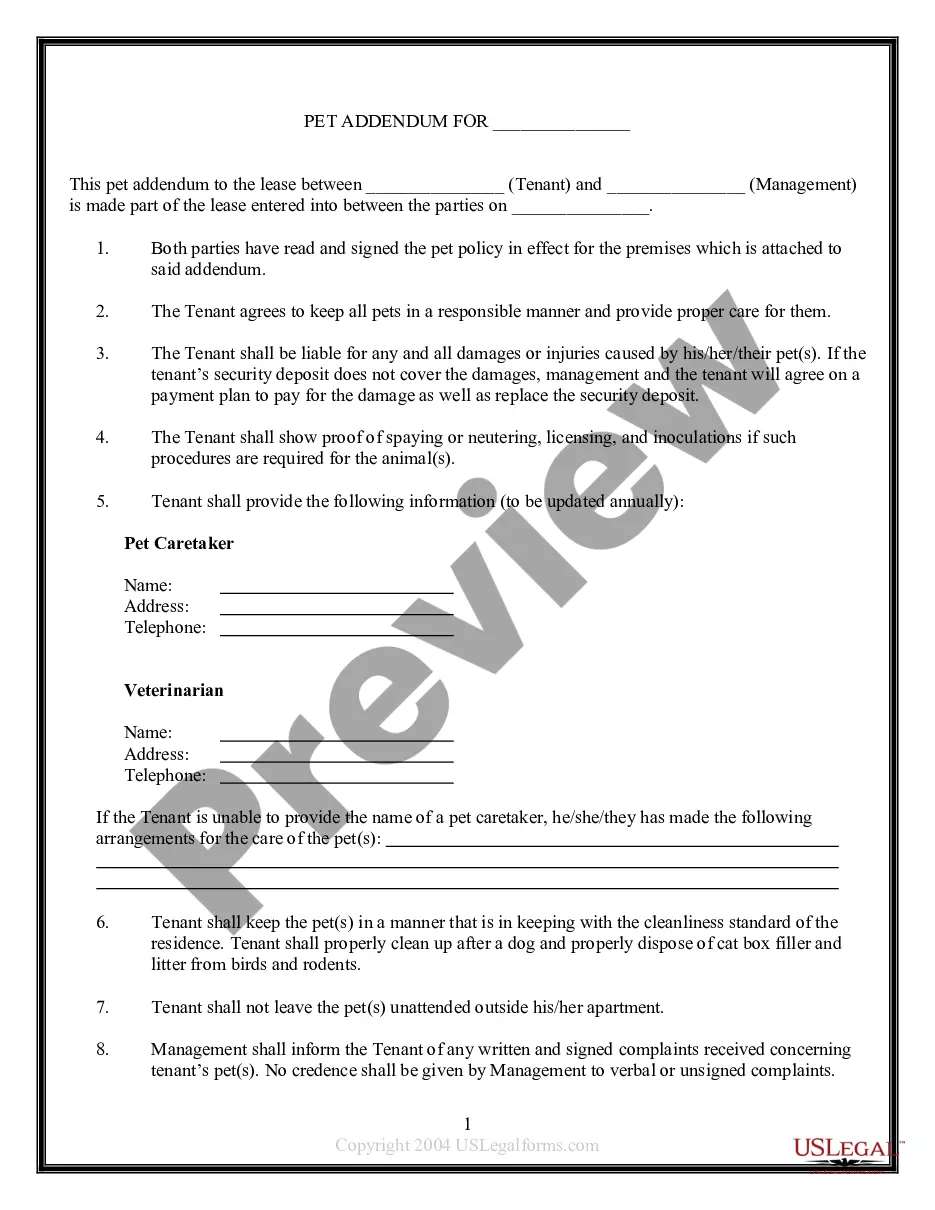
This form should be used in situations where either the landlord or the tenants need to change specific terms of the existing lease. For example, this may arise when a tenant requires an extension of their lease term, or when the landlord wishes to increase rent due to market conditions. Furthermore, any addition of new tenants or changes in responsibilities for maintenance can also necessitate this amendment.
Intended users of this form
This form is intended for:
- Landlords who need to update lease agreements with their tenants.
- Tenants who wish to negotiate changes to their lease terms.
- Both parties involved in commercial or residential rental agreements requiring formal modifications.
Steps to complete this form
- Identify and fill in the names of the landlord and tenants involved.
- Enter the date and details of the original lease agreement for reference.
- Specify the exact terms you wish to amend, such as rent changes or lease duration.
- Ensure all parties sign and date the amendment to attest to the changes.
Is notarization required?
This form does not typically require notarization to be legally valid. However, some jurisdictions or document types may still require it. US Legal Forms provides secure online notarization powered by Notarize, available 24/7 for added convenience.
Get your form ready online
Our built-in tools help you complete, sign, share, and store your documents in one place.
Make edits, fill in missing information, and update formatting in US Legal Forms—just like you would in MS Word.
Download a copy, print it, send it by email, or mail it via USPS—whatever works best for your next step.
Sign and collect signatures with our SignNow integration. Send to multiple recipients, set reminders, and more. Go Premium to unlock E-Sign.
If this form requires notarization, complete it online through a secure video call—no need to meet a notary in person or wait for an appointment.
We protect your documents and personal data by following strict security and privacy standards.

Make edits, fill in missing information, and update formatting in US Legal Forms—just like you would in MS Word.

Download a copy, print it, send it by email, or mail it via USPS—whatever works best for your next step.

Sign and collect signatures with our SignNow integration. Send to multiple recipients, set reminders, and more. Go Premium to unlock E-Sign.

If this form requires notarization, complete it online through a secure video call—no need to meet a notary in person or wait for an appointment.

We protect your documents and personal data by following strict security and privacy standards.
Mistakes to watch out for
- Not referencing the original lease agreement correctly.
- Failing to have all parties sign the document.
- Overlooking state-specific regulations that may apply to lease amendments.
Advantages of online completion
- Easy access to professionally drafted templates that ensure legal compliance.
- Ability to customize the form to suit specific terms agreed upon by both parties.
- Immediate download for quick implementation of lease changes.
Looking for another form?





Form popularity
FAQ
A contract addendum cannot be legally enforced unless both parties fully understand the new terms and agree to them in writing. All parties who signed the original contract must also sign the addendum; if one or more parties are unavailable, they can appoint agents who have the authority to sign on their behalf.
An addendum must include the basic elements of any landlord/tenant agreement. You should include the date, the address of the rental property and the names of each party just as you would in the original lease.
Tenants have no obligation to sign addenda presented to them after signing the original lease. Let's say the lease was signed in March, but the landlord creates an addendum in June.After the term expires, the landlord can require tenants to sign any addenda before a rental agreement is valid.
Changing the tenancy agreement A tenancy agreement can normally only be changed if both you and your landlord agree. If you both agree, the change should be recorded in writing, either by drawing up a new written document setting out the terms of the tenancy or by amending the existing written tenancy agreement.
A lease and addendum are esentially the same thing, 'the lease'. The addendum is part of the lease, it does not stand on it's own. If the lease and addendum say different things, but one does not supercede the other, it's ambigious, and the least restrictive clause stands.
Your landlord can change a rental agreement at any time during the term of the agreement, with or without your consent. Changes must be made with adequate notice; notice periods are 30 days in most states. Changing a lease is harder because both parties must consent to almost any change.
Changing the tenancy agreement A tenancy agreement can normally only be changed if both you and your landlord agree. If you both agree, the change should be recorded in writing, either by drawing up a new written document setting out the terms of the tenancy or by amending the existing written tenancy agreement.
Your tenancy agreement should say how much notice you need to give your landlord before you leave the property. You're responsible for paying rent for your entire fixed-term tenancy. You can move out early without paying rent for the full tenancy if: there is a break clause in your tenancy agreement.