Louisiana Warranty Deed from two Individuals to Corporation
What is this form?
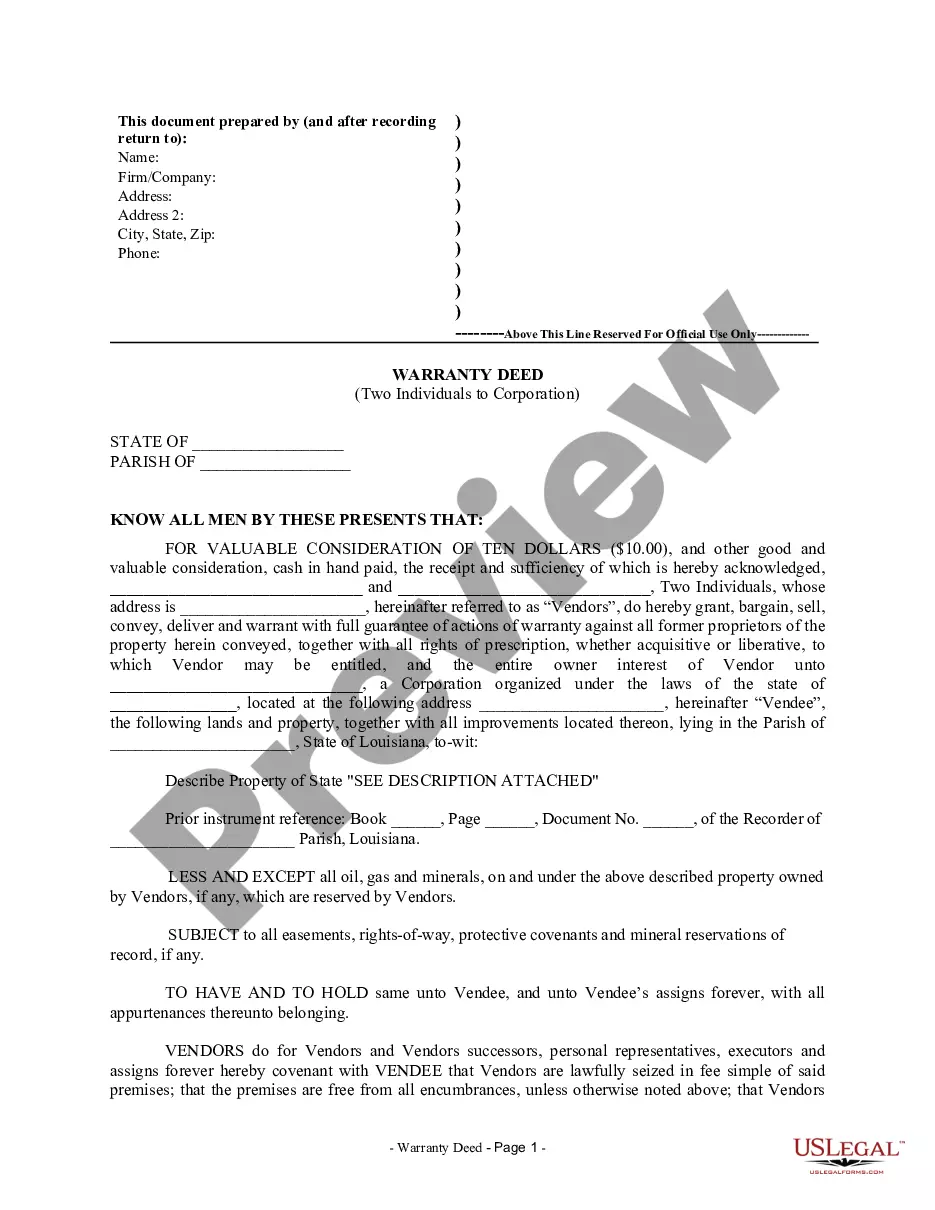
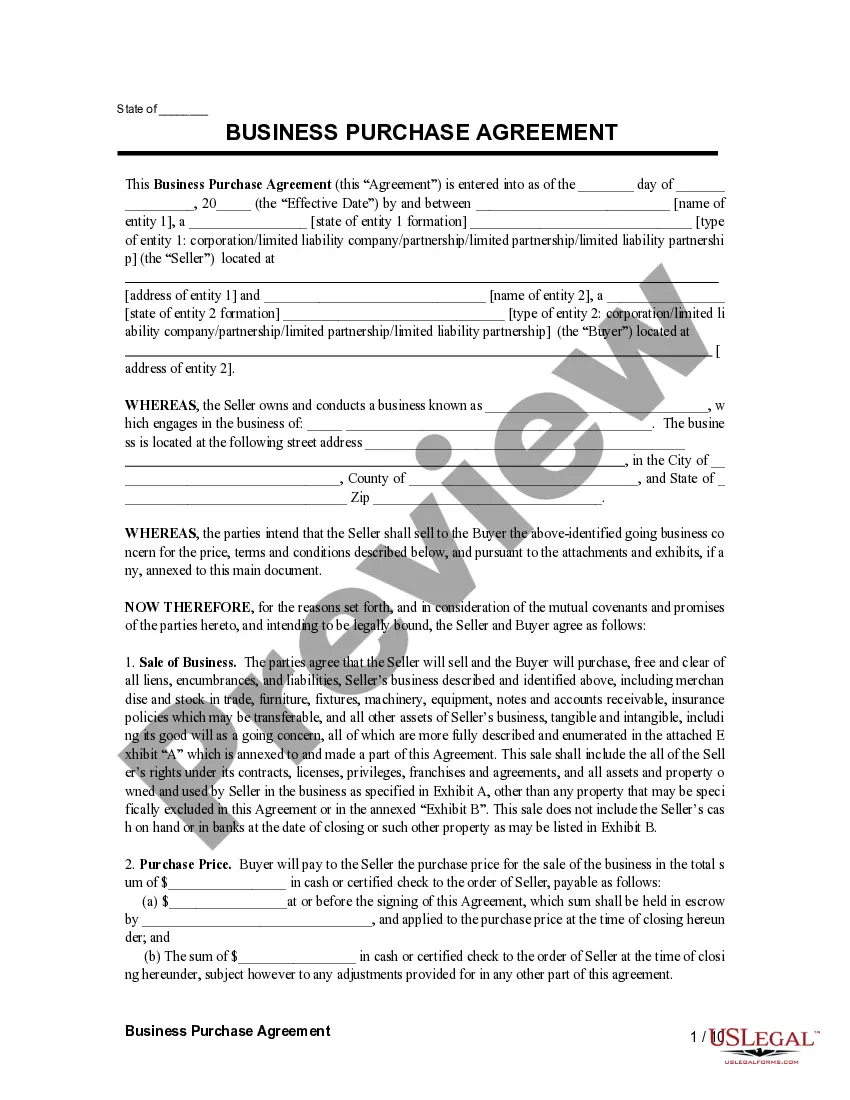
The Warranty Deed from two Individuals to Corporation is a legal document used to transfer ownership of real property from two individuals (the Grantors) to a corporation (the Grantee). This form ensures that the Grantors convey the property with a guarantee against claims made by previous owners. Unlike other property transfer documents, this warranty deed includes specific reservations for oil, gas, and minerals, which are excluded from the transfer.
Key parts of this document
- Identification of the Grantors (two individuals) and the Grantee (corporation).
- Description of the property being transferred, including its location.
- Statement of consideration received for the transaction.
- Warranties provided by the Grantors regarding title and encumbrances.
- Reservations of oil, gas, and mineral rights excluded from the transfer.
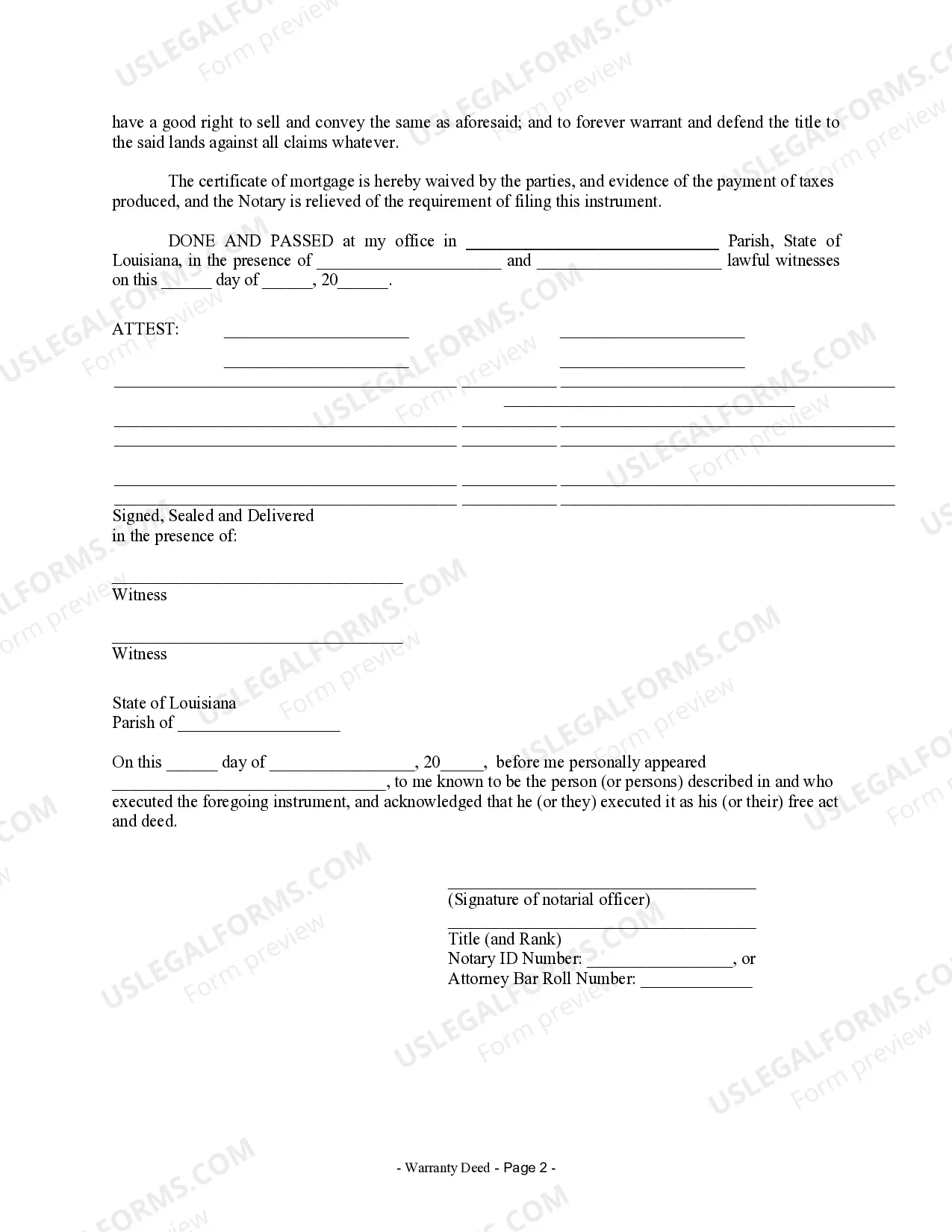
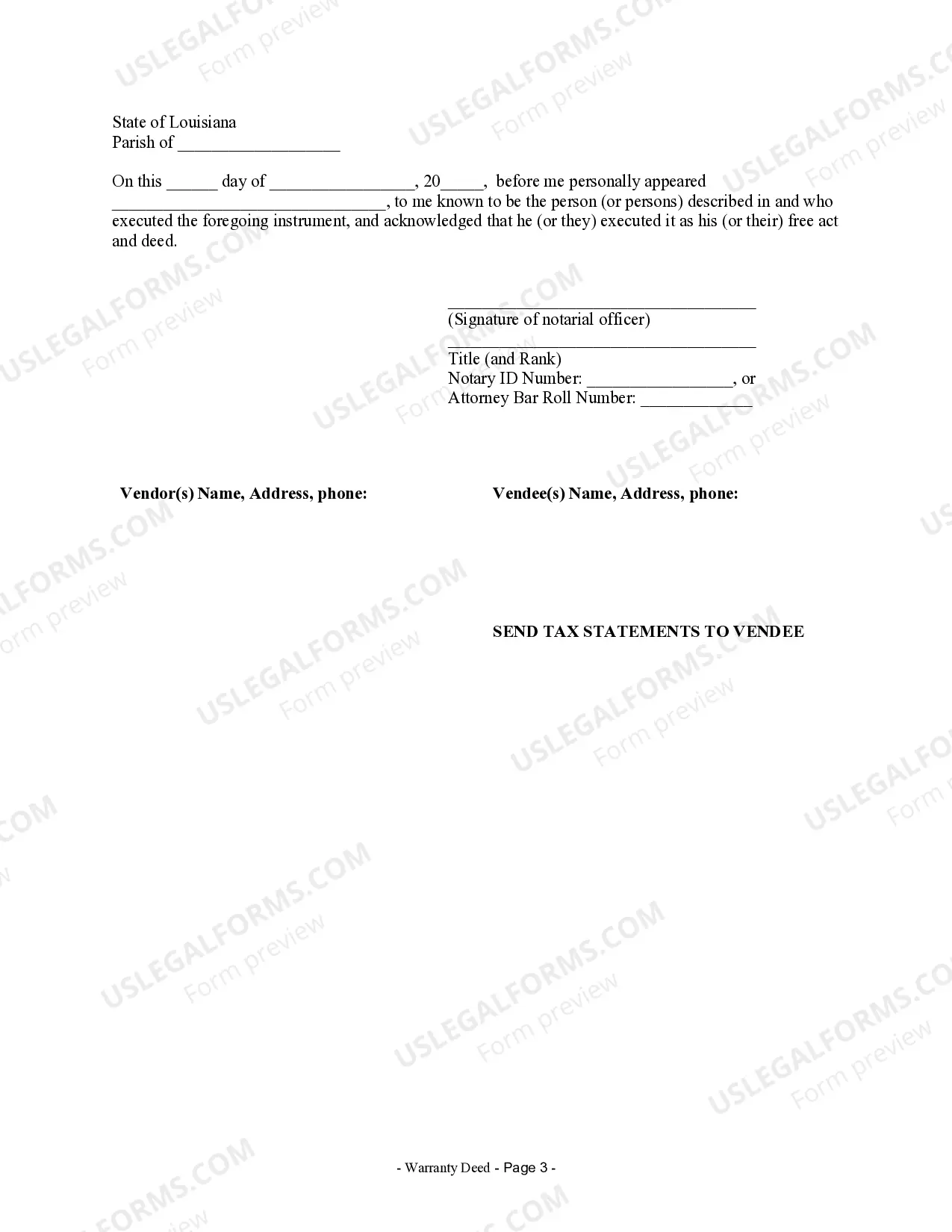
- Spaces for signature, witness, and notarization details.


Situations where this form applies
This form is typically used when two individuals want to transfer real estate they own to a corporation. It is appropriate in transactions where the property is being sold or gifted to a corporate entity, ensuring that the corporation receives clear title to the property and protecting it from claims regarding prior ownership.
Who can use this document
- Two individuals who are the current owners of a property and wish to transfer it to a corporation.
- Corporations looking to acquire real property from private individuals.
Instructions for completing this form
- Identify the Grantors by entering the names and addresses of the two individuals selling the property.
- Specify the Grantee by including the name of the corporation and its state of incorporation.
- Provide a detailed description of the property being transferred.
- Indicate the consideration amount, typically ten dollars, and any other valuable consideration.
- Have both Grantors sign the document in the presence of witnesses.
- Complete the notarization section with the notary public's details.
Does this document require notarization?
This form must be notarized to be legally valid. US Legal Forms provides secure online notarization powered by Notarize, allowing you to complete the process through a verified video call.
Get your form ready online
Our built-in tools help you complete, sign, share, and store your documents in one place.
Make edits, fill in missing information, and update formatting in US Legal Forms—just like you would in MS Word.
Download a copy, print it, send it by email, or mail it via USPS—whatever works best for your next step.
Sign and collect signatures with our SignNow integration. Send to multiple recipients, set reminders, and more. Go Premium to unlock E-Sign.
If this form requires notarization, complete it online through a secure video call—no need to meet a notary in person or wait for an appointment.
We protect your documents and personal data by following strict security and privacy standards.

Make edits, fill in missing information, and update formatting in US Legal Forms—just like you would in MS Word.

Download a copy, print it, send it by email, or mail it via USPS—whatever works best for your next step.

Sign and collect signatures with our SignNow integration. Send to multiple recipients, set reminders, and more. Go Premium to unlock E-Sign.

If this form requires notarization, complete it online through a secure video call—no need to meet a notary in person or wait for an appointment.

We protect your documents and personal data by following strict security and privacy standards.
Common mistakes
- Failing to accurately describe the property being transferred.
- Not including the necessary signatures from both Grantors.
- Skipping the witness and notarization requirements.
- Overlooking the reservation of oil, gas, and mineral rights.
Why complete this form online
- Easy access to legal document templates at any time.
- Edit and customize the form to fit specific transactions.
- Reliable documents crafted by licensed attorneys, ensuring legal compliance.
Looking for another form?




Form popularity
FAQ
The easiest way to grant your spouse title to your home is via a quitclaim deed (Californians generally use an interspousal grant deed). With a quitclaim deed, you can name your spouse as the property's joint owner. The quitclaim deed must include the property's description, including its boundary lines.
Contrary to normal expectations, the Deed DOES NOT have to be recorded to be effective or to show delivery, and because of that, the Deed DOES NOT have to be signed in front of a Notary Public. However, if you plan to record it, then it does have to be notarized as that is a County Recorder requirement.
Failure to record a deed effectively makes it impossible for the public to know about the transfer of a property. That means the legal owner of the property appears to be someone other than the buyer, a situation that can generate serious ramifications.
Yes you can. This is called a transfer of equity but you will need the permission of your lender. If you are not married or in a civil partnership you may wish to consider creating a deed of trust and a living together agreement which we can explain to you.
The name and address of the seller (called the grantor) The name and address of the buyer (called the grantee) A legal description of the property (found on the previous deed) A statement that the grantor is transferring the property to the grantee.
If you live in a common-law state, you can keep your spouse's name off the title the document that says who owns the property.You can put your spouse on the title without putting them on the mortgage; this would mean that they share ownership of the home but aren't legally responsible for making mortgage payments.
Special warranties allow the transfer of property title between seller and buyer. The purchase of title insurance can mitigate the risk of prior claims to the special warranty deed.
Before adding your spouse to the deed, speak with your attorney. The easiest way to grant your spouse title to your home is via a quitclaim deed (Californians generally use an interspousal grant deed). With a quitclaim deed, you can name your spouse as the property's joint owner.
The requirements for a valid deed are a grantor, a grantee, a writing and subscription, delivery, and acceptance.Thus, an unrecorded deed is valid as between the parties and as to all those who have notice thereof. (Cal.