What Is a Waiver of Lien Rights and How Does It Work?
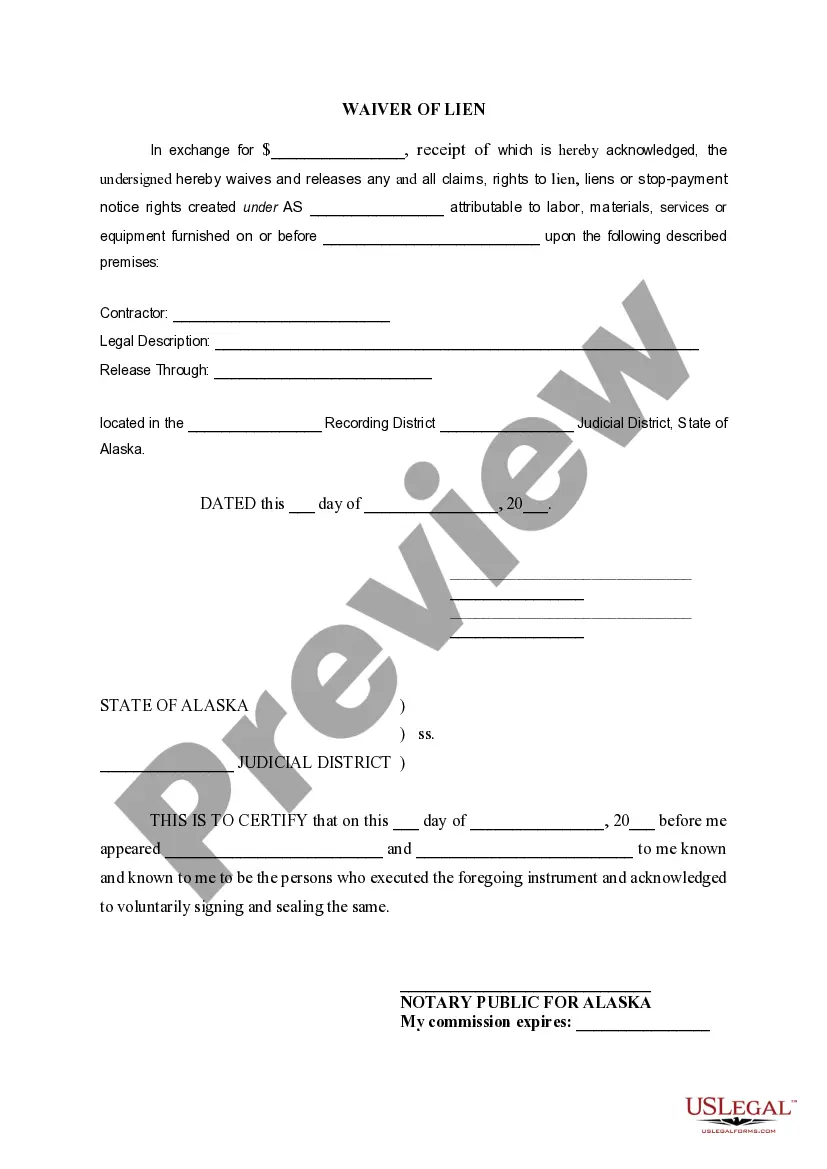
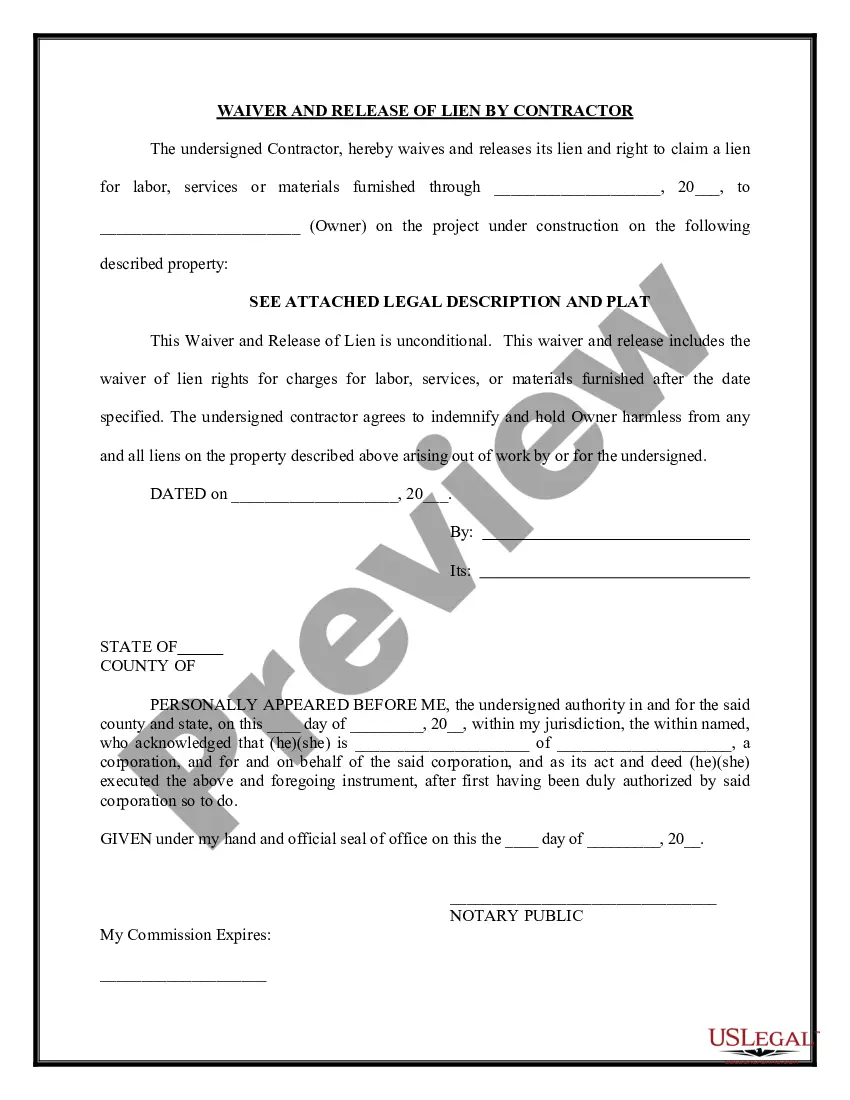
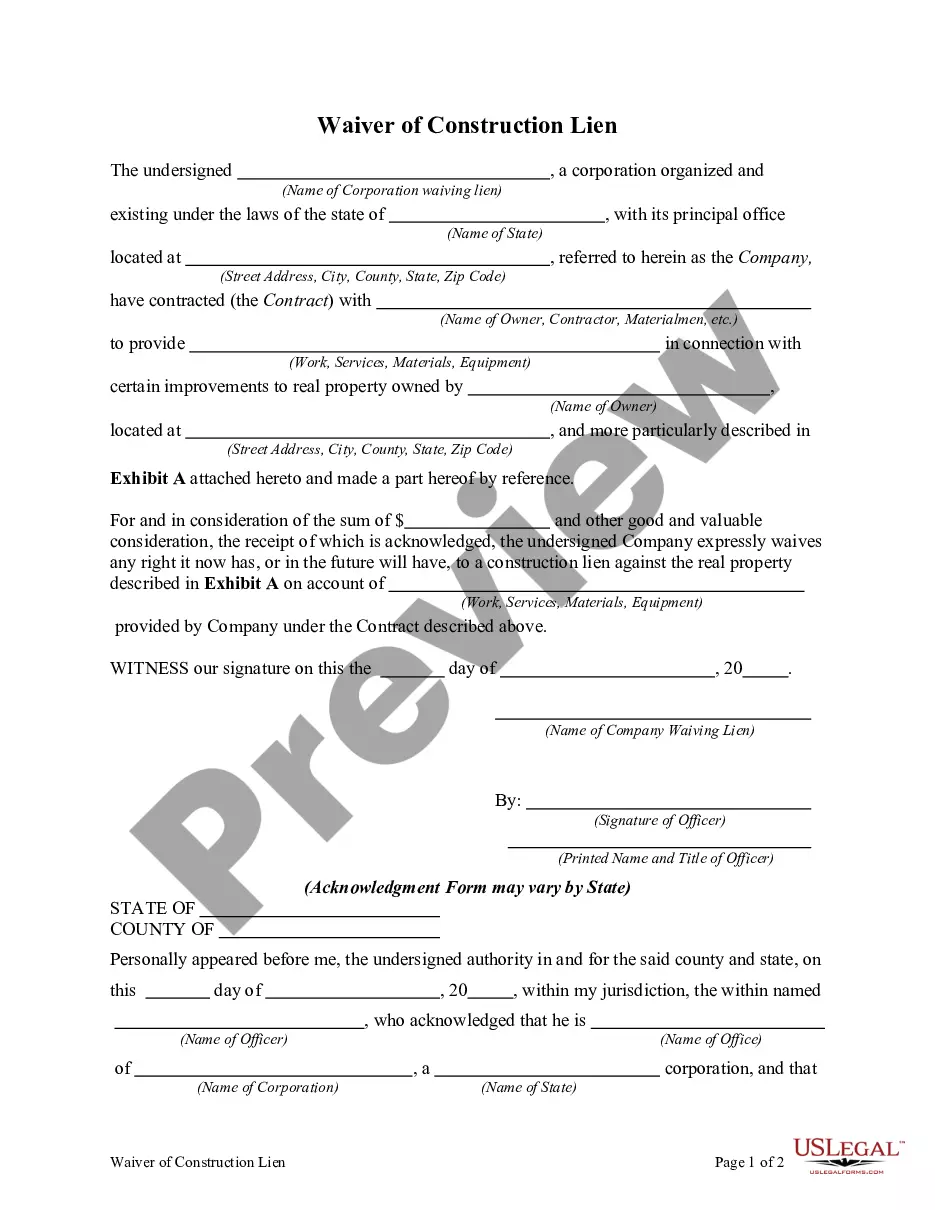
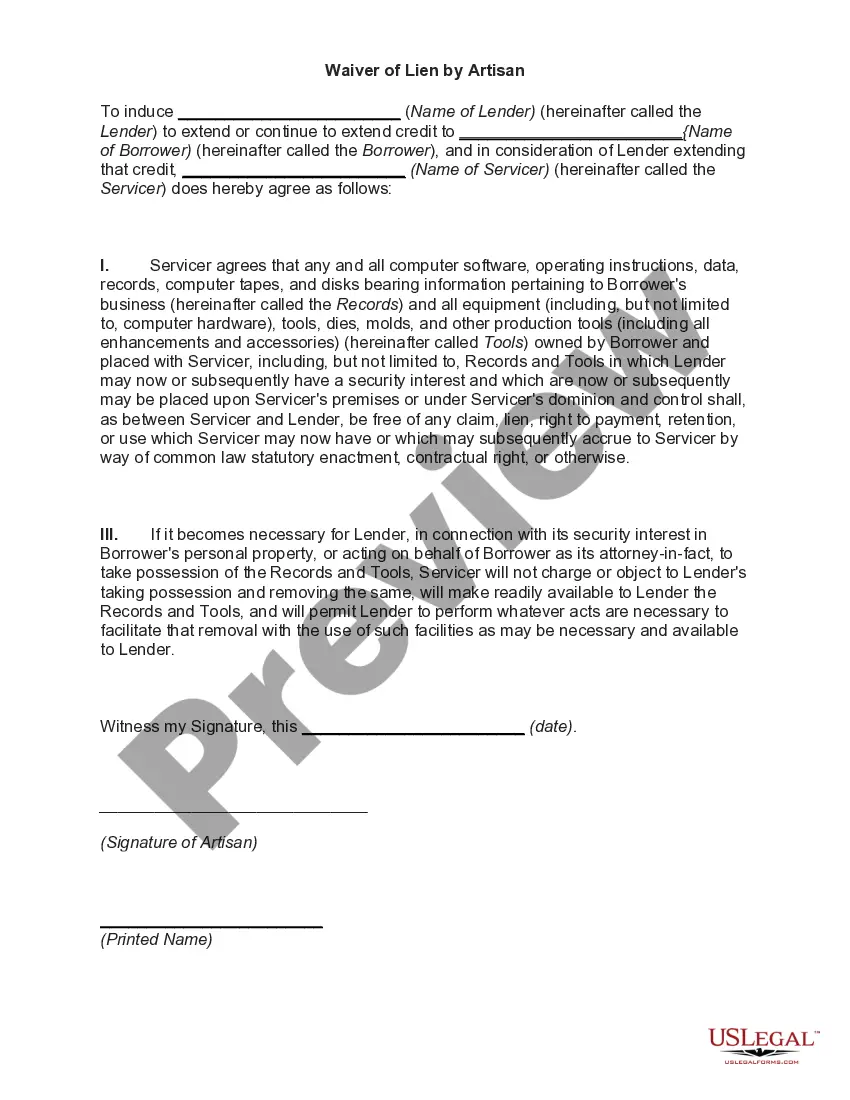
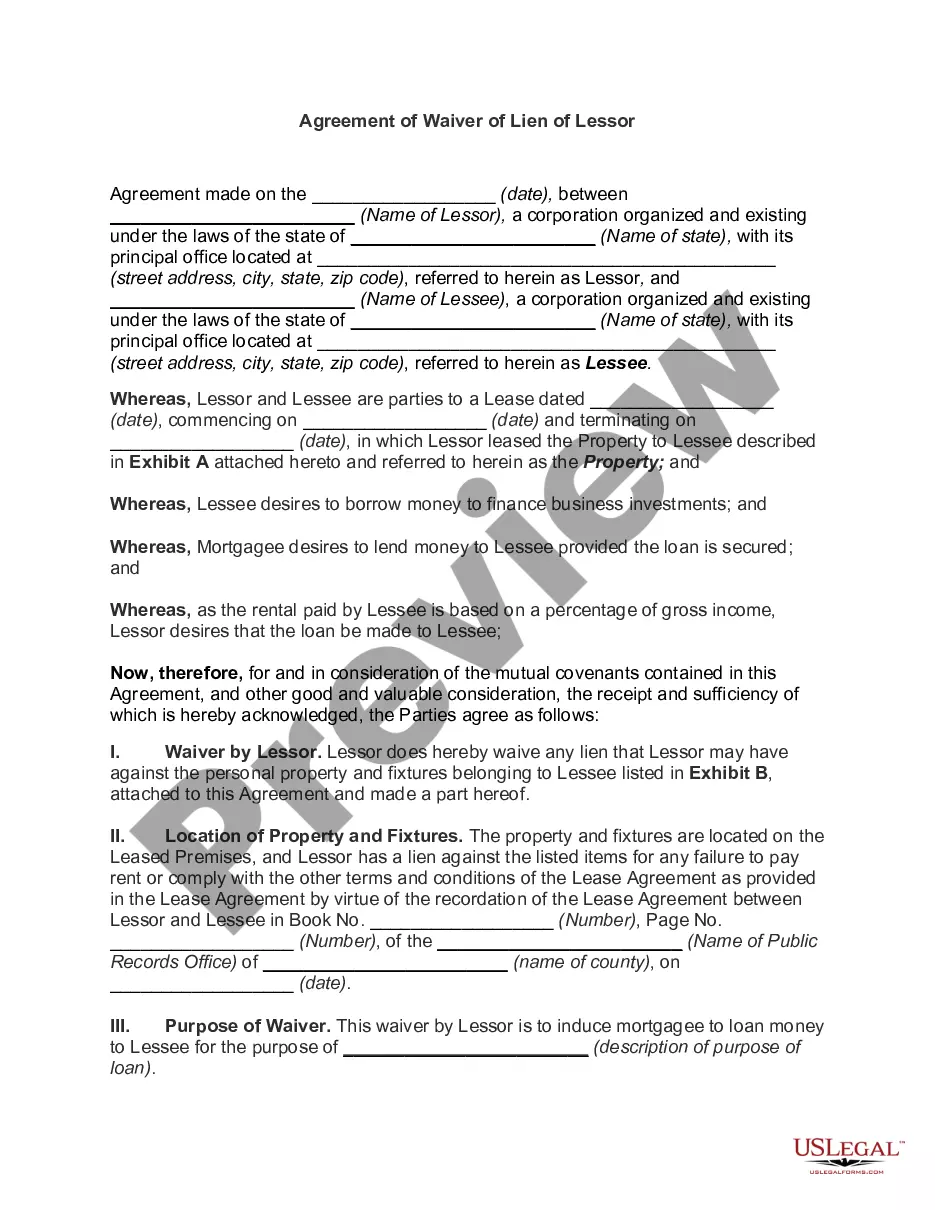
A waiver of lien rights is a legal document used primarily in the construction and real estate industries. It is a formal statement by a claimant, often a contractor or subcontractor, declaring that they relinquish their right to file a lien against a property for labor, materials, or services provided. This waiver ensures that the property owner or developer will not face any claims for payment from the claimant for work previously completed.
How to complete a form
Completing a waiver of lien rights form involves several steps:
- Begin by entering the amount of consideration being received, usually represented in dollars.
- Provide the claimant's name in the designated space.
- Clearly identify the property where the work was performed.
- Specify the date before which work was completed.
- Sign and date the document as the claimant, and if applicable, include the representative's title.
Ensure all information is accurate to avoid disputes in the future.
Who should use this form
This form is primarily used by contractors, subcontractors, suppliers, or other service providers who have provided work on a construction project or property improvement. Property owners may also utilize this form when they want to confirm that they are not liable for any future claims from specific contractors or suppliers.
Key components of the form
The essential components of a waiver of lien rights form include:
- Claimant Information: Full name and contact details of the individual or company waiving the lien.
- Consideration Amount: The amount of payment received in exchange for waiving the lien rights.
- Description of Work: A clear description of the labor, materials, or services provided.
- Property Identification: The address or legal description of the property in question.
- Signatures: Signature of the claimant and any necessary witnesses or notaries.
Common mistakes to avoid when using this form
When completing a waiver of lien rights, users should avoid the following common mistakes:
- Leaving out essential details such as the claimant's name or the property's address.
- Failing to specify the date before which the work was completed.
- Not including both signatures when required, particularly for corporate entities.
- Providing incorrect consideration amounts, which can lead to disputes.
What to expect during notarization or witnessing
Notarization or witnessing is a crucial step in finalizing a waiver of lien rights. During this process:
- The notary public will verify the identity of the signer, so valid identification is necessary.
- The signer will be required to sign the document in the presence of the notary.
- The notary will then stamp the document, providing legal validation.
- If additional witnesses are required, they too will need to be present during the signing.
Key takeaways
In summary, a waiver of lien rights is a vital legal document that protects property owners from potential claims. Proper completion of this form is essential to ensure clarity and avoid issues in the future. Always ensure that the document is appropriately signed and notarized to uphold its legal validity.