What Is Sale or Return Agreement? Understanding Its Basics
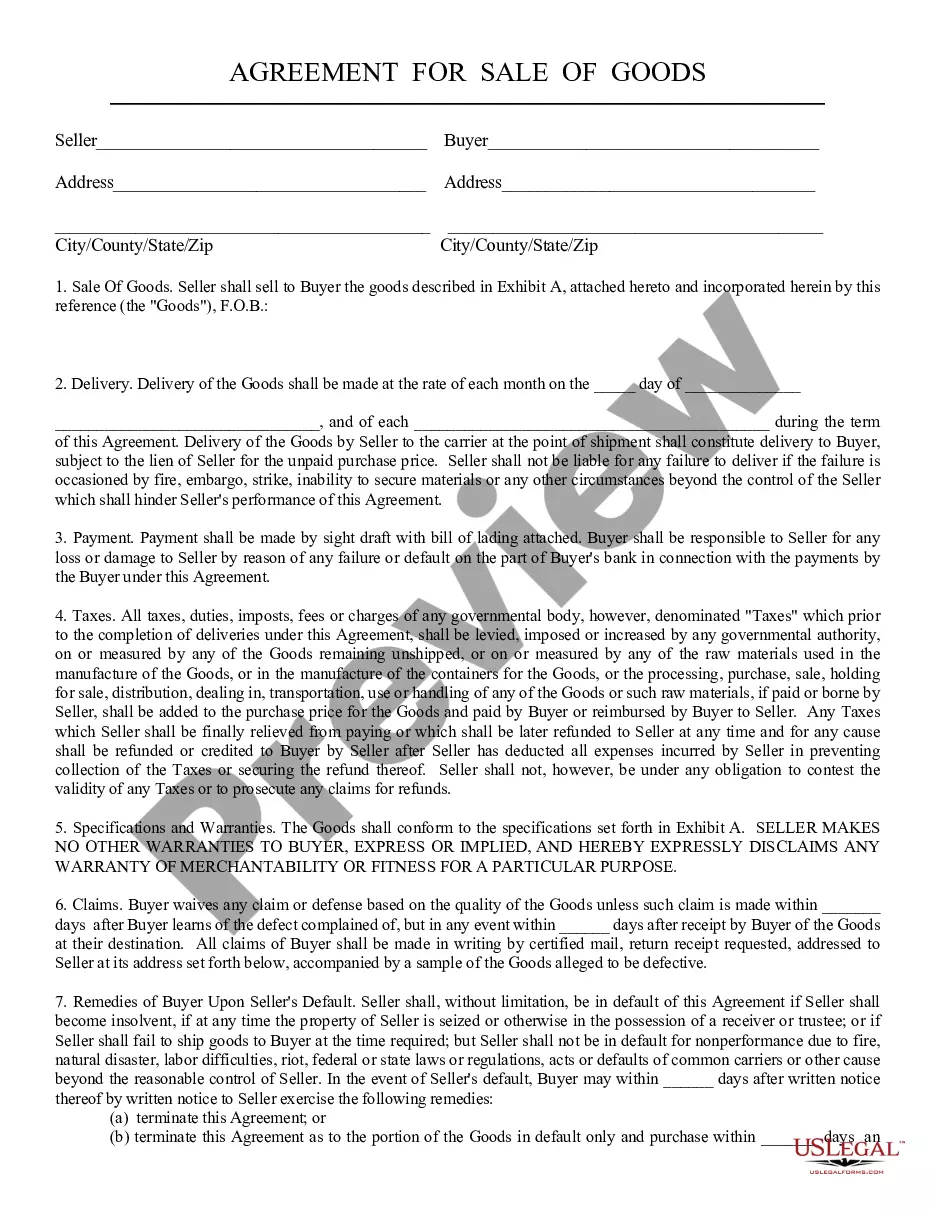
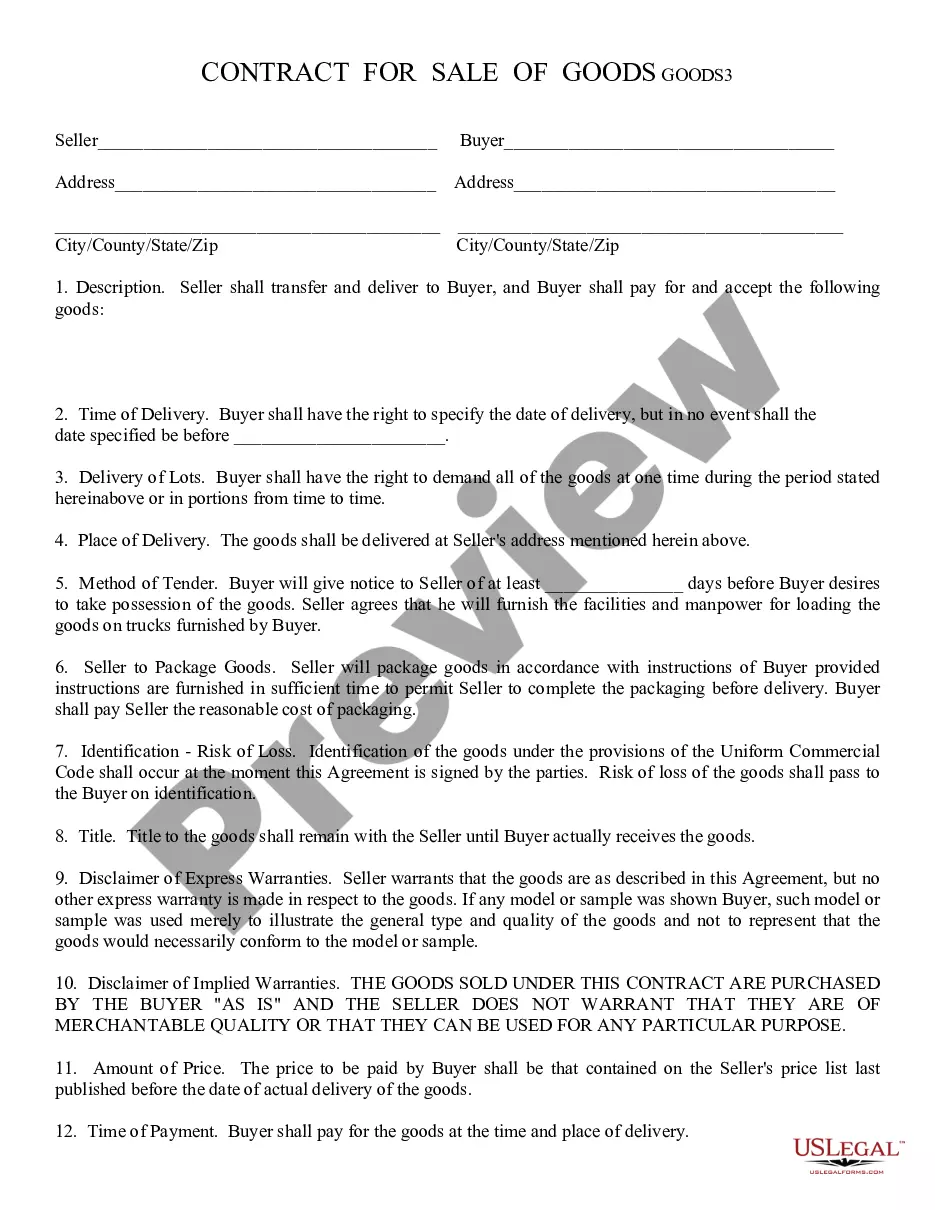
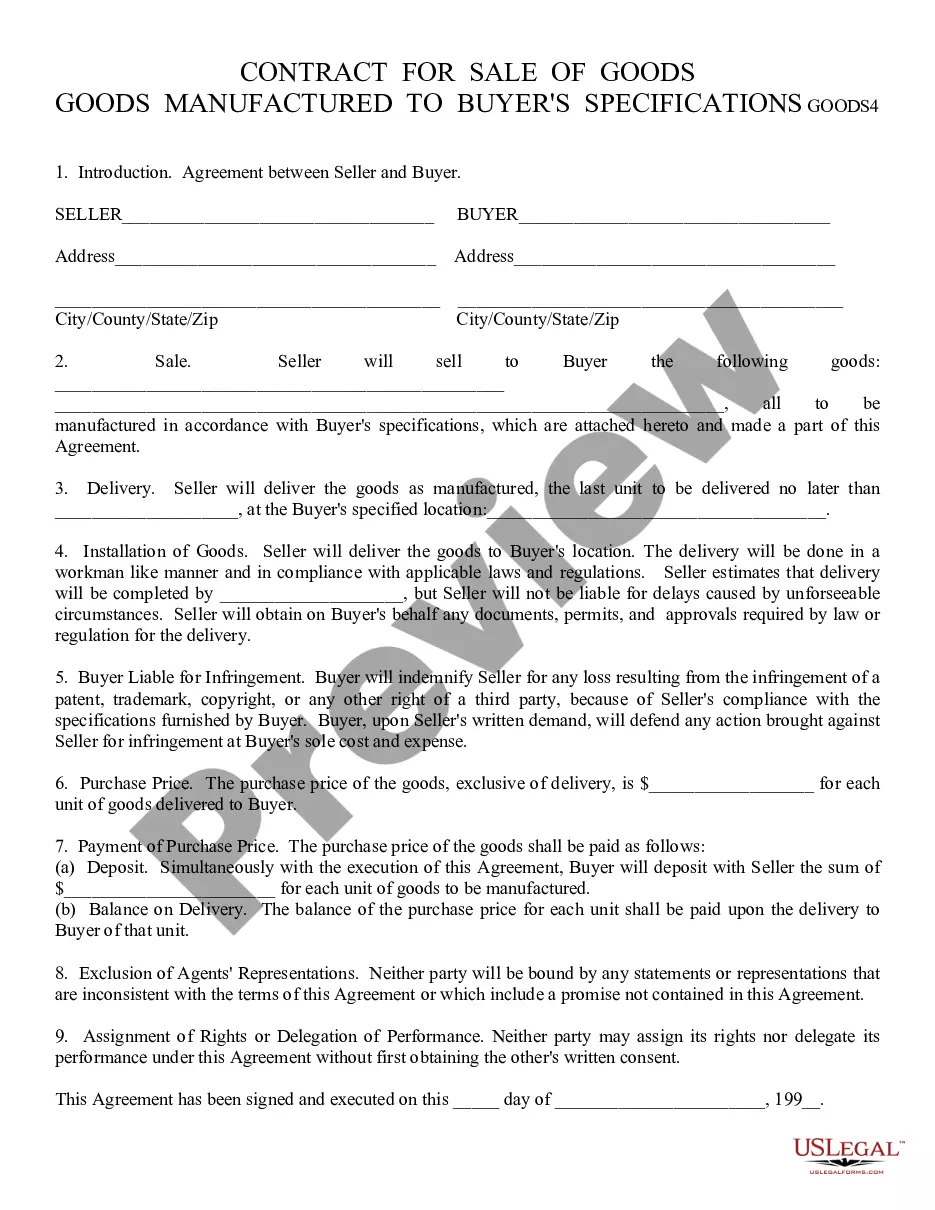
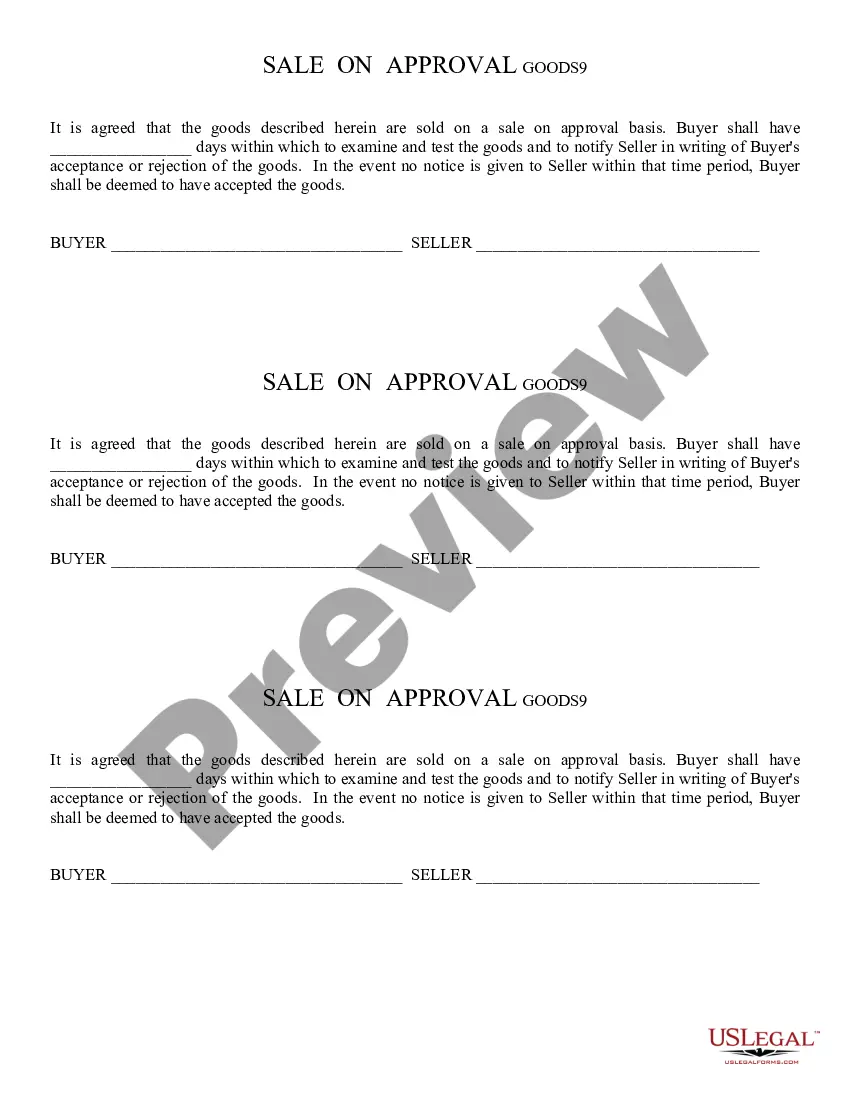
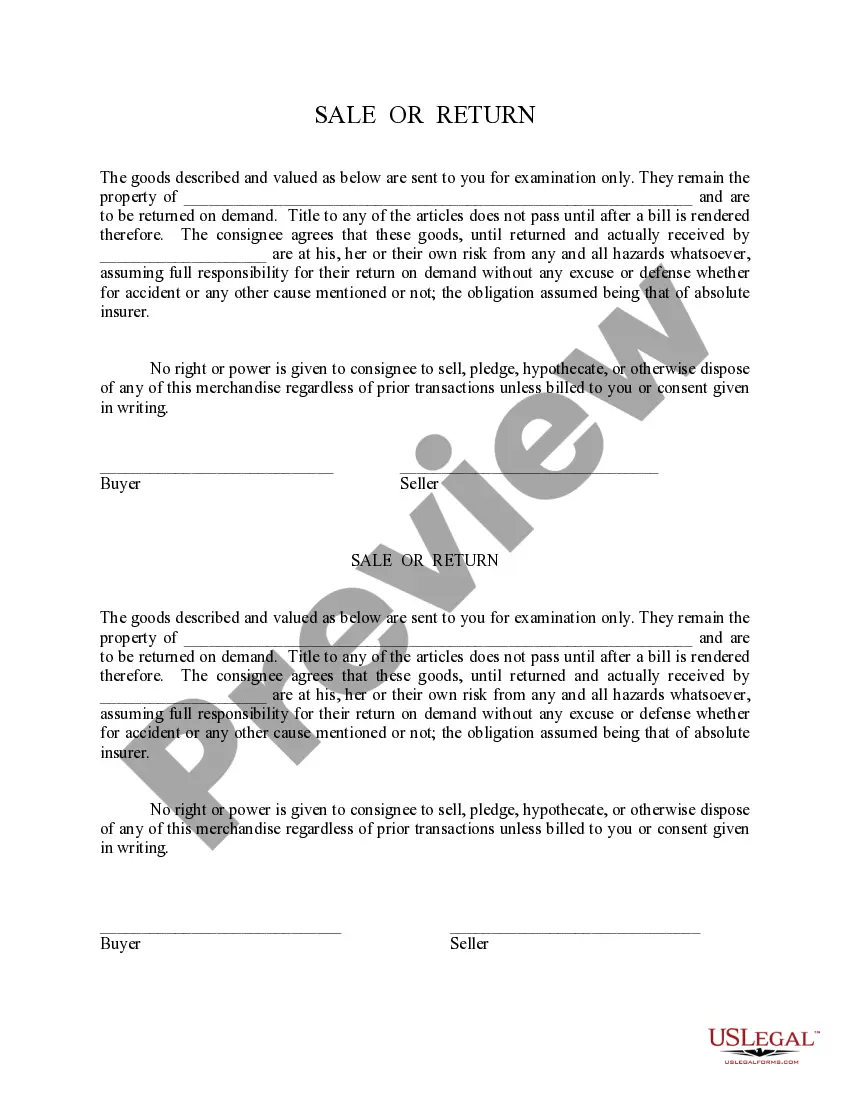
A sale or return agreement is a legal contract that allows a buyer to examine goods before making a final purchase decision. Under this agreement, the goods remain the property of the seller until the buyer decides to keep them and pays the seller. If the buyer chooses not to keep the items, they must return the goods to the seller within a specified timeframe.
Who should use this form
This form is designed for businesses and individuals who engage in transactions involving goods that need evaluation before final purchase. It is particularly useful for:
- Retailers who want to offer products on a trial basis.
- Wholesalers supplying products to retailers under a conditional arrangement.
- Any buyer wanting to ensure the quality and suitability of goods prior to commitment.
Key components of the form
Important elements of a sale or return agreement include:
- Description of Goods: A detailed list of the items under consideration.
- Ownership Details: Clarifies that ownership remains with the seller until payment is made.
- Return Policy: Specifies the time frame for returning the goods if the buyer chooses not to keep them.
- Risk Assumption: Outlines the buyer's responsibility for the goods during the evaluation period.
Common mistakes to avoid when using this form
To ensure the effectiveness of a sale or return agreement, users should avoid the following mistakes:
- Failing to clearly define the goods involved.
- Not stating the return deadline, which can lead to confusion.
- Neglecting to specify risk and responsibility during the evaluation period, which could lead to potential losses.
- Allowing vague terms that can create legal loopholes.
What documents you may need alongside this one
It is advisable to prepare the following documents when entering into a sale or return agreement:
- Invoice or bill of sale: To maintain a record of the transaction.
- Delivery receipt: To confirm receipt of the goods by the buyer.
- Correspondence: Any written communication regarding the agreement, which may serve as evidence in case of disputes.
Legal use and context
The sale or return agreement is often utilized in various sales contexts, such as:
- Consumer sales where customers want to try products before buying.
- Wholesale transactions where retailers need to ensure goods meet their standards.
- Trade shows or exhibitions, where vendors may allow potential buyers to evaluate products before placing orders.
What to expect during notarization or witnessing
When notarizing a sale or return agreement, you can expect the following steps:
- The parties involved must sign the document in the presence of a notary public.
- The notary will verify the identities of the signers and their willingness to sign.
- The notary will then affix their seal or stamp to the document to make it legally binding.