What Is a Preliminary Injunction and How It Works in Court
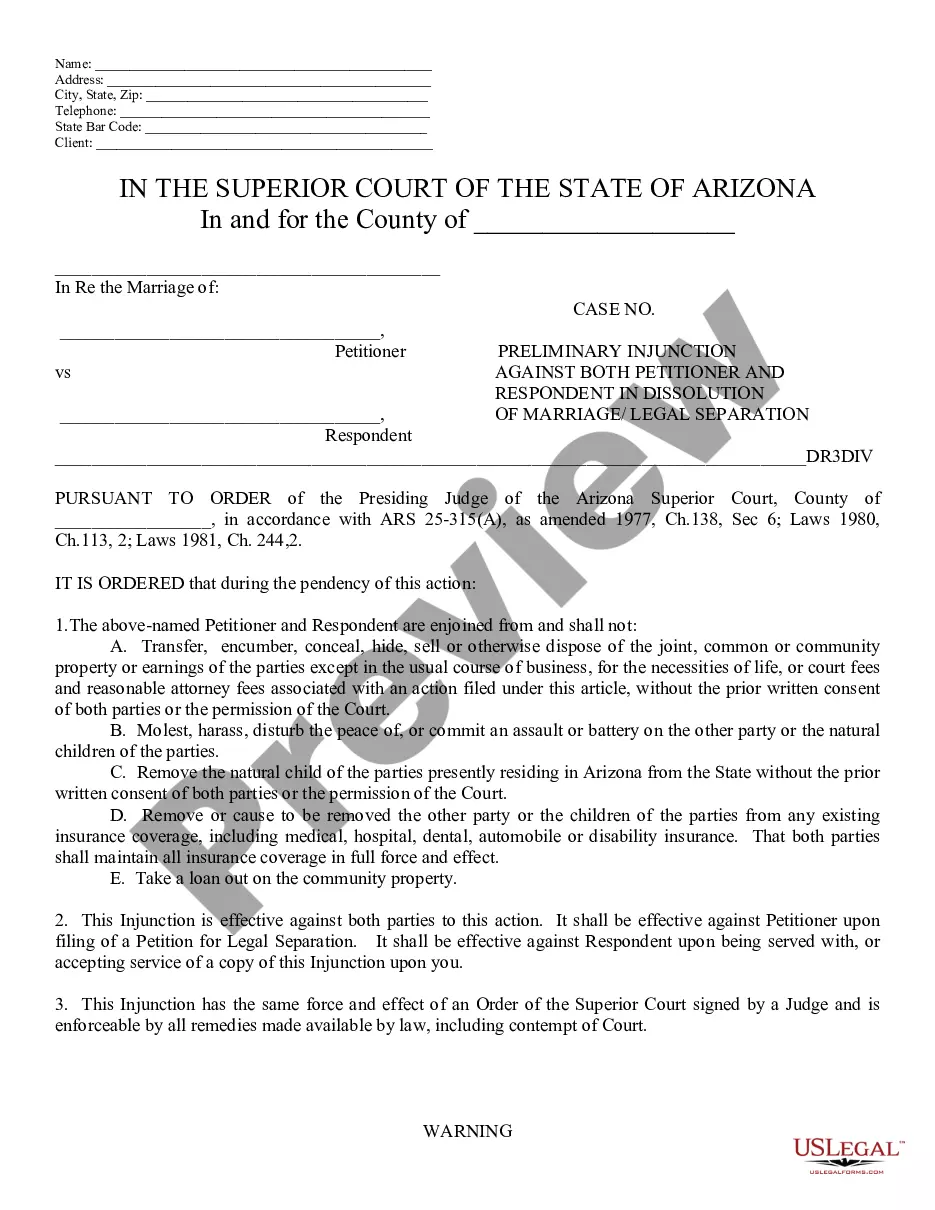
A preliminary injunction is a court order that prevents a party from taking certain actions until a final decision is made in a legal case. This injunction is usually issued during the early stages of a lawsuit to preserve the status quo and protect the rights of the parties involved.
It is often sought to prevent harm that could occur if the court waits until after a trial to rule on the matter. Without such an injunction, a party may act in a way that makes the eventual court decision ineffective or meaningless.
Who should use this form
This form is intended for individuals requesting a preliminary injunction in various legal matters. Common users include:
- Individuals involved in family law disputes, such as divorce cases.
- Parties in business disputes where immediate action may be necessary to protect assets.
- Persons seeking protection from harassment or threats.
- Anyone needing to maintain something in its current state until a court hearing can occur.
Legal use and context
A preliminary injunction is commonly used in various legal scenarios, including but not limited to:
- Family law, particularly in divorce cases to prevent the sale of marital property.
- Intellectual property disputes to stop infringement from occurring while the case is being decided.
- Real estate transactions where one party wants to stop another from proceeding with a sale until the court resolves the dispute.
The issuance of this injunction often requires a showing of irreparable harm, likelihood of success on the merits, and a balance of hardships favoring the party requesting the injunction.
Key components of the form
When filing for a preliminary injunction, the following components are essential:
- Petition: A formal request to the court outlining the need for the injunction.
- Supporting Affidavit: A sworn statement that provides facts supporting the request.
- Notice: Information on how the other party was notified about the injunction request.
- Order: The actual court order once granted, detailing what actions are prohibited or required.
Each component must be filled out accurately to ensure compliance with court requirements.
Common mistakes to avoid when using this form
When completing the form for a preliminary injunction, be mindful of the following common mistakes:
- Failing to provide sufficient evidence of immediate harm.
- Not correctly filling out all sections of the form.
- Neglecting to notify the other party, which can lead to delays.
- Omitting necessary supporting documents with the petition.
Taking extra care to avoid these mistakes can lead to a smoother application process.
What documents you may need alongside this one
In addition to the preliminary injunction form, you might need the following documents:
- Evidence: Any documents that support the claims of harm or risk.
- Petition for Divorce or Separation: If applicable, include related filings relevant to family law cases.
- Previous Court Orders: If there are any existing orders affecting the parties involved.
Having these documents prepared can facilitate the process and improve your chances of success.
Key takeaways
A preliminary injunction is a crucial legal tool designed to prevent harm while a case is ongoing. Here are the main points to remember:
- Always present clear evidence of potential harm.
- Ensure all forms are completed accurately and submitted timely.
- Notify the opposing party to mitigate the chances of objection.
- Consult with a legal professional if you are unsure about any part of the process.