What is a pleadings index and how does it work?
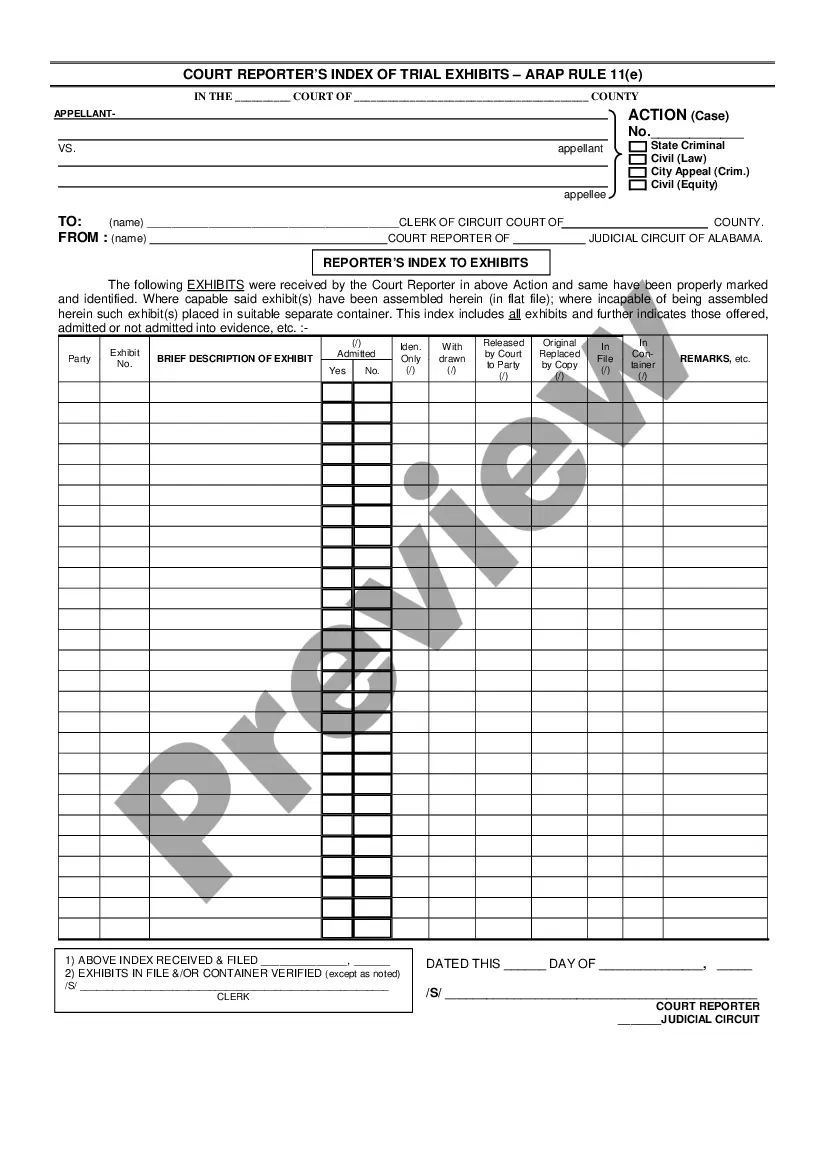
A pleadings index is a comprehensive list that organizes the various documents submitted in a legal case. It serves as a reference tool for all parties involved, outlining key pleadings, motions, and orders. Typically maintained by the court or the clerks, the pleadings index details each document's filing date, description, and the individual or entity that filed it.
Key components of the form
The pleadings index usually includes the following key components:
- Pleading Number: A unique identifier for each entry in the index.
- Date Filed: The date when the document was submitted to the court.
- Description: A brief title or summary of the document’s purpose.
- Filed By: The name of the person or entity submitting the document.
Who should use this form
The pleadings index is primarily used by legal professionals, such as attorneys, clerks, and judges, to track the progression of a case. However, it can also be useful for parties involved in a lawsuit, enabling them to stay informed on the documents that have been filed and the ongoing legal proceedings.
Legal use and context
The pleadings index is essential in the litigation process. It allows for efficient case management by providing a clear timeline of documents and motions that have been filed. This helps in preparing for hearings, understanding the status of a case, and ensuring that all necessary documents have been submitted.
Common mistakes to avoid when using this form
When creating or reviewing a pleadings index, it is essential to avoid the following common mistakes:
- Failing to update the index regularly, which can lead to confusion and missed deadlines.
- Inaccurately describing the documents, which may cause misunderstandings about their purpose.
- Not including all necessary entries, leading to incomplete records.
What documents you may need alongside this one
In conjunction with a pleadings index, users may also require the following documents:
- Original pleadings filed with the court.
- Supporting affidavits or declarations.
- Notices of motions and hearings.
- Orders issued by the court.
Key takeaways
A pleadings index plays a vital role in maintaining the organization of legal documents in a case. By clearly recording important filings and motions, it assists all involved parties in navigating the legal process efficiently. Ensure that the index is updated regularly and accurately reflects all relevant documents for effective case management.