What is a medical release form? Understanding its importance
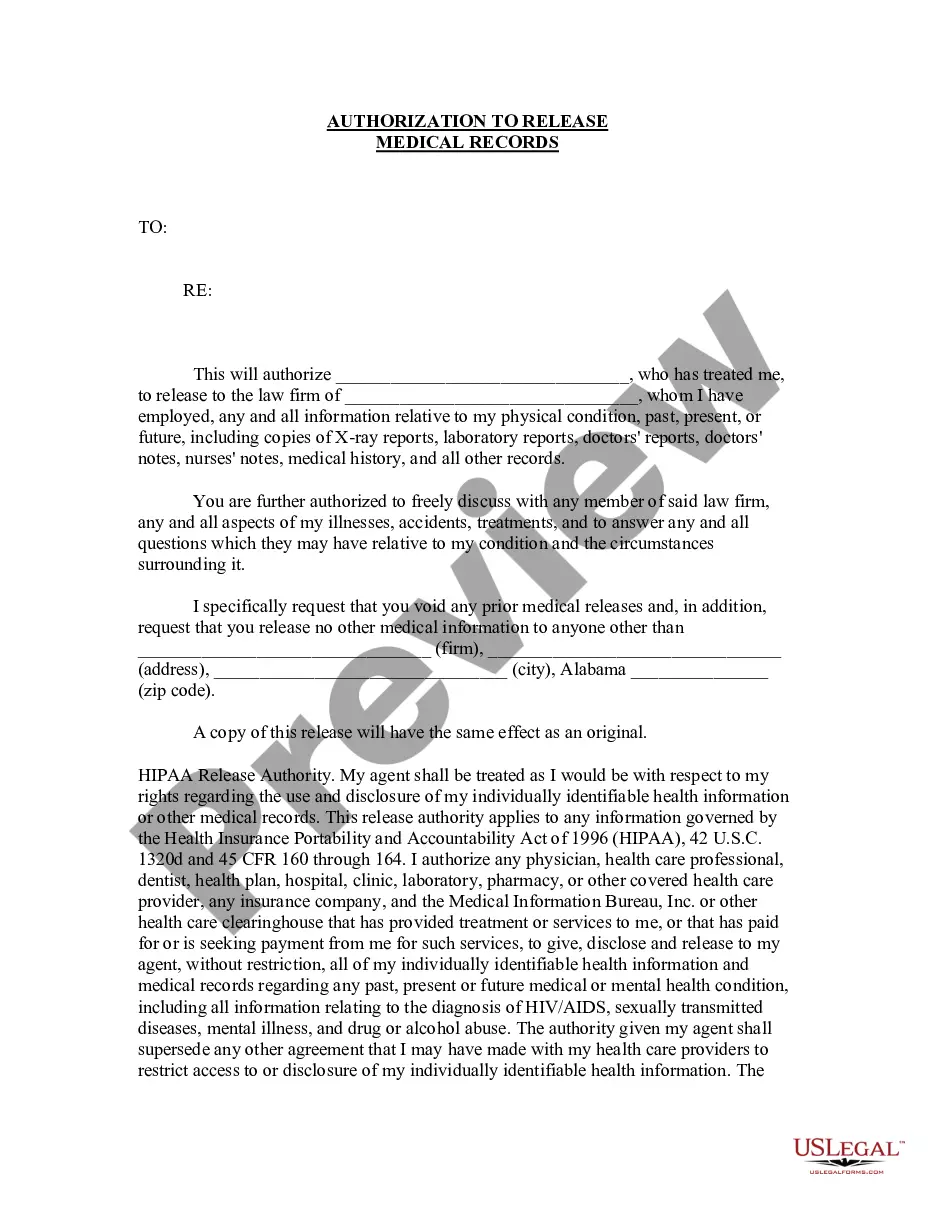
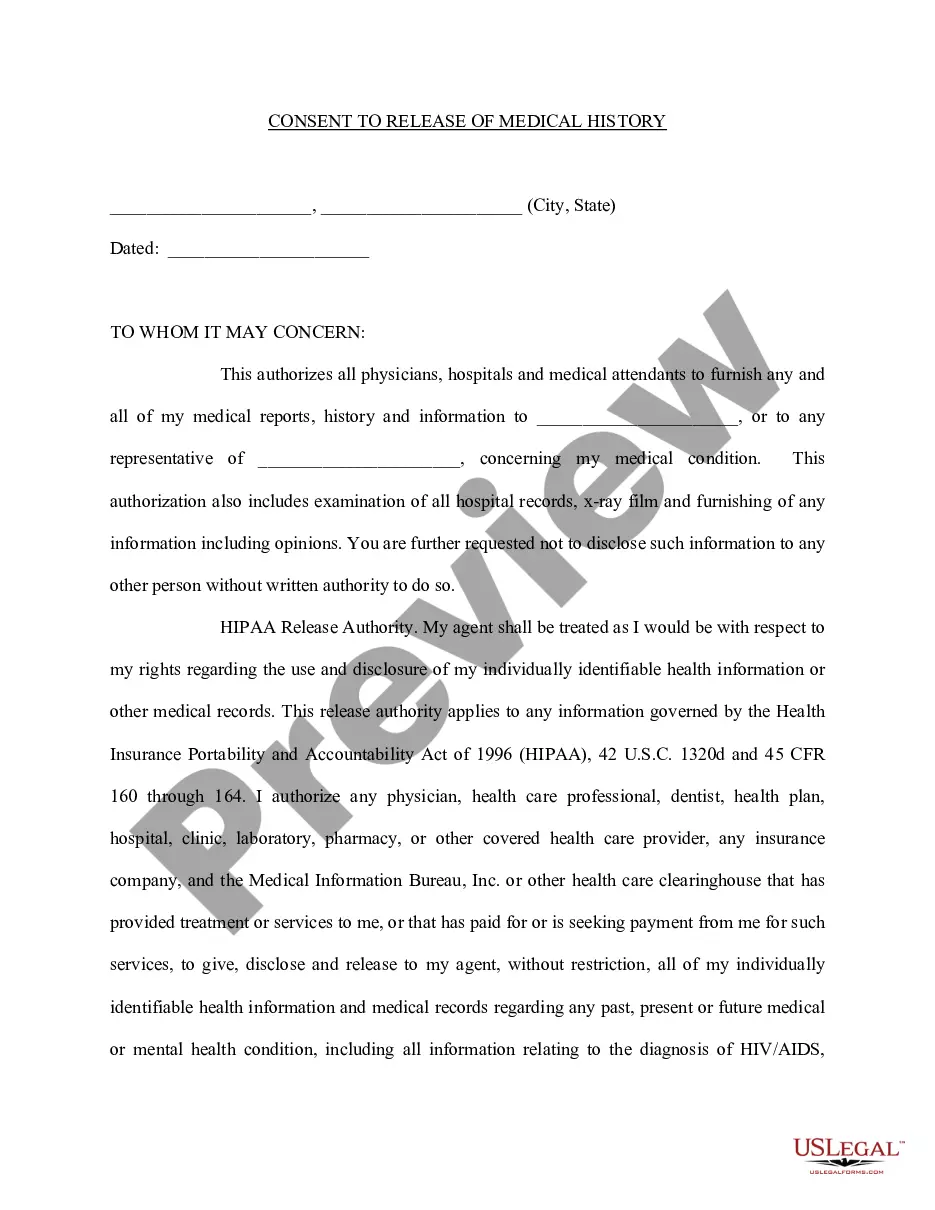
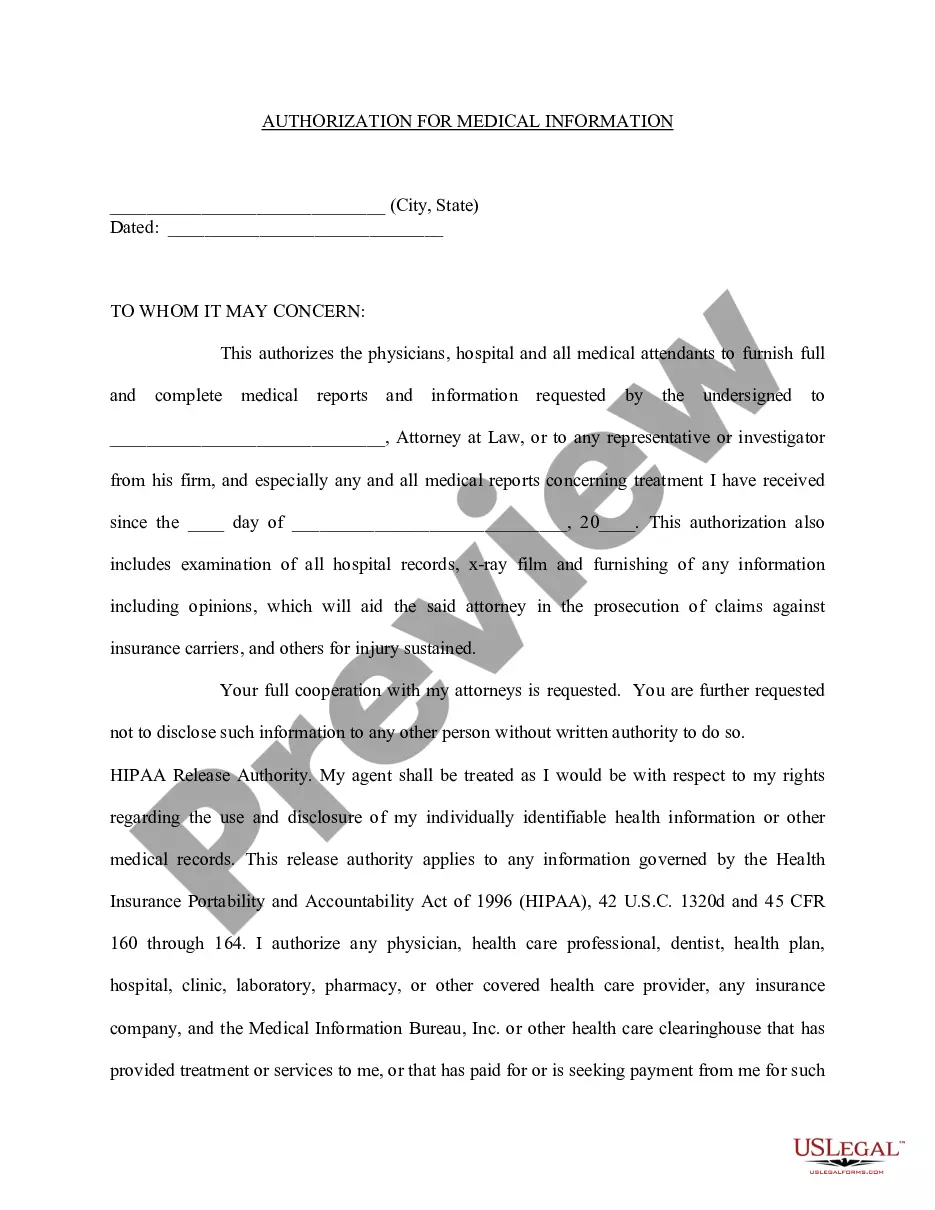
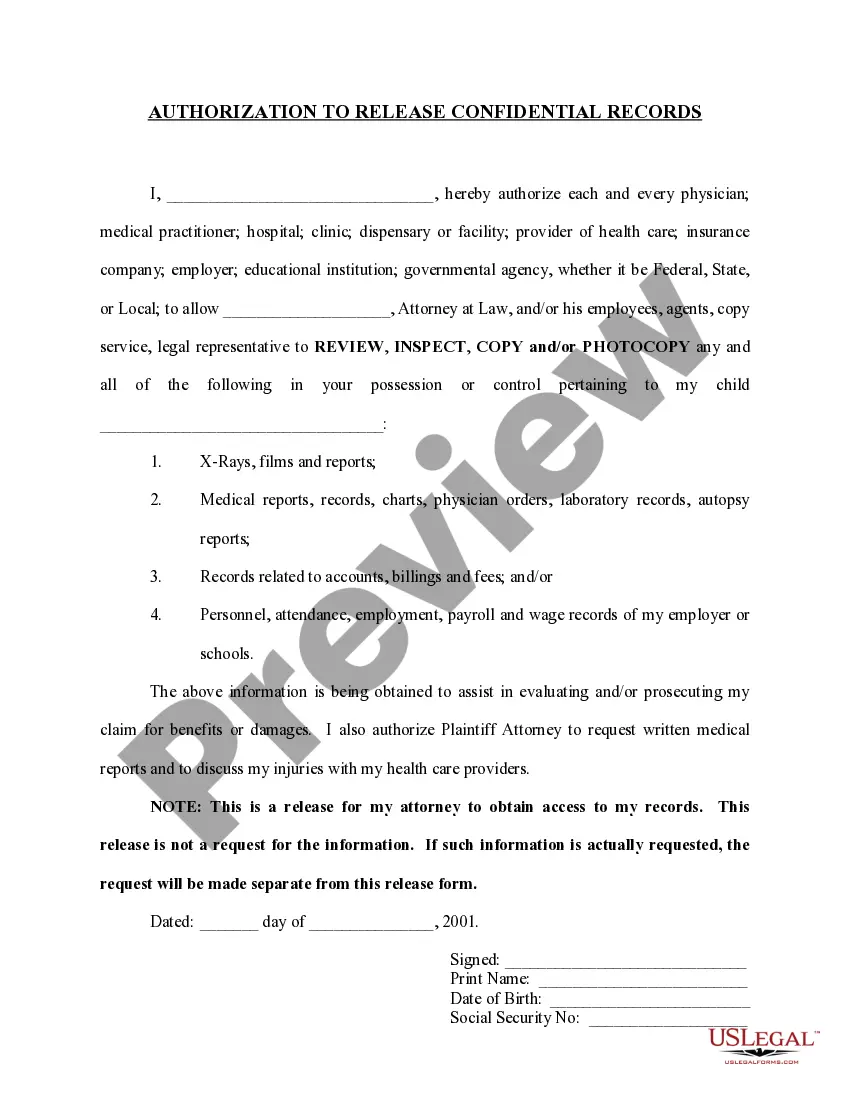
A medical release form is a legal document that allows a person to authorize the disclosure of their medical information to designated individuals or entities. This form is typically used to ensure that healthcare providers can share the patient’s medical history, findings, or other pertinent details with those authorized by the patient.
By completing a medical release form, patients can manage who has access to their medical information, which is essential for privacy and confidentiality. It is often necessary for purposes such as insurance claims, legal proceedings, or when transferring medical records between providers.
Who should use this form
Any individual who wishes to share their medical records or information with others should consider using a medical release form. This includes:
- Patients needing to share their health information with family members
- Individuals involved in legal cases requiring medical documentation
- Those applying for health insurance benefits that require proof of medical history
- Patients transferring from one healthcare provider to another
Using this form helps ensure that the appropriate parties can access the necessary medical information while maintaining the patient's privacy rights.
Key components of the form
A medical release form should include several essential components to be valid and effective:
- Patient's Information: Full name, date of birth, and contact information.
- Authorized Recipient: Names and details of the individuals or entities authorized to receive the medical information.
- Scope of Release: A clear description specifying what information can be shared, such as medical records, test results, or appointment histories.
- Expiration Date: A defined period for which the release is valid, helping to protect the patient's privacy.
- Patient Signature: The signature of the individual granting authorization, dated appropriately.
Including these components ensures that the release form is comprehensive and meets legal standards.
How to complete a form
Completing a medical release form involves several straightforward steps:
- Obtain the form: You can usually find a medical release form from your healthcare provider or download it online.
- Fill in personal information: Provide your full name, address, contact number, and date of birth.
- Identify recipients: Clearly state who is allowed to access your medical information by including their names and relation to you.
- Specify the information to be released: Indicate the type of medical records or information that can be shared.
- Determine the expiration: Set a specific date or event upon which the authorization will end.
- Sign and date: Sign the form to validate your consent and include the date of signing.
Once completed, submit the form to the relevant parties as specified within it.
Common mistakes to avoid when using this form
When completing a medical release form, avoid the following common errors:
- Incomplete information: Ensure all required fields, especially your and your recipient's details, are filled out.
- Not specifying the information to be shared: Be clear about what medical information can be disclosed to prevent misunderstandings.
- Failing to sign or date the form: An unsigned or undated form is not legally valid.
- Not setting an expiration date: Leaving this blank can lead to unintended access to your information.
Being mindful of these mistakes helps ensure that the release form is effective and legally binding.
What documents you may need alongside this one
When using a medical release form, you may need to provide or prepare additional documents, such as:
- Identification: A government-issued ID may be required to verify your identity.
- Proof of Relationship: If you are authorizing someone else to access your medical records, you might need to provide documentation to establish your connection, like a birth certificate or marriage license.
- Previous Medical Records: If transferring from one provider to another, previous medical records may need to be included to provide a comprehensive background.
These documents help facilitate the process and ensure that all necessary information is considered.