What Is a Final Judgment in Court and Its Implications?
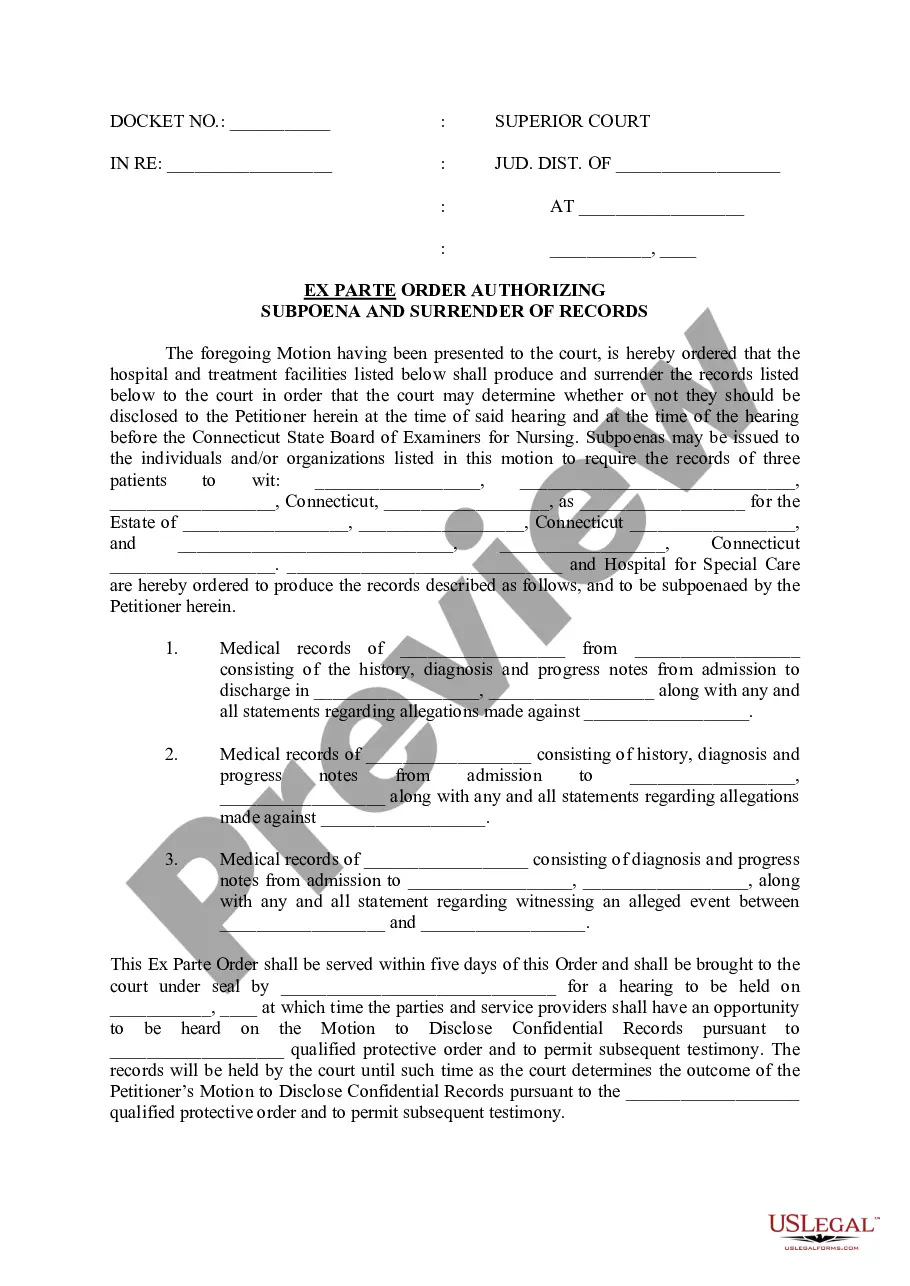
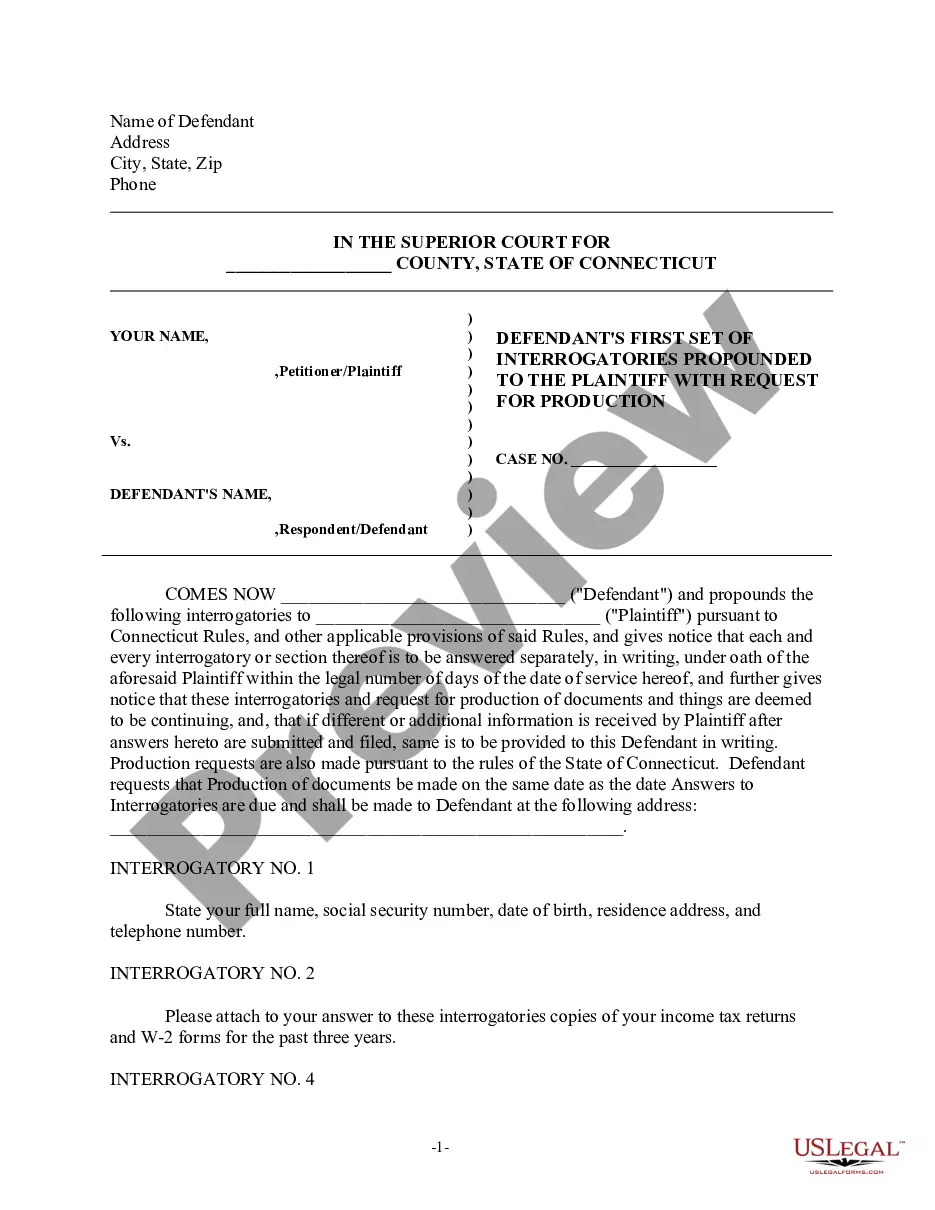
A final judgment in court is the official decision made by a judge or jury that resolves the legal dispute between the parties involved in a case. This decision concludes the proceedings and is binding, meaning all parties must comply with the judgment. Once a final judgment is issued, the case is typically closed, and the parties no longer have the option to appeal the decision, except under specific circumstances.
Who should use this form
This form is applicable to individuals who have been involved in a civil case that has reached a conclusion, resulting in a final judgment. It is crucial for plaintiffs and defendants to understand what a final judgment is, as it can affect their legal rights and obligations moving forward. Anyone seeking to comprehend the implications of a final judgment, including those looking to enforce or contest the decision, should utilize this form.
Legal use and context
A final judgment serves as a critical component of the legal process, as it formalizes the outcome of a case and provides clarity on the rights and responsibilities of each party. It is essential in various contexts, including personal injury, contract disputes, divorce proceedings, and more. Understanding the legal significance of a final judgment helps individuals navigate their future legal interactions and obligations.
Key components of the form
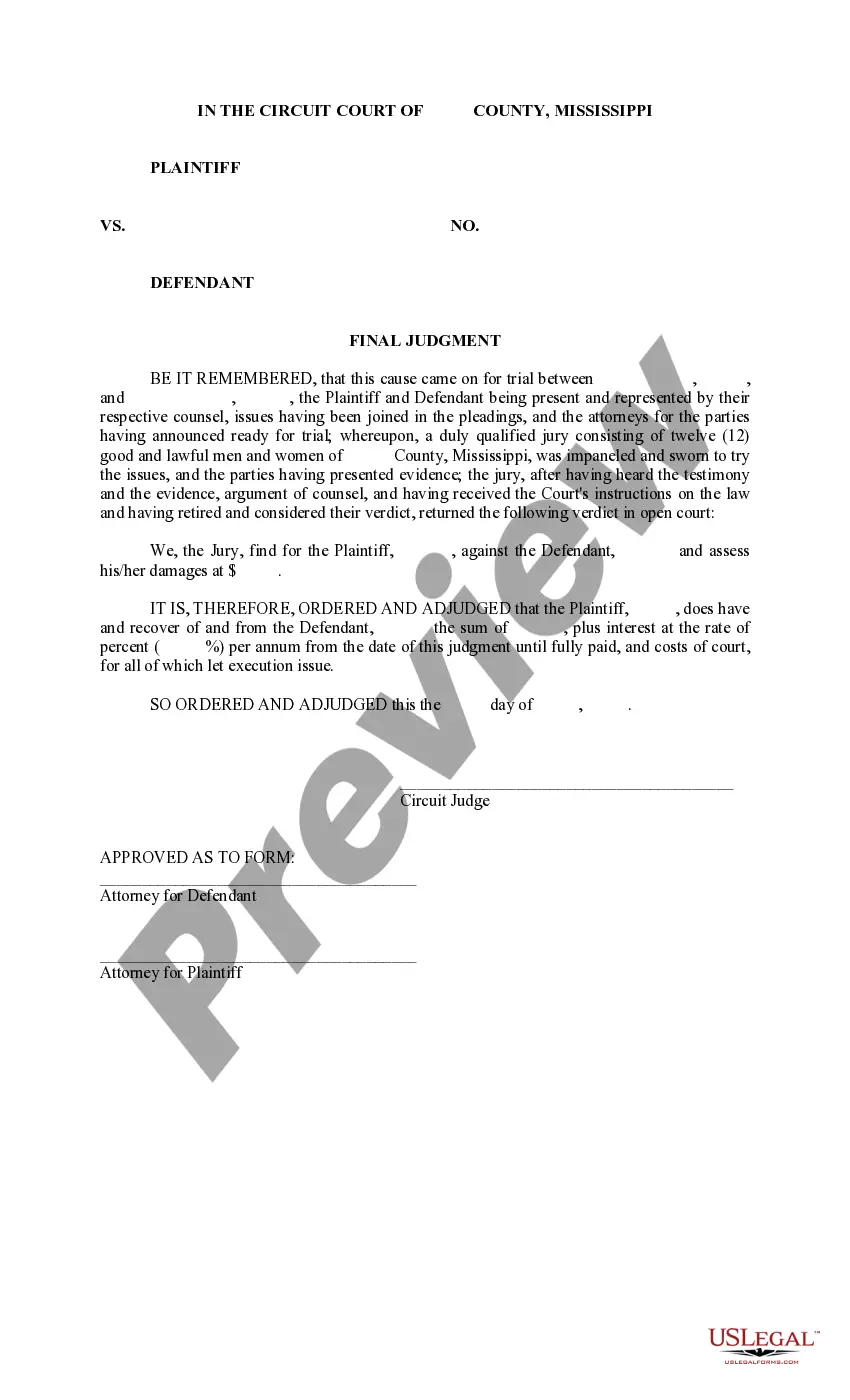
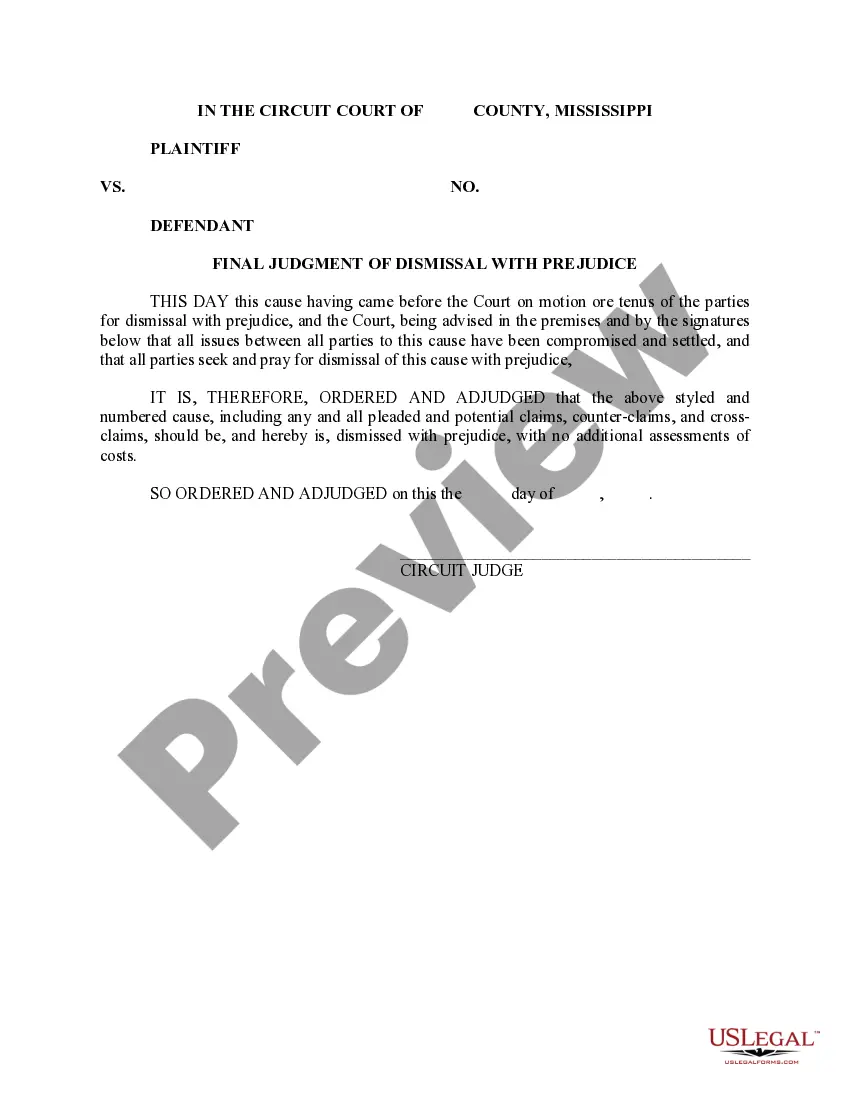
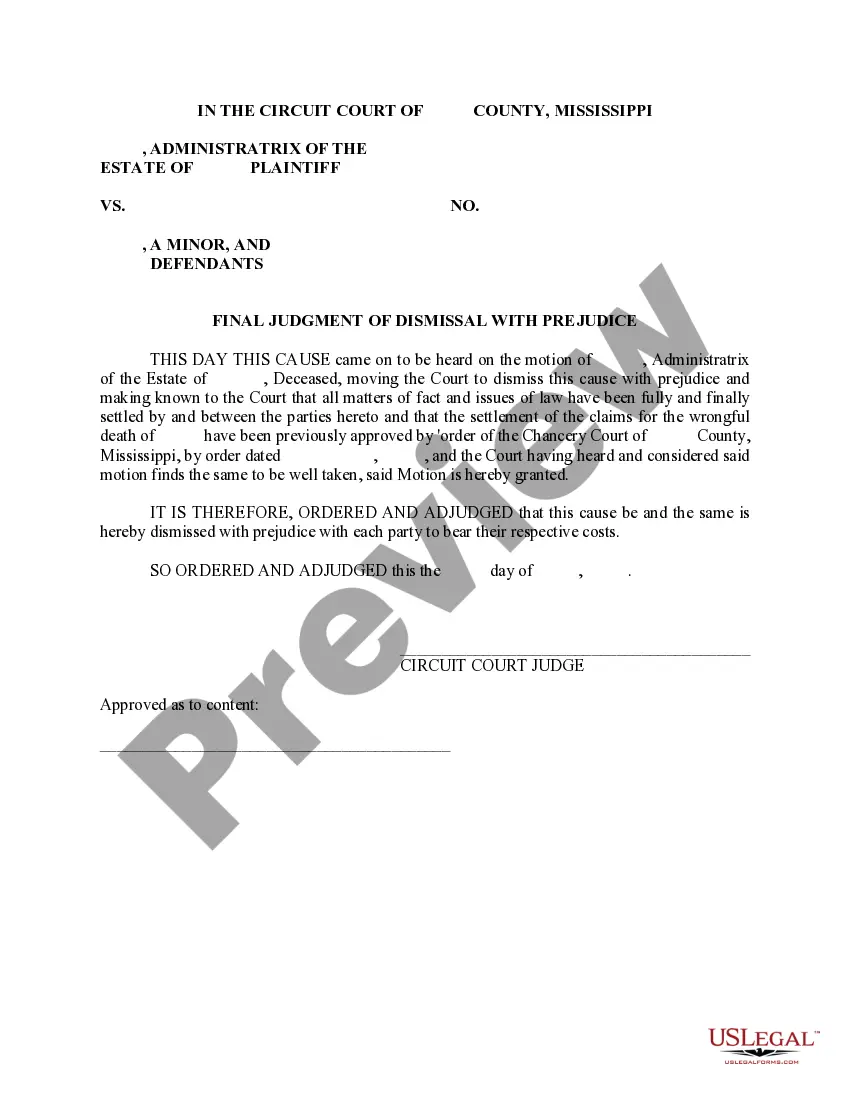
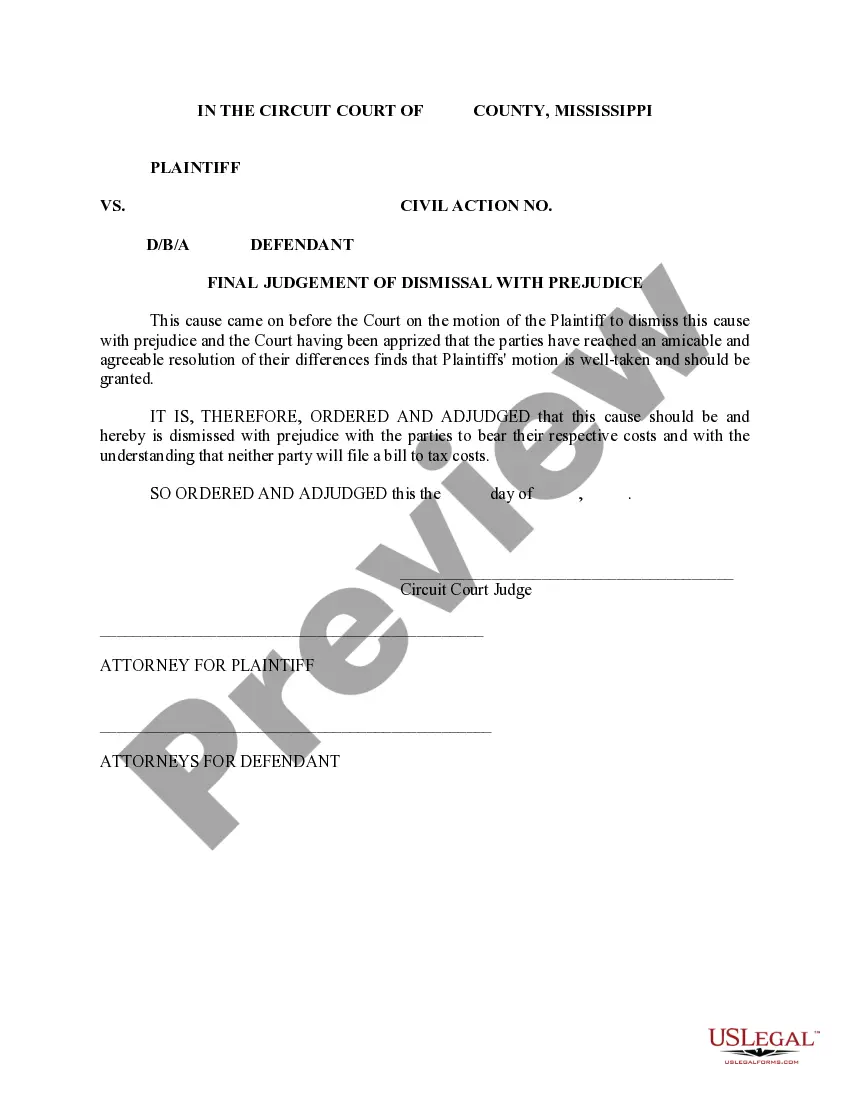
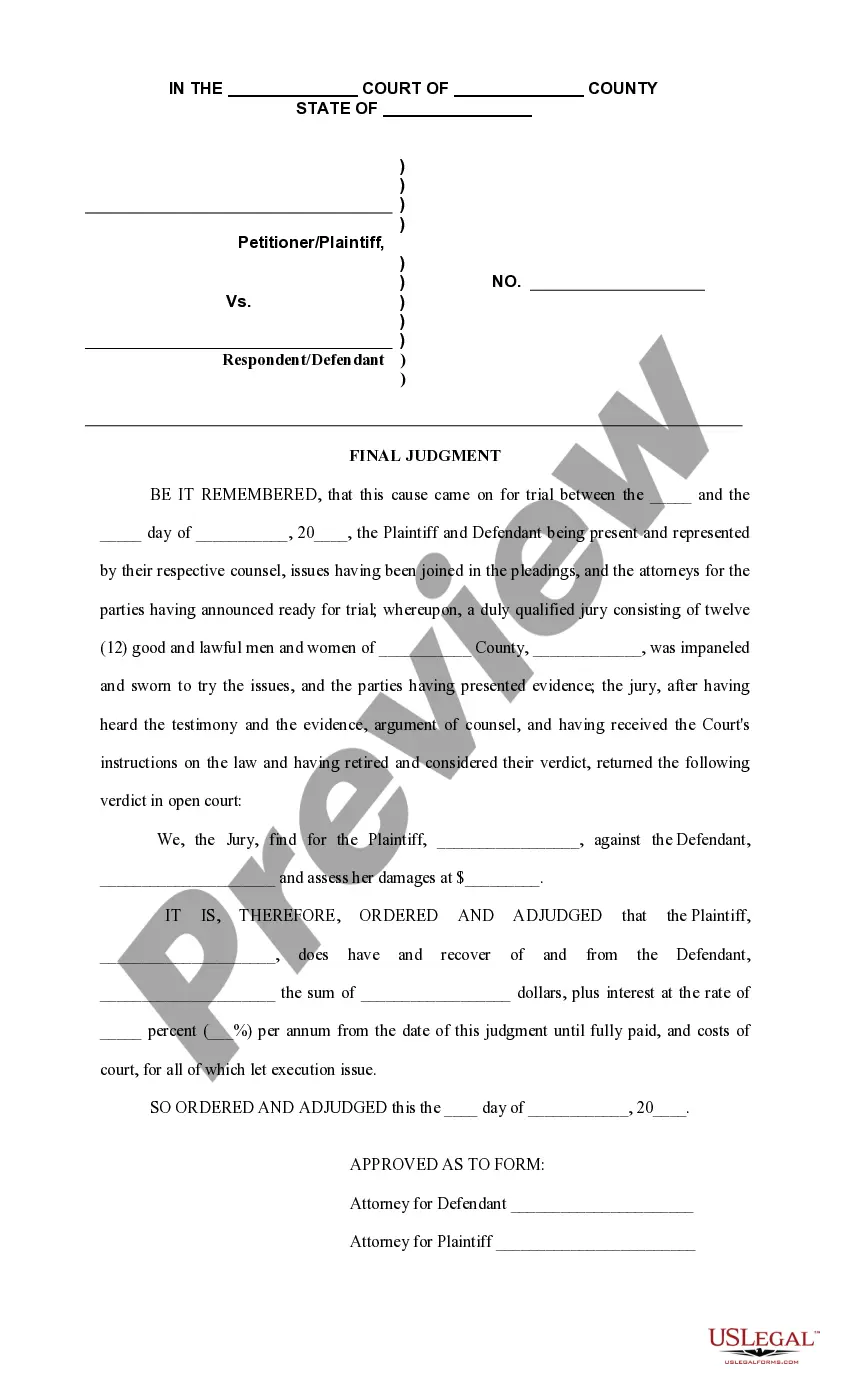
The main components typically included in a final judgment form are:
- Case number and title
- Date of judgment
- Details of the parties involved
- Jury verdict or judge's decision
- Orders for enforcement or compliance
- Signature of the judge
These components ensure that the judgment is comprehensive and addresses all necessary aspects of the case.
Common mistakes to avoid when using this form
When filling out a form related to a final judgment, individuals should be cautious of the following errors:
- Failing to provide accurate case information
- Not including all parties involved in the case
- Missing signatures or dates
- Overlooking specific details about the judgment or orders
Double-checking all entries can help prevent delays and complications in the enforcement of the judgment.
What to expect during notarization or witnessing
The notarization or witnessing process for a final judgment is essential for validating the document. During notarization, a notary public will verify the identity of the signers and ensure that they are signing voluntarily. This process often involves:
- Presenting valid identification
- Signing the document in the presence of the notary
- The notary affixing their seal or signature to the document
Witnessing may involve having one or more witnesses sign the document, affirming that they observed the parties signing the judgment.
Key takeaways
Understanding final judgments is crucial for individuals involved in legal proceedings. Here are some essential points to remember:
- A final judgment is binding and conclusive.
- It determines the rights and responsibilities of the involved parties.
- Proper completion of the related form is important to avoid legal complications.
- Notarization or witnessing may be required for enforcement.
Being aware of these elements can help individuals navigate the legal landscape effectively.