Connecticut Warrant/Summons/Ticket
Understanding this form
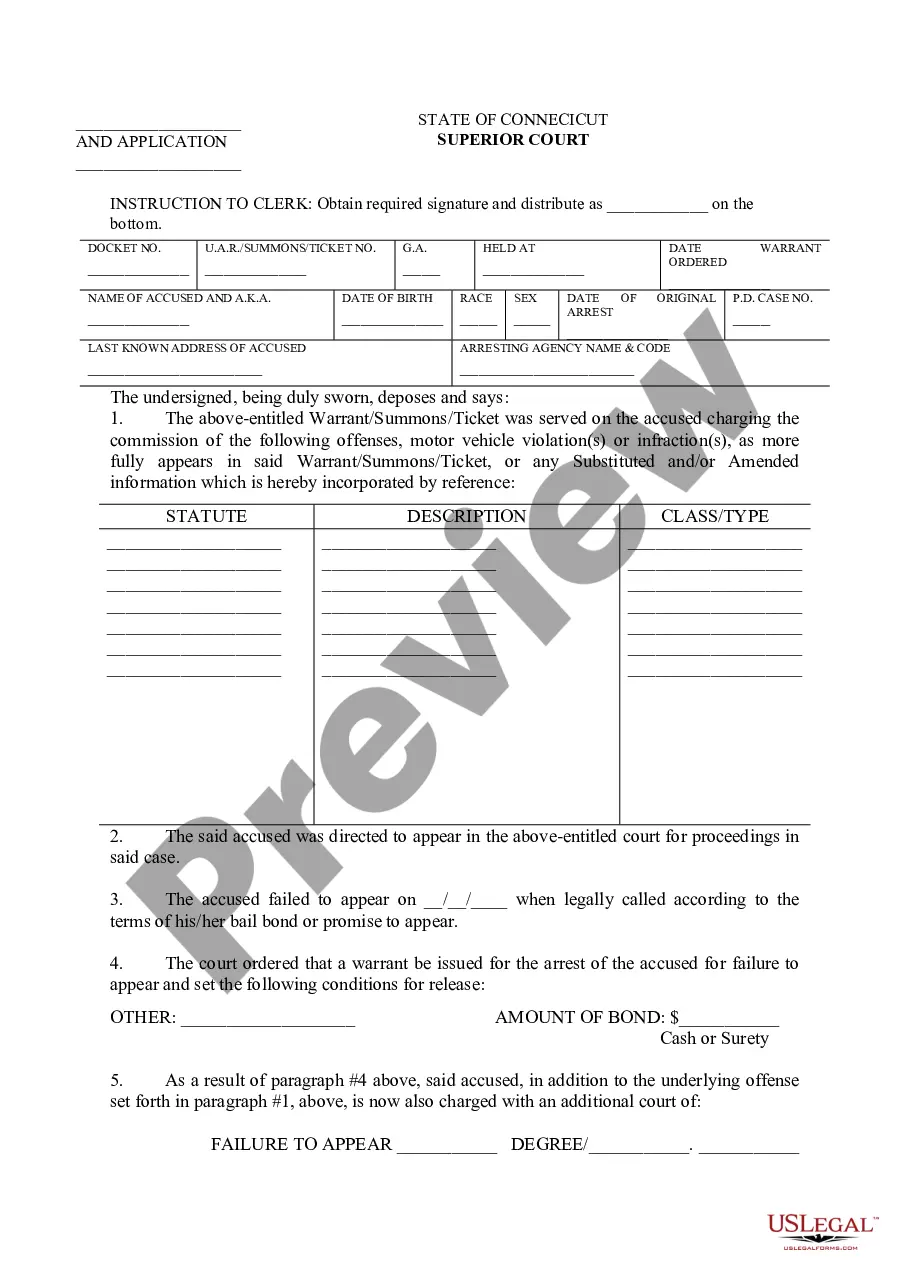
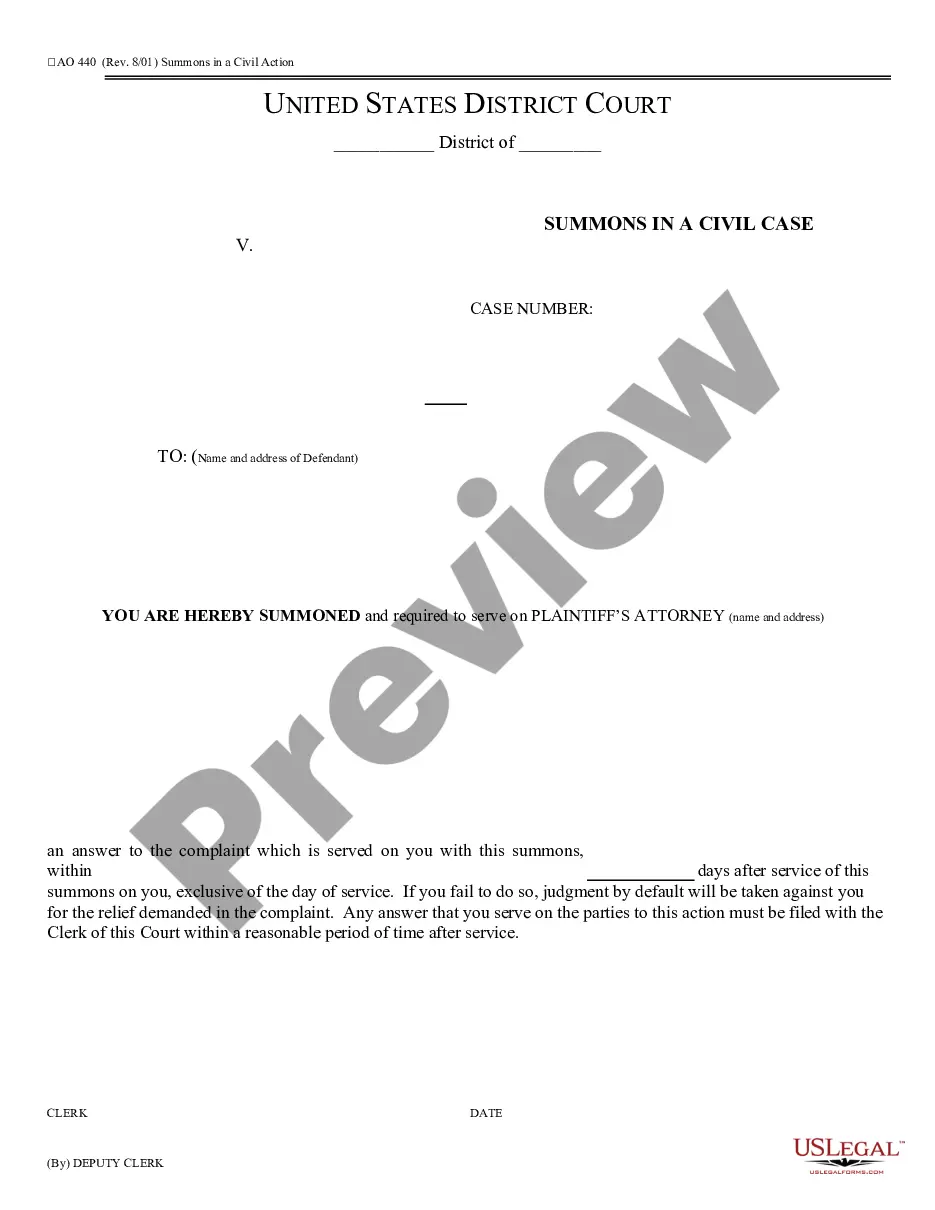
The Warrant/Summons/Ticket is a legal document issued by a judge or magistrate that authorizes law enforcement to arrest an individual. This form clearly outlines the charges against the accused and the conditions for their release. Unlike other legal documents, this form specifically addresses instances of failure to appear in court, holding the accused accountable for their absence and adding additional charges for this noncompliance.
Main sections of this form
- Docket number: Unique identifier for tracking the case.
- Name of accused: Full name and alias of the individual charged.
- Details of offenses: Specific statutes and descriptions of the violations.
- Conditions for release: Information on bail amounts and release terms.
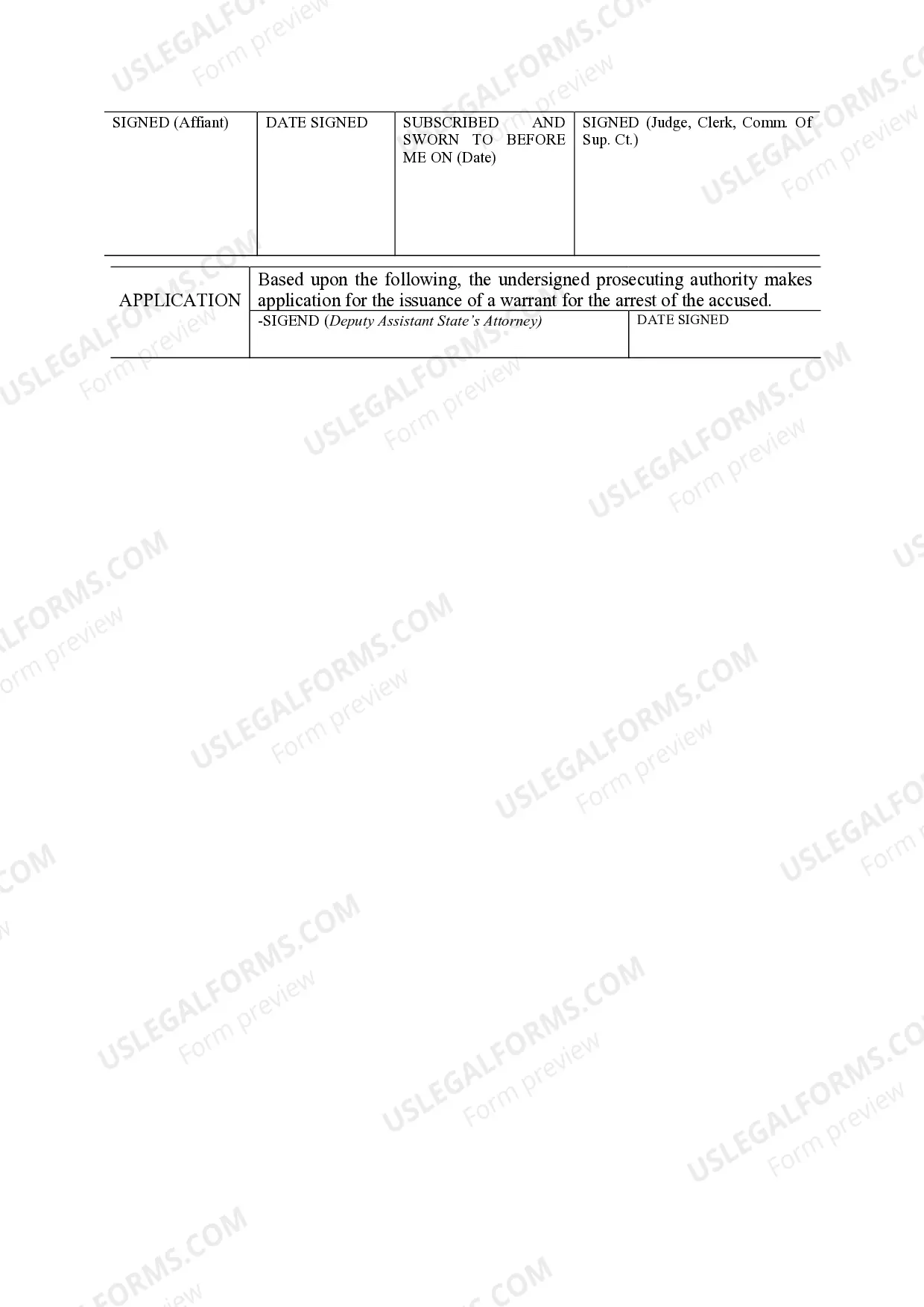
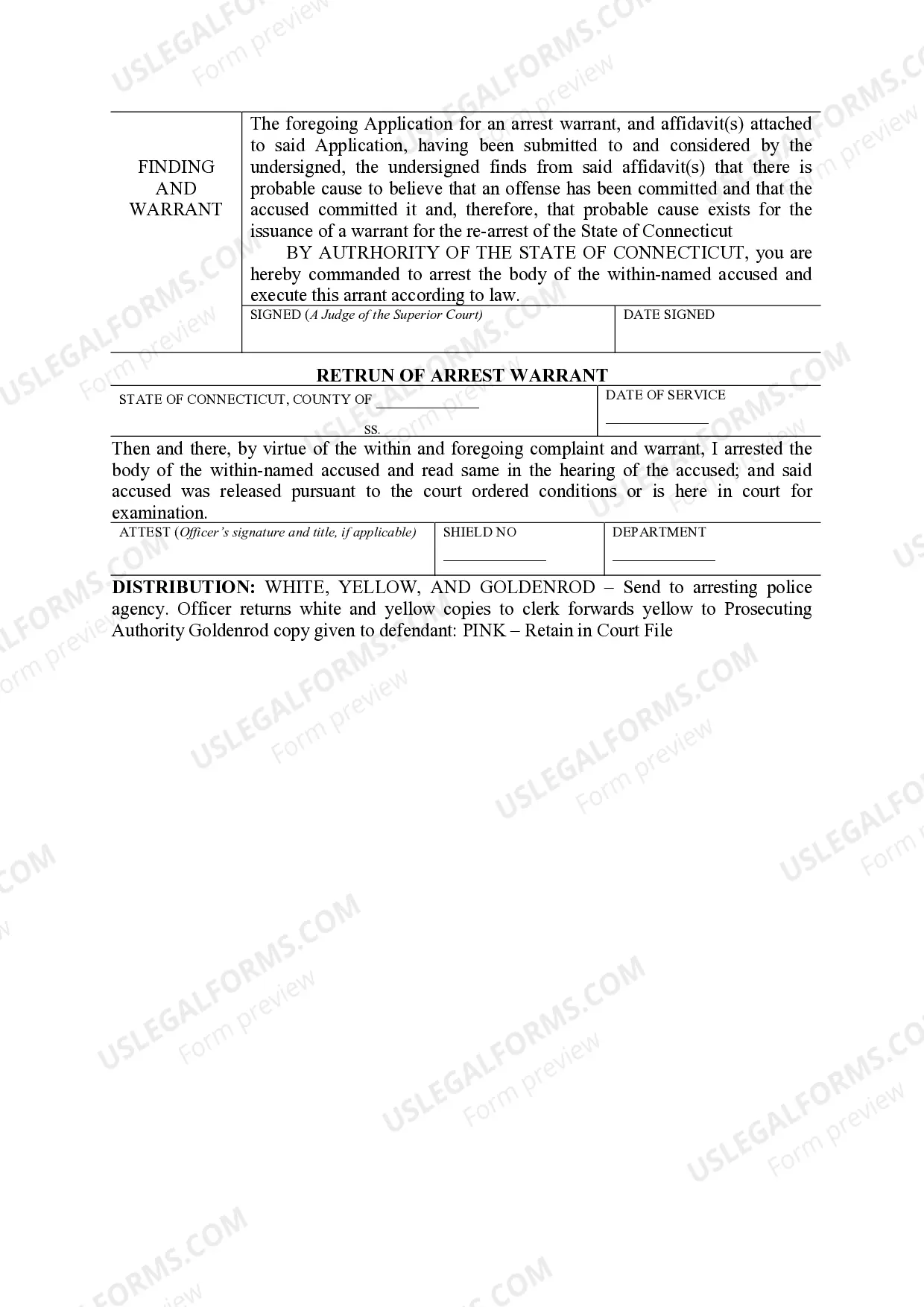
- Signature of authority: Signature of the issuing judge or clerk confirming the warrant.
- Return of warrant: Documentation of the arrest process and officerâs reporting.
Common use cases
This form should be used when an individual has failed to appear in court as required by a bail bond or promise to appear. Law enforcement must pursue the issuance of a warrant to facilitate the individualâs arrest for the initial offense and the added charge of failure to appear. It is essential in ensuring that the accused is brought to justice for the original violations.
Who needs this form
- Law enforcement officials seeking to arrest individuals who missed court dates.
- Prosecutors who need to formalize the charges against an accused individual.
- Judges or magistrates involved in the arraignment process of a failed appearance case.
How to complete this form
- Enter the docket number and any relevant U.A.R./summons/ticket numbers.
- Fill in the details of the accused, including name, alias, date of birth, race, and sex.
- List the offenses being charged along with the corresponding statute descriptions.
- Specify the date the warrant was ordered and the original date of the arrest.
- Include details regarding the conditions for release and the required bond amount.
- Ensure all signatures are properly obtained and dated at the end of the form.
Does this document require notarization?
This form does not typically require notarization unless specified by local law. However, it is essential to check the local legal requirements to ensure compliance before submission.
Get your form ready online
Our built-in tools help you complete, sign, share, and store your documents in one place.
Make edits, fill in missing information, and update formatting in US Legal Forms—just like you would in MS Word.
Download a copy, print it, send it by email, or mail it via USPS—whatever works best for your next step.
Sign and collect signatures with our SignNow integration. Send to multiple recipients, set reminders, and more. Go Premium to unlock E-Sign.
If this form requires notarization, complete it online through a secure video call—no need to meet a notary in person or wait for an appointment.
We protect your documents and personal data by following strict security and privacy standards.

Make edits, fill in missing information, and update formatting in US Legal Forms—just like you would in MS Word.

Download a copy, print it, send it by email, or mail it via USPS—whatever works best for your next step.

Sign and collect signatures with our SignNow integration. Send to multiple recipients, set reminders, and more. Go Premium to unlock E-Sign.

If this form requires notarization, complete it online through a secure video call—no need to meet a notary in person or wait for an appointment.

We protect your documents and personal data by following strict security and privacy standards.
Typical mistakes to avoid
- Failing to complete all required fields, which can lead to delays.
- Not providing accurate details of the accused or the charges.
- Omitting required signatures which can invalidate the warrant.
Why complete this form online
- Convenience: Easily accessible and downloadable from any location.
- Editability: Modify fields as necessary before printing.
- Reliability: Each form template is drafted by licensed attorneys to ensure legal compliance.
Legal use & context
This form can be legally enforced in court. It serves as a critical document that demonstrates probable cause for the issuance of an arrest warrant. The accurate and complete submission of this form is essential for upholding the rule of law and the rights of the accused.
Main things to remember
- The Warrant/Summons/Ticket is crucial for law enforcement actions regarding failures to appear in court.
- It must be completed accurately to ensure legal validity and proper enforcement.
- This form reflects the legal standards set by Connecticut law, addressing unique procedural requirements.
Looking for another form?
Form popularity
FAQ
To write a not guilty plea for a speeding ticket, start by addressing the court and including your ticket number. Clearly state that you are pleading not guilty and briefly outline your reasons for contesting the ticket. Be concise and factual, and make sure to include your contact information. For guided assistance in crafting your plea related to Connecticut Warrant/Summons/Ticket, uslegalforms offers resources that can help streamline the process.
The best plea for a speeding ticket often depends on the circumstances of your case. A common strategy is to plead not guilty if you believe you have valid defenses or mitigating factors. Alternatively, you might consider negotiating for a plea deal that can lessen the penalties. Consult with experts through uslegalforms to find the most suitable approach concerning your Connecticut Warrant/Summons/Ticket.
To plead not guilty to a ticket in Connecticut, you must respond to the ticket in writing or appear in court, depending on the instructions provided. Ensure you clearly state your intention to contest the ticket. After your plea is submitted, a trial date will be set where you can present your defense. Using uslegalforms can simplify the paperwork and guide you through the necessary steps related to Connecticut Warrant/Summons/Ticket.
If you plead not guilty to a speeding ticket in Connecticut, your case will go to trial. You will have the opportunity to present your side of the story and challenge the evidence against you. The judge will ultimately decide the outcome, which could result in a dismissal of the ticket, fines, or even points on your license. Understanding your rights and options is important, and uslegalforms can help you navigate the process related to Connecticut Warrant/Summons/Ticket.
Receiving a summons rather than a ticket often indicates a more serious matter requiring your attention. A summons formally asks you to appear in court to address the issue at hand. This difference highlights the legal urgency of your situation within the context of Connecticut warrants, summons, and tickets. Engaging with legal resources, like UsLegalForms, can help clarify your next steps.
In Connecticut, a ticket may become a warrant if it goes unpaid. Typically, this transition can occur after 30 days. However, the specific duration may vary depending on the circumstances and local regulations. It is advisable to address any ticket promptly to avoid escalation to a Connecticut warrant.
To determine if you have a warrant for a ticket, you can contact the local court or law enforcement agency in Connecticut. They usually offer a way to look up your record online or via phone. It's also wise to check any official mail regarding pending tickets, as it may include important notices. If you're unsure, resources from USLegalForms can help you navigate these inquiries and understand your legal standing.
Yes, a summons can function as a type of traffic ticket in Connecticut. It serves as a notification that you are required to appear in court for a related traffic violation. Understanding the distinctions between various types of tickets can help you navigate your situation more effectively. If you encounter a summons, turn to resources like USLegalForms to help clarify your next steps.
To plead not guilty to a ticket in Connecticut online, visit your local court's website or the Connecticut Judicial Branch website. You will typically find instructions for submitting your plea electronically. Make sure you have all relevant information ready, such as your ticket number and personal details. USLegalForms can provide you with the right forms and guidance to ensure your submission is complete.
Writing a not guilty plea for a speeding ticket involves clearly stating your intention to contest the ticket. Begin by including your personal information and ticket details, then specify that you plead not guilty. USLegalForms offers templates that can guide you through this process and ensure that your plea meets all legal requirements for Connecticut Warrants/Summons/Tickets.