What is a fiduciary deed? Understanding its purpose and use
A fiduciary deed is a legal document used to transfer property held in a fiduciary capacity. It is often utilized by a personal representative of an estate to convey real estate to heirs or beneficiaries. By executing this deed, the representative acts on behalf of the deceased, ensuring the property is transferred according to the wishes laid out in the will or estate plan.
Who should use this form
The fiduciary deed is primarily used by personal representatives or executors of an estate. If you have been appointed as the representative of a deceased person's estate and need to transfer property to beneficiaries, this form is essential. Additionally, attorneys handling estate matters should be familiar with this document to assist their clients effectively.
Key components of the form
A fiduciary deed contains several important components that must be accurately filled out to ensure validity:
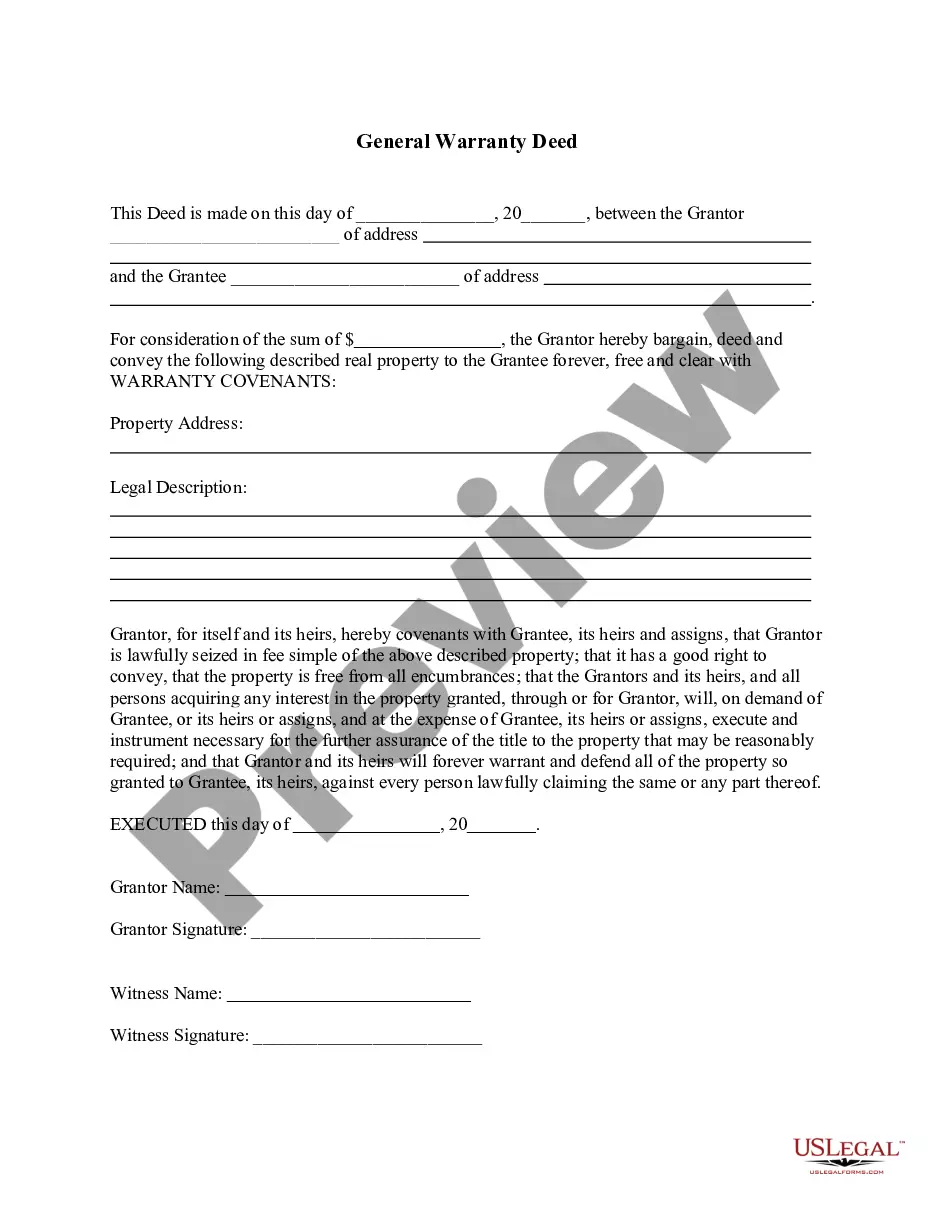
- Identification of the Grantor: The full name and address of the personal representative must be included.
- Identification of the Grantee: The name and address of the beneficiary receiving the property should be specified.
- Description of the Property: A detailed legal description of the property being conveyed is necessary.
- Consideration: The amount of money involved in the transaction, if applicable, needs to be stated.
- Notarization: The deed must be notarized to be legally binding.
How to complete a form
Completing a fiduciary deed involves several careful steps:
- Gather all necessary information, including personal details of the grantor, grantee, and a legal description of the property.
- Fill out the form in legible writing, ensuring accuracy in all fields.
- Include the date of the transfer and the amount of compensation, if relevant.
- Sign the document in front of a notary public to have it officially acknowledged.
- File the completed deed with the appropriate local government office, usually the county recorder.
What to expect during notarization or witnessing
When notarizing a fiduciary deed, you can expect the following process:
- Present the completed form to a notary public.
- Provide valid identification to confirm your identity.
- Sign the document in the presence of the notary.
- The notary will then affix their seal and signature, verifying the authenticity of the signatures and the date.
Ensure that you are signing in front of the notary, as the presence of the notary is crucial for the deed’s legal validity.
Common mistakes to avoid when using this form
When preparing a fiduciary deed, be aware of these common pitfalls:
- Failing to include a complete legal description of the property.
- Not notarizing the deed, which can lead to challenges in the transfer's legality.
- Leaving out necessary signatures or information about the grantor or grantee.
- Improperly identifying the capacity in which the personal representative is acting, which could invalidate the deed.