What is an order in legal terms? Understanding its implications
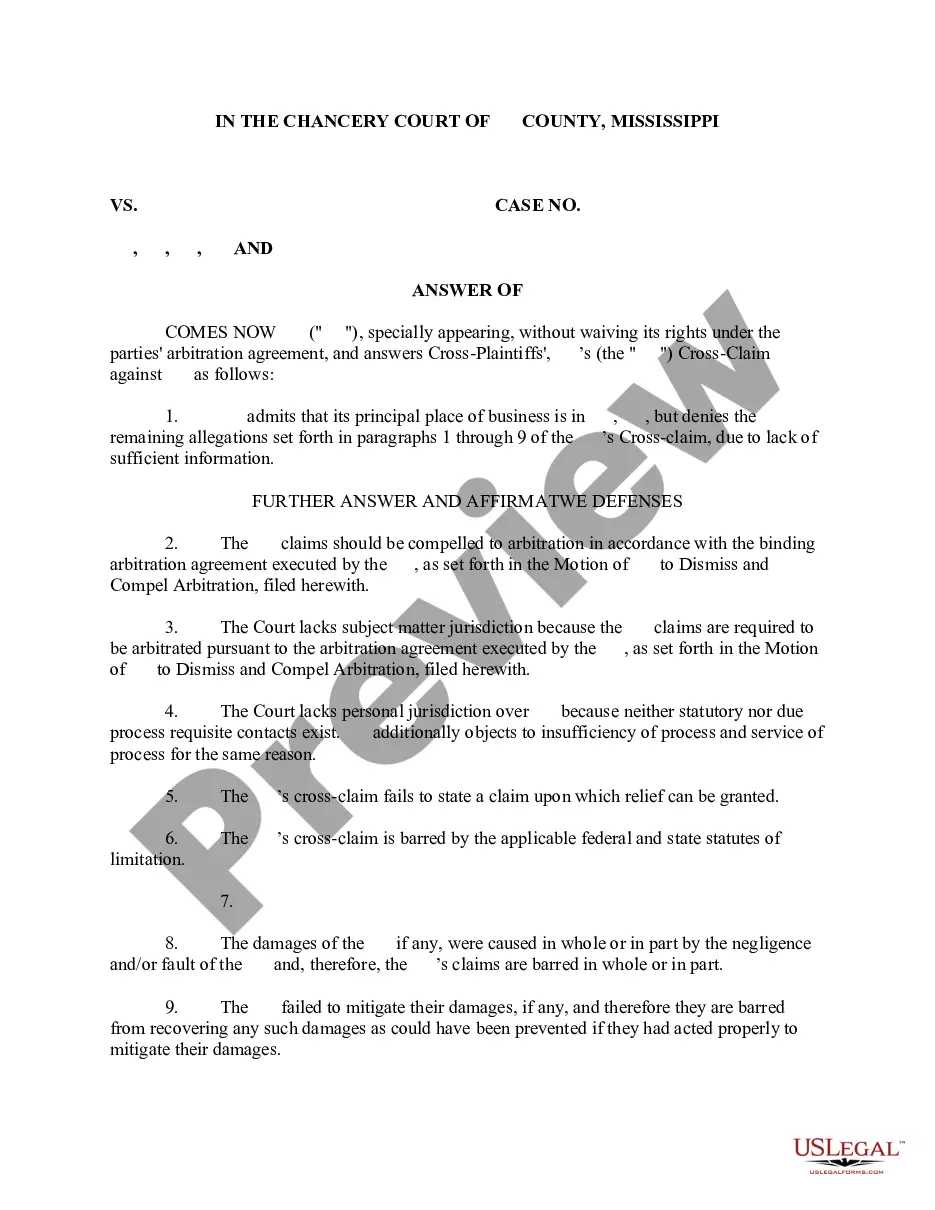
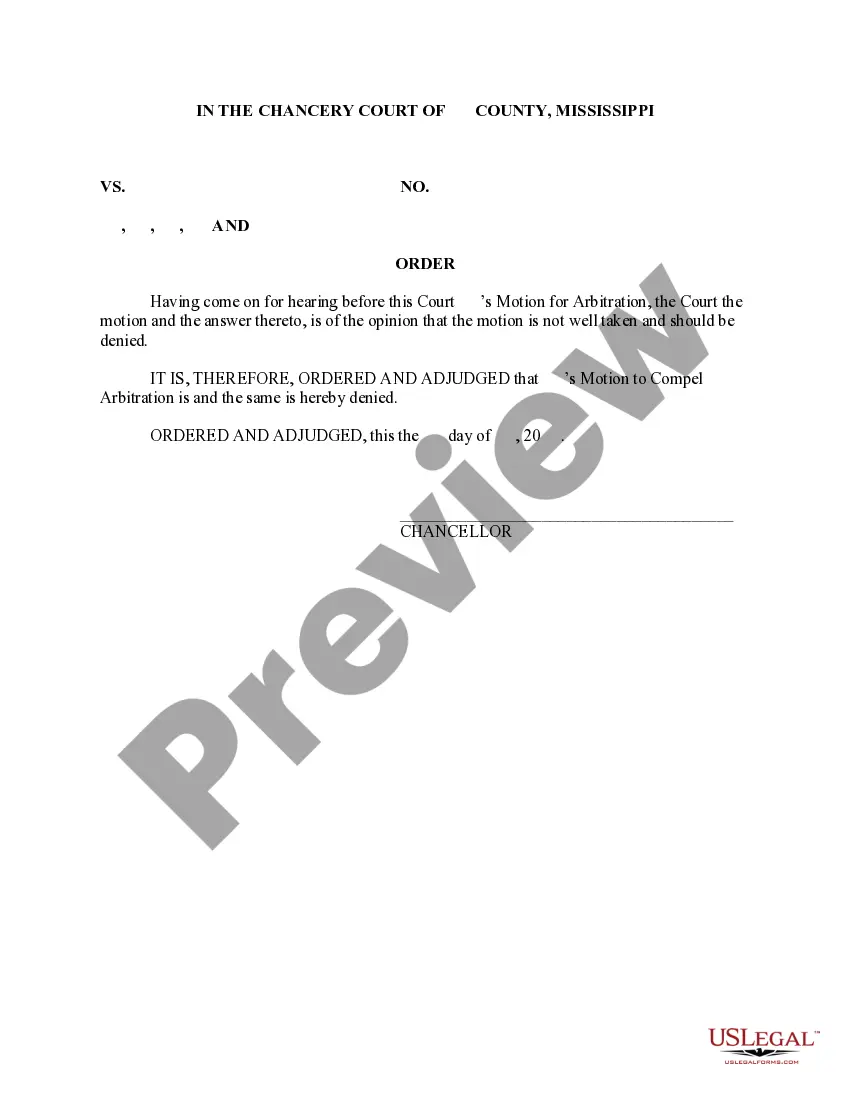
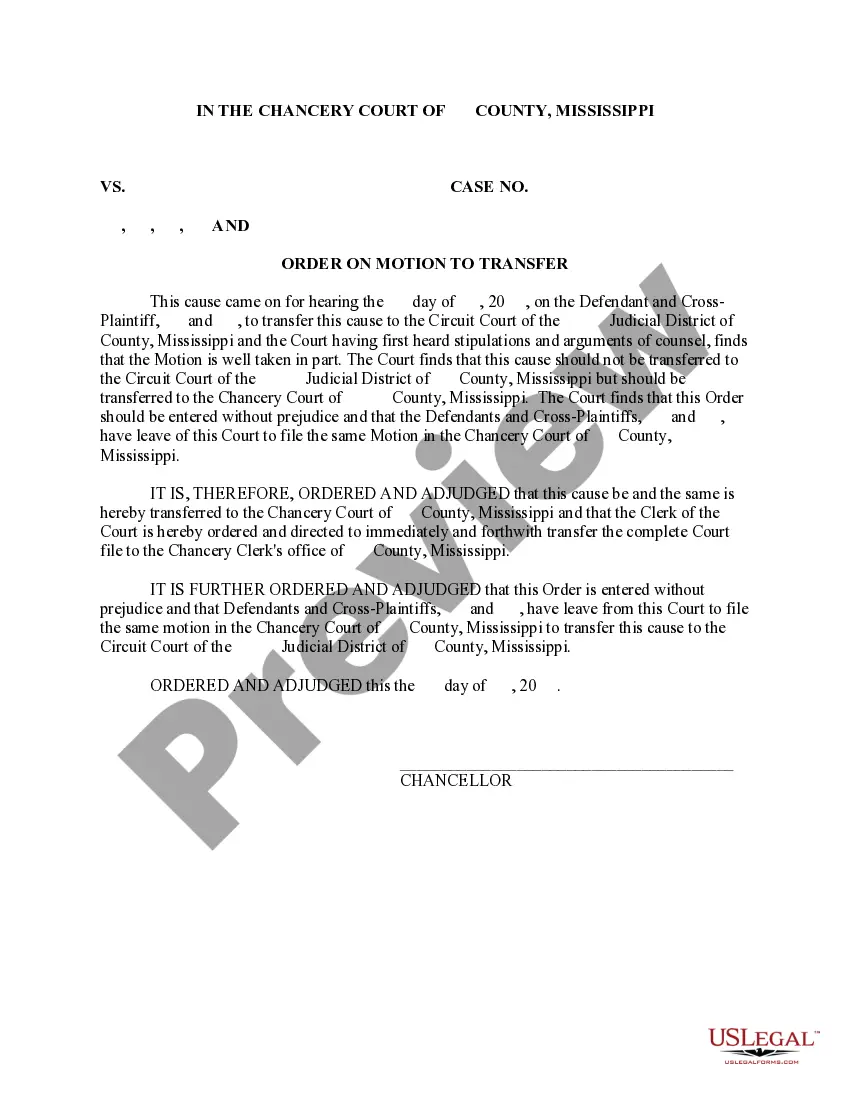
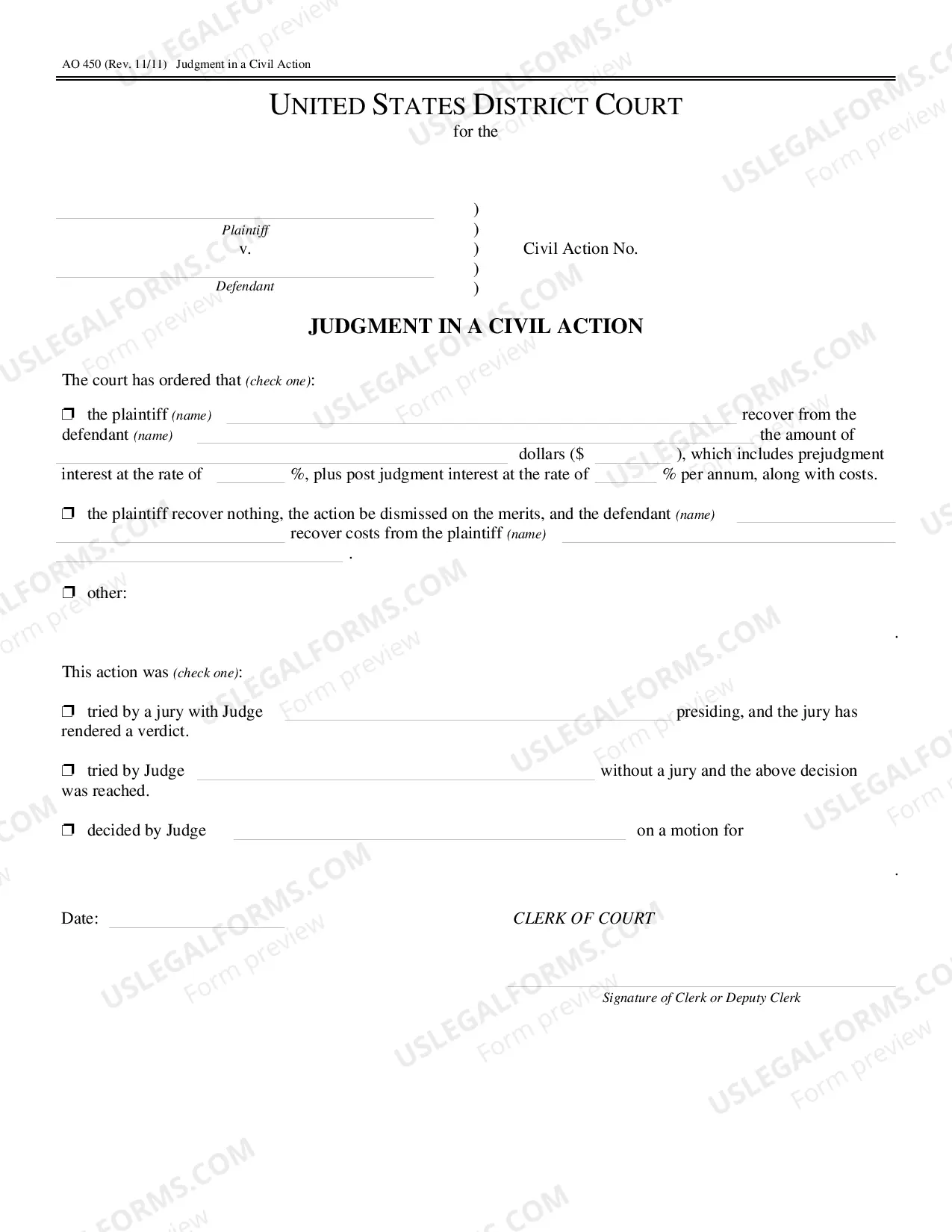
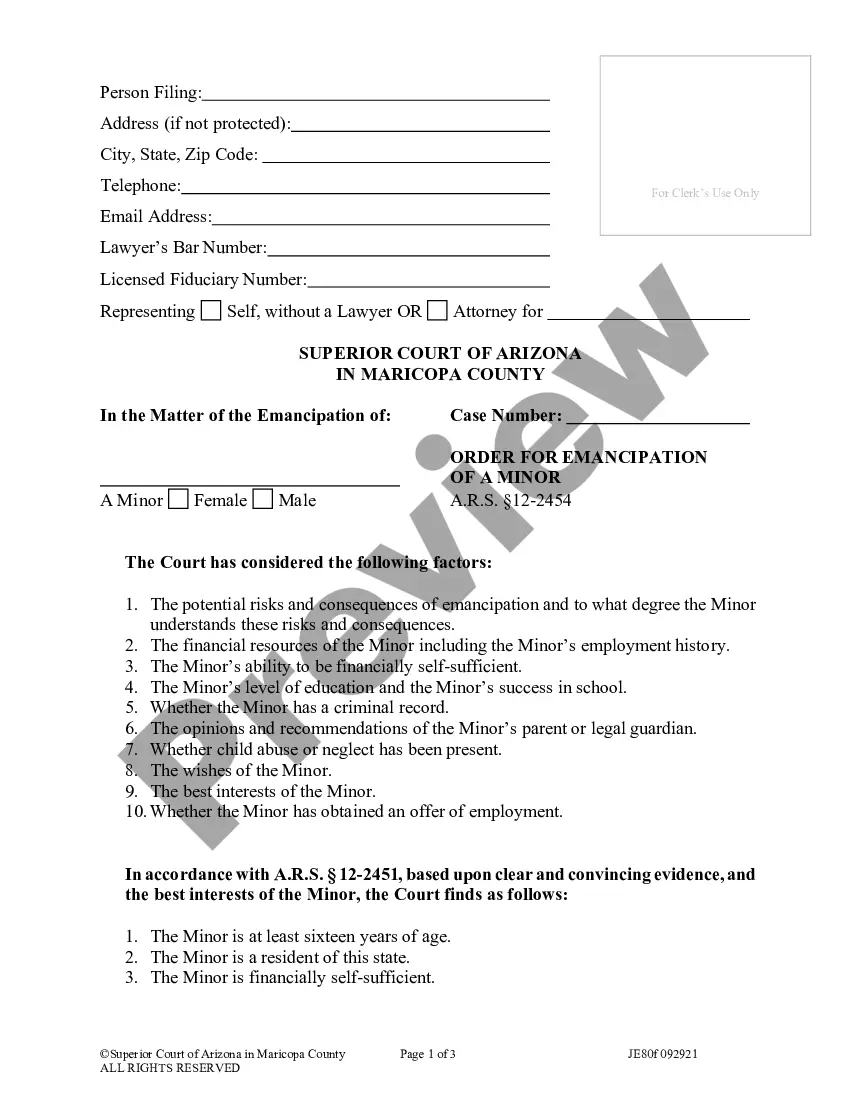
An order in legal terms is a directive issued by a court or a judge that commands or authorizes a specific action or decision. This can encompass a wide range of requests, from a simple procedural instruction to complex decrees that may significantly affect the rights of the involved parties. It essentially serves as a formal statement of the court's findings or decisions.
Legal use and context
Orders are commonly utilized in various legal proceedings, including divorce cases, custody disputes, and civil lawsuits. They clarify what is required of the parties involved and outline the court's intended outcome on specific issues. Knowing what an order entails is crucial for individuals navigating the legal system, as non-compliance can lead to legal consequences.
Who should use this form
This form is ideal for individuals involved in legal proceedings who need to understand the implications of court orders. This includes parties in divorce, custody cases, or civil litigation, as well as anyone seeking to enforce, modify, or challenge existing orders. Understanding what an order in legal terms means can help users navigate their legal responsibilities and rights more effectively.
Key components of the form
A comprehensive understanding of an order includes recognizing its key components. Some essential elements are:
- The title of the order, which specifies the nature of the directive.
- The parties involved in the order.
- The specific actions required as directed by the court.
- The date of issuance, noting when the order becomes effective.
- Signature of the presiding judge or court official.
These elements ensure clarity and enforceability of the order.
Common mistakes to avoid when using this form
When dealing with legal orders, it's essential to avoid common pitfalls that could jeopardize your case:
- Failing to meet deadlines set by the order.
- Not understanding the specific terms and conditions outlined in the order.
- Ignoring the requirement to comply with any court directives.
- Overlooking the need for proper legal representation when challenging or enforcing an order.
Being aware of these mistakes can help users effectively navigate legal orders and avoid unnecessary complications.
What to expect during notarization or witnessing
When an order requires notarization or witnessing, the process typically involves several steps:
- Presenting valid identification to the notary or witness.
- Completing the form in the presence of the notary or witness.
- The notary or witness will sign the document, indicating that they have observed the signing.
These steps ensure the authenticity of the order, affirming that it has been executed properly in accordance with legal standards.
Key takeaways
Understanding an order in legal terms is crucial for anyone involved in legal proceedings. Key points include:
- Orders are formal directives that outline court decisions.
- Recognizing who should utilize this form will enhance its effectiveness.
- Avoiding common mistakes ensures compliance and reduces legal risks.
- Knowing the notarization process adds an additional layer of validity to the order.
Emphasizing these aspects can lead to a more informed and prepared approach to legal obligations.