What Is an Objection to Document Request? Understanding the Basics
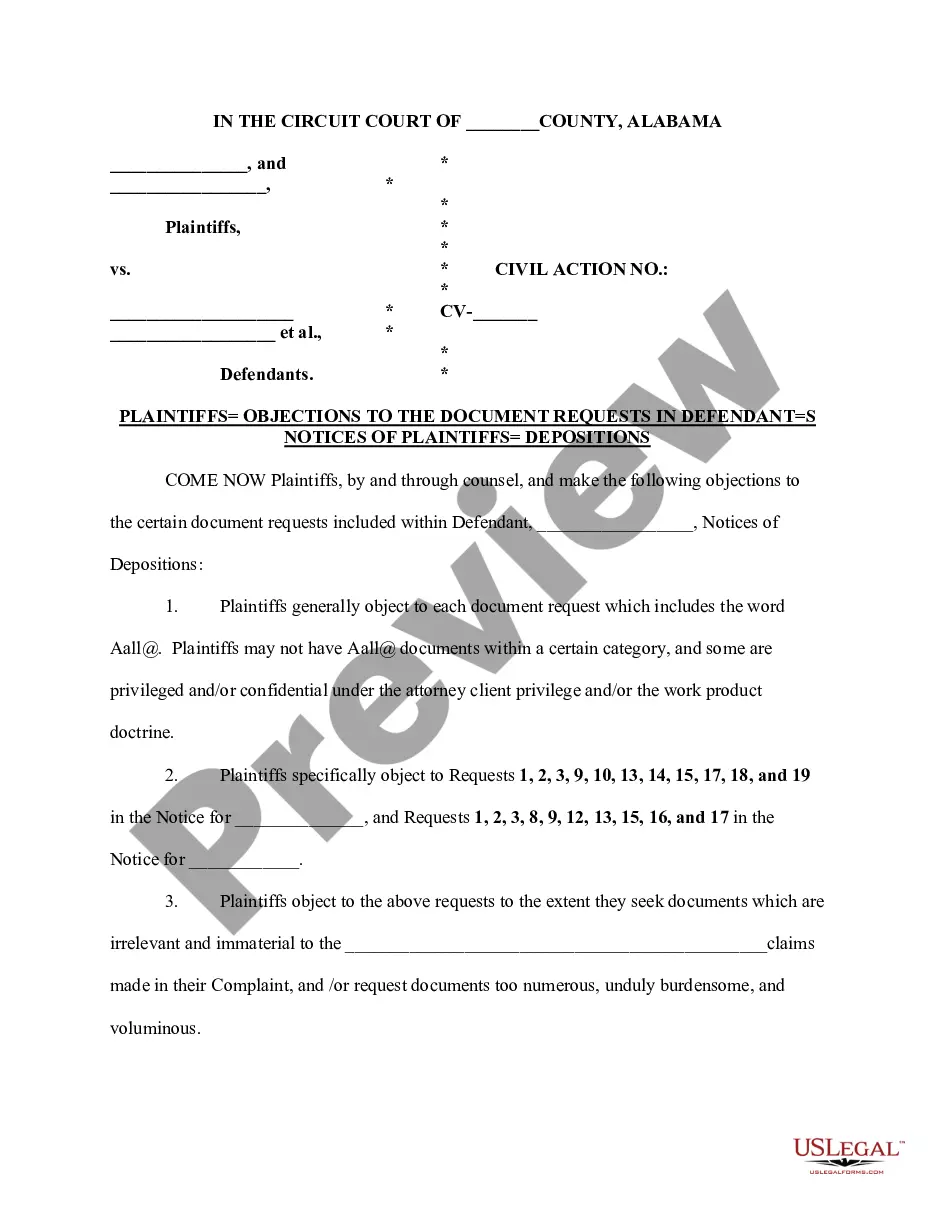
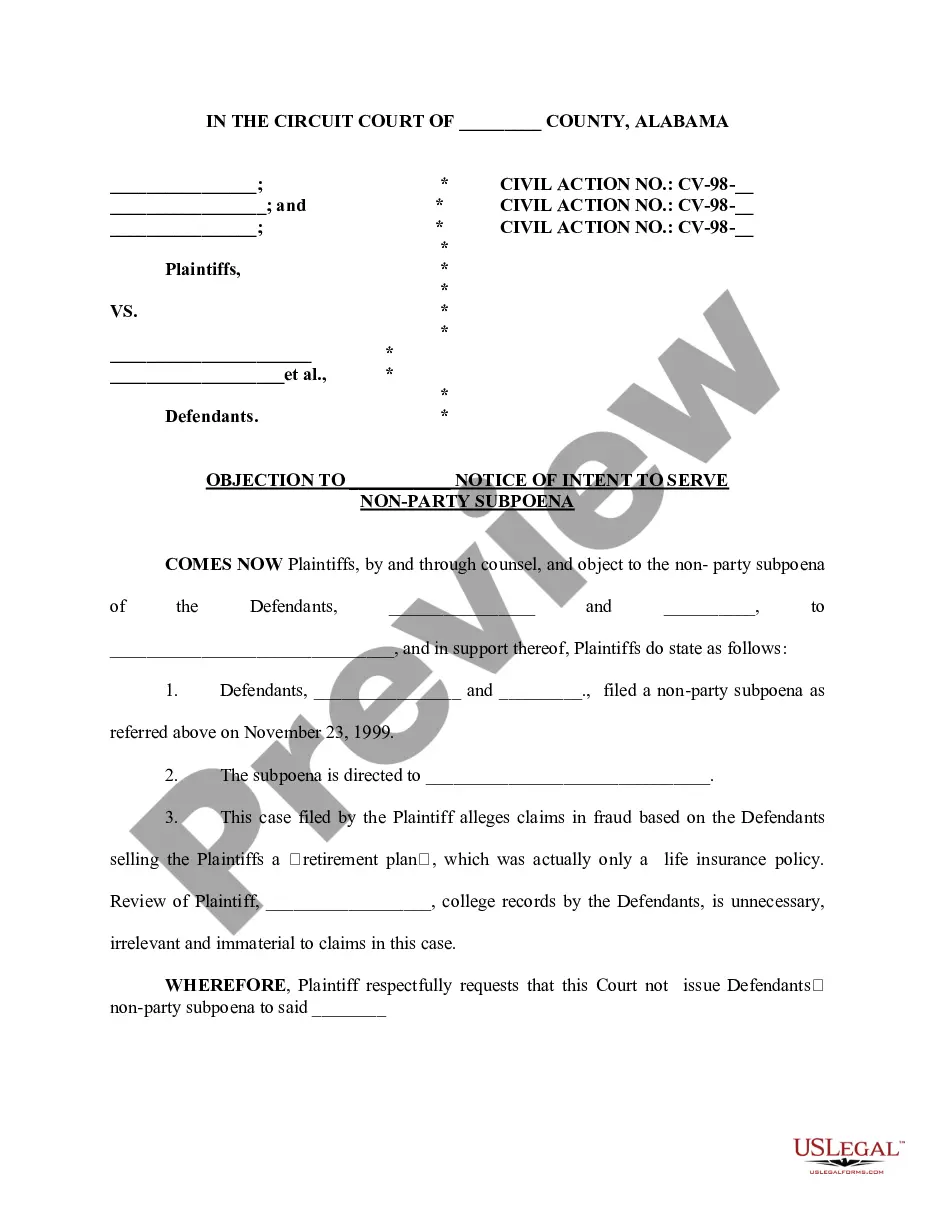
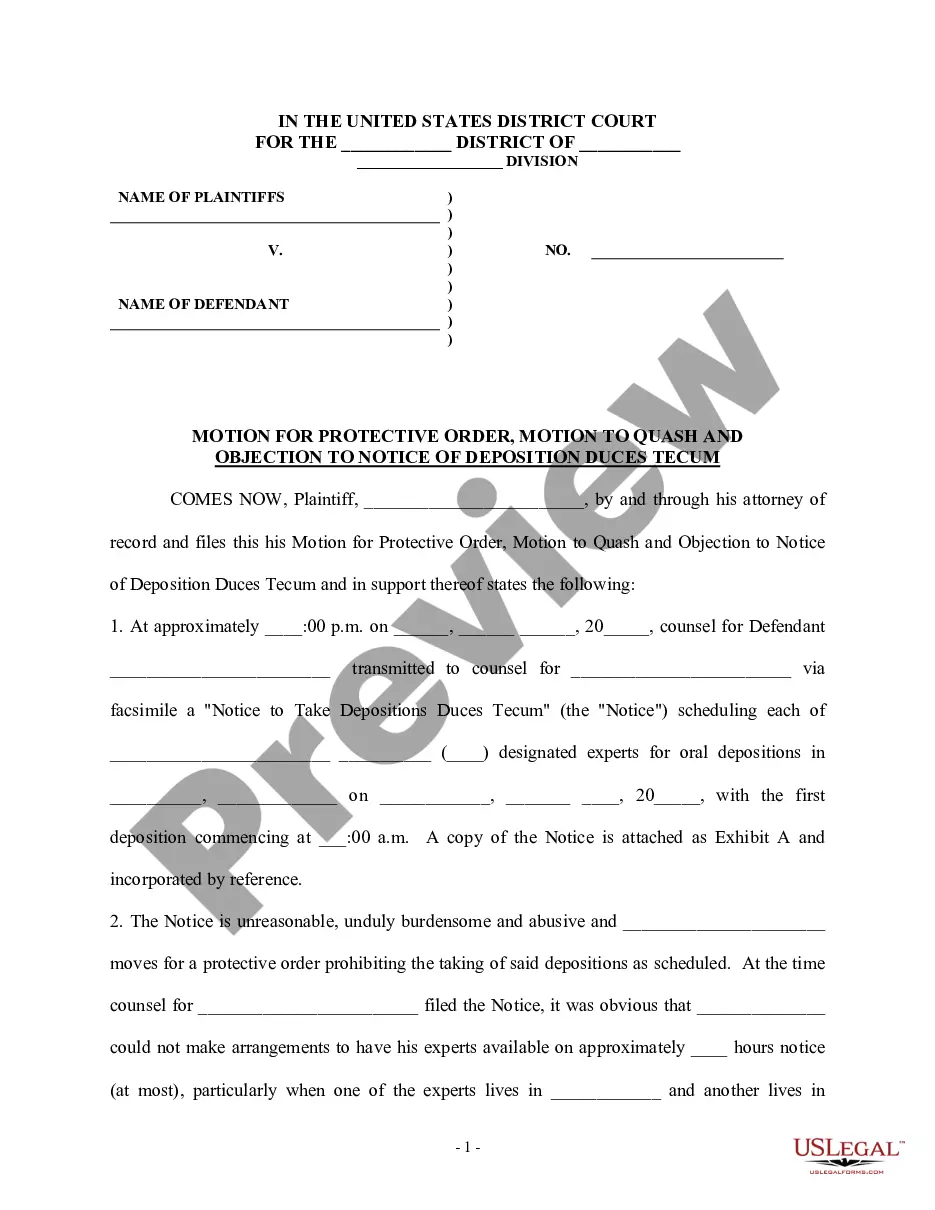
An objection to document request is a formal response made during the discovery phase of a legal proceeding. This document allows a party to raise an objection against another party's request for documents. Such requests are often made to gather evidence or information relevant to the case. In some situations, a party may find certain requests to be overly broad, irrelevant, privileged, or unduly burdensome. By filing an objection, the responding party seeks to limit the scope of what must be produced.
Legal use and context
Objections to document requests are prevalent in civil litigation. They ensure that the discovery process is fair and manageable. Parties typically file these objections in response to document requests that are part of the discovery process outlined in various rules, such as Rule 30(b)(5) of the Federal Rules of Civil Procedure. Understanding the legal context surrounding these objections helps parties navigate the complexities of discovery effectively.
Who should use this form
This form is primarily used by defendants or plaintiffs in a lawsuit who have received document requests from the opposing party. It is particularly relevant for individuals or entities involved in civil litigation that requires the exchange of evidence, such as businesses managing disputes or individuals involved in family law cases. Anyone that needs to assert their rights to limit document production should utilize this form.