What Is an Alias Summons? Understanding Its Purpose and Use
An alias summons is a legal document issued by a court that notifies a defendant that a lawsuit has been filed against them, without requiring the plaintiff to issue a new original summons. It is typically used when the original summons cannot be served within the required time frame or when service of the original summons has failed.
How to complete a form
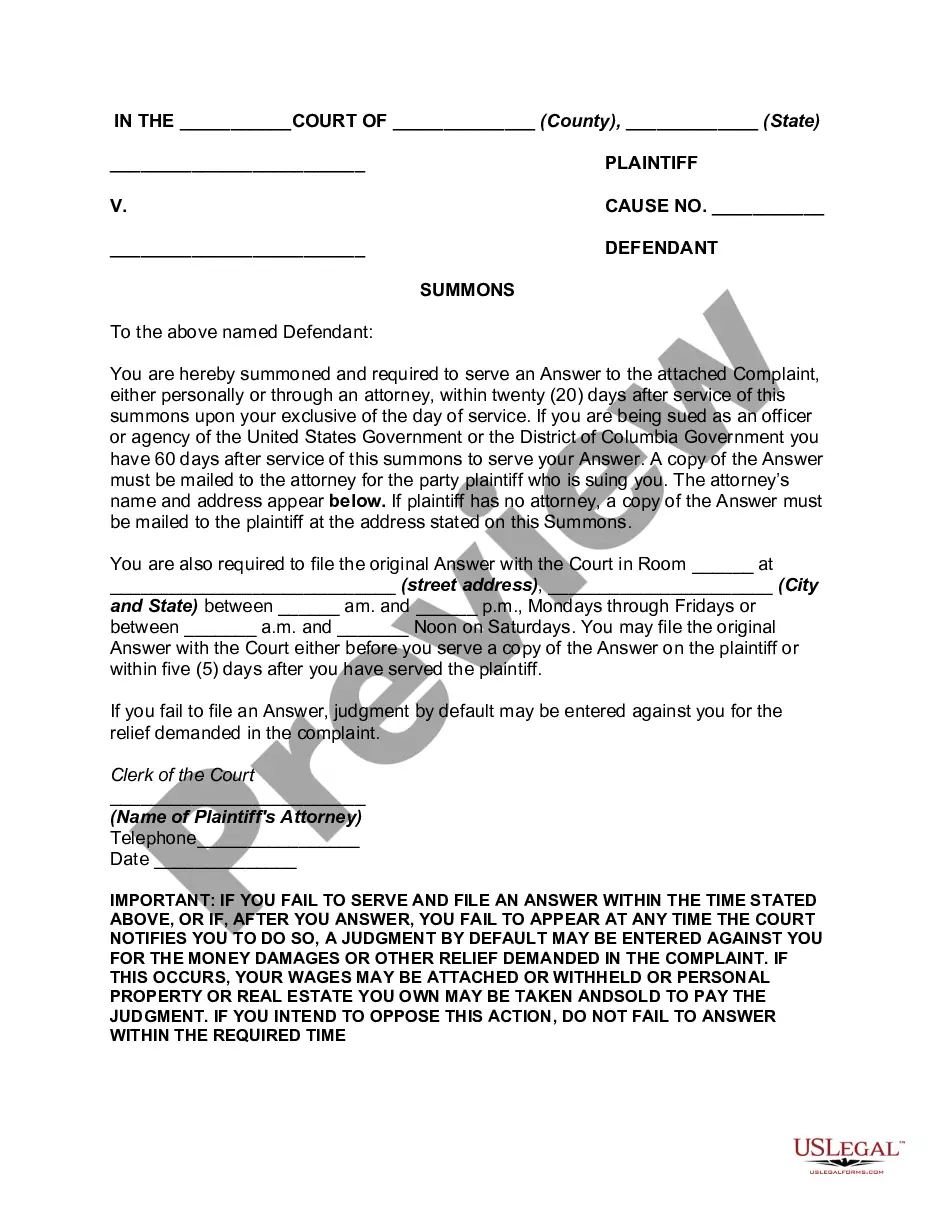
Completing an alias summons requires filling out specific details regarding the court, the parties involved, and the nature of the complaint. Follow these steps:
- Fill in the name and address of the plaintiff and defendant.
- Include the court information, such as the name of the county and the court's address.
- State the nature of the complaint briefly.
- Sign and date the form in the designated area.
Ensure all information is accurate to avoid delays in processing.
Who should use this form
This form is primarily used by plaintiffs in civil lawsuits who need to notify defendants of pending litigation. Anyone filing a complaint in court must understand when to opt for an alias summons, especially if their original attempt to serve the summons was unsuccessful.
Key components of the form
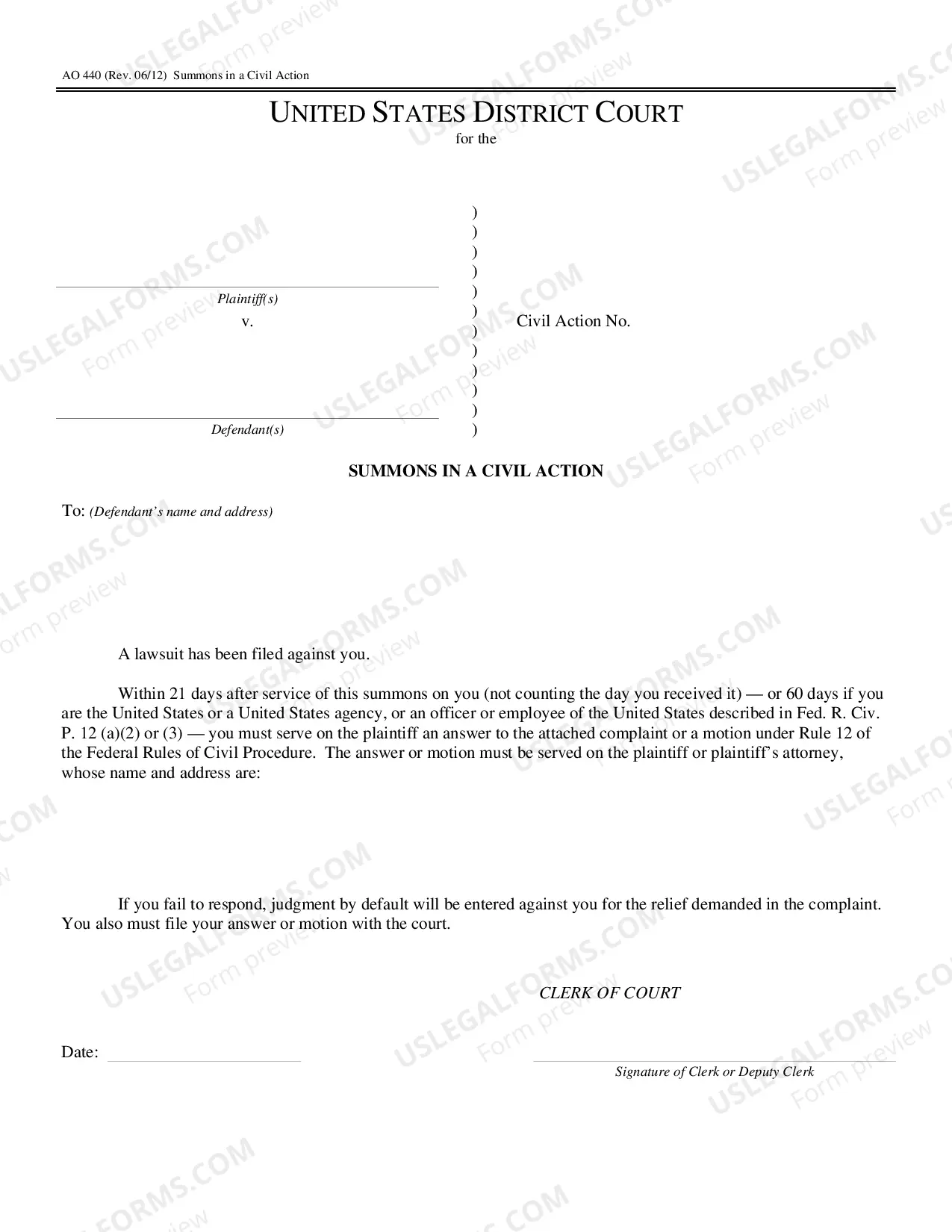
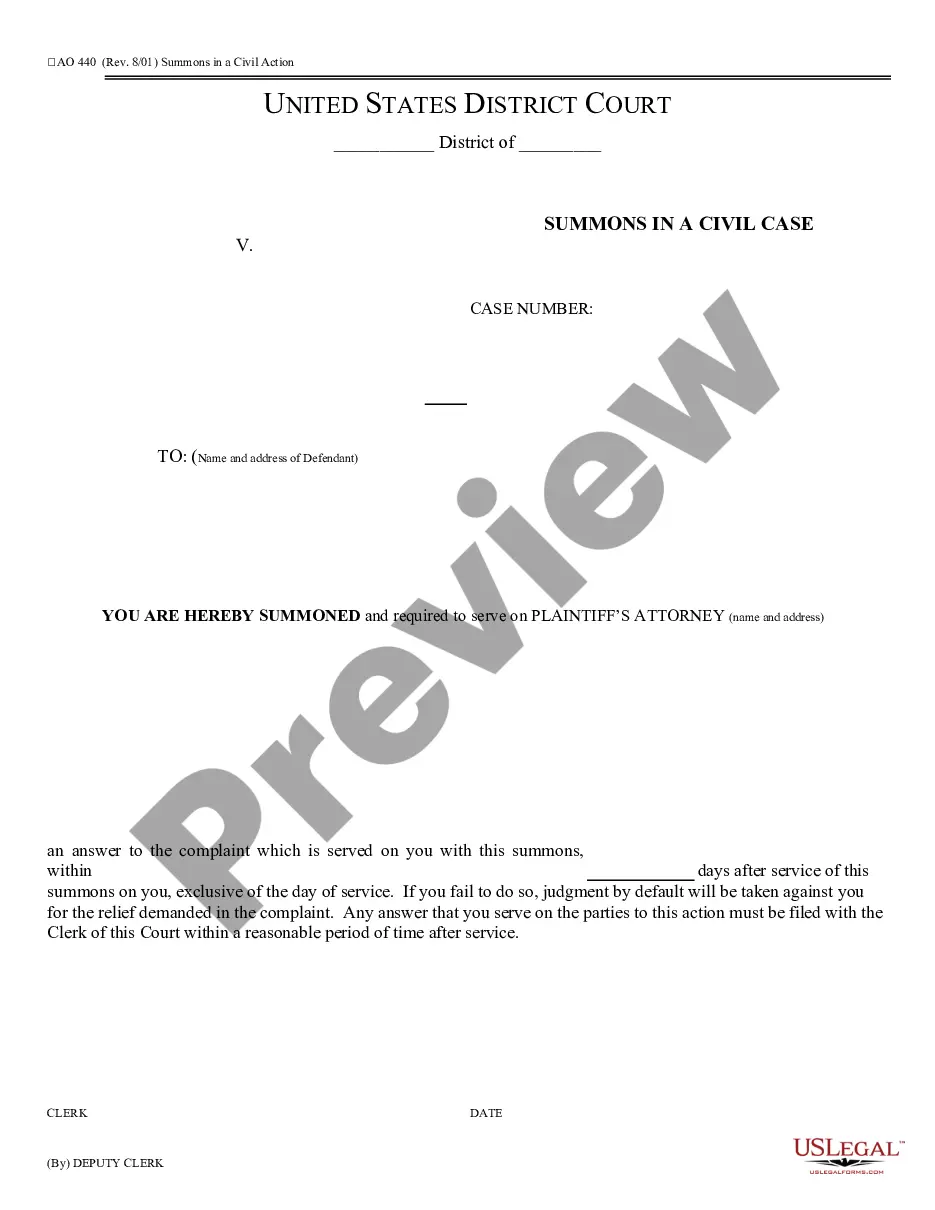
Understanding the main sections of an alias summons is crucial for its proper use. Key components include:
- Court Information: The name and address of the court where the lawsuit is filed.
- Parties Involved: Names and addresses of the plaintiff(s) and defendant(s).
- Complaint Detail: A brief statement about the nature of the complaint or claim against the defendant.
- Response Instructions: Directions for the defendant on how and when to respond to the summons.
Common mistakes to avoid when using this form
When using an alias summons, avoid these common errors:
- Failing to include accurate addresses for the parties involved.
- Not following the required timeline for serving the summons.
- Neglecting to provide clear instructions for the defendant's response.
- Forgetting to sign and date the form before submission.
What to expect during notarization or witnessing
In many jurisdictions, an alias summons must be notarized or witnessed to be valid. During this process, you can expect the following:
- The notary or witness will verify your identity.
- You will need to sign the document in the presence of the notary or witness.
- The notary or witness will also sign the form, confirming that they witnessed the signing.
Make sure to check local regulations, as requirements can vary.