What Is Acknowledgment By Choice? Understanding The Basics
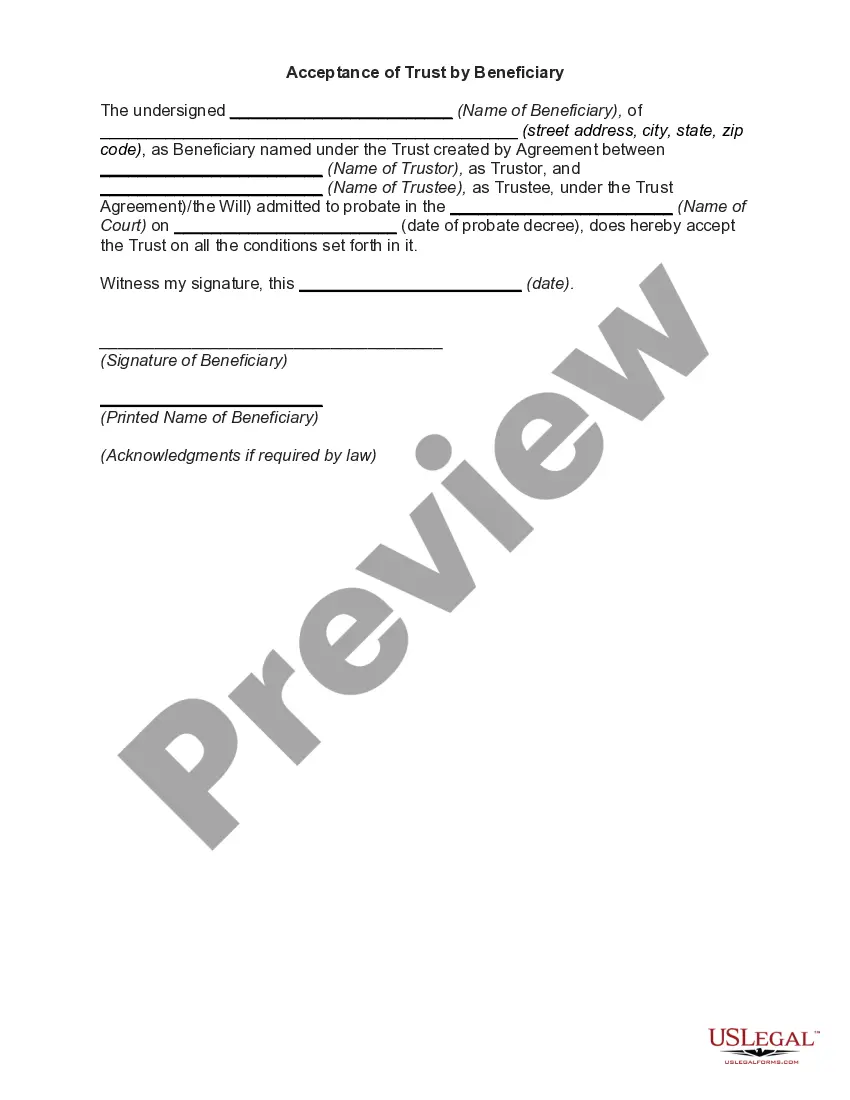
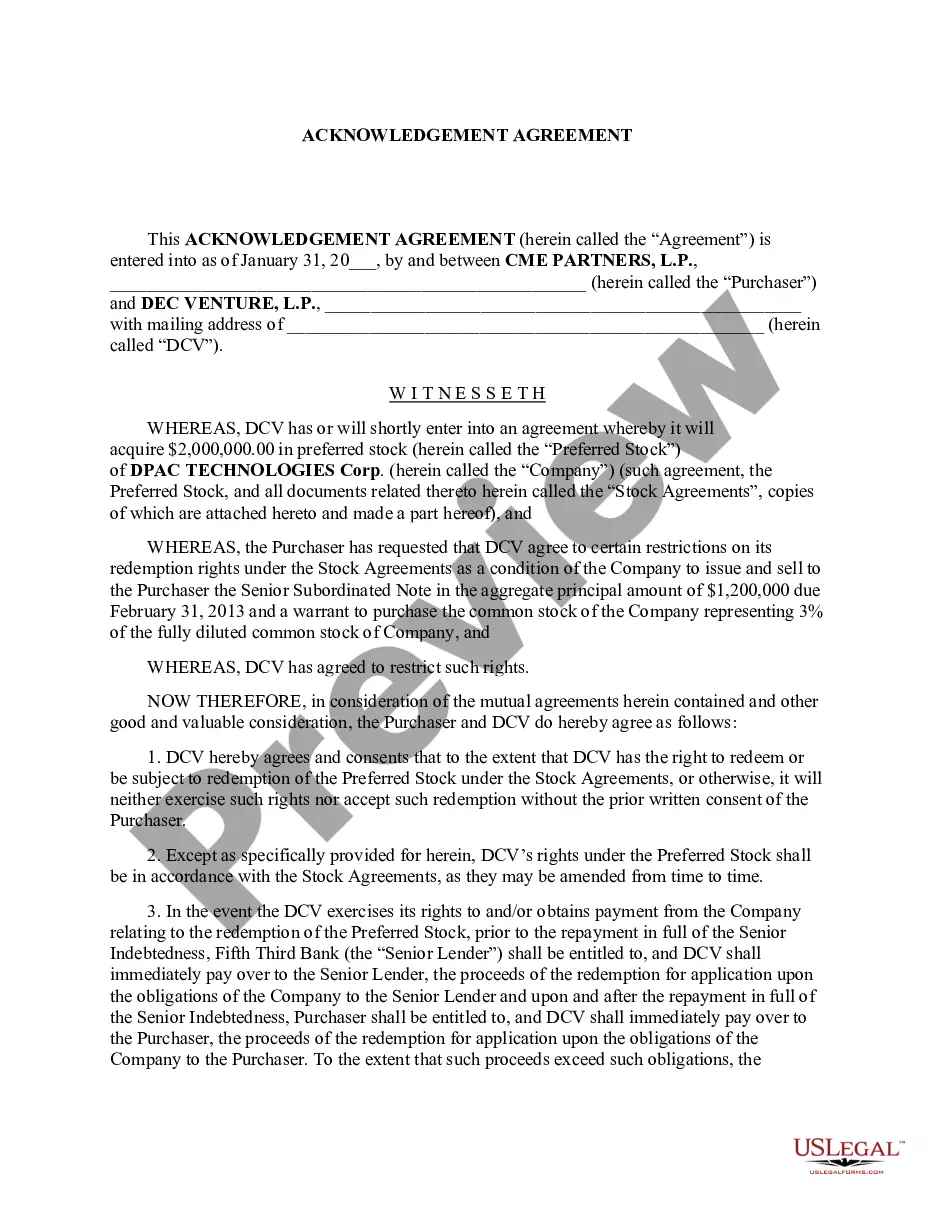
Acknowledgment by choice refers to a formal process where individuals or entities confirm their understanding and acceptance of a document or agreement. This acknowledgment serves as a declaration that the parties involved have voluntarily agreed to the terms outlined in the document. It is a crucial step in various legal contexts, providing assurance that all parties are aware of their rights and responsibilities.
Key components of the form
The acknowledgment by choice form typically includes several essential components:
- Signatures: The form must be signed by all parties involved to validate the acknowledgment.
- Printed names: Each signatory must print their name for clarity.
- Titles: If applicable, the titles of the signatories should be included to clarify their roles.
- Date and location: The form should indicate where and when the acknowledgment took place.
These components are vital to ensure that the acknowledgment is legally binding and properly documented.
Who should use this form
This form is suitable for a variety of individuals and entities, including:
- Individuals entering into agreements.
- Business partnerships formalizing their arrangements.
- Corporations executing contracts.
- Attorneys in fact acting on behalf of another party.
Anyone needing to affirm their acceptance of a document securely and formally should consider using this form.
Common mistakes to avoid when using this form
When completing the acknowledgment by choice form, it's important to avoid the following common errors:
- Missing signatures: Ensure every required party has signed the form.
- Incorrect or missing printed names: Verify that all printed names match the signatures.
- Absence of titles: If relevant, include the titles to specify roles within organizations.
- Improper notarization: Ensure that the notarization procedure is followed if required, including the notary's signature and seal.
By paying attention to these details, users can avoid complications related to the form's validity.
What to expect during notarization or witnessing
During the notarization process, the following steps should be anticipated:
- Verification of identity: The notary public will confirm the identity of each signatory, often requiring government-issued identification.
- Signature in presence: All signatories must approach the notary to sign the document in their presence.
- Completion of notarial certificate: The notary will complete the notarial certificate, which includes their signature and official seal.
This process provides an extra layer of validation and security for the acknowledgment by choice.
Legal use and context
The acknowledgment by choice is often used in various legal situations, including:
- Contracts between parties, ensuring that everyone understands and agrees to the terms.
- Legal documents that require formal acknowledgment of liabilities or responsibilities.
- Documentation in real estate transactions, confirming ownership and agreements.
Understanding the legal context in which this form is used can help parties ensure they are appropriately covered by law.