What is a tax deed and how does it work?
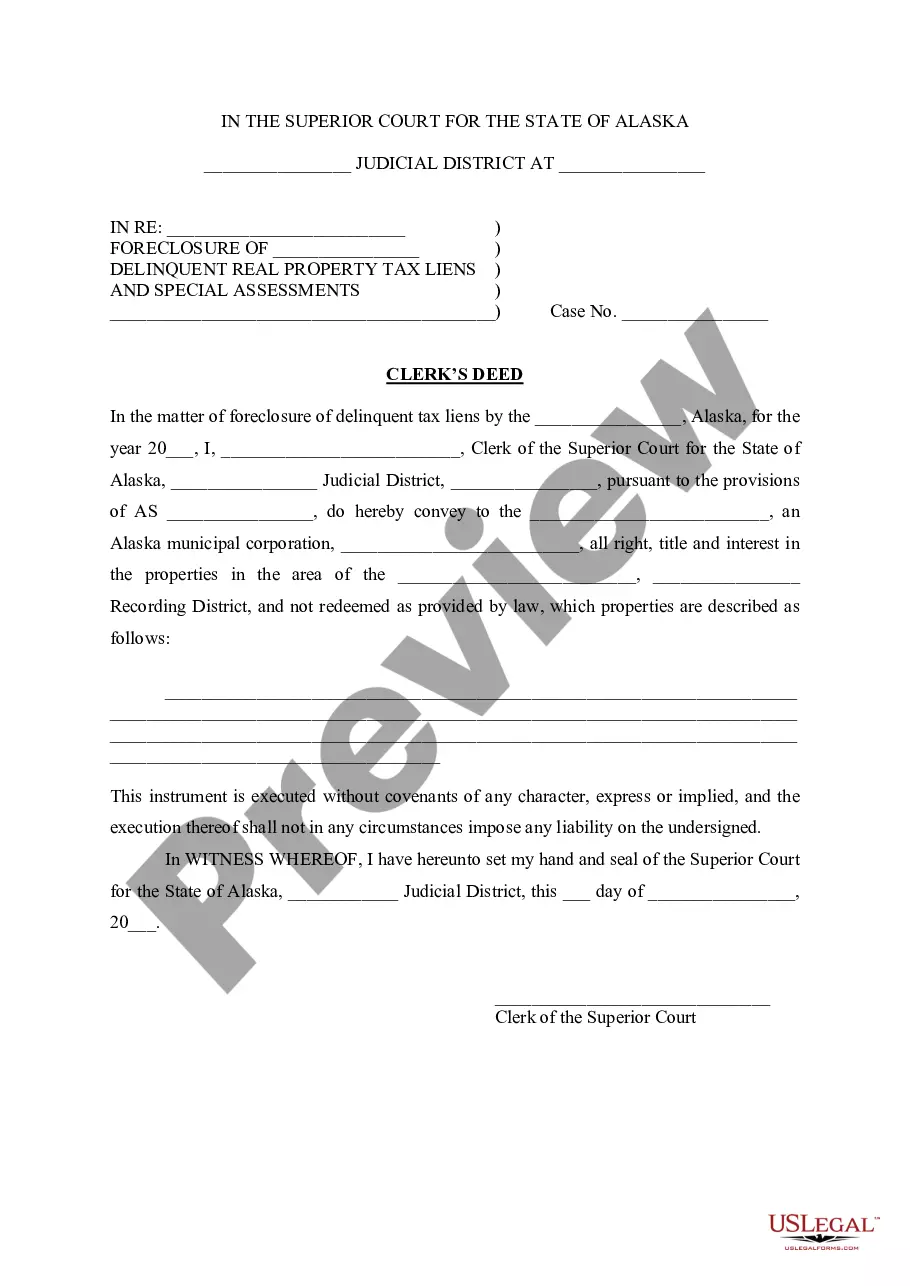
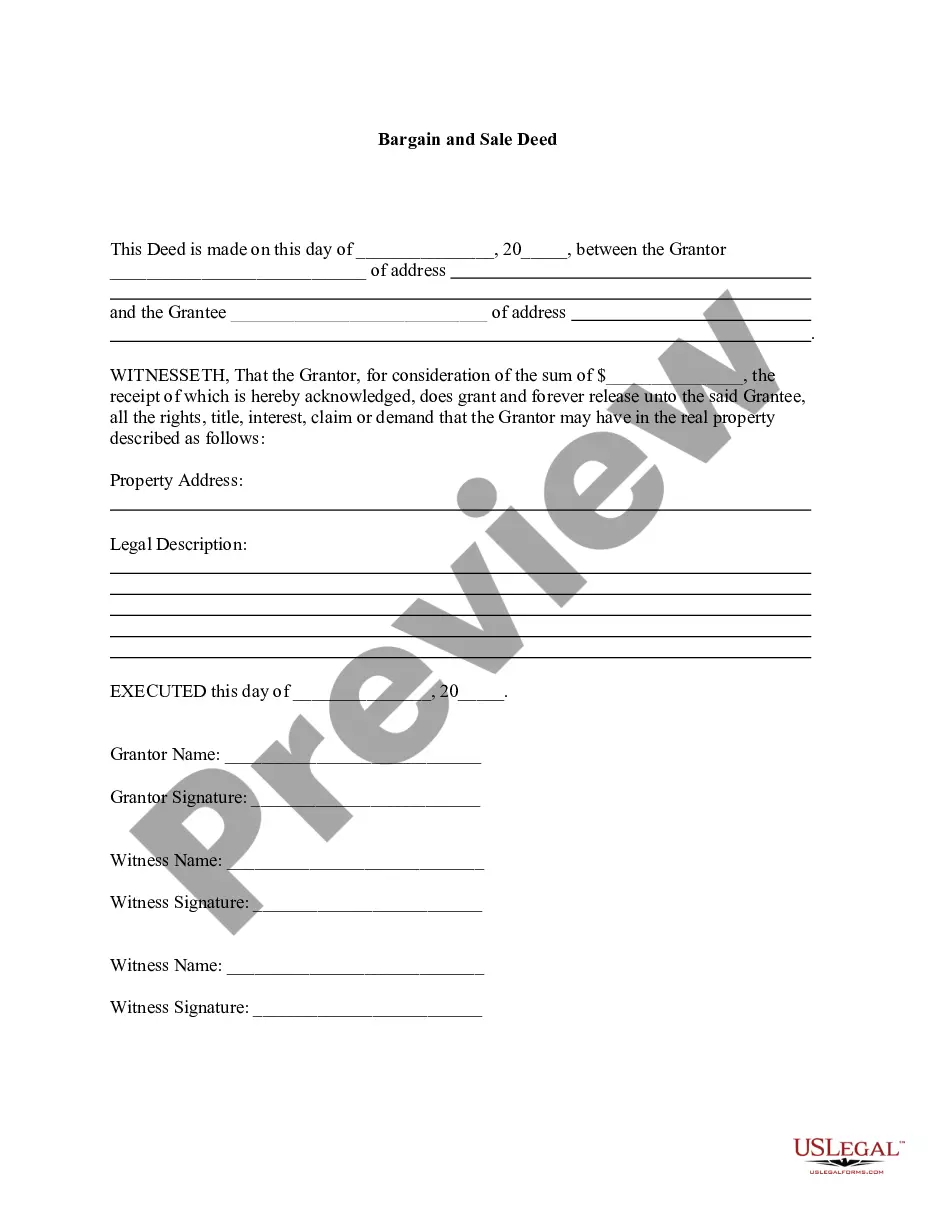
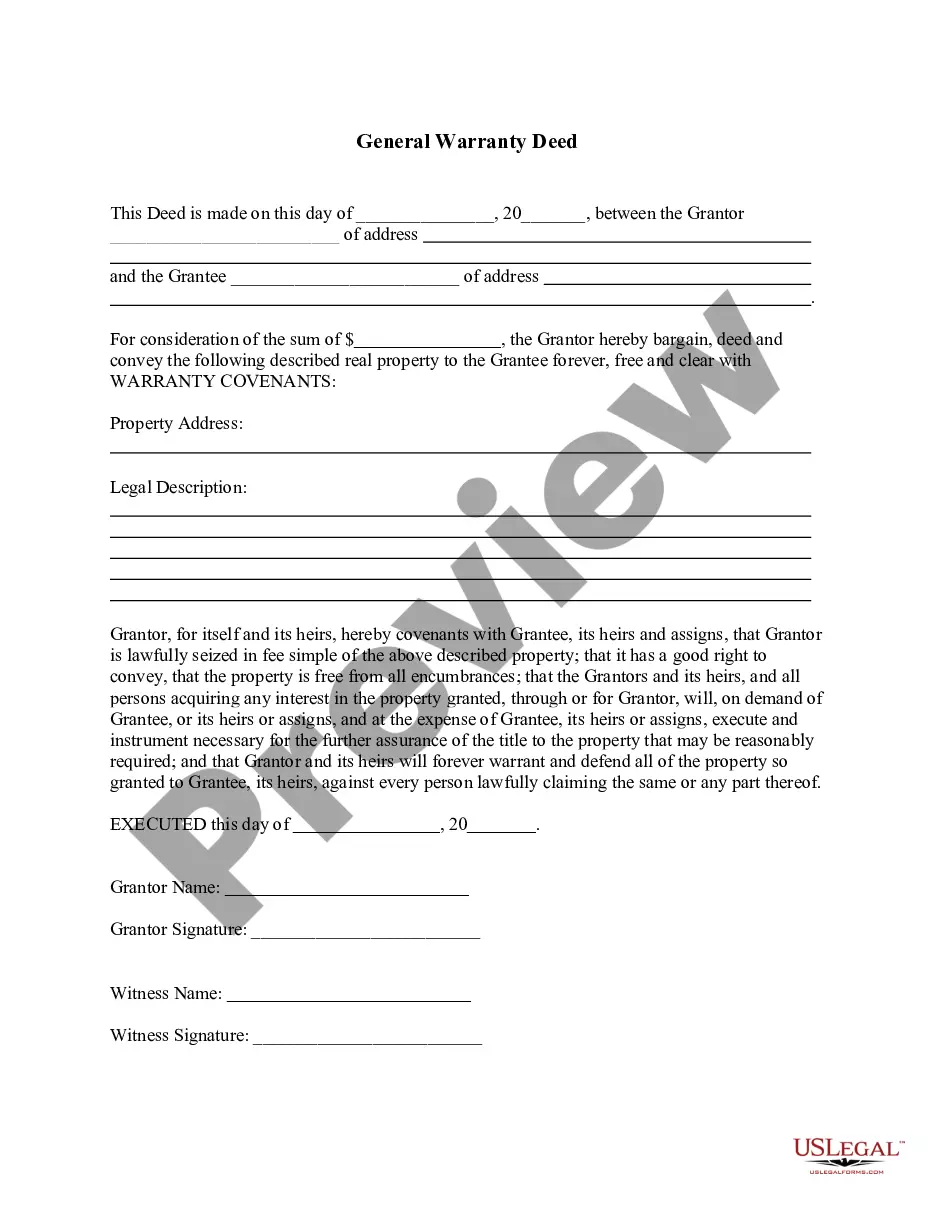
A tax deed is a legal document that transfers ownership of a property from a government entity to an individual or organization due to the owner's failure to pay property taxes. When property taxes remain unpaid, the locality may sell the property at auction to recover the owed taxes. The tax deed officially conveys the title of the property, subject to certain conditions specified in the law.
Who should use this form
This form is typically used by individuals or organizations who have acquired a property through a tax deed sale. It is essential for any buyer of tax-deeded property to understand their rights and obligations. Additionally, it may be useful for government officials responsible for processing tax deed sales.
Legal use and context
The legal framework governing tax deeds varies by state and local jurisdiction. Generally, a tax deed serves as proof of ownership for properties purchased through tax auctions. To ensure the validity of the transaction, buyers should familiarize themselves with local laws surrounding tax sales, potential redemption periods, and other legal requirements.
Common mistakes to avoid when using this form
- Failing to verify the legal description of the property before completing the form.
- Not understanding the restrictions or conditions attached to the title obtained through a tax deed.
- Neglecting to check for any outstanding liens that may still apply to the property.
- Overlooking the deadlines for filing or recording the tax deed document.
What documents you may need alongside this one
When completing a tax deed form, you may also need the following documents:
- Proof of payment for the tax deed purchase.
- Previous tax records related to the property.
- Any court documents if applicable.
- A certificate or receipt showing the successful bid on the property at the tax sale.
What to expect during notarization or witnessing
Notarization of a tax deed form typically requires the presence of a notary public. The person signing the deed must provide identification to confirm their identity. The notary will then witness the signing and apply their notarial seal. Ensure you bring the necessary forms of identification and have all parties present during this process to avoid delays.
Key takeaways
Understanding what a tax deed is and how it operates is crucial for anyone interested in purchasing property through tax sales. Remember to:
- Verify the property description and ownership details.
- Be aware of local laws regarding tax deeds.
- Avoid common mistakes to ensure a smooth transaction.
- Prepare necessary documents for a successful application.
- Prepare for the notarization process by having proper identification.