What Is a Summons? Understanding the Legal Document
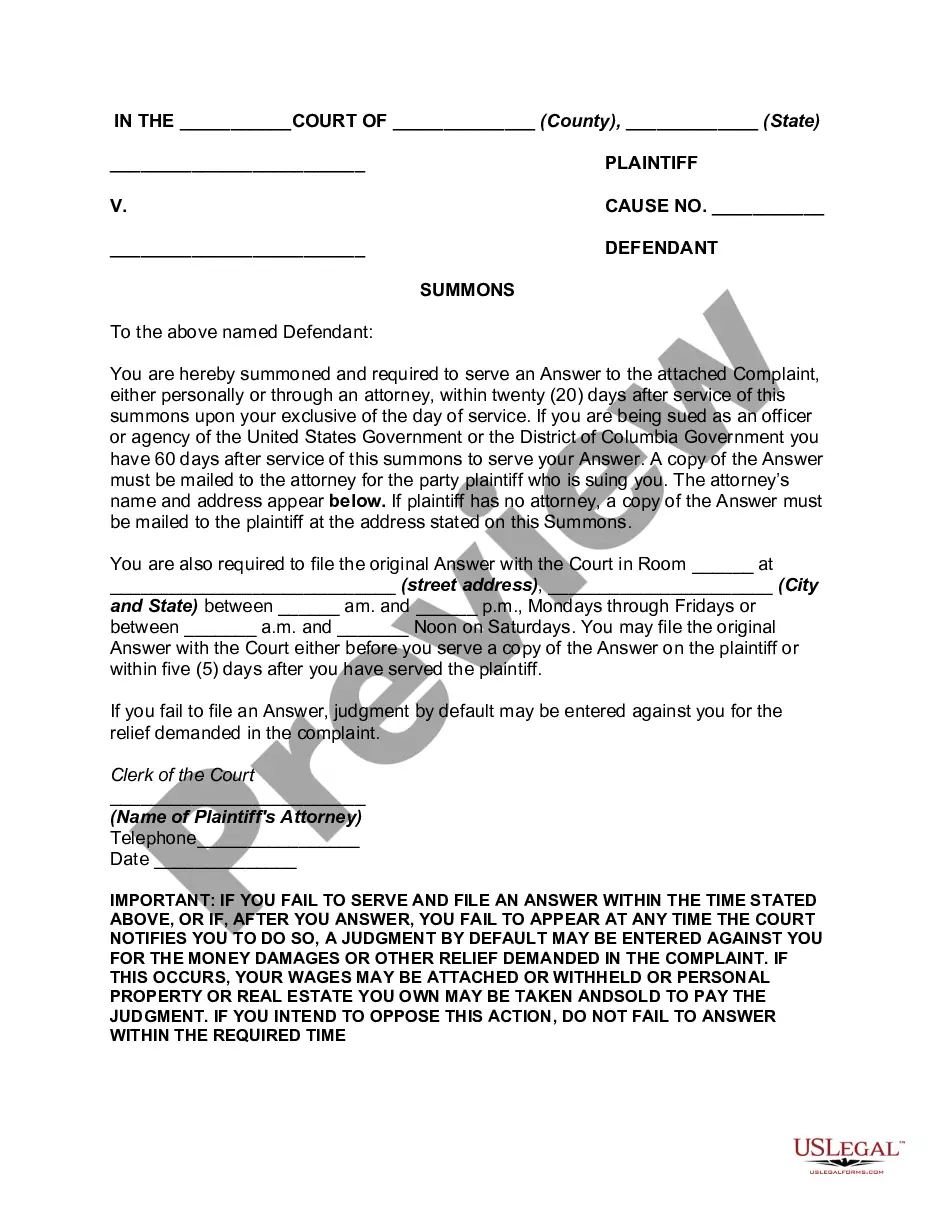
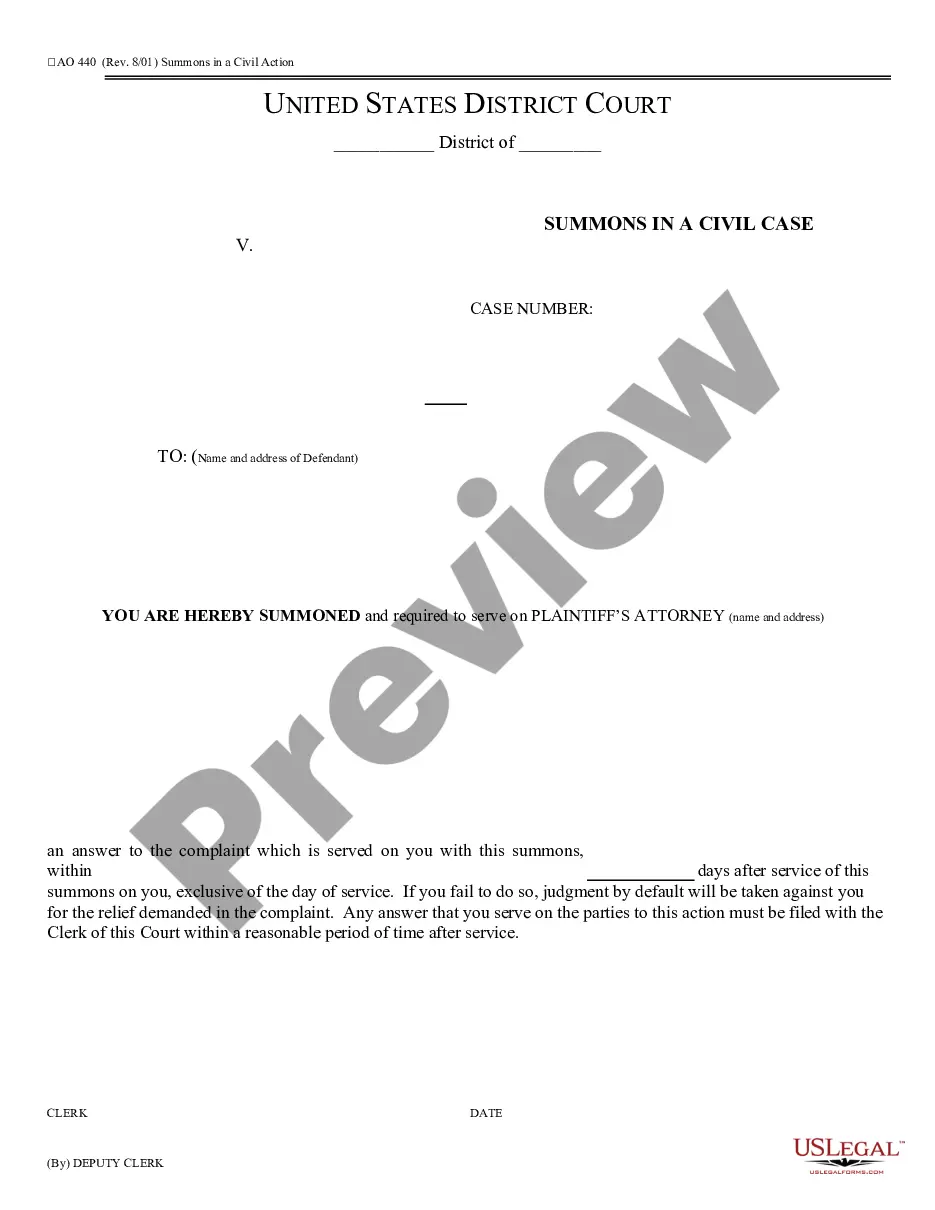
A summons is a legal document issued by a court that notifies an individual or entity that they are being sued or that legal action has commenced against them. It compels the recipient to appear in court and respond to the complaint or petition attached to the summons. The primary purpose of a summons is to ensure that the defendant is made aware of the legal proceedings and has the opportunity to defend themselves.
Who should use this form
This form is typically used by plaintiffs who are initiating a lawsuit and need to formally notify the defendant of the action. It is essential for individuals or entities looking to enforce their legal rights or seek remedies through the court system. The summons should be filed with the court and served to the defendant promptly to initiate legal proceedings.
Key components of the form
A properly drafted summons includes several critical components:
- Title: It should clearly state it is a summons.
- Parties involved: Names of the plaintiff and defendant.
- Case number: Assigned by the court to identify the case.
- Date and location: When and where the court appearance is scheduled.
- Notice requirement: A statement informing the defendant of their obligation to appear in court.
Common mistakes to avoid when using this form
When completing and serving a summons, avoid the following errors:
- Failing to include all necessary information, such as parties' names and case details.
- Not providing enough time for the defendant to respond before the court date.
- Forgetting to properly serve the summons to the defendant.
- Neglecting to file the summons with the court after service.
What to expect during notarization or witnessing
When a summons requires notarization or witnessing, you should be prepared to present valid identification to the notary or witness. They will verify your identity and that you understand the document. The notarization process typically involves signing the document in the presence of the notary, who will then affix their seal. This adds a layer of authenticity and may be required for the summons to be valid.
Key takeaways
A summons is an essential legal document that informs defendants of legal actions against them. Understanding its components, the requirements for serving it, and the common pitfalls can significantly impact the efficacy of legal proceedings. Always ensure accuracy and compliance with local court rules when utilizing a summons in legal matters.