What Is a Living Will and How It Benefits You?
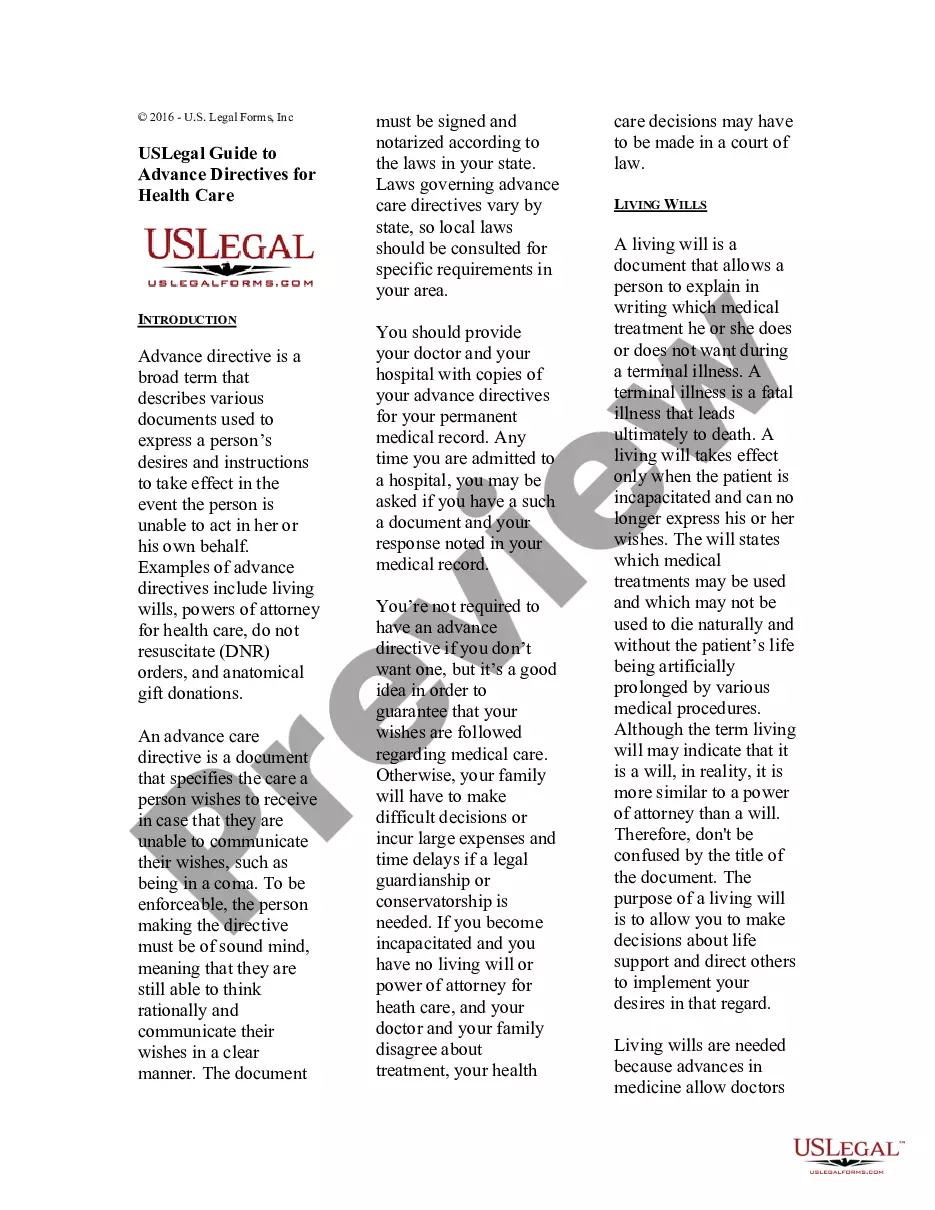
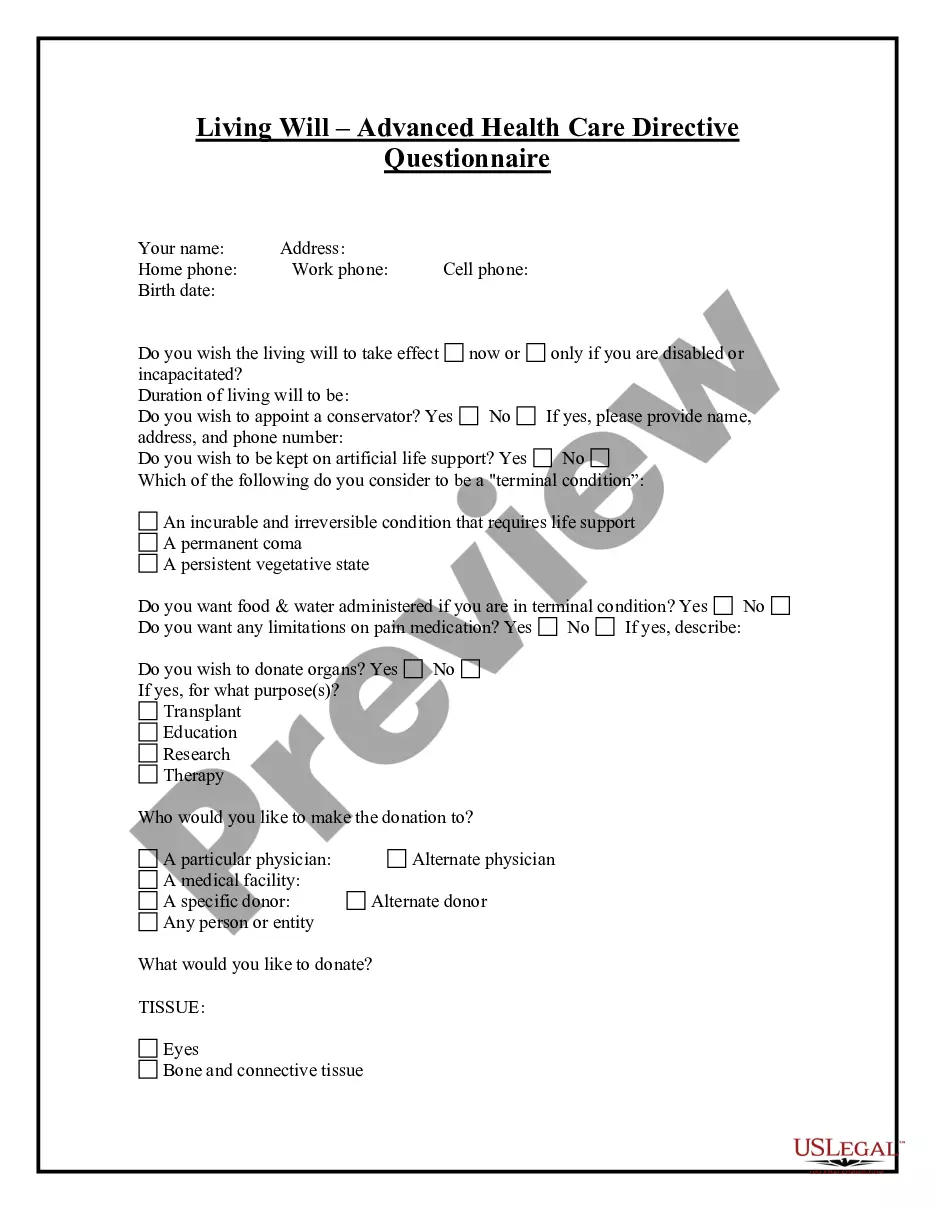
A living will is a legal document that outlines a person's preferences regarding medical treatment and healthcare decisions in the event that they become unable to communicate those wishes due to illness or incapacitation. It serves as a guide for healthcare providers and family members, ensuring that individuals receive care aligned with their values and desires during critical times.
Who should use this form
Anyone who wishes to express their medical preferences in advance should consider creating a living will. This includes adults of all ages, especially those diagnosed with severe illnesses, those facing surgeries, or anyone wanting to take proactive steps in their healthcare planning. Having a living will allows individuals to communicate their wishes about life-sustaining treatments.
Key components of the form
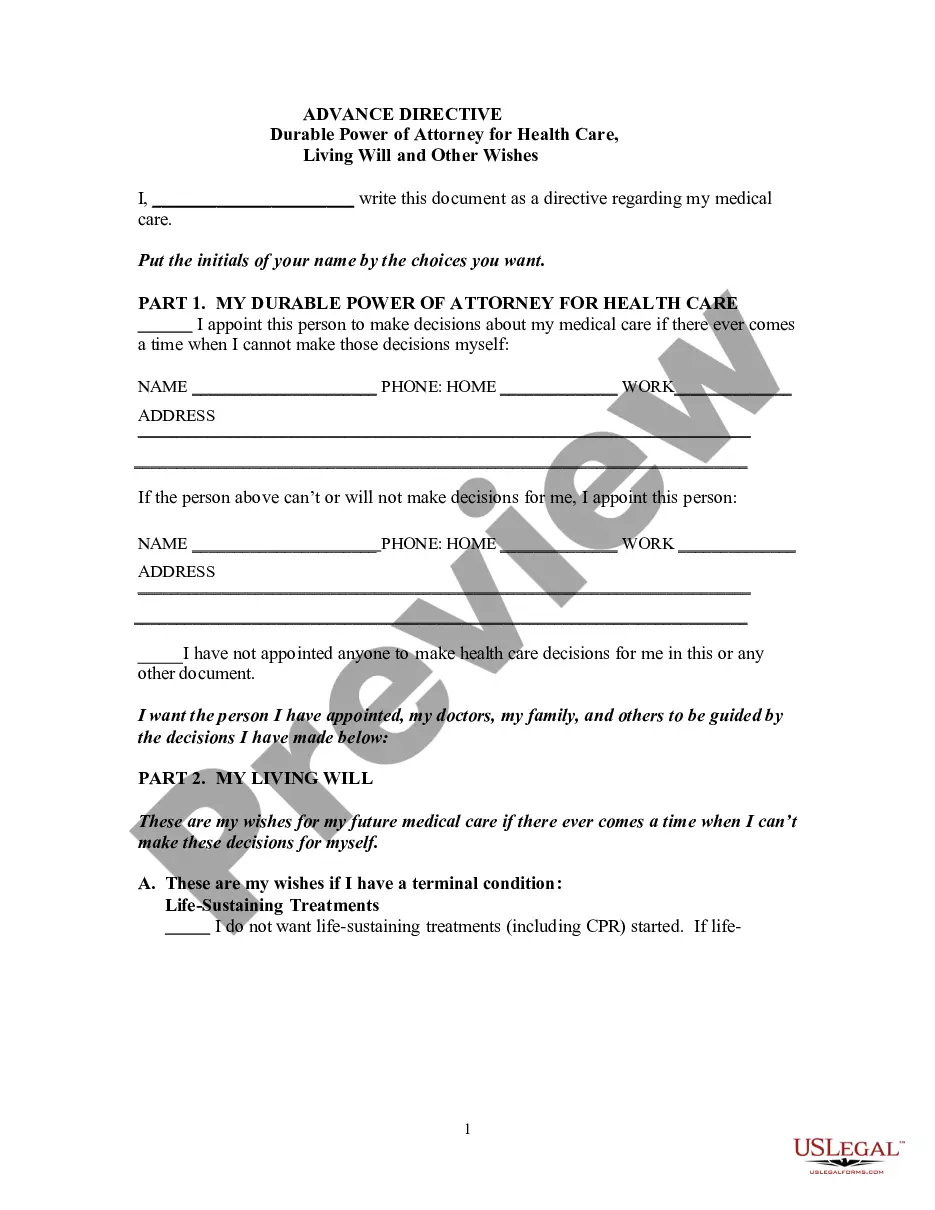
A living will typically includes the following key components:
- Identification of the declarant: The person who creates the living will.
- Specific healthcare preferences: Detailed instructions on what kind of medical treatments should or should not be administered.
- Signature and date: The date of signing is crucial, along with the signature of the declarant.
- Witnesses: Many states require witnesses to affirm the validity of the document.
These components ensure that the document is valid and legally binding, while clearly articulating the declarant's wishes.
How to complete a form
Completing a living will involves several essential steps:
- Review state requirements: Laws regarding living wills can vary by state, so it is important to understand local regulations.
- Fill out personal information: Include your name, address, and any relevant medical history.
- Outline your preferences: Clearly state your wishes regarding life-sustaining treatments, such as resuscitation and mechanical ventilation.
- Sign and date the document: Ensure the living will is signed in the presence of the required witnesses.
After completing the form, it’s advisable to share copies with family members and healthcare providers to ensure your wishes are known.
Common mistakes to avoid when using this form
When creating a living will, it is essential to avoid the following common mistakes:
- Not understanding state laws: Each state has different requirements; failing to adhere to these can invalidate the document.
- Being vague: Clearly articulate your wishes to avoid any ambiguity that could lead to conflicts.
- Failing to update the document: Regularly review and update your living will, especially after significant life changes.
- Not informing key individuals: Ensure that family members or designated agents are aware of the living will and its contents.
Avoiding these mistakes ensures that your living will accurately reflects your wishes and is legally enforceable.
What to expect during notarization or witnessing
When finalizing a living will, it often requires witnessing or notarization. Here’s what to expect:
- Witness requirements: Typically, you will need at least one or two witnesses present who are not related to you and have no financial interest in your estate.
- Signing process: You will sign the living will in front of your witnesses, who will also sign the document to affirm they witnessed the signing.
- Notary public: In some states, having a notary public endorse the document can enhance its legal credibility.
Completing this process properly is critical to ensure that the living will is recognized legally and respected by healthcare providers.
Key takeaways
Creating a living will is an important step in healthcare planning. Here are the key takeaways:
- A living will clearly communicates your medical preferences.
- All adults, especially those with serious health concerns, should consider having one.
- Clear, detailed instructions within the document minimize confusion.
- Understanding state laws and requirements is vital for validity.
Your living will should be periodically reviewed to reflect any changes in your preferences or health status.