Alabama Living Will
Overview of this form
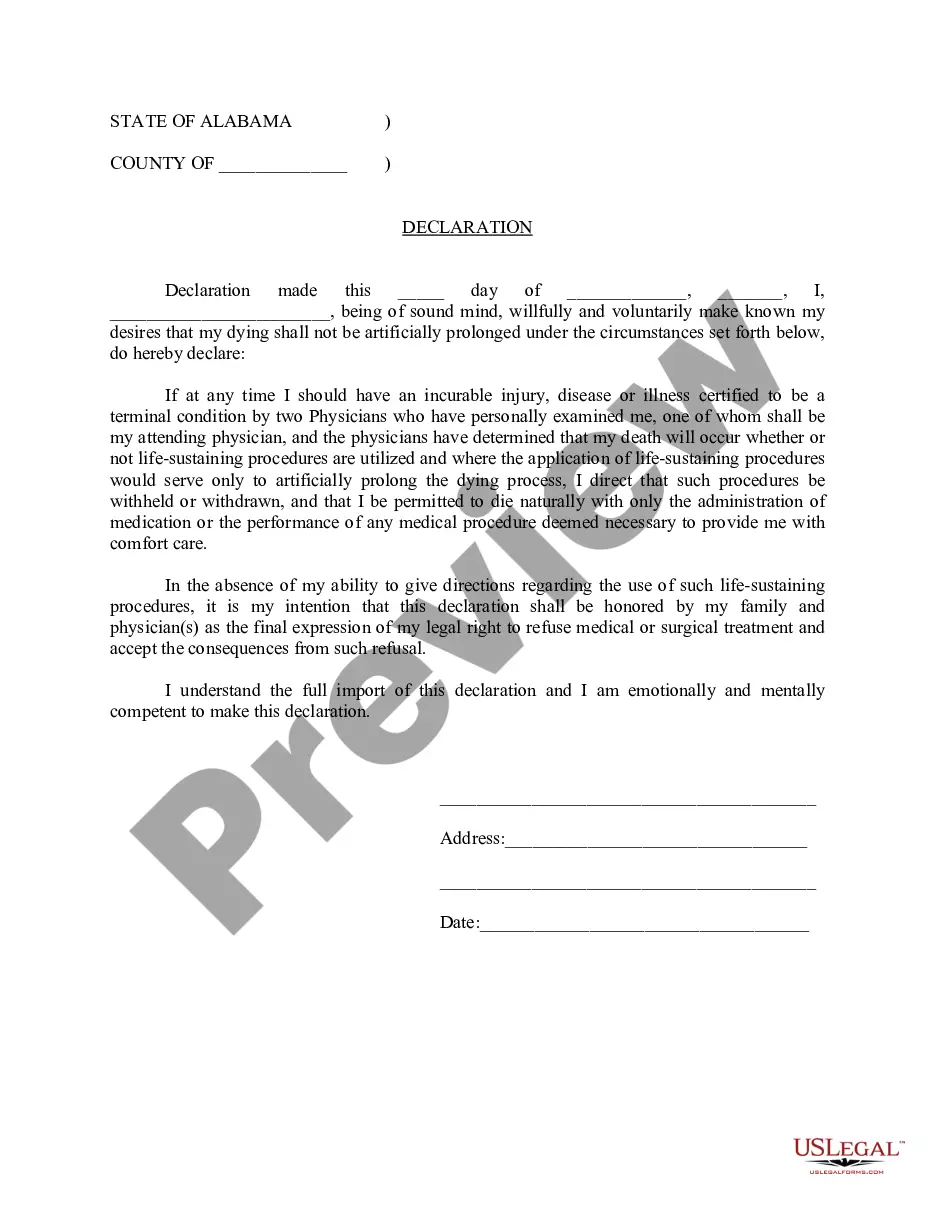
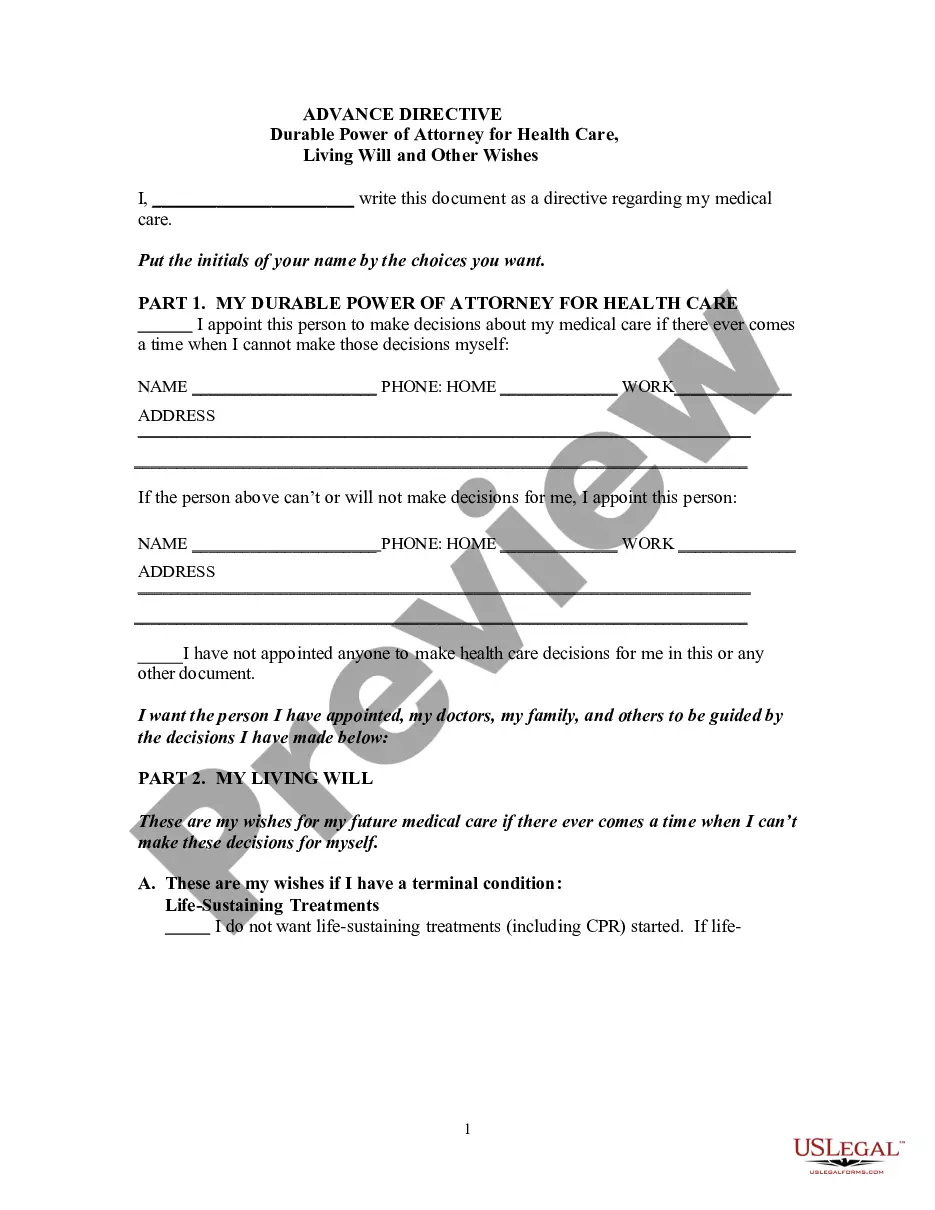
A Living Will is a legal document that allows individuals to express their wishes regarding medical treatment in situations where they cannot communicate due to terminal illness or incapacity. This form specifically addresses the refusal of life-sustaining treatments, distinguishing it from other advance directives like a durable power of attorney for health care. The Living Will is designed to ensure that your preferences for end-of-life care are known and respected.
Key parts of this document
- Declaration of intent regarding life-sustaining procedures.
- Conditions under which life-sustaining treatments should be withheld.
- Signature of the declarant declaring sound mind and intent.
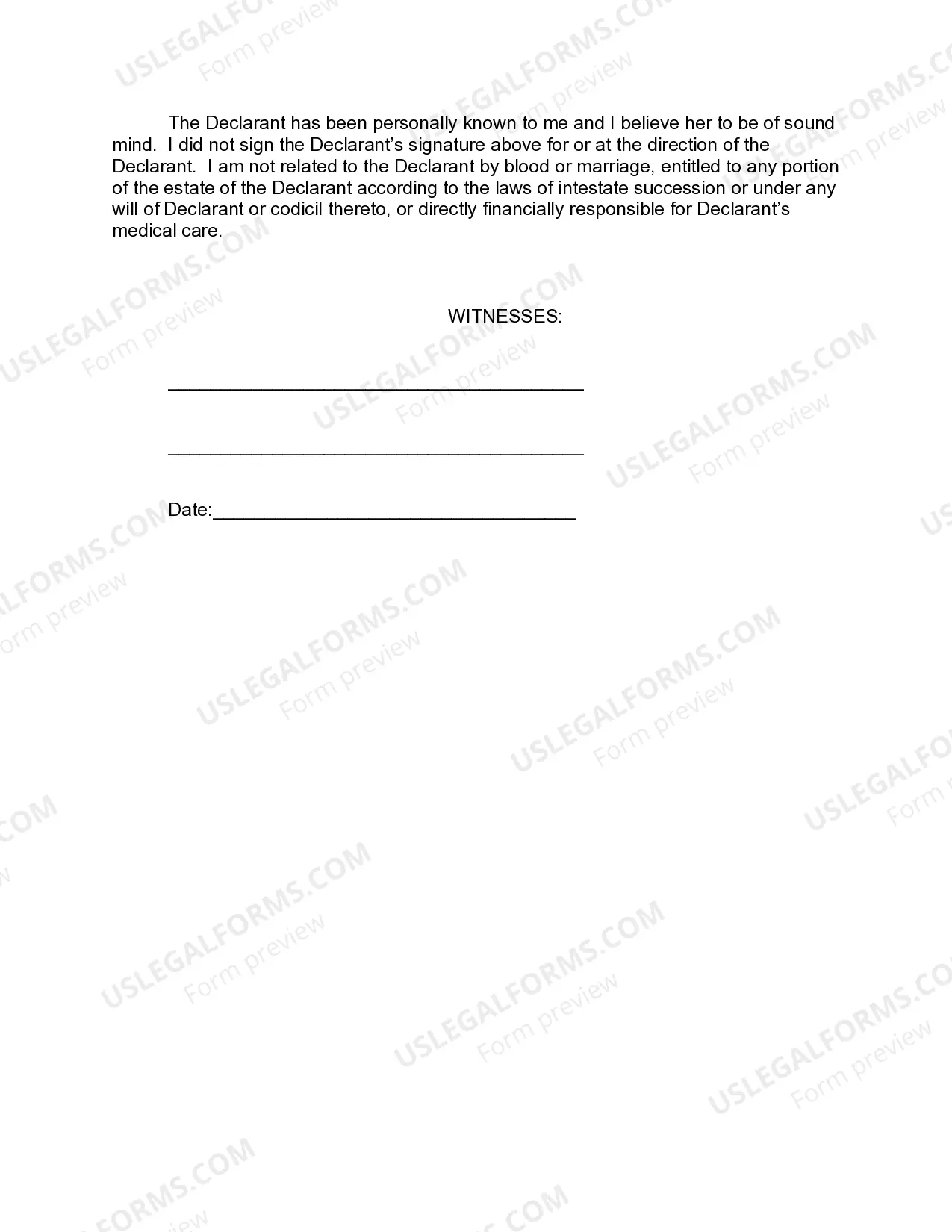
- Witness signatures confirming the declarant's capacity and independence.
When to use this form
You should use a Living Will when you wish to outline your preferences for medical treatment in case you face a terminal condition and cannot communicate your wishes. This document is crucial for situations where medical professionals and loved ones need clear guidance on how to proceed with care during critical moments of illness or injury.
Intended users of this form
- Adults who want to specify their healthcare preferences in advance.
- Individuals diagnosed with a terminal illness seeking to clarify their wishes.
- Anyone who wants to ensure their wishes regarding life support are clear to family and medical providers.
Instructions for completing this form
- Enter the county where the declaration is being made.
- Fill in the date of the declaration.
- Clearly print your name as the declarant.
- Specify the conditions under which you do not want life-sustaining procedures.
- Sign the document, confirming your mental competence.
- Have two witnesses sign the document, attesting to your sound mind and voluntary signature.
Is notarization required?
This form does not typically require notarization unless specified by local law. It is sufficient to have the signatures of two witnesses to validate your Living Will. Ensure that your witnesses meet the legal requirements, such as not being related or financially responsible for your care.
Get your form ready online
Our built-in tools help you complete, sign, share, and store your documents in one place.
Make edits, fill in missing information, and update formatting in US Legal Forms—just like you would in MS Word.
Download a copy, print it, send it by email, or mail it via USPS—whatever works best for your next step.
Sign and collect signatures with our SignNow integration. Send to multiple recipients, set reminders, and more. Go Premium to unlock E-Sign.
If this form requires notarization, complete it online through a secure video call—no need to meet a notary in person or wait for an appointment.
We protect your documents and personal data by following strict security and privacy standards.

Make edits, fill in missing information, and update formatting in US Legal Forms—just like you would in MS Word.

Download a copy, print it, send it by email, or mail it via USPS—whatever works best for your next step.

Sign and collect signatures with our SignNow integration. Send to multiple recipients, set reminders, and more. Go Premium to unlock E-Sign.

If this form requires notarization, complete it online through a secure video call—no need to meet a notary in person or wait for an appointment.

We protect your documents and personal data by following strict security and privacy standards.
Common mistakes
- Failing to date the form, which can lead to disputes regarding its validity.
- Not having the required signatures from witnesses, which are essential for enforceability.
- Leaving out specific conditions under which life-sustaining measures should be withheld.
Benefits of completing this form online
- Convenient access to a professionally drafted form, saving time.
- The ability to fill out and edit your preferences according to your unique wishes.
- Secure storage and easy retrieval of your Living Will when needed.
Looking for another form?
Form popularity
FAQ
An Alabama Living Will is a legal document that allows adults to express their wishes about medical treatment when they cannot communicate due to terminal illness or incapacity. This form specifically addresses the refusal of life-sustaining treatments and guides clinicians and loved ones to follow those end-of-life preferences, distinguishing it from a durable power of attorney for health care.
Yes. This form is a fill-in-the-blank template that adults can complete to specify their healthcare preferences. While many people prepare it without legal counsel, consider consulting a licensed attorney if your situation is complex or you want added assurance that the document meets Alabama requirements.
To use this Alabama Living Will, fill out the declaration of your intent regarding life-sustaining procedures, specify the conditions under which life-sustaining treatments should be withheld, sign the document, and have the required witnesses sign to confirm your capacity and independence.
In Alabama, a living will is a legal document that lets you express your preferences about medical treatment when you cannot communicate due to terminal illness or incapacity. It focuses on life-sustaining procedures and guides providers and family in end-of-life care according to the stated wishes.
A common limitation is that this living will focuses on life-sustaining treatments and end-of-life decisions, and may not cover all medical treatments or future situations. For broader planning, some people pair it with additional directives or conversations.
This Living Will addresses the refusal of life-sustaining treatments when you cannot communicate, while a durable power of attorney for health care designates someone to make medical decisions on your behalf. The living will documents your treatment preferences; the durable power of attorney appoints a decision-maker.