What Is a Judgment? Understanding Legal Decisions in Court
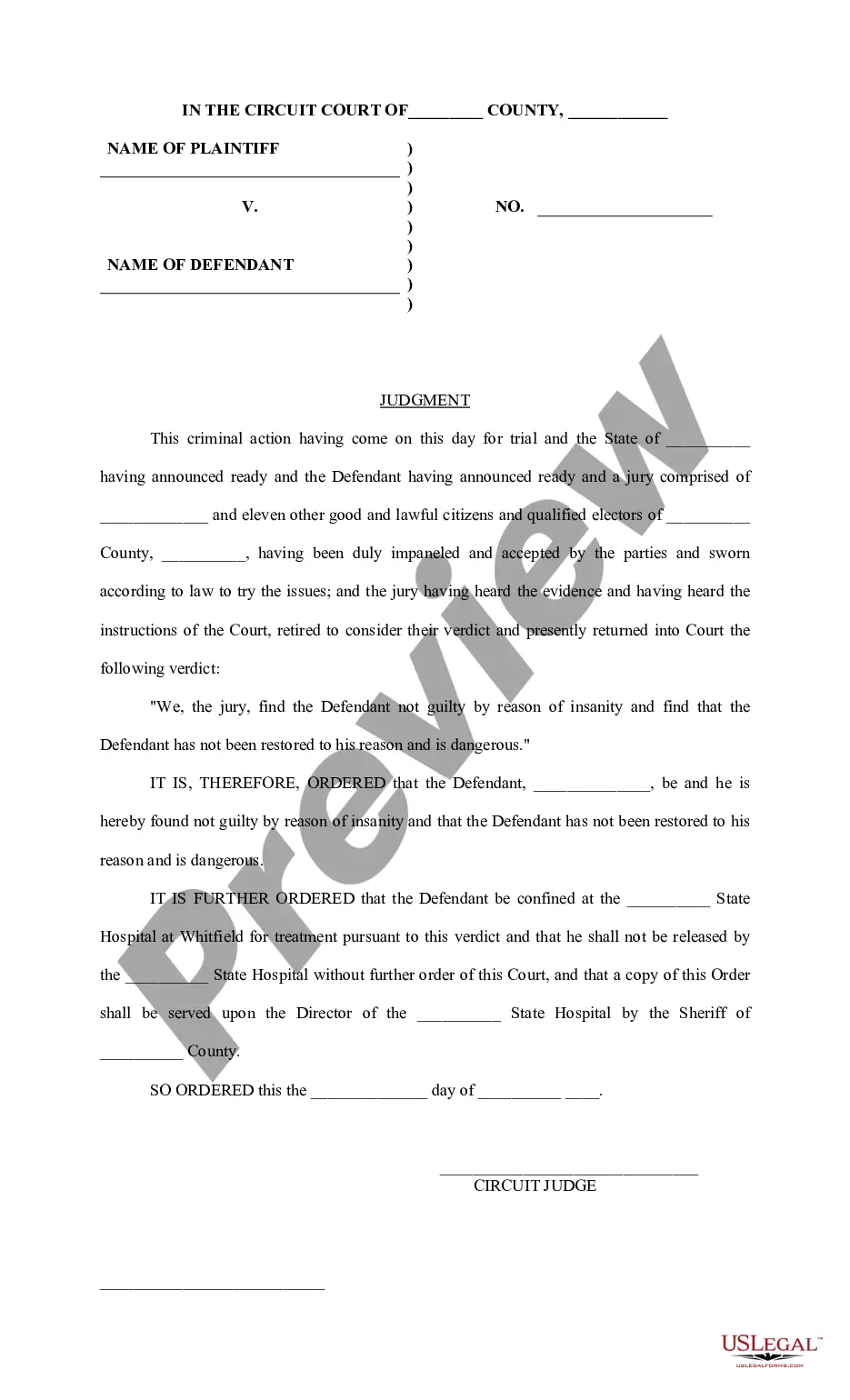
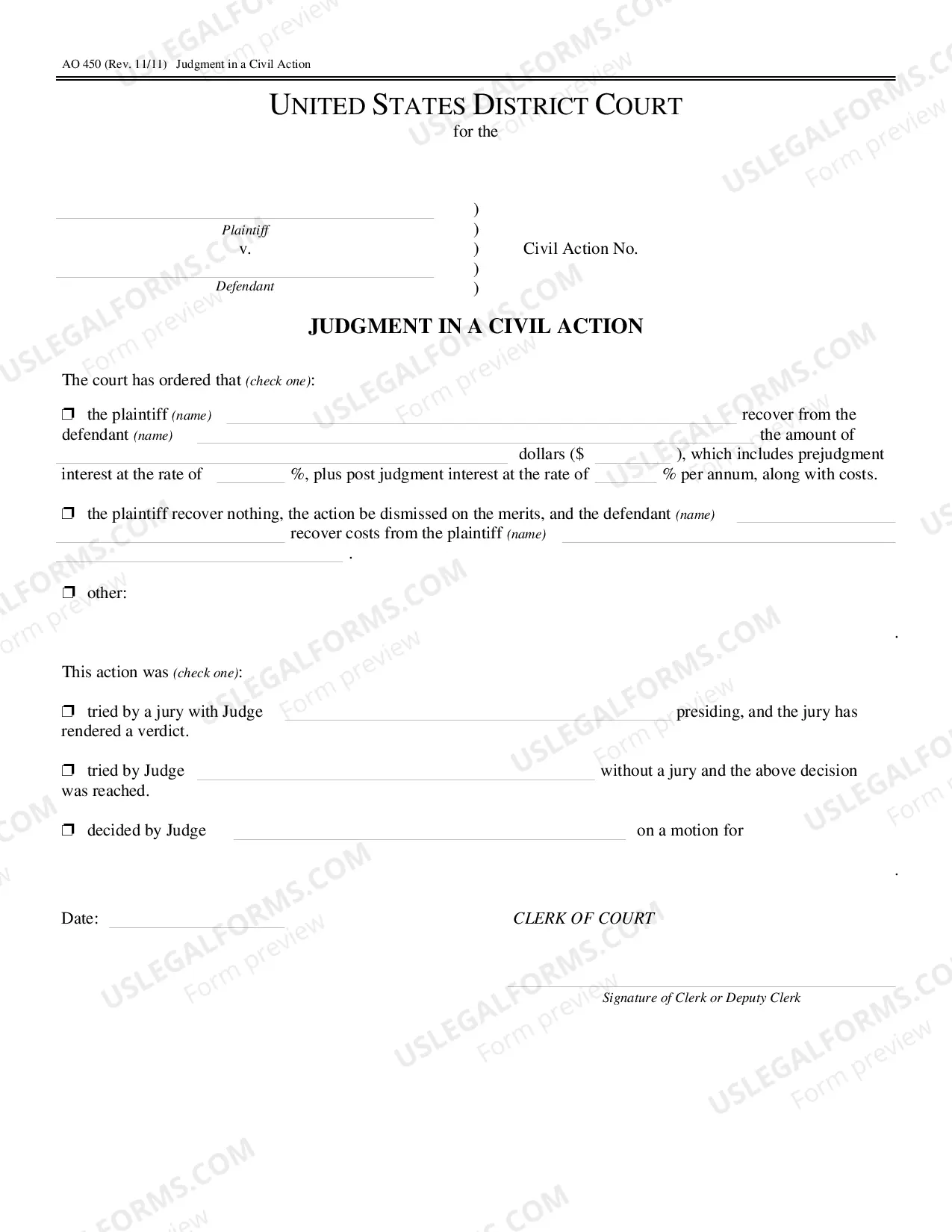
A judgment is a legal decision made by a court that resolves a dispute between parties. It typically involves the court’s ruling on the rights and obligations of the parties involved in a lawsuit. A judgment can be final or interlocutory, depending on whether it addresses the entire case or only certain issues.
Who should use this form
This form is essential for individuals or entities engaged in legal proceedings where a judgment is being sought or is already issued. Plaintiffs, defendants, and legal representatives involved in civil litigation should understand the implications and processes associated with judgments.
Legal use and context
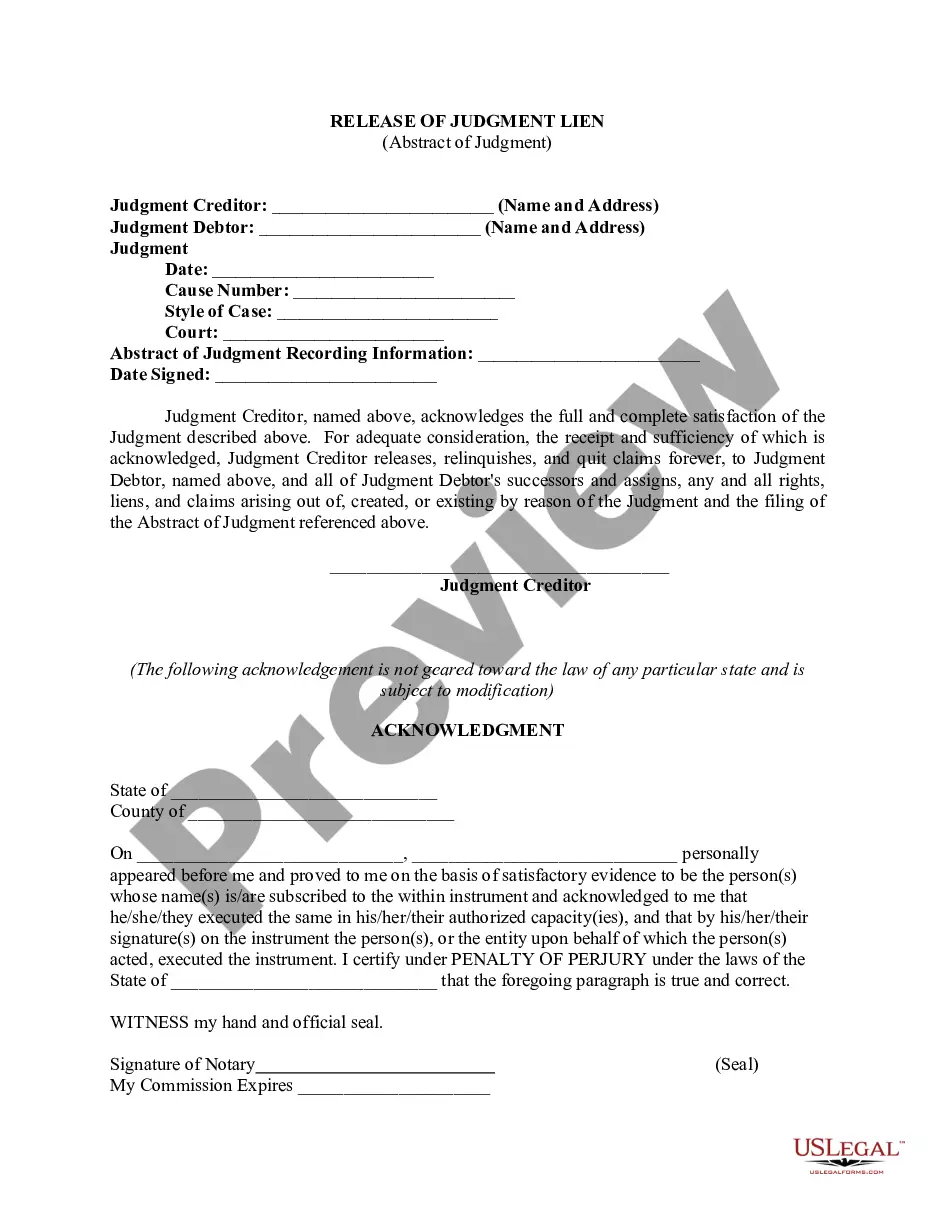
A judgment is crucial in the legal system, as it provides a formal conclusion to a legal dispute. It serves as a foundation for further legal actions, such as enforcing a judgment or appealing to a higher court. Understanding the legal context of judgments helps parties navigate the consequences of a court's decision.
Key components of the form
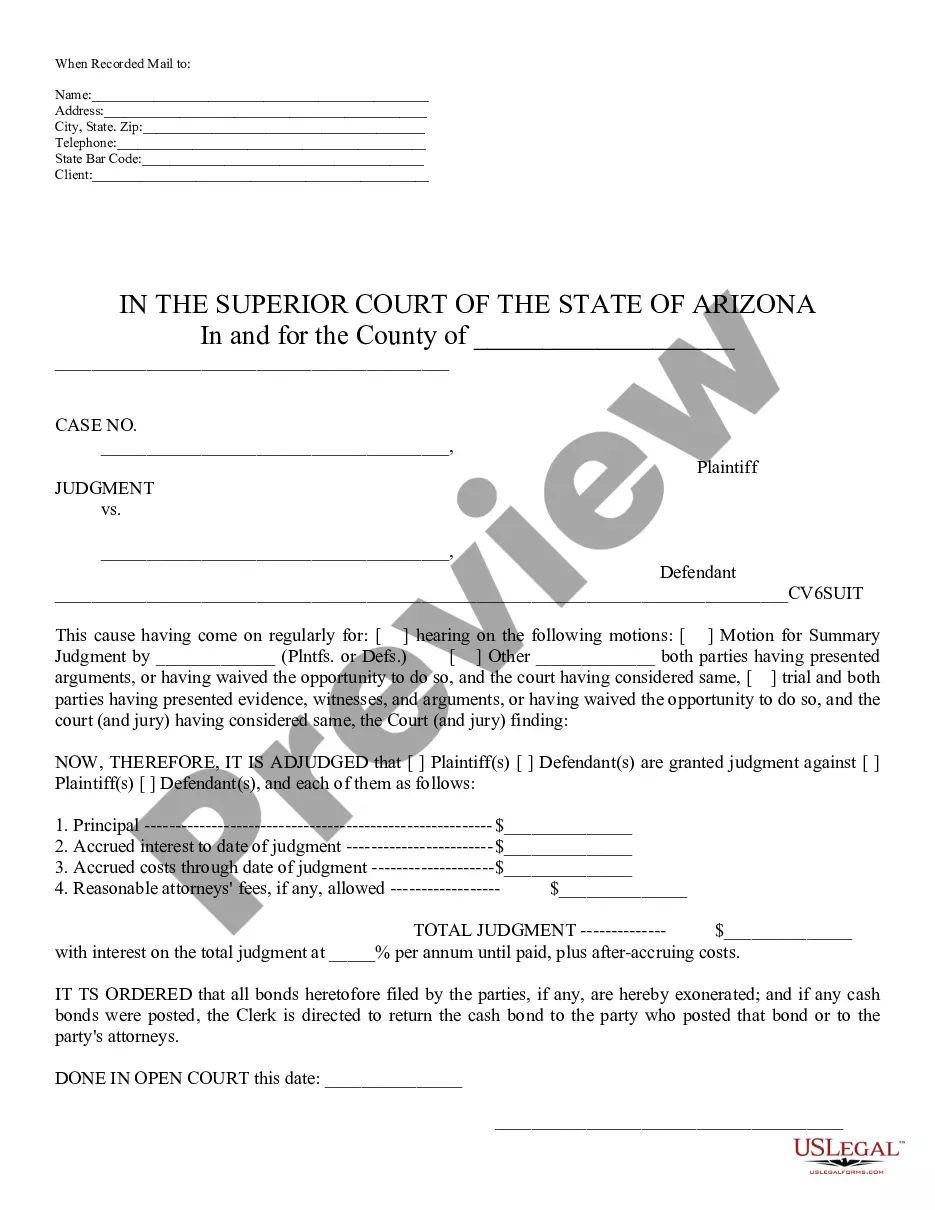
Important components of a judgment form include:
- Principal amount: The total amount ordered to be paid.
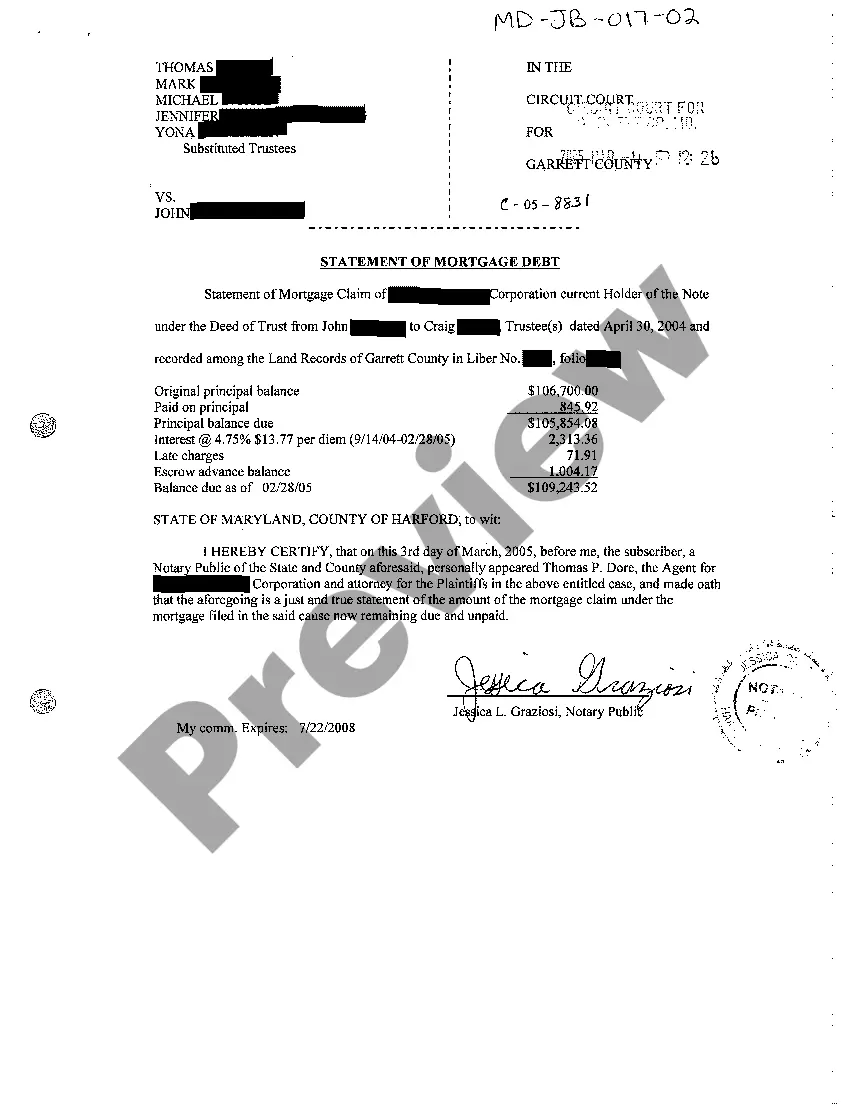
- Accrued interest: Any interest that has accumulated until the judgment date.
- Accrued costs: Costs associated with the legal proceedings.
- Attorneys' fees: Reasonable fees incurred during the case process.
All these elements contribute to the final judgment, which defines the financial obligations of the parties.
Common mistakes to avoid when using this form
Avoid the following common errors when filling out a judgment form:
- Not providing complete information about both the creditor and debtor.
- Failing to include all relevant monetary amounts, such as principal and fees.
- Overlooking the requirement for signatures of the appropriate legal representatives.
- Not adhering to jurisdiction-specific rules regarding judgments.
By being aware of these mistakes, users can ensure their judgment form is accurate and valid.