What Is a Fiduciary's Probate Certificate and Its Importance?
A fiduciary's probate certificate is a legal document issued by a court of probate that confirms the appointment of a fiduciary to manage the estate of a deceased person. This certificate verifies that the fiduciary has accepted their responsibilities and is authorized to act on behalf of the estate, as stipulated by law. It is a crucial document in the probate process, as it provides official acknowledgment of the fiduciary's role.
Who should use this form
This form is typically used by individuals who have been appointed as fiduciaries, such as executors or administrators, to manage an estate. It is essential for those responsible for overseeing the distribution of assets to ensure they have the necessary legal authority to act in this capacity. Beneficiaries or heirs of the estate may also refer to this certificate to confirm the fiduciary's appointment and authority.
Legal use and context
The fiduciary's probate certificate serves an important function within the probate process. It is used to confirm the fiduciary's rights when handling estate matters, including the management of assets, settling debts, and distributing property to beneficiaries. This certificate must be valid and current to ensure that all legal actions taken by the fiduciary are recognized by banks, financial institutions, and other relevant parties.
Key components of the form
The fiduciary's probate certificate includes several critical components that provide necessary information, such as:
- Name and address of the fiduciary
- Date of appointment
- Confirmation that the fiduciary has accepted their duties
- Details regarding the necessity of a bond, if applicable
- Jurisdictional information related to the court
Common mistakes to avoid when using this form
When completing a fiduciary's probate certificate, it is crucial to be aware of common errors that can lead to complications. These include:
- Failing to accurately provide the fiduciary's name and address
- Ignoring the requirement for a bond, if applicable
- Not dating the form correctly
- Omitting signatures or necessary seals from the court
What to expect during notarization or witnessing
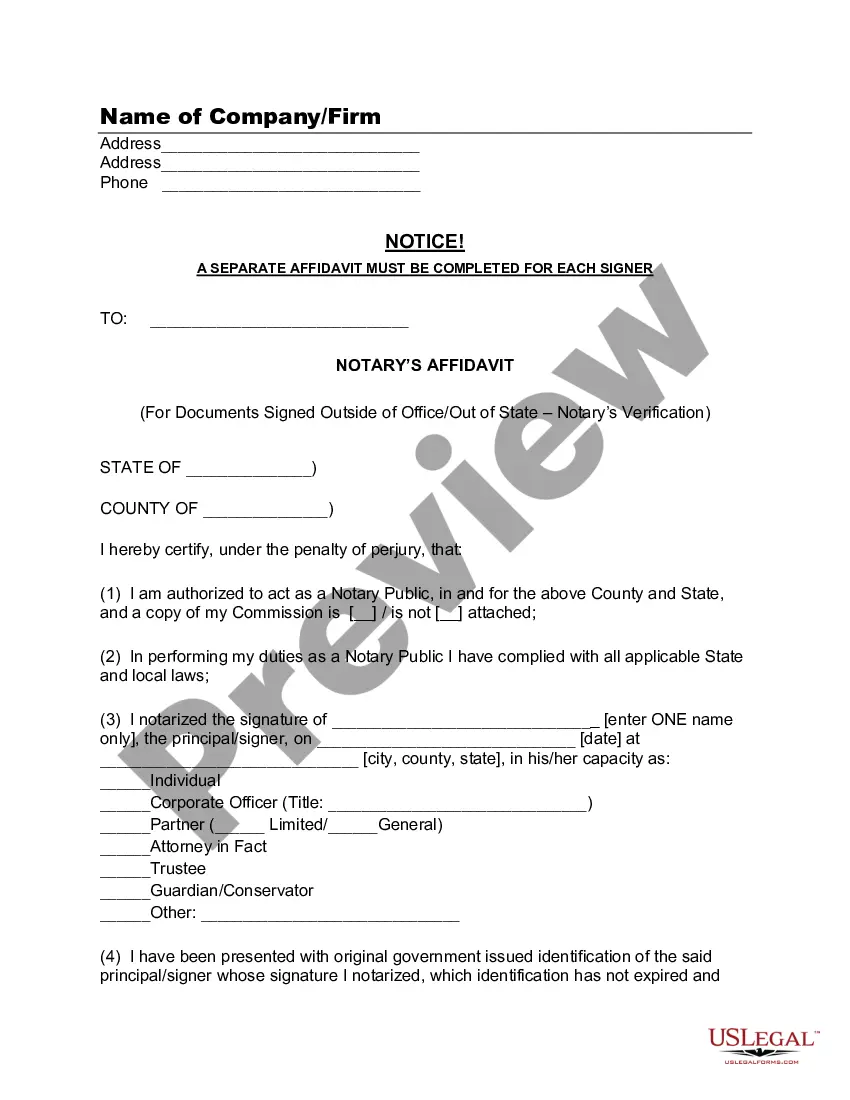
The fiduciary's probate certificate may require notarization or a witness to ensure its validity. During this process, the fiduciary will need to present identification and verify their identity. The notary or witness will then sign the document, adding an additional layer of authenticity. It is advisable to check local laws for specific requirements regarding notarization or witnessing of this document.
Key takeaways
The fiduciary's probate certificate is essential for those managing an estate, providing the legal authority necessary to act on behalf of the estate. Key points to remember include:
- Accurate completion of the form is crucial
- Understanding the legal context in which the certificate is used
- Avoiding common mistakes during the completion and submission process
- Ensuring proper notarization or witnessing when required