How to Understand Residential Lease Agreements Effectively
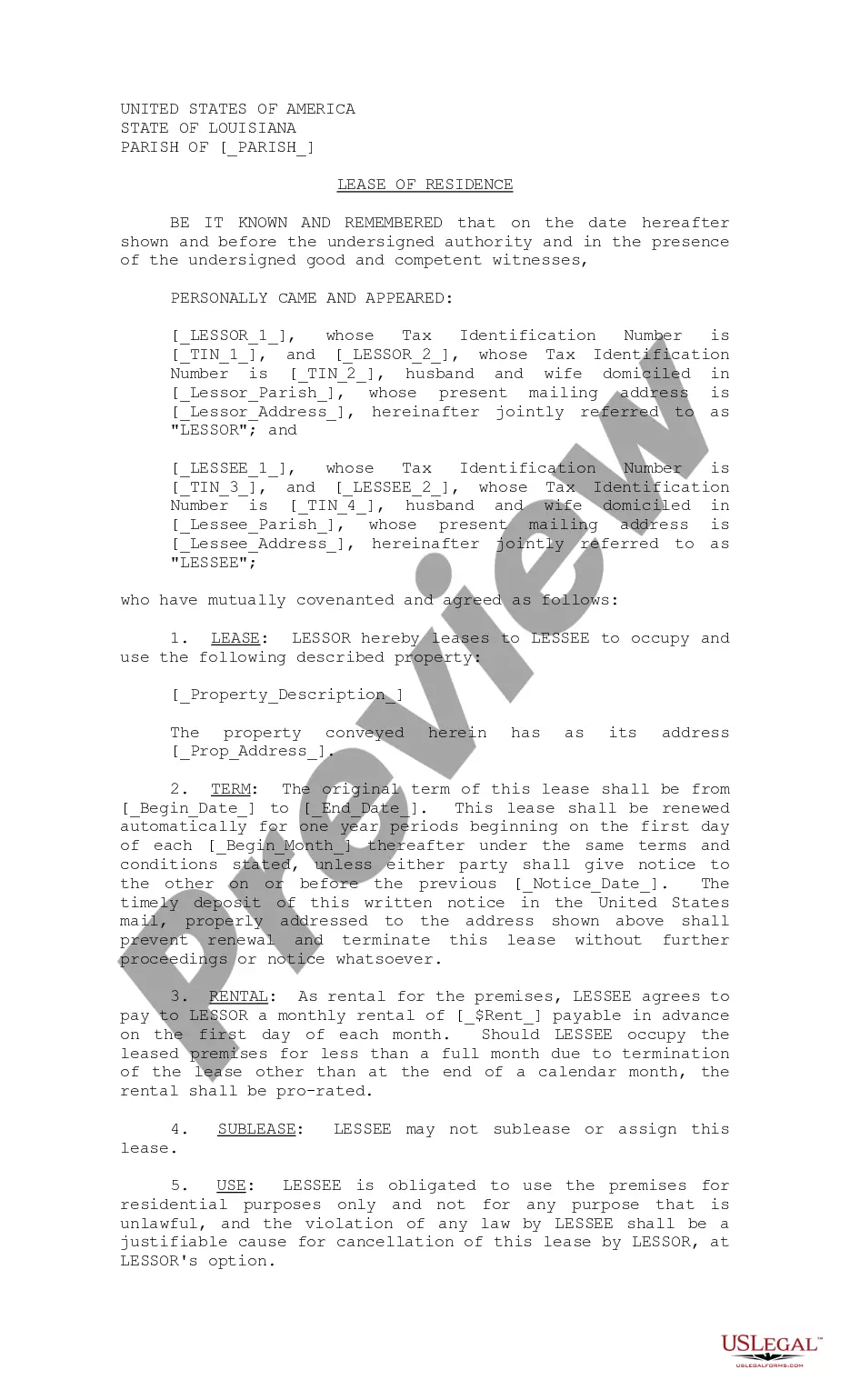
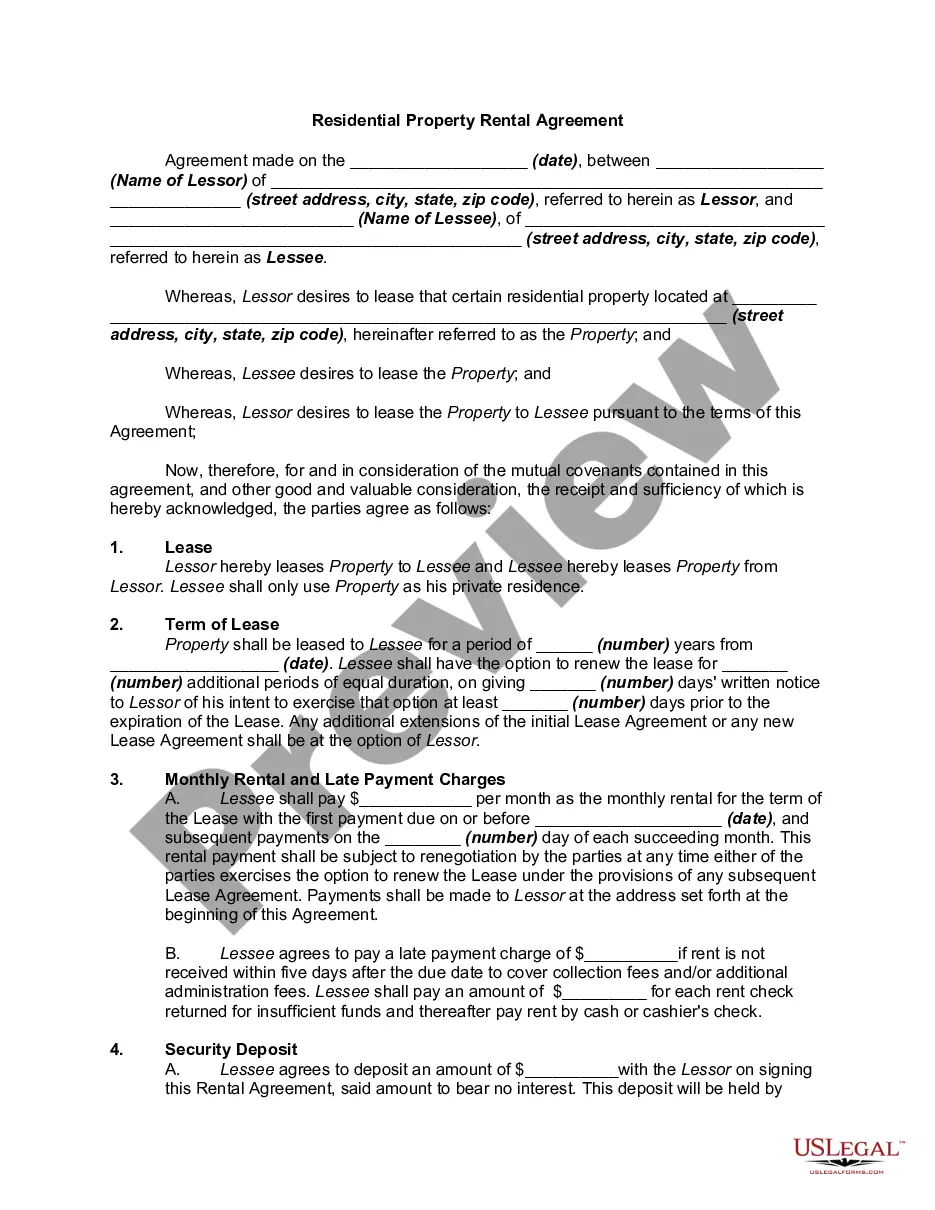
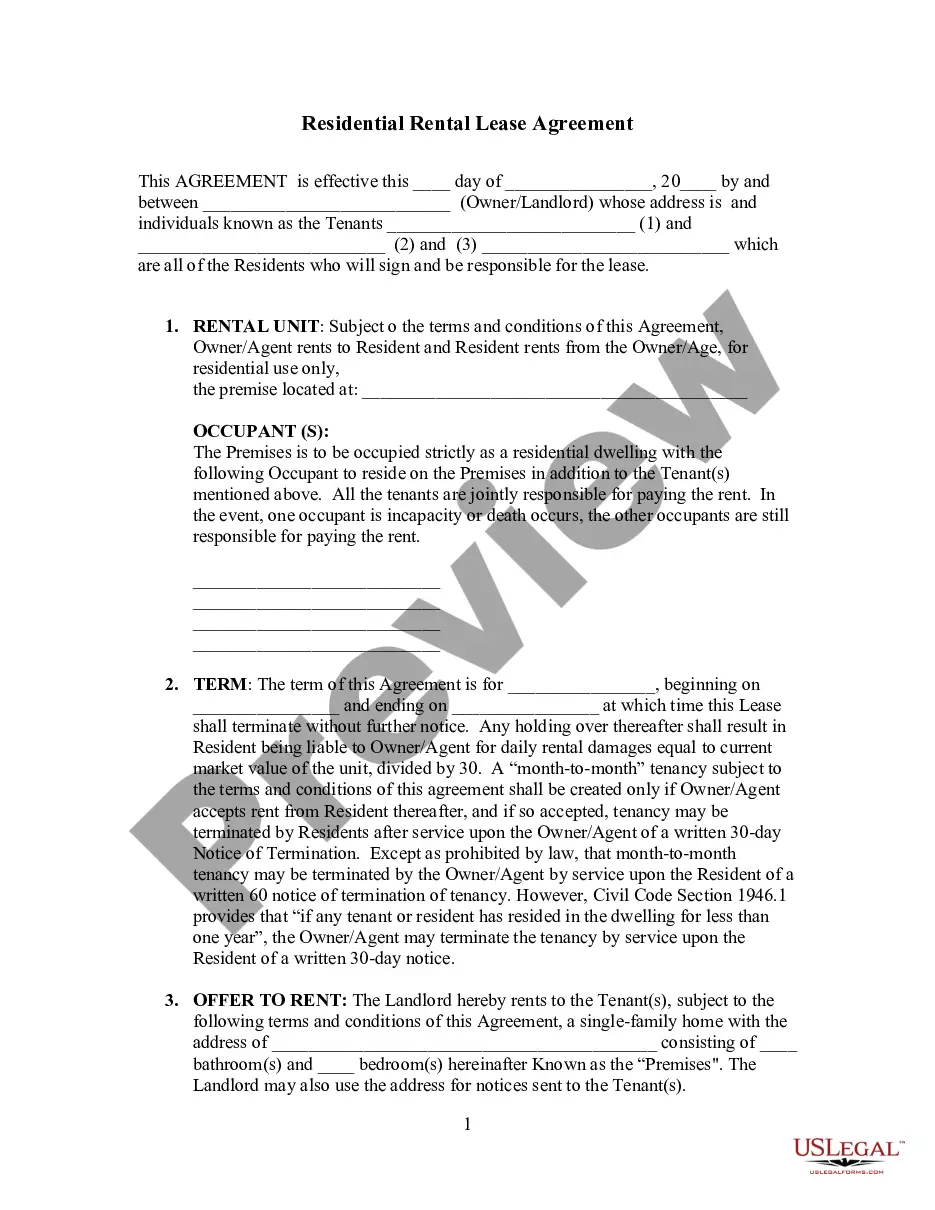
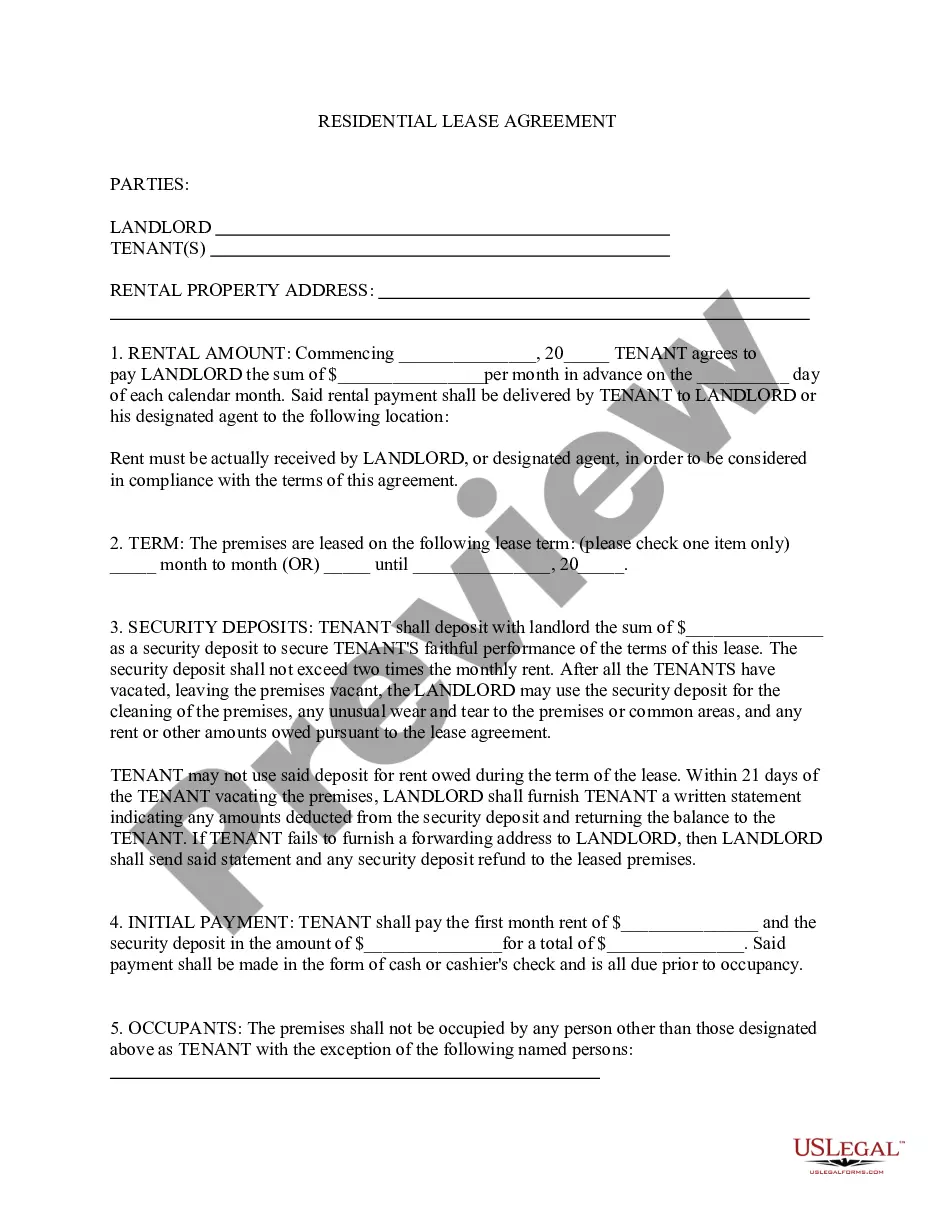
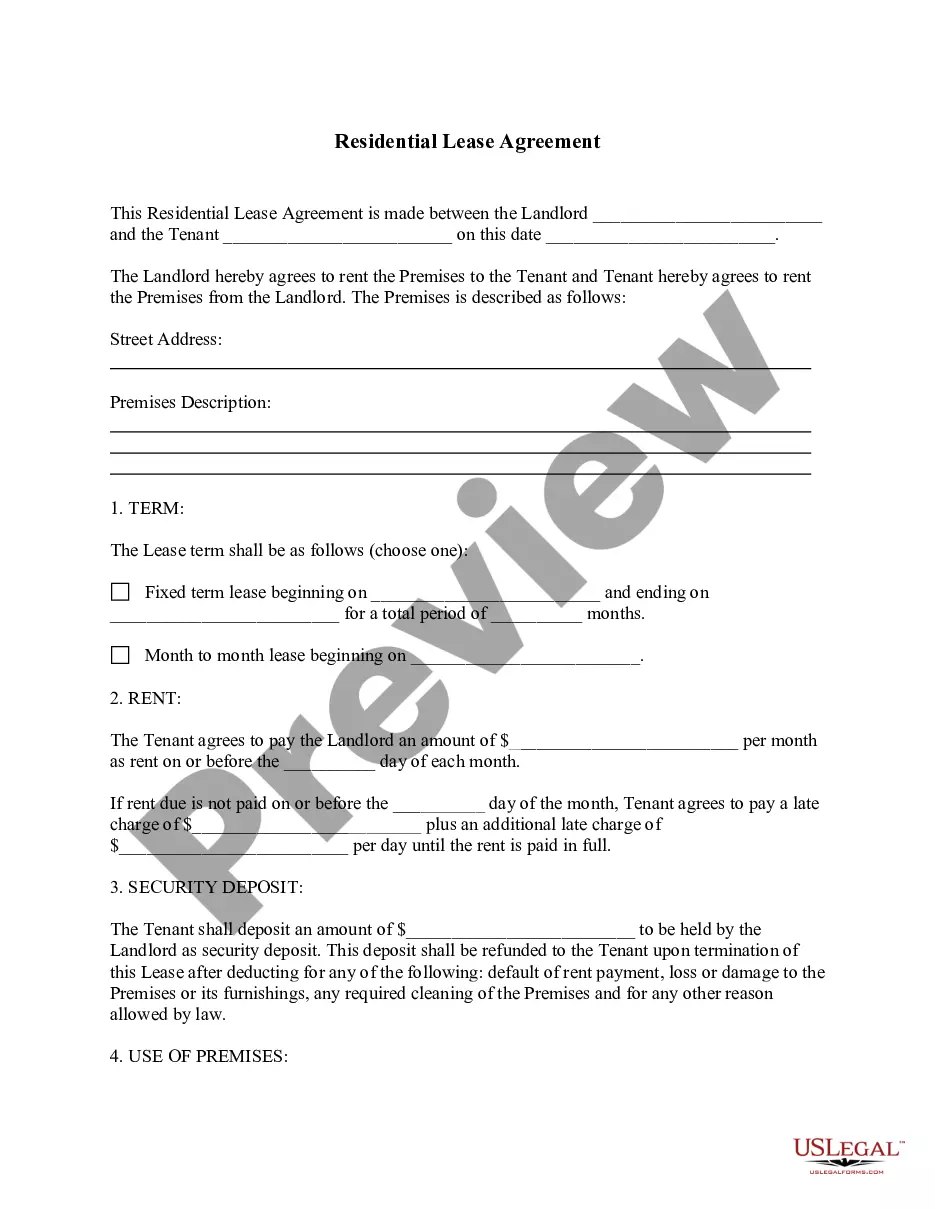
A residential lease agreement is a legally binding contract between a property owner (lessor) and a tenant (lessee) that outlines the terms and conditions under which the tenant can occupy the property. This agreement includes details such as the duration of the lease, rent amount, payment due date, and obligations of both parties regarding property maintenance and use. Understanding this document is crucial for both lessors and lessees to protect their rights and responsibilities.
Key components of the form
The residential lease agreement typically includes several critical sections that both parties should understand:
- Parties involved: Identification of the lessor and lessee.
- Property description: Details about the property being leased including address and dimensions.
- Term of the lease: Duration of the lease, including start and end dates.
- Rent details: Amount of rent, payment schedule, and late fees.
- Use of the property: Restrictions on how the property can be used, such as prohibiting illegal activities.
- Maintenance responsibilities: Obligations of the lessee regarding property upkeep.
- Termination conditions: Guidelines for ending the lease and notice requirements.
How to complete a form
Completing a residential lease agreement involves several key steps:
- Gather necessary information: Collect details such as names of lessor and lessee, property details, and rental amounts.
- Fill in the form: Clearly write or type all required fields without leaving blanks. Use accurate legal names and addresses.
- Review the lease: Both parties should carefully read the document to ensure all terms are accurately represented.
- Sign and date: Ensure both parties sign the lease and provide the date to confirm agreement.
- Store the document: Keep a signed copy for personal records and reference in case of disputes.
Common mistakes to avoid when using this form
When working with a residential lease agreement, certain mistakes can lead to misunderstandings or legal issues:
- Leaving blanks: Always fill out every section of the lease to avoid ambiguity.
- Ignoring local laws: Ensure the lease complies with state and local laws regarding landlord-tenant relationships.
- Not specifying terms: Clearly outline all conditions, including rent amount and due dates.
- Overlooking responsibilities: Clearly communicate and document each party's responsibilities regarding maintenance and repairs.
- Failing to retain a copy: Always make copies of the signed lease for personal records.
Legal use and context
Residential lease agreements are governed by both state and local laws, which can vary significantly. These laws dictate the rights and responsibilities of landlords and tenants, and they can be complex:
Understanding the legal context of a lease agreement can help both parties maintain compliance and ensure their rights are protected. When disputes arise, having a well-drafted lease can provide crucial evidence in legal proceedings.
What to expect during notarization or witnessing
The notarization process adds an extra layer of security to the residential lease agreement:
- Choose a notary: Select a licensed notary public to verify identities and witness signatures.
- Present identification: Ensure all parties have valid government-issued ID for verification purposes.
- Sign in presence of notary: All parties must sign the agreement in the presence of the notary.
- Notary signature and seal: The notary will sign and stamp the document, confirming its legitimacy.
- Keep a copy: Request a notarized copy for your records.