How to understand consent for communications intercept legally
The term consent for communications intercept refers to the legal agreement allowing designated law enforcement officers to monitor and record conversations and communications between individuals. This consent must be given voluntarily and with full awareness of one’s rights.
How to complete a form
To complete the Consent for Communications Intercept form, follow these steps:
- Enter your name and the name of the officer receiving consent.
- Specify the individual(s) with whom your communications may be intercepted.
- Indicate the duration for which the consent is valid, including an end time if applicable.
- Sign and date the form in the designated areas.
Who should use this form
This form is intended for individuals who wish to grant permission to law enforcement for the interception of their communications. It is commonly used in situations involving ongoing investigations or where monitoring may be necessary for legal or safety reasons.
Legal use and context
Consent for Communications Intercept is governed by federal and state laws that protect privacy rights. Understanding the legal obligations and rights involved is critical. Users should be aware of the Fourth Amendment, which pertains to unreasonable searches and seizures, and ensure they provide informed consent.
Key components of the form
The form includes several essential components:
- The full name of the consenting party.
- The name of the law enforcement officer authorized to intercept communications.
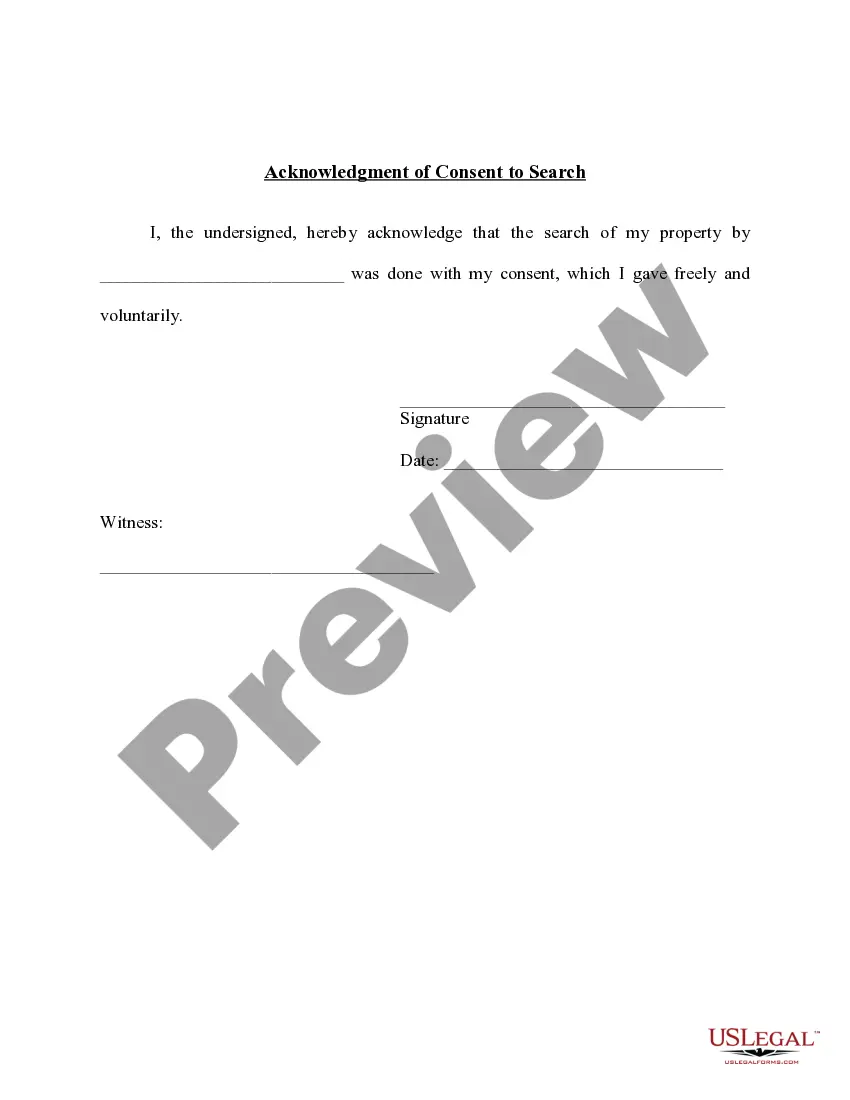
- A clear statement of consent and acknowledgment of rights.
- Signature lines for the consenting individual and witnesses, if required.
Common mistakes to avoid when using this form
When completing the Consent for Communications Intercept form, be cautious to avoid the following errors:
- Failing to specify the individuals involved in the communication.
- Not indicating an end time for the consent.
- Signing without fully understanding your rights and the implications of consent.
Key takeaways
Consent for Communications Intercept is a powerful legal document. Always ensure that you fully understand your rights before granting consent. Properly completing the form is crucial to ensure legality, and consulting a legal professional can help clarify any uncertainties regarding the implications of your consent.