How to write a promissory note: A simple guide

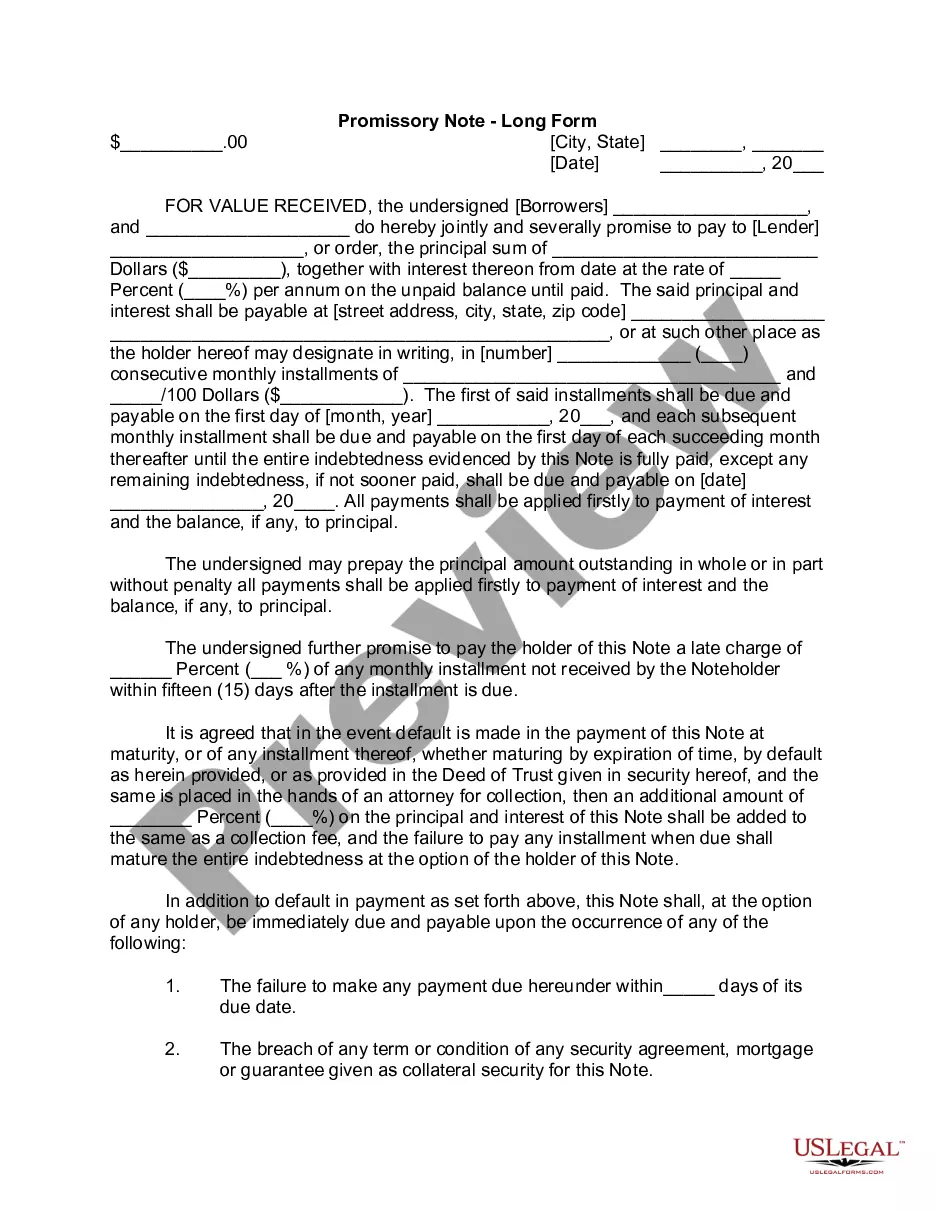
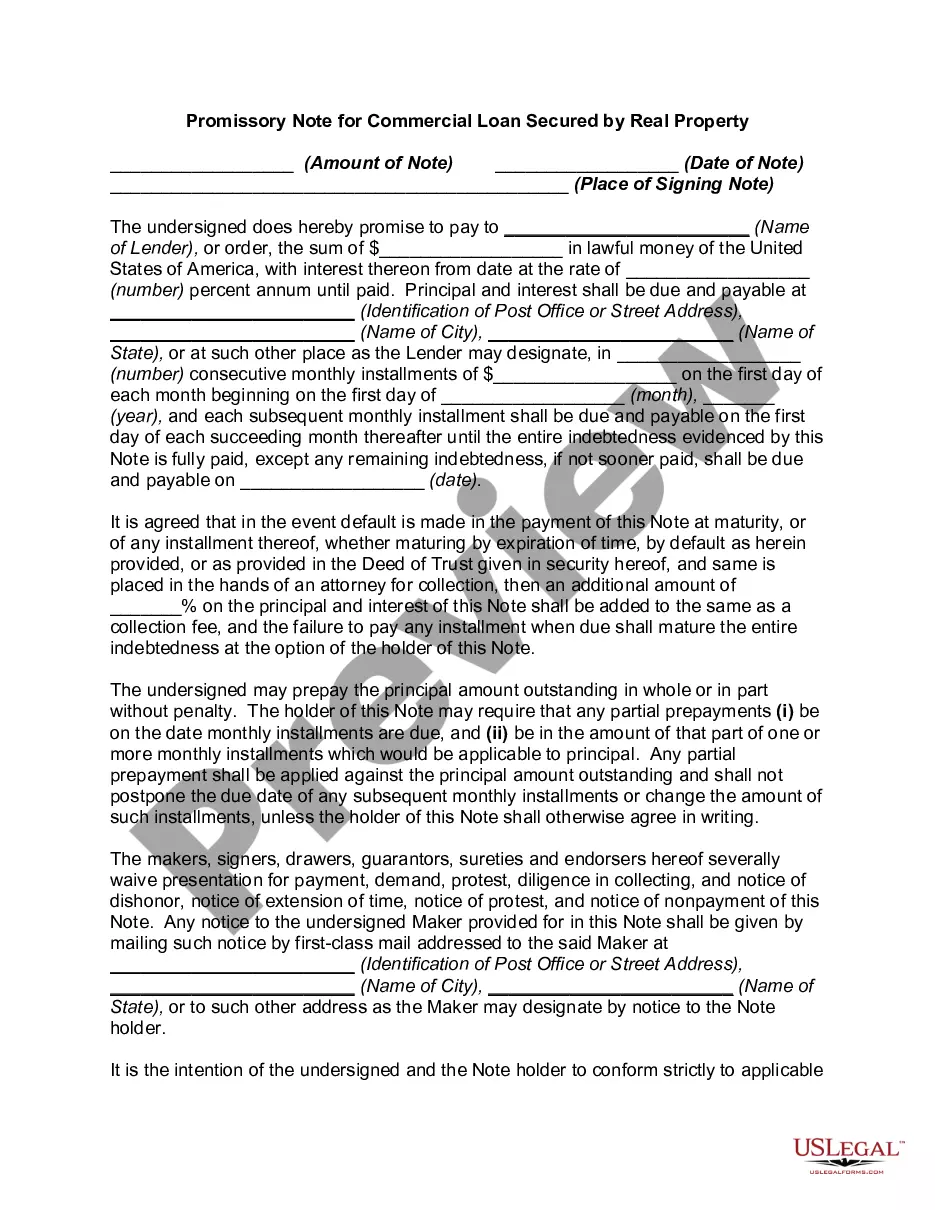
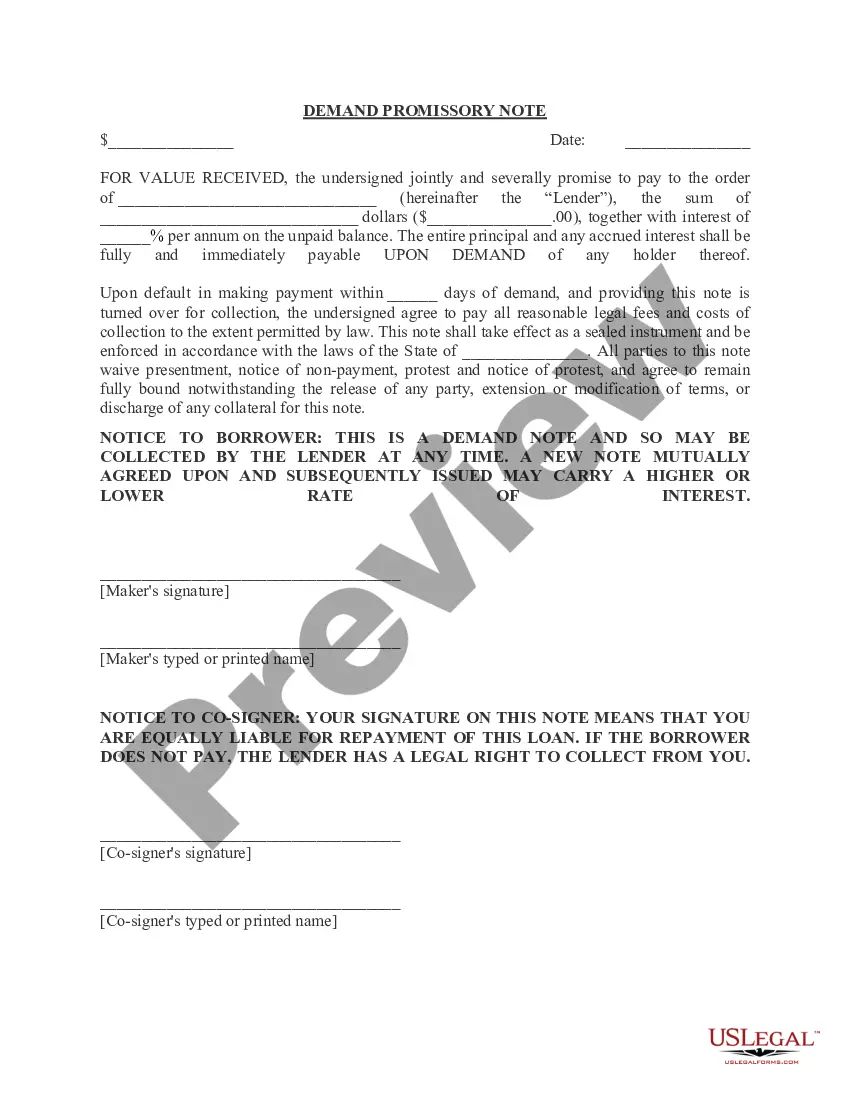
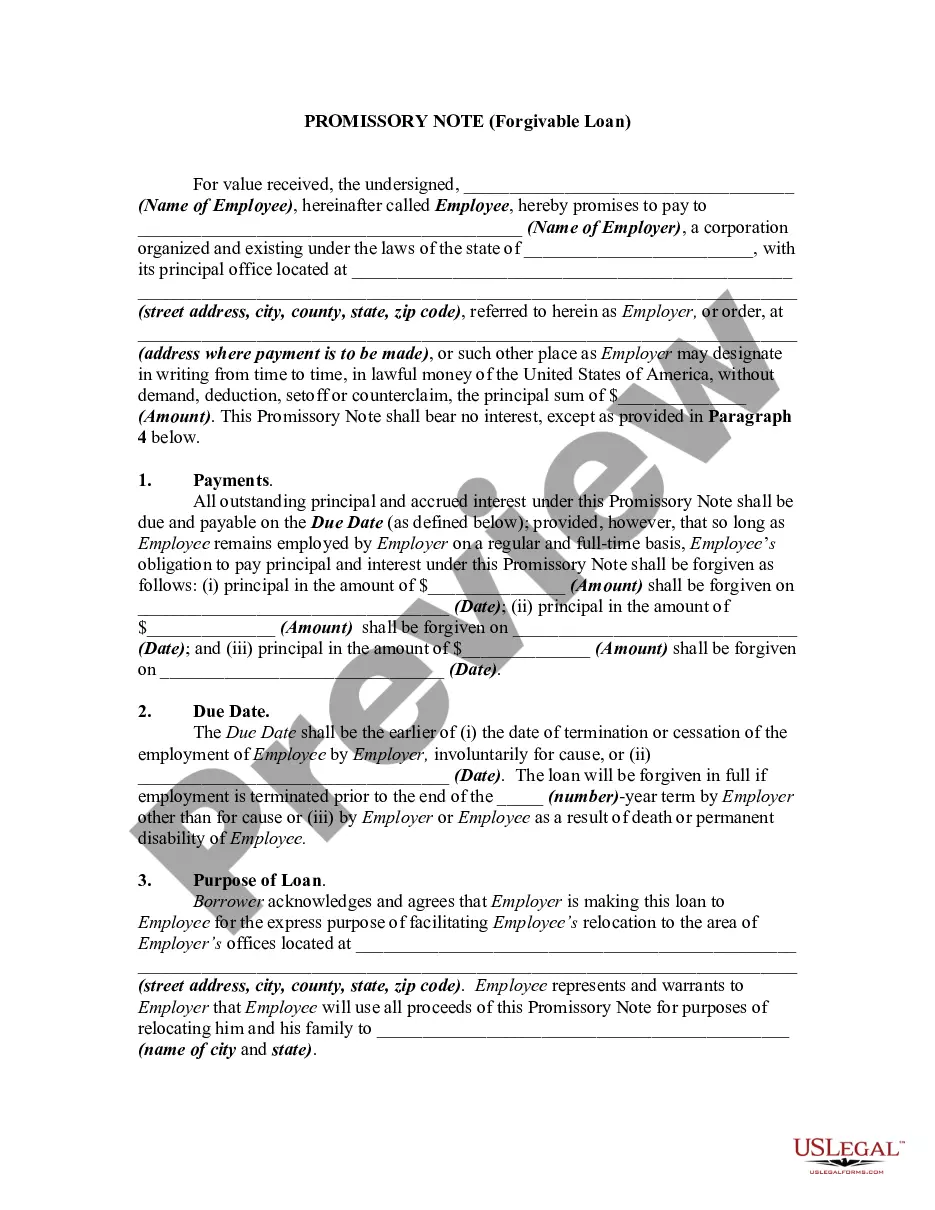
A promissory note is a written promise made by one party (the maker) to pay a specific sum of money to another party (the payee) at a predetermined time or on demand. This legal document serves as a financial instrument that outlines the terms of the loan or repayment agreement, including interest rates, payment schedules, and consequences of default. Promissory notes are commonly used in various transactions, such as personal loans, business loans, and real estate agreements.
Common mistakes to avoid when using this form

To ensure the validity and enforceability of a promissory note, avoid these common mistakes:

  • Not clearly defining terms, such as payment schedule or default conditions.
  • Omitting the signatures of all involved parties.
  • Failing to specify the interest rate or inaccurately stating it.
  • Leaving blank spaces in the document that could be altered later.
  • Not keeping a copy of the signed note for both parties' records.

Legal use and context

Promissory notes are legally binding contracts and must comply with state laws to be enforceable. They are used in various situations including:

  • Personal loans
  • Business financing
  • Real estate transactions
  • Debt consolidation

It's essential to consult with a legal professional to ensure the promissory note meets all legal requirements specific to your jurisdiction.