How To Respond To A Request For Admissions Effectively
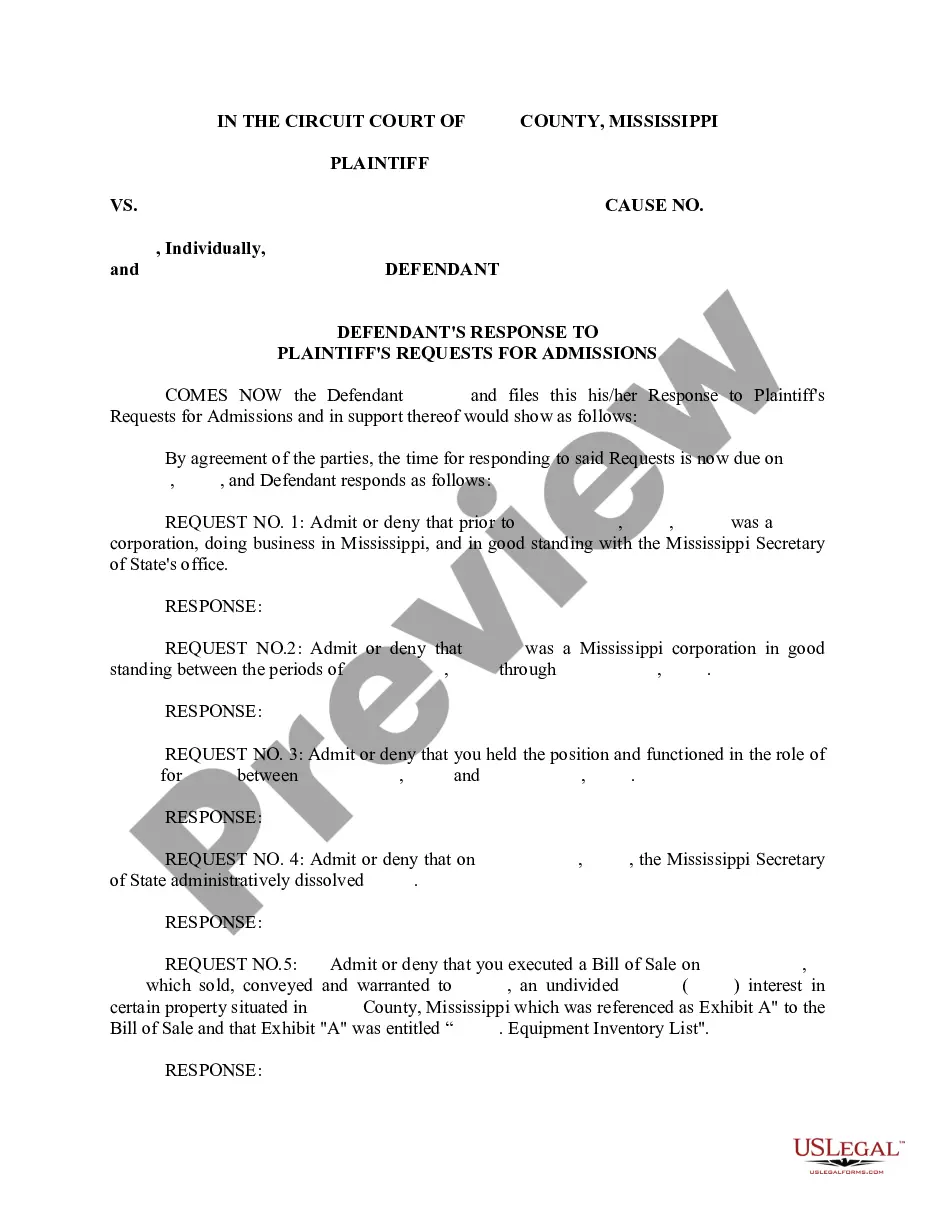
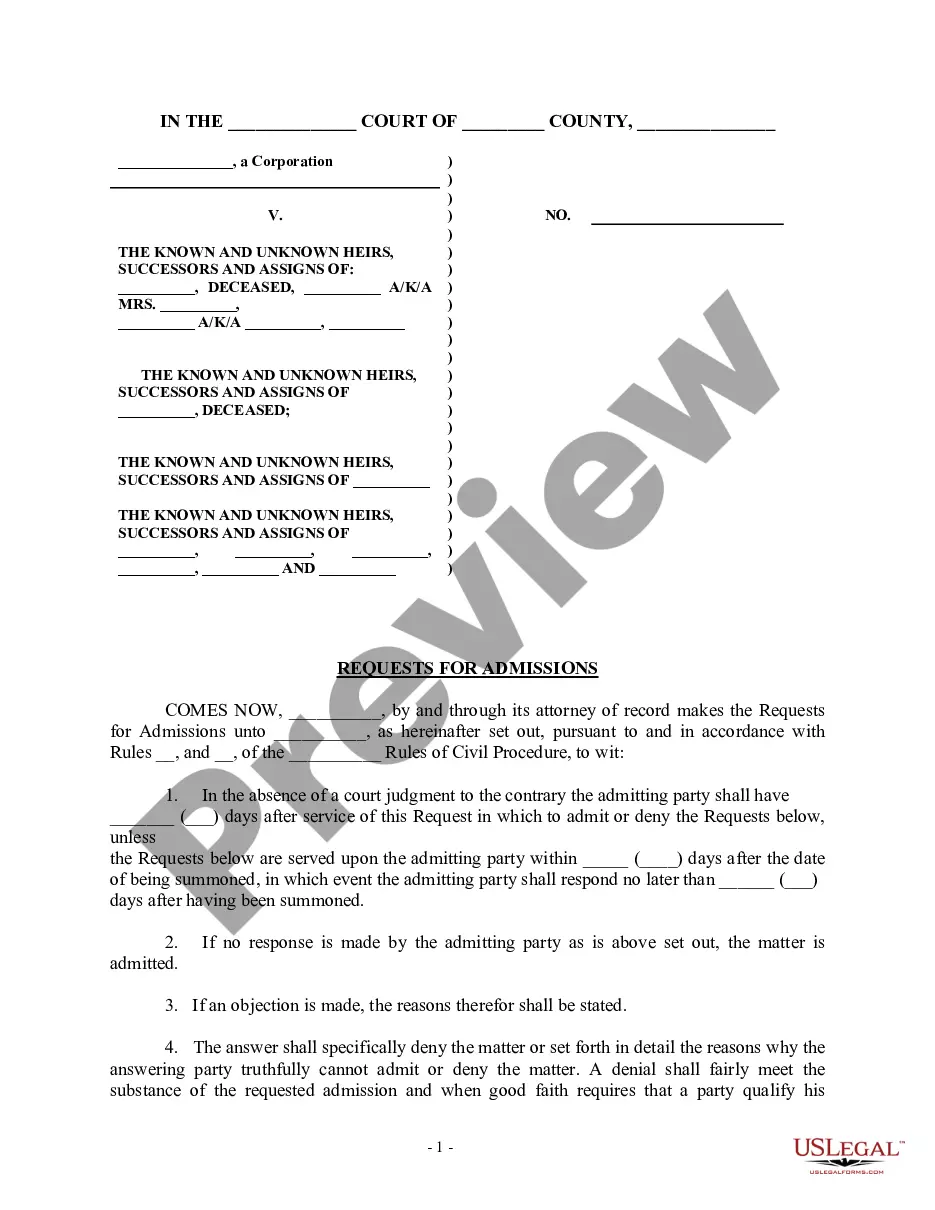
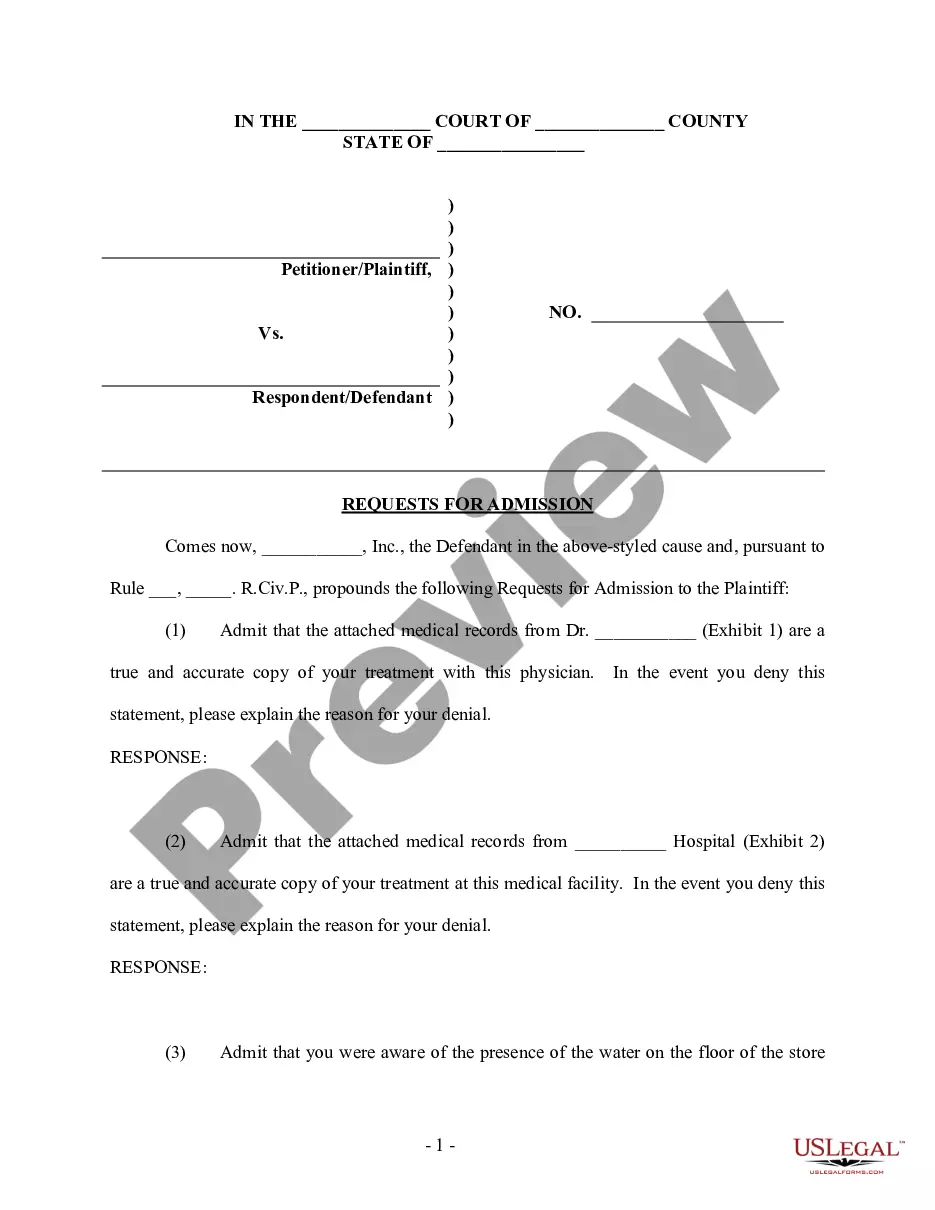
A request for admissions is a legal document in which one party asks another to admit or deny specific facts related to a case. This process is often used in litigation to streamline issues and prepare for trial. The responding party has a set amount of time to reply, providing clear admissions or denials to each statement made in the request.
How to complete a form
To respond to a request for admissions, follow these steps:
- Read the request carefully to understand each statement that requires a response.
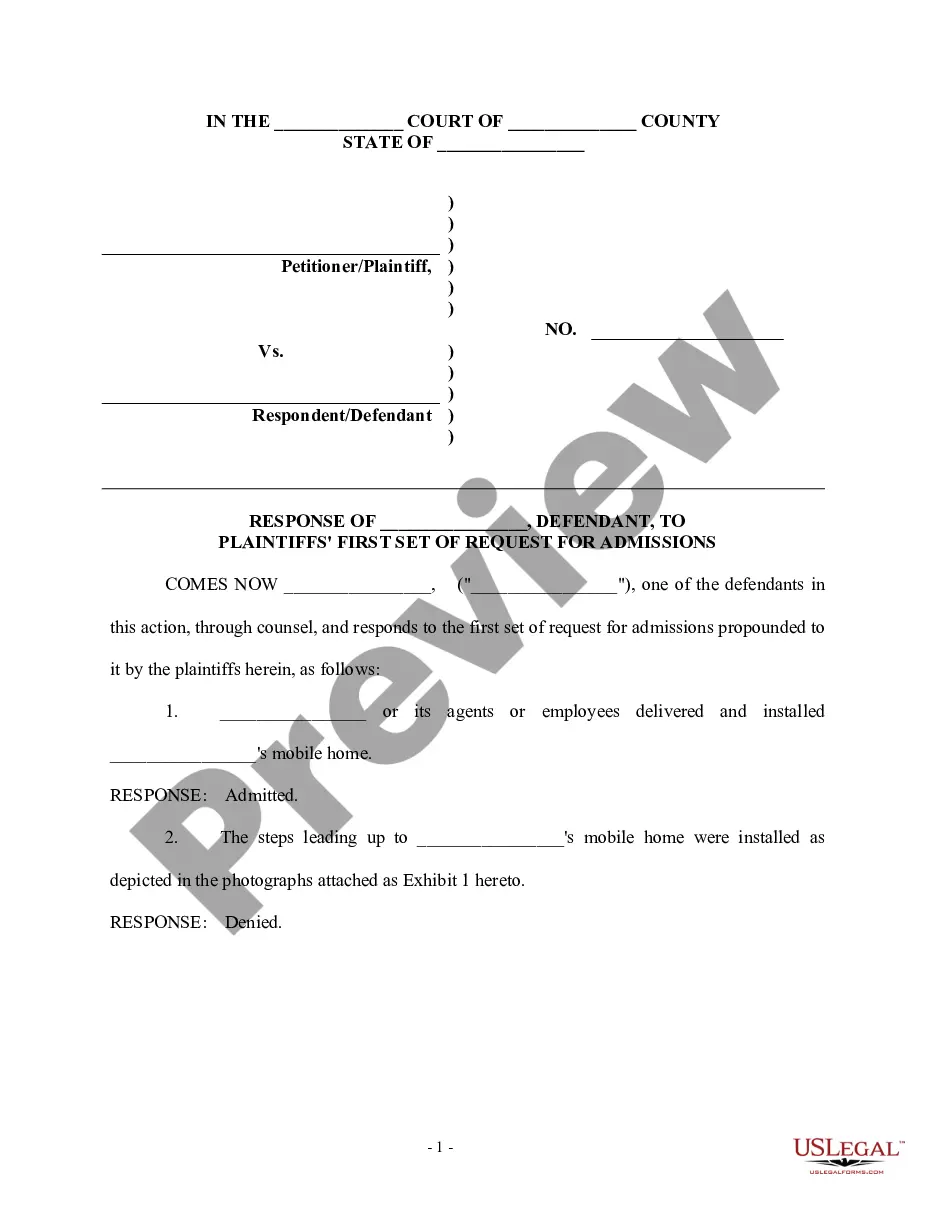
- Address each statement individually. Clearly state whether you admit or deny the statement.
- If you do not have sufficient knowledge to respond, indicate that specifically.
- Ensure your responses are truthful and accurate, as false statements could lead to legal repercussions.
- Sign and date your response, and include your contact information.
Common mistakes to avoid when using this form
When responding to a request for admissions, it's crucial to avoid the following mistakes:
- Failing to respond within the designated time frame, which can result in automatic admissions.
- Providing vague responses instead of clear admissions or denials.
- Not addressing each statement directly, leading to confusion about your position.
- Forgetting to sign the response, which may render it invalid.
- Overlooking the potential consequences of your admissions.
Key components of the form
When drafting your response to a request for admissions, ensure that your document includes the following components:
- Caption: This includes the name of the court, case number, and parties involved.
- Introductory statement: Briefly state that you are responding to the request and identify the date you received it.
- Responses: Structured responses to each request, indicating whether you admit, deny, or lack sufficient knowledge.
- Signature block: Your signature, printed name, and contact information.
Who should use this form
This form should be used by any individual or party involved in a legal dispute who has received a request for admissions from another party. It is particularly relevant in civil litigation, family law cases, and any situation where establishing factual clarity is essential to the proceedings.
What documents you may need alongside this one
When responding to a request for admissions, consider having the following documents on hand:
- Previous pleadings related to the case.
- Any relevant contracts, agreements, or correspondence.
- Supporting evidence to substantiate your responses.
- Legal representation documents if you are working with an attorney.