• US Legal Forms

How to respond to a collection letter effectively and promptly

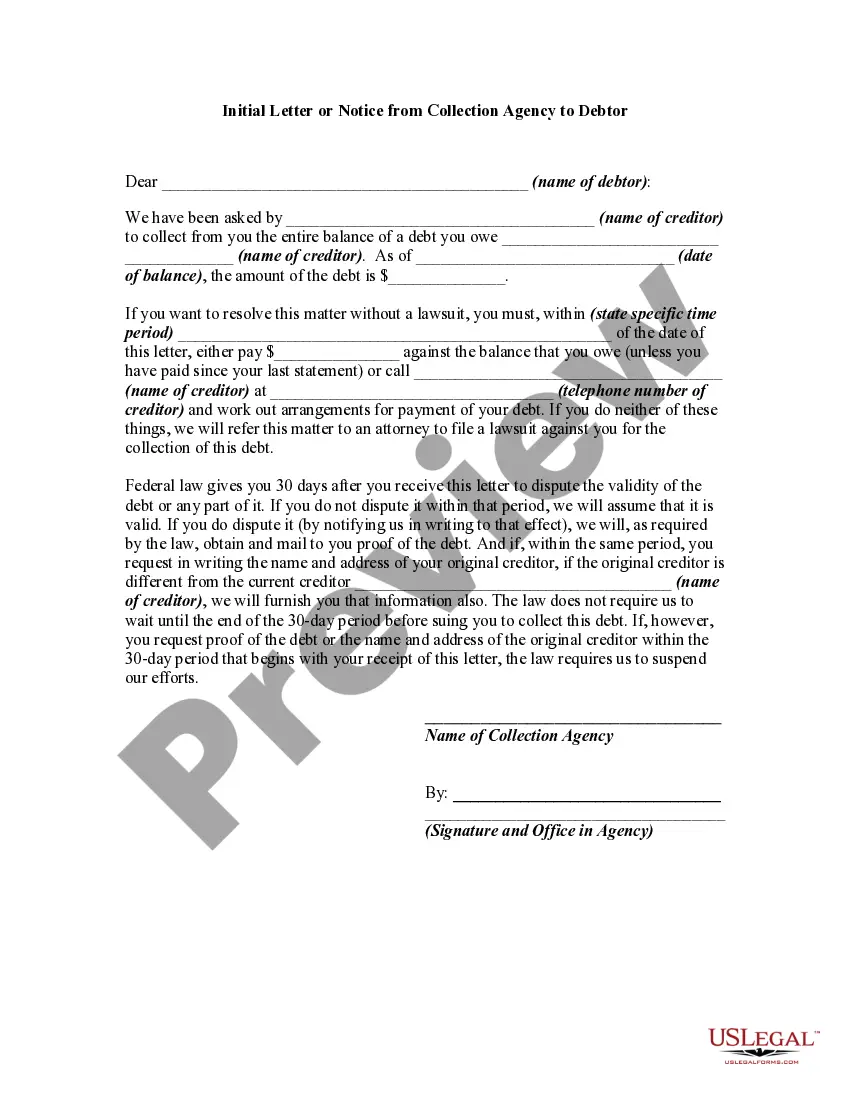
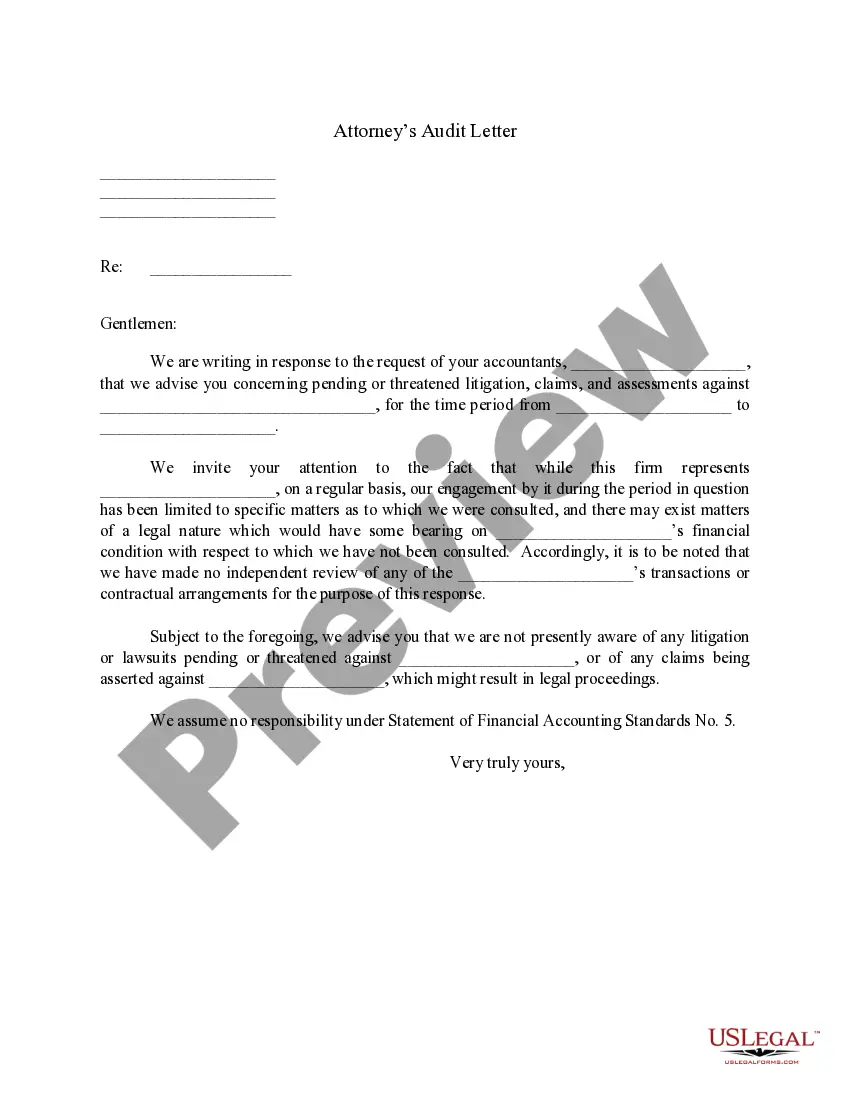
A collection letter is a formal communication sent by creditors or collection agencies to inform a debtor about an outstanding balance. The letter typically includes details about the amount owed, the original creditor, and a request to settle the account. It serves as a reminder of the debt and may outline the consequences of non-payment.
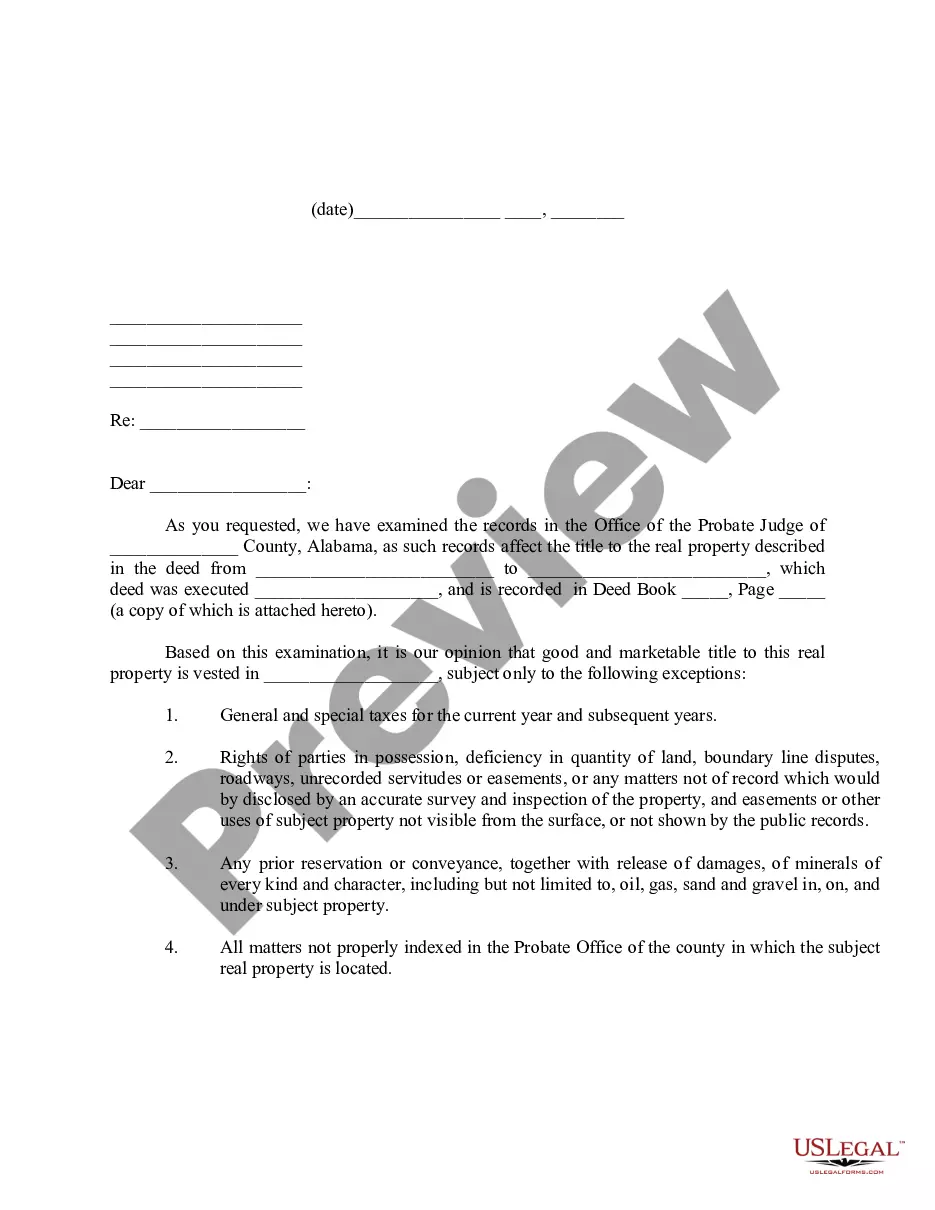
Steps to respond to a collection letter

Responding to a collection letter can help you manage your debt effectively. Follow these steps:

  • Review the Letter: Examine the letter carefully to understand the amount owed and the creditor's details.
  • Verify the Debt: If you dispute the debt, send a written statement to the collector within thirty days of receiving the letter.
  • Contact the Creditor: Reach out to the creditor to discuss payment options or to negotiate a settlement.
  • Document Everything: Keep records of all communications and payments related to the debt.
  • Seek Legal Advice: If you feel the collection is unlawful or unfair, consider consulting a legal professional.

What to expect after responding

After you respond to a collection letter, the creditor may take the following actions:

  • Acknowledgment of Your Response: They may confirm receipt of your communication.
  • Negotiation Options: The creditor may propose different payment plans or settlements.
  • Continued Communication: Be prepared for ongoing correspondence as the matter is resolved.
  • Possible Legal Actions: If the debt remains unresolved, legal action may still be pursued, which is why keeping communication open is crucial.