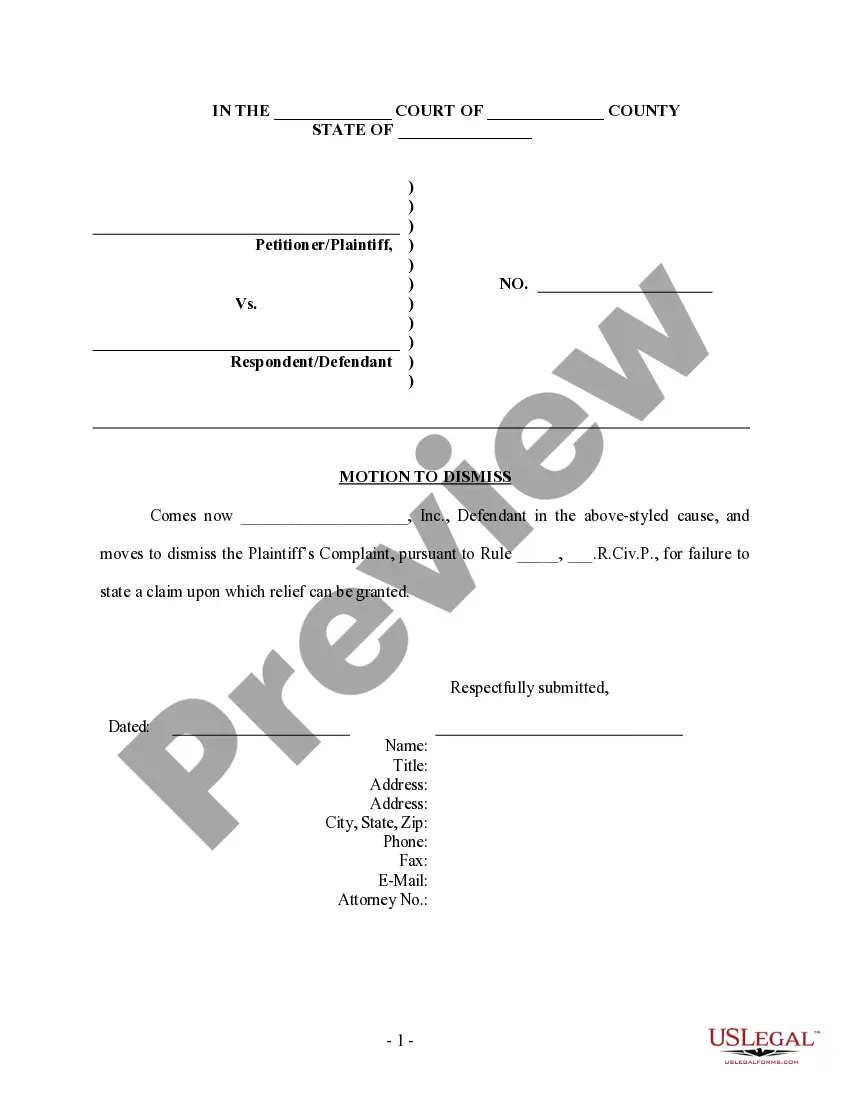
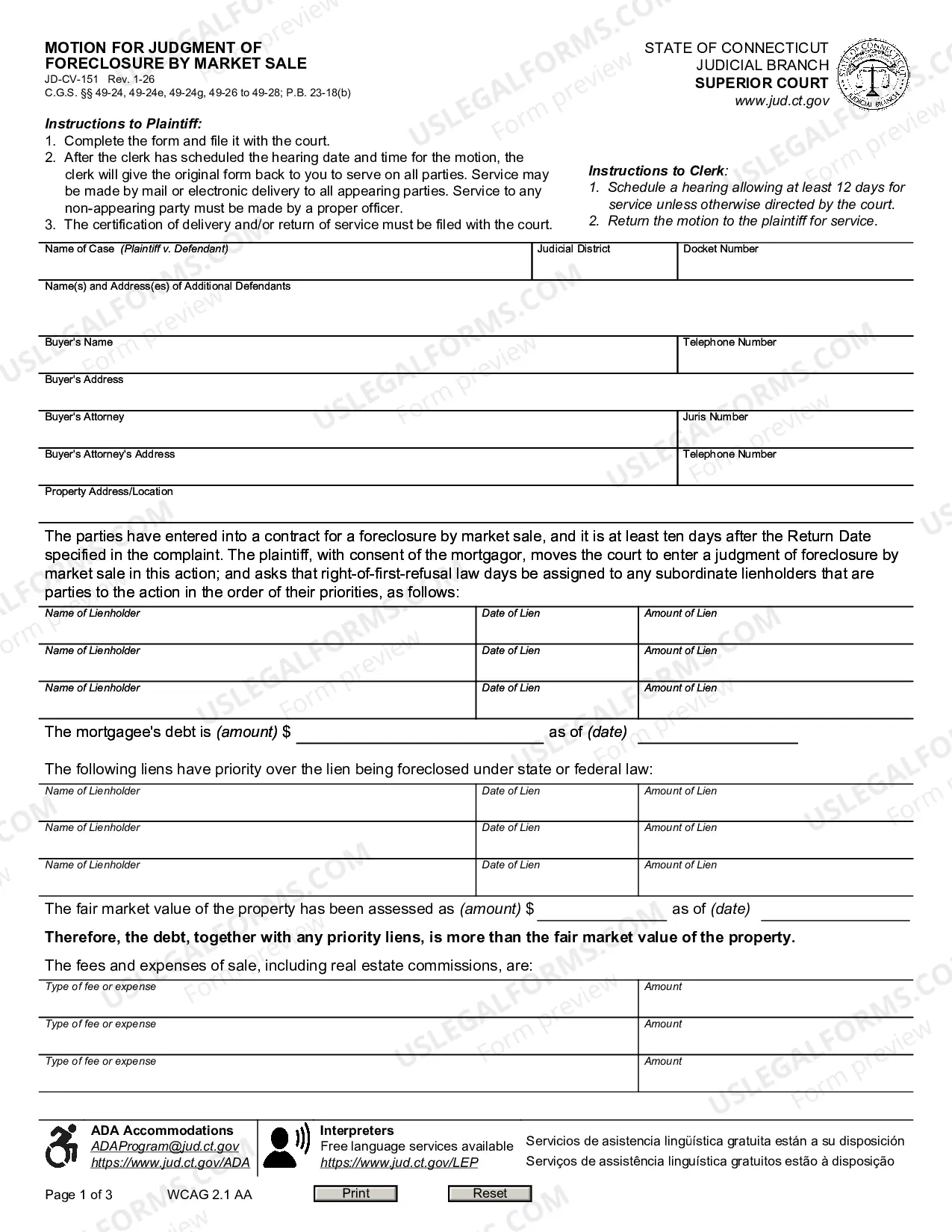
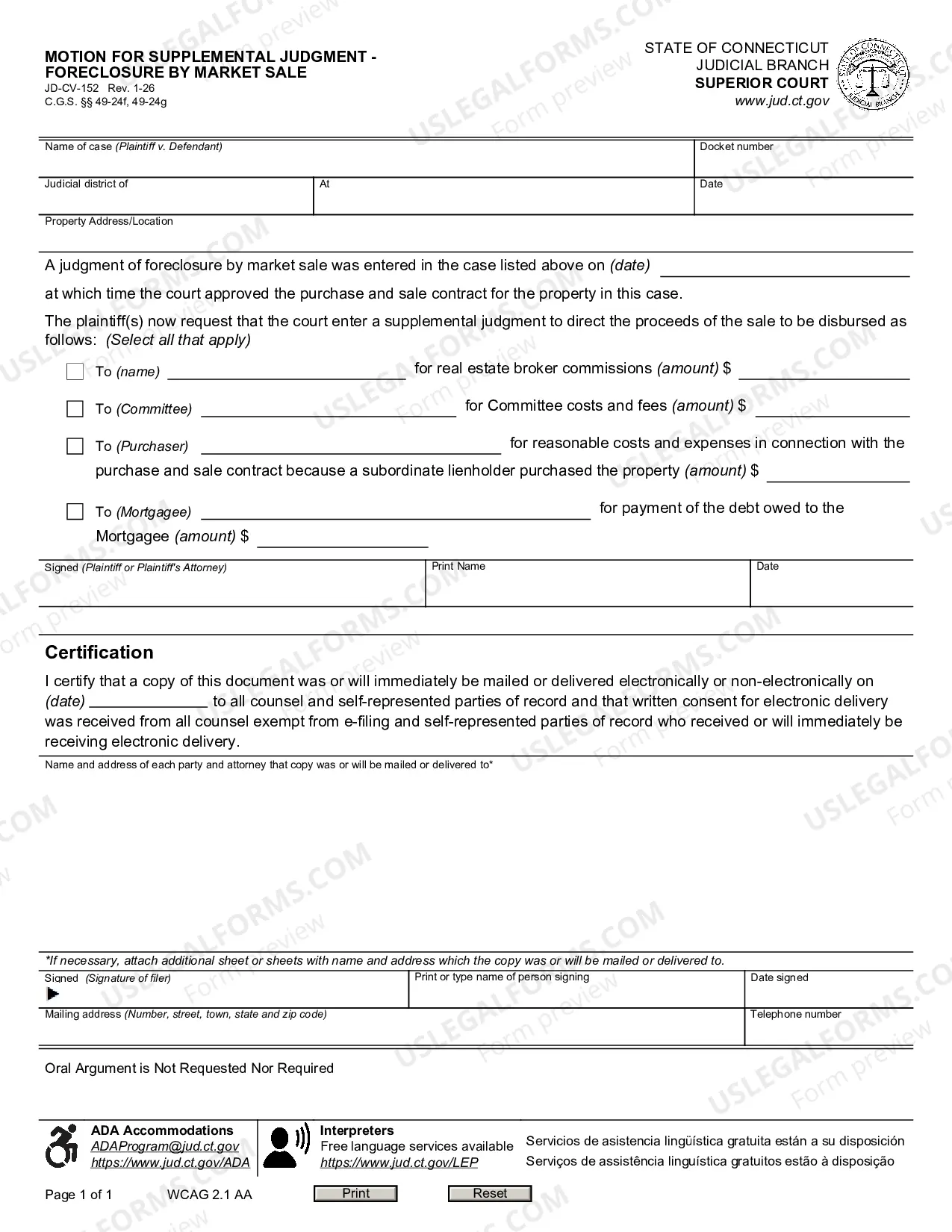
How to file a motion to dismiss: A step-by-step guide
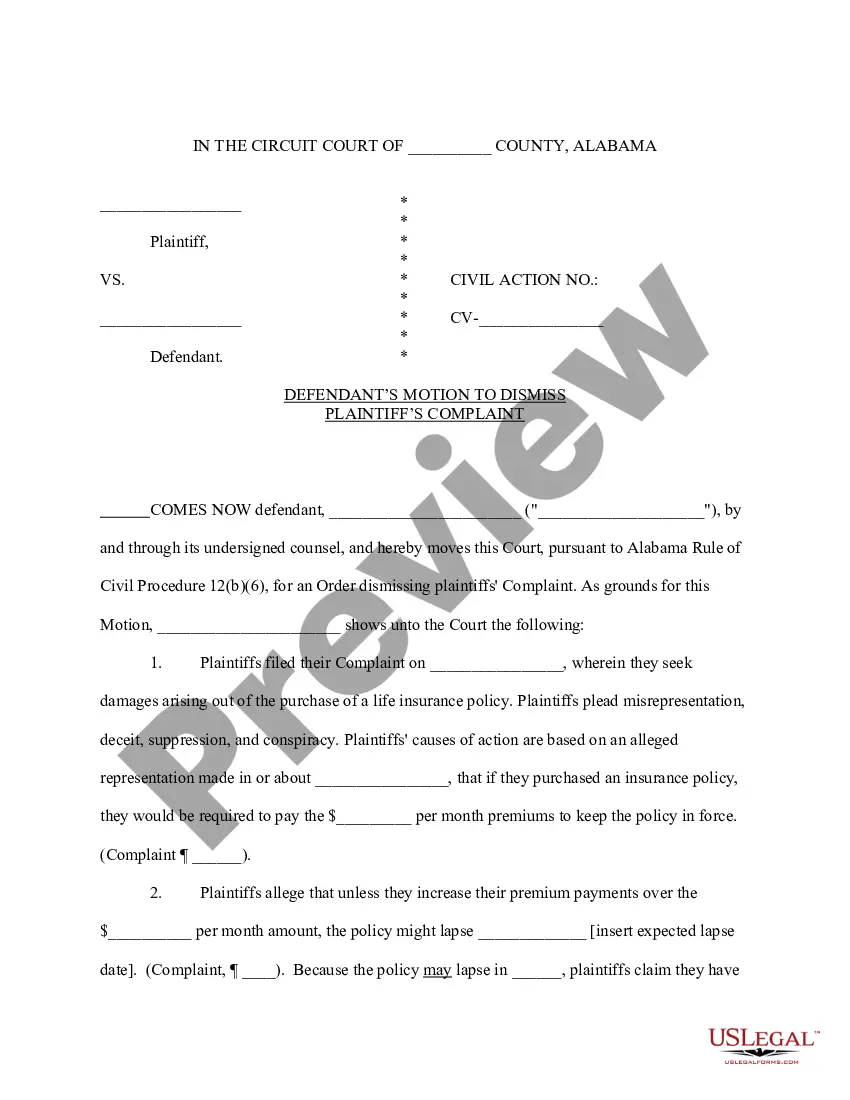
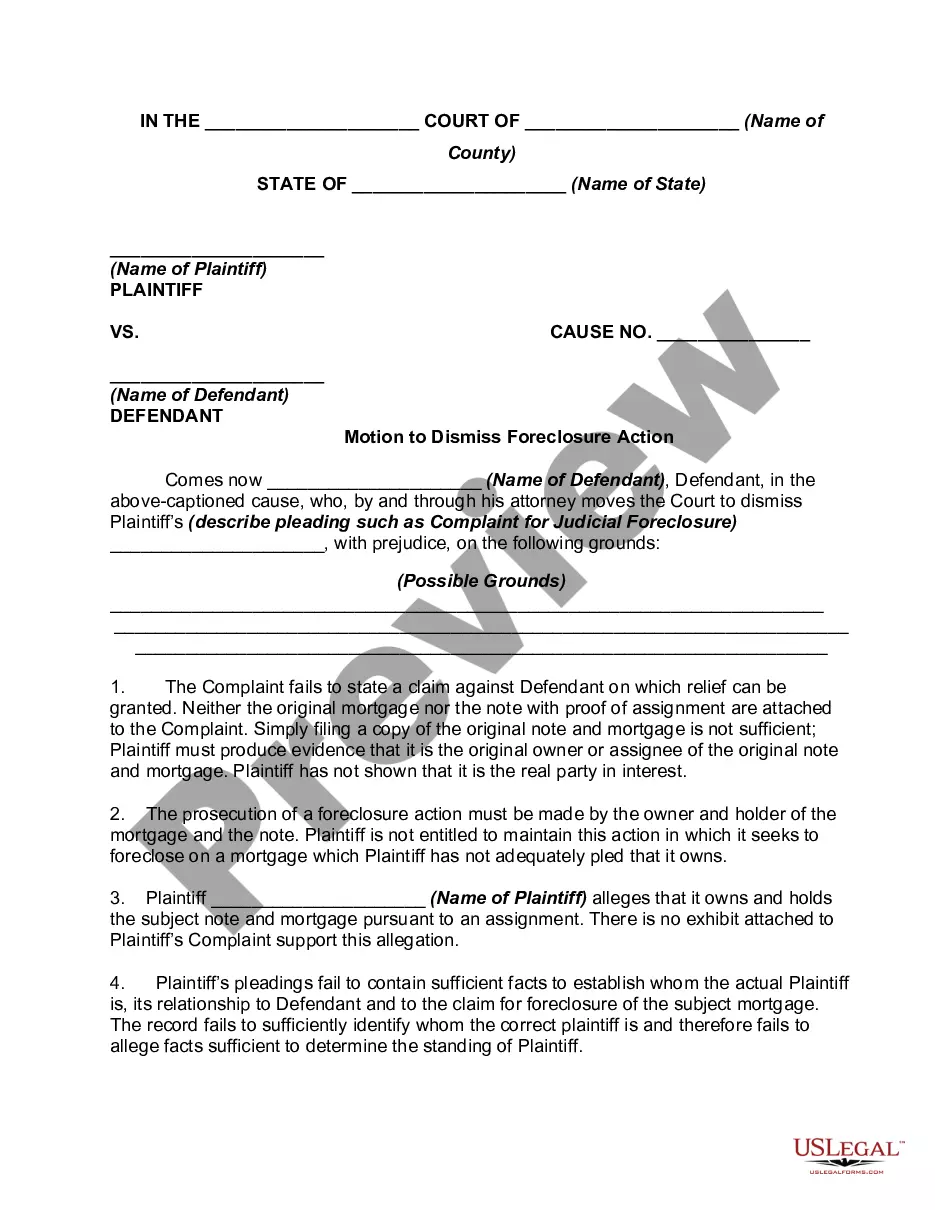
A motion to dismiss is a formal request made to a court to terminate a case without a trial. This motion argues that even if all the allegations in the complaint are true, there are legal reasons that prevent the case from proceeding. Common grounds for filing a motion to dismiss include lack of subject matter jurisdiction, failure to state a claim upon which relief can be granted, or improper service of process.
Who should use this form
The motion to dismiss may be relevant for defendants in civil lawsuits. If you are named as a defendant and believe the plaintiff has no valid legal basis for their claims, or if procedural issues exist, you might consider filing this motion to halt further litigation.
Legal use and context
This legal form is often utilized during the early stages of litigation. It can be critical in cases where defendants want to challenge the sufficiency of the complaint before engaging in costly discovery or trial preparation. Familiarity with local rules and the legal standards for dismissal is essential when preparing this motion.