How to file a judgment affidavit: A step-by-step guide
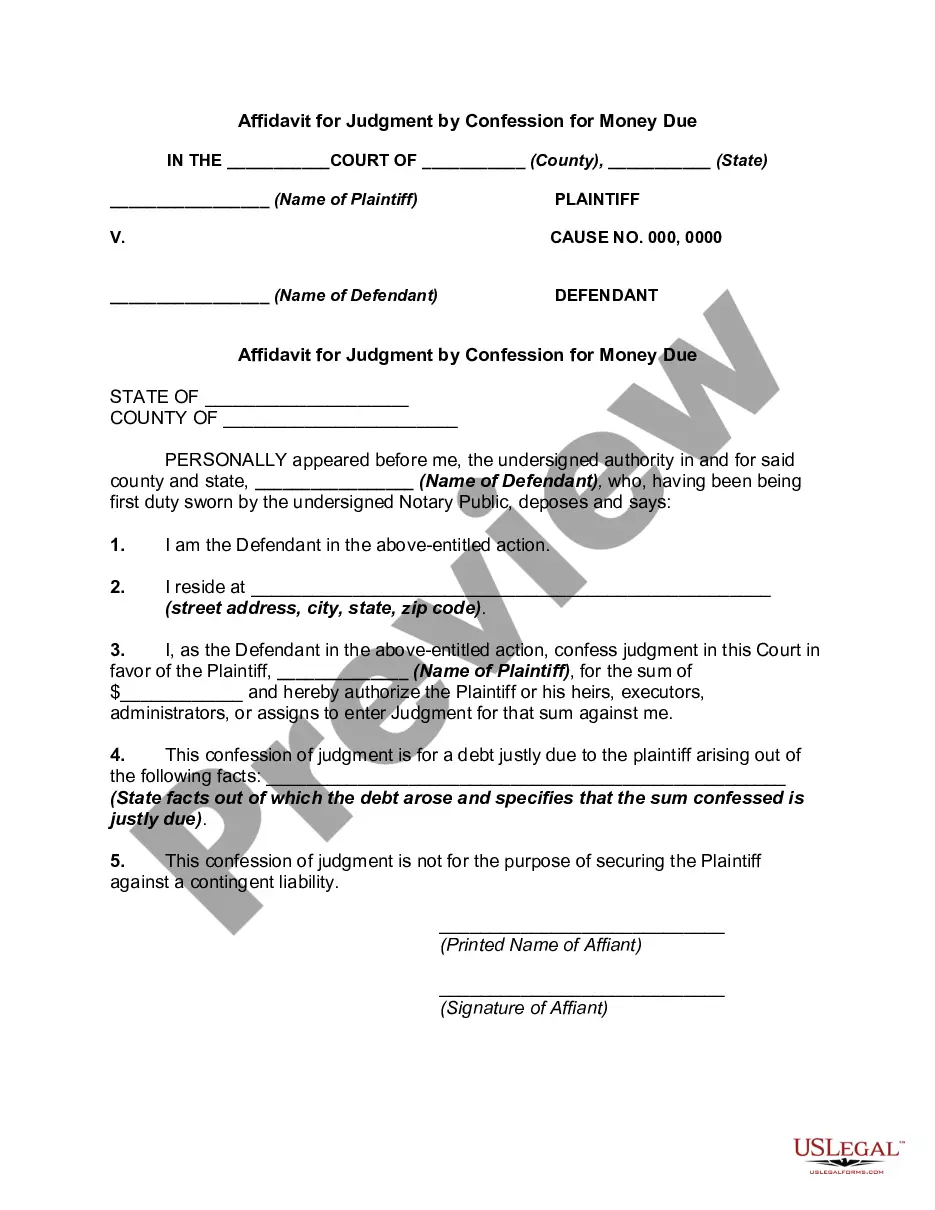
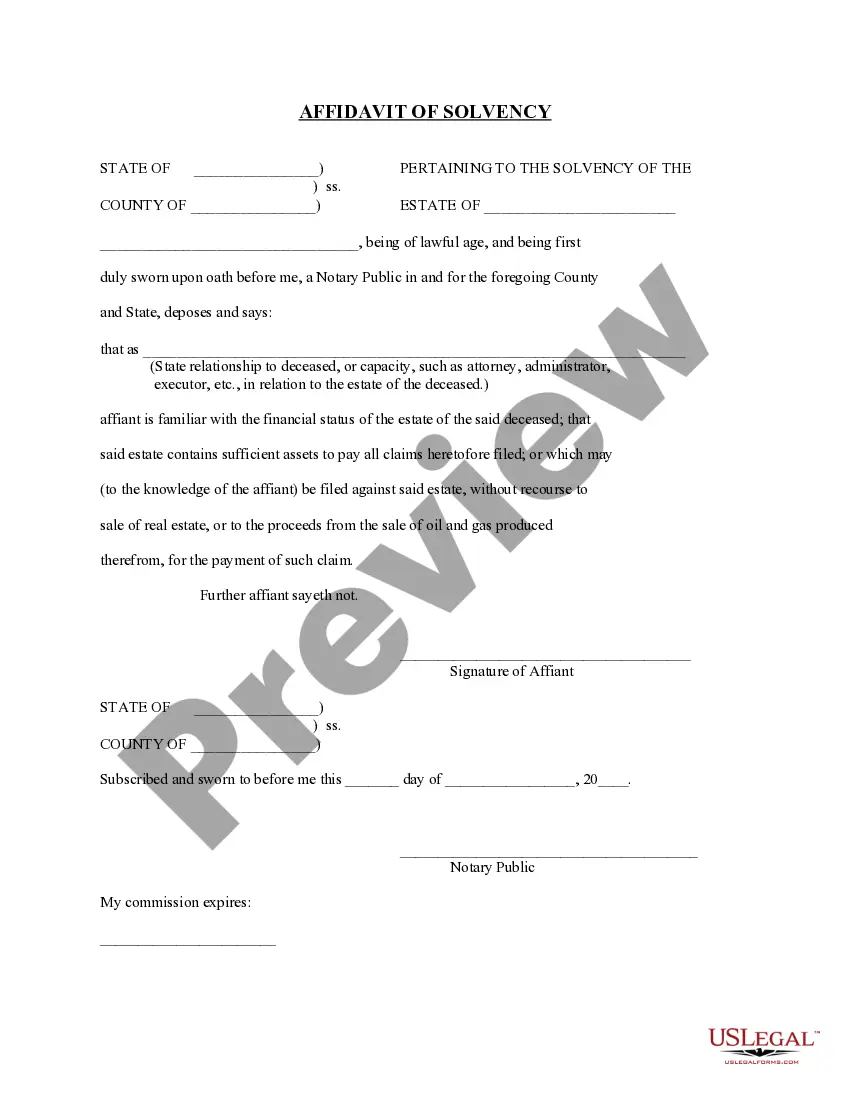
A judgment affidavit is a legal document used to affirm certain facts related to a judgment against an individual. This affidavit serves to clarify disputes regarding identity or responsibility for a specific judgment. By filing a judgment affidavit, individuals can attest that they are not the persons against whom the judgment was made, often due to confusion with similar names or other relevant factors.
How to complete a form
Filing a judgment affidavit involves several straightforward steps. For clarity, follow these steps:
- Identify the correct legal form for your jurisdiction.
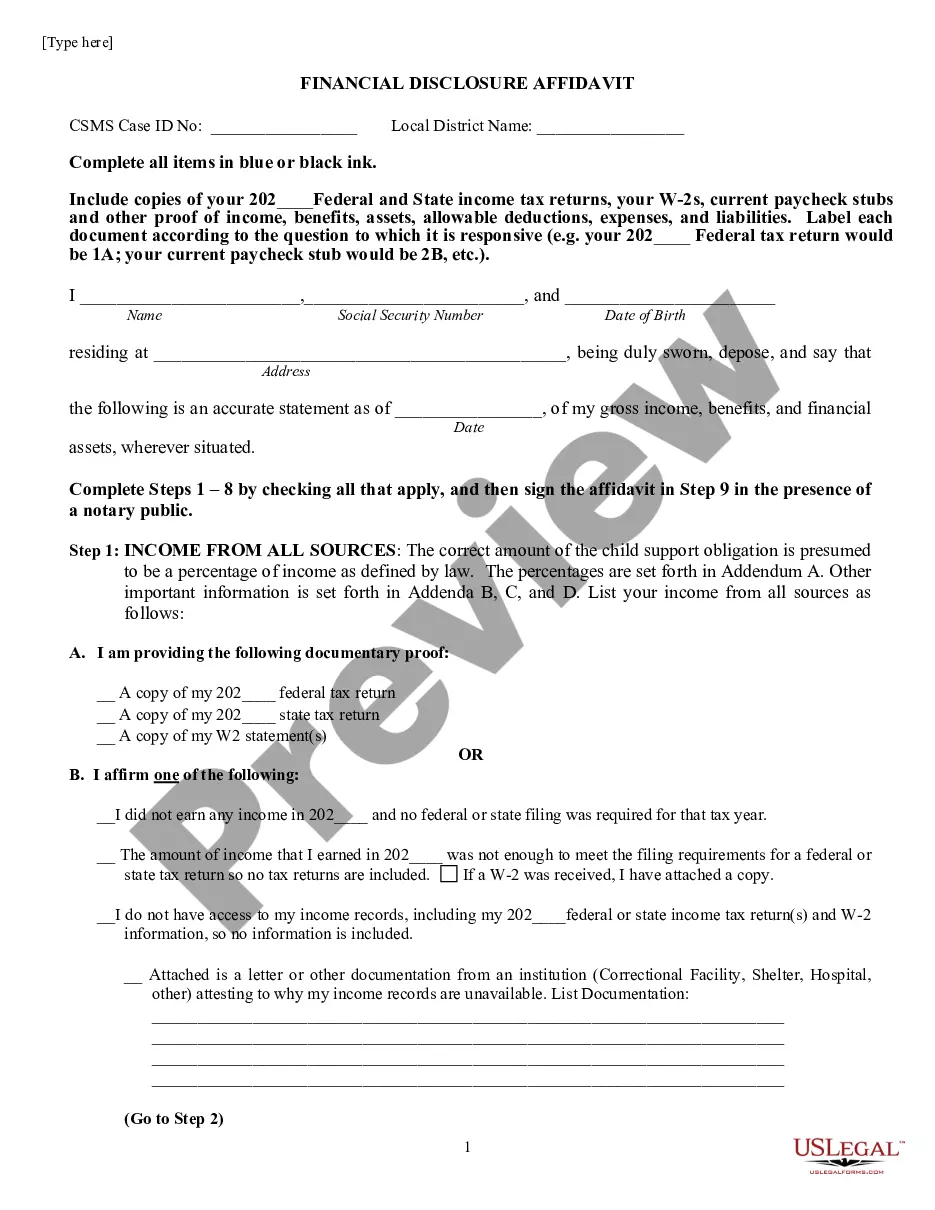
- Provide your personal information, such as your full name and contact details.
- Clearly state the judgments you are contesting, including details like case numbers and amounts.
- Be explicit about your non-affiliation with the parties named in each judgment.
- Sign the affidavit in front of a notary public.
- File the completed affidavit with the court where the original judgment was recorded.
Who should use this form
This form is suitable for individuals who have been wrongly associated with a judgment due to name similarities or other reasons. Anyone who finds themselves listed in public records due to a judgment that does not pertain to them should consider filing a judgment affidavit. This includes those who have never lived at the address stated in the judgment or who do not share social security numbers with the named parties.
Common mistakes to avoid when using this form
When completing a judgment affidavit, be mindful of the following common errors:
- Failing to correctly match details between your affidavit and the original judgment records.
- Neglecting to have the affidavit notarized, which may invalidate it.
- Omitting important case numbers or amounts related to the judgments.
- Giving unclear or vague explanations about why you are contesting the judgments.
What documents you may need alongside this one
When filing a judgment affidavit, gather the following documents for reference:
- Copies of the original judgments you are contesting.
- Your identification, such as a driver’s license or passport.
- Any proof of residency to support your non-affiliation with the addresses listed in the judgments.
- Any related correspondence that may clarify your position.
What to expect during notarization or witnessing
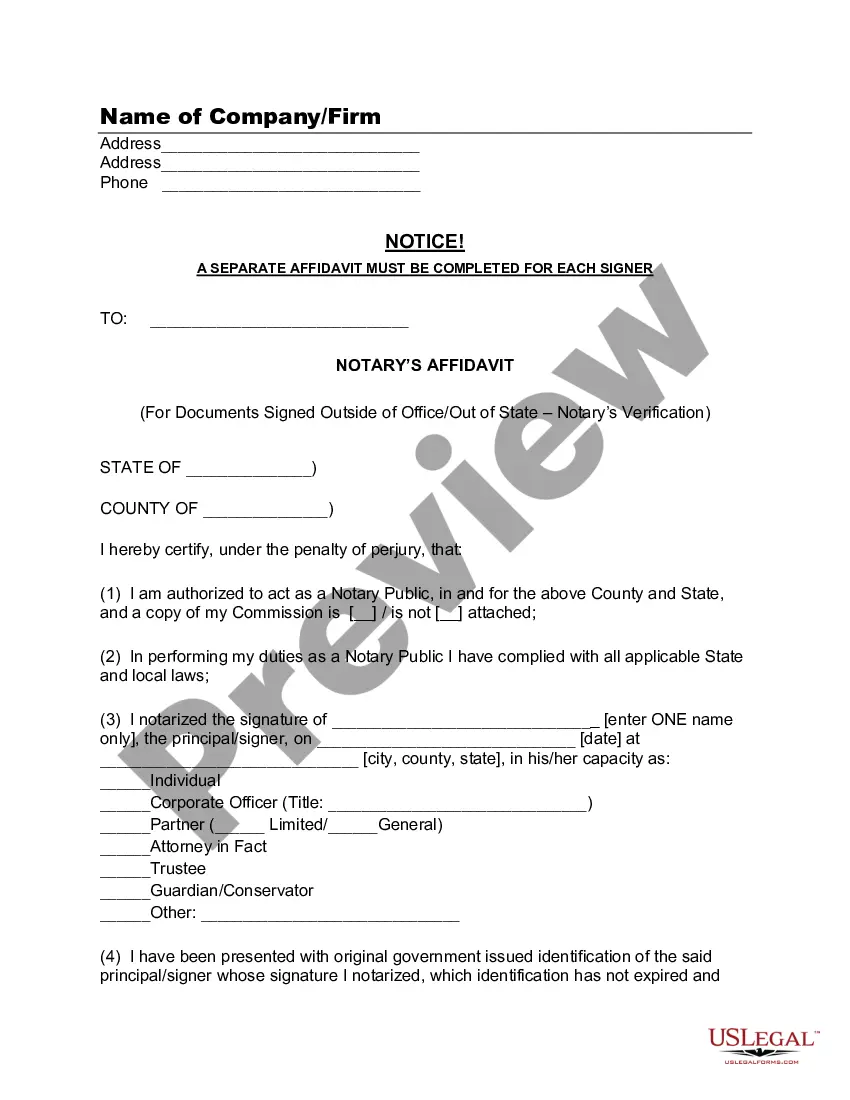
When taking your affidavit to a notary public, expect the following:
- You will need to present valid identification to confirm your identity.
- The notary will review the affidavit to ensure completeness and correctness.
- You will need to sign the affidavit in the presence of the notary.
- The notary will then provide their seal and signature, validating the affidavit for submission.