How to Complete a Short Form Office Lease: A Step-by-Step Guide
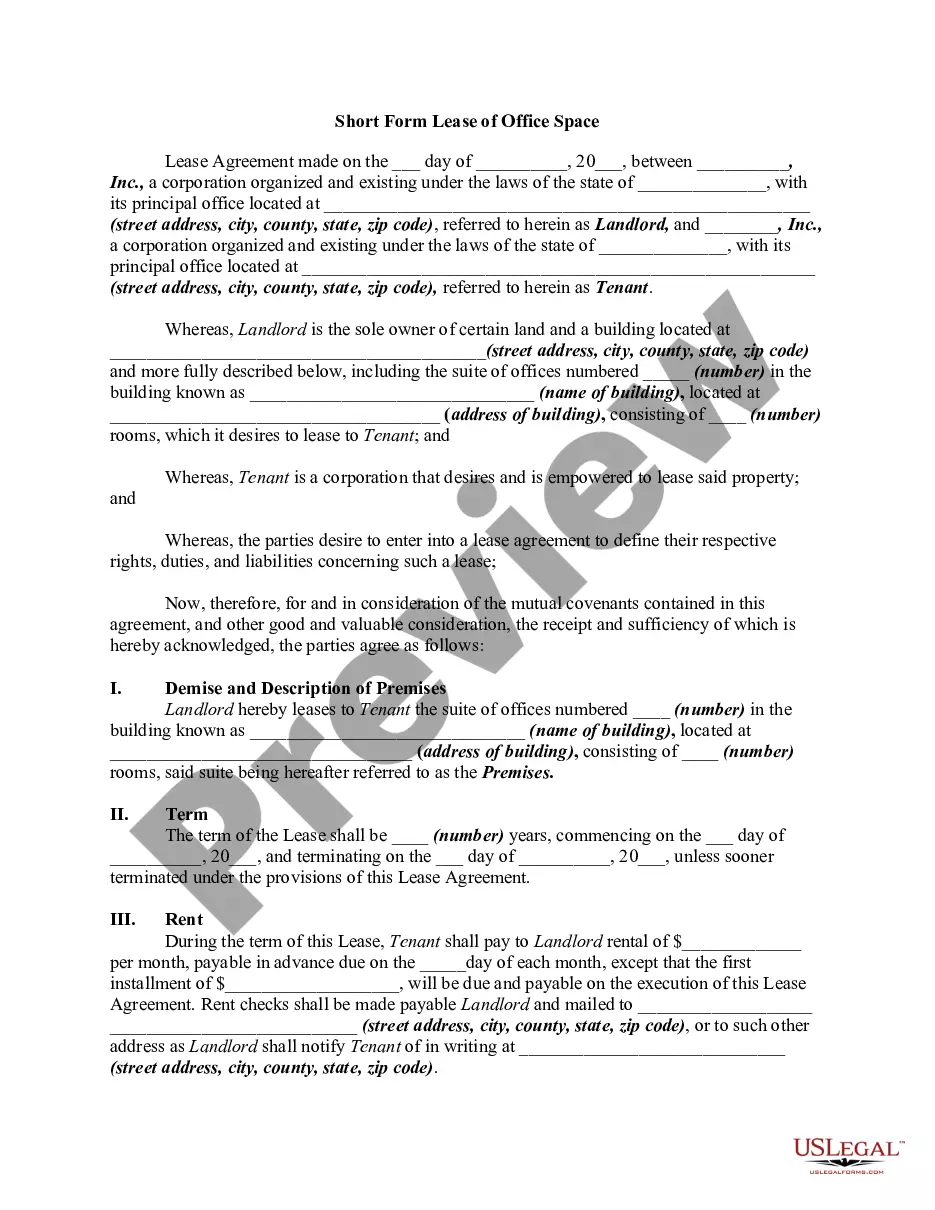
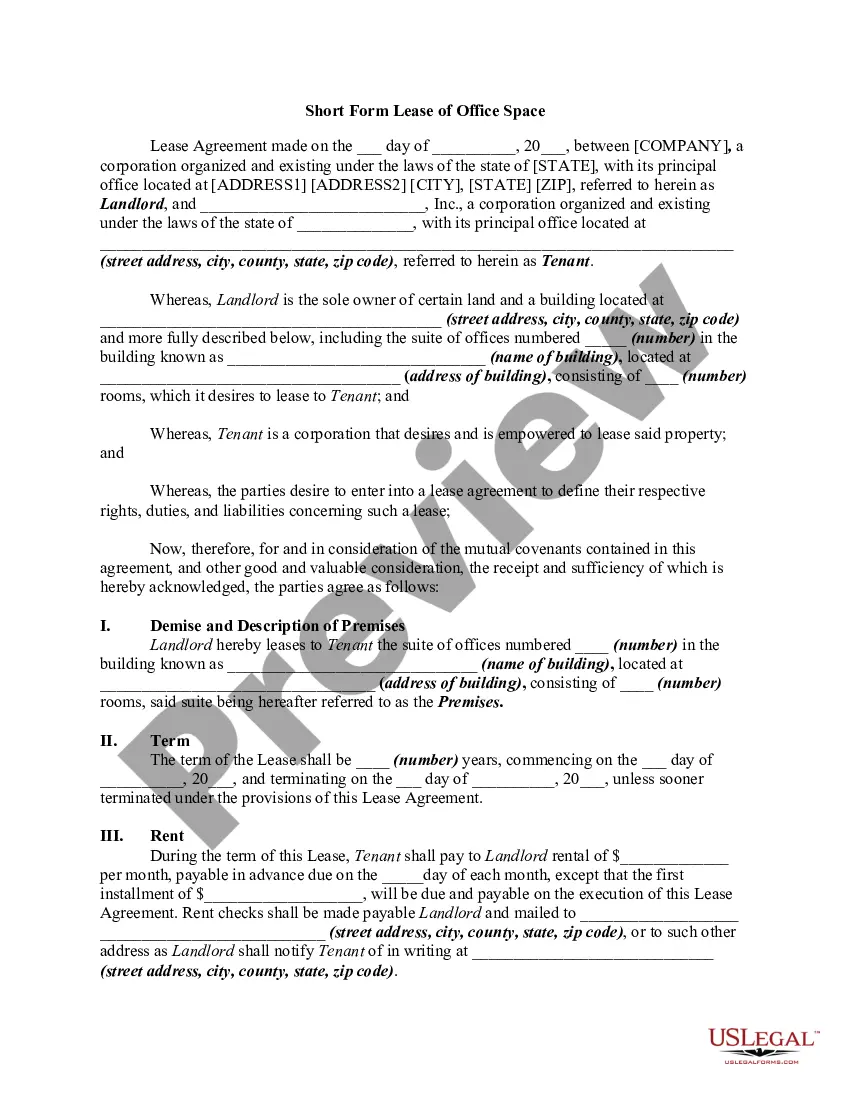
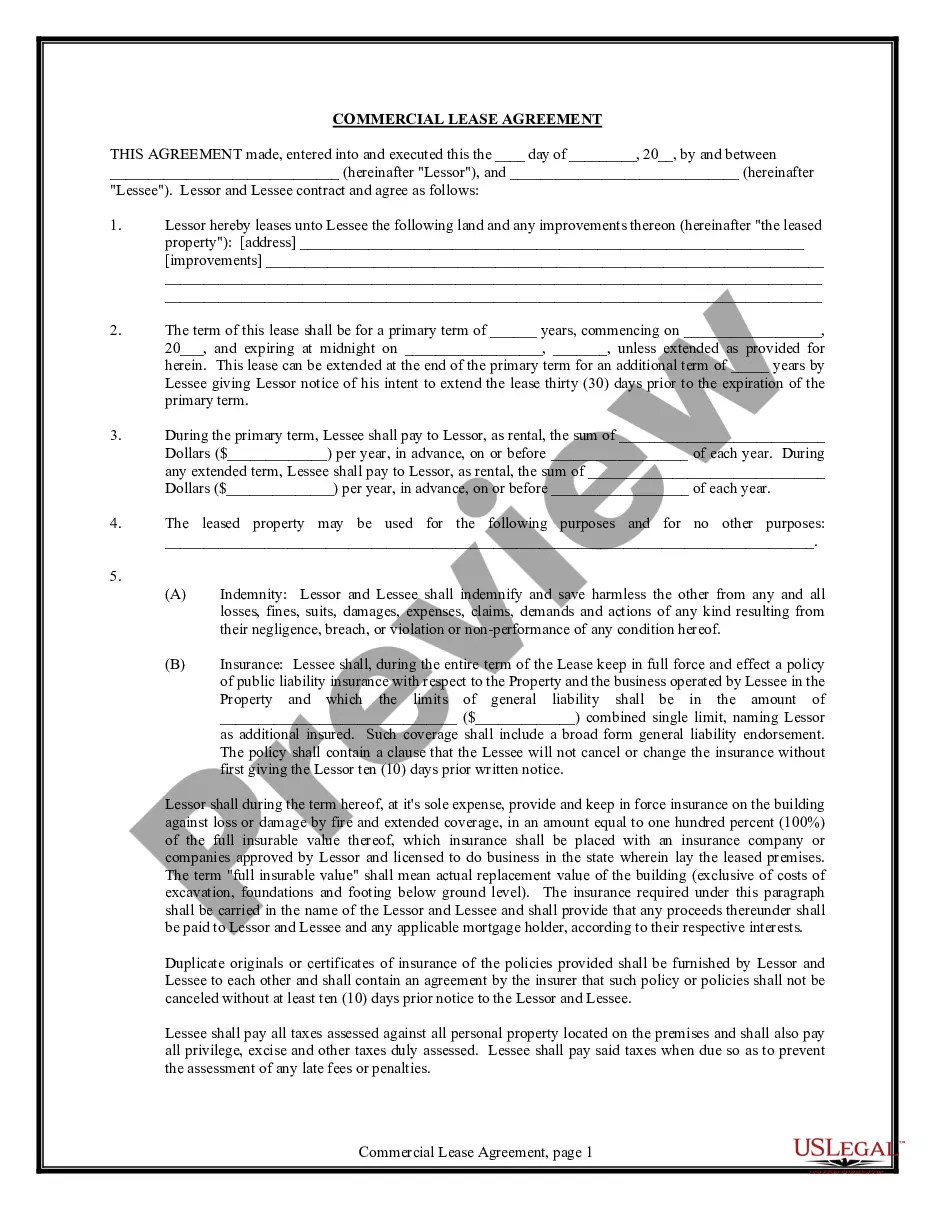
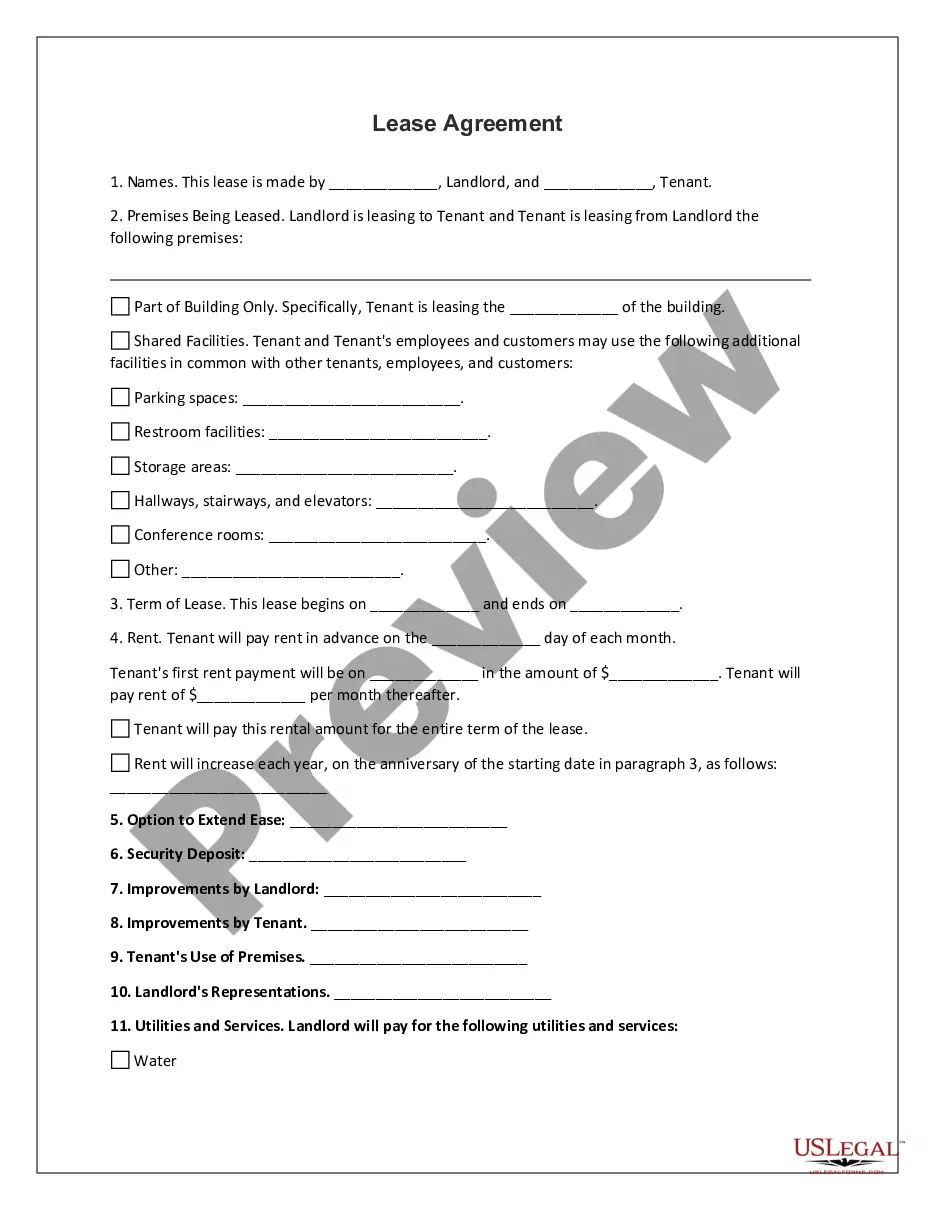
A Short Form Office Lease is a legal document that outlines the terms and conditions under which a lessor rents out a commercial space to a lessee. This type of lease is generally more concise than a traditional office lease, focusing on the essential details without excessive legal jargon. It serves to protect both parties involved in the transaction by clearly stating their rights and responsibilities.
Who should use this form
This form is ideal for individuals or businesses seeking to rent office space without the complexity of a lengthy lease. It is commonly used by small businesses, freelancers, or entrepreneurs who need temporary or flexible office arrangements. Both lessors and lessees can benefit from using this document to ensure clarity and mutual understanding of the lease terms.
Key components of the form
A Short Form Office Lease typically includes the following key components:
- Parties involved: Identification of the lessor and lessee.
- Description of the premises: Details of the office space being leased.
- Lease term: Duration of the lease agreement.
- Rent payment: Monthly rent amount and payment schedule.
- Security deposit: Terms regarding the security deposit required from the lessee.
- Maintenance responsibilities: Obligations of both parties regarding property upkeep.
Common mistakes to avoid when using this form
When completing a Short Form Office Lease, users should watch out for the following common mistakes:
- Failing to provide accurate information about the parties and premises.
- Not specifying the lease term clearly, leading to potential misunderstandings.
- Omitting details about utilities or maintenance responsibilities.
- Neglecting to outline payment methods or security deposit terms.
- Using ambiguous language that could create legal disputes.
What documents you may need alongside this one
Depending on your specific circumstances, you may need additional documents to support your Short Form Office Lease. These could include:
- Proof of identity: Valid identification for both the lessor and lessee.
- Business license: If the lessee operates a business from the leased premises.
- Credit report: May be required by the lessor to assess financial stability.
- Prior lease agreements: Relevant documents that provide context for rental history.
What to expect during notarization or witnessing
Very often, a Short Form Office Lease does not require notarization; however, if it does, here’s what to expect:
- The parties involved will need to be present at the same time.
- A notary public will verify the identities of the signatories.
- Each party must sign the document in front of the notary.
- The notary will seal and sign the document, confirming its authenticity.
Key takeaways
Understanding how to complete a Short Form Office Lease is essential for both lessors and lessees. Remember to:
- Carefully read and understand each section of the lease.
- Double-check all information for accuracy before signing.
- Keep copies of all documents for your records.
- Consult with a legal professional if you have questions or concerns.