How to amend a will using a codicil effectively
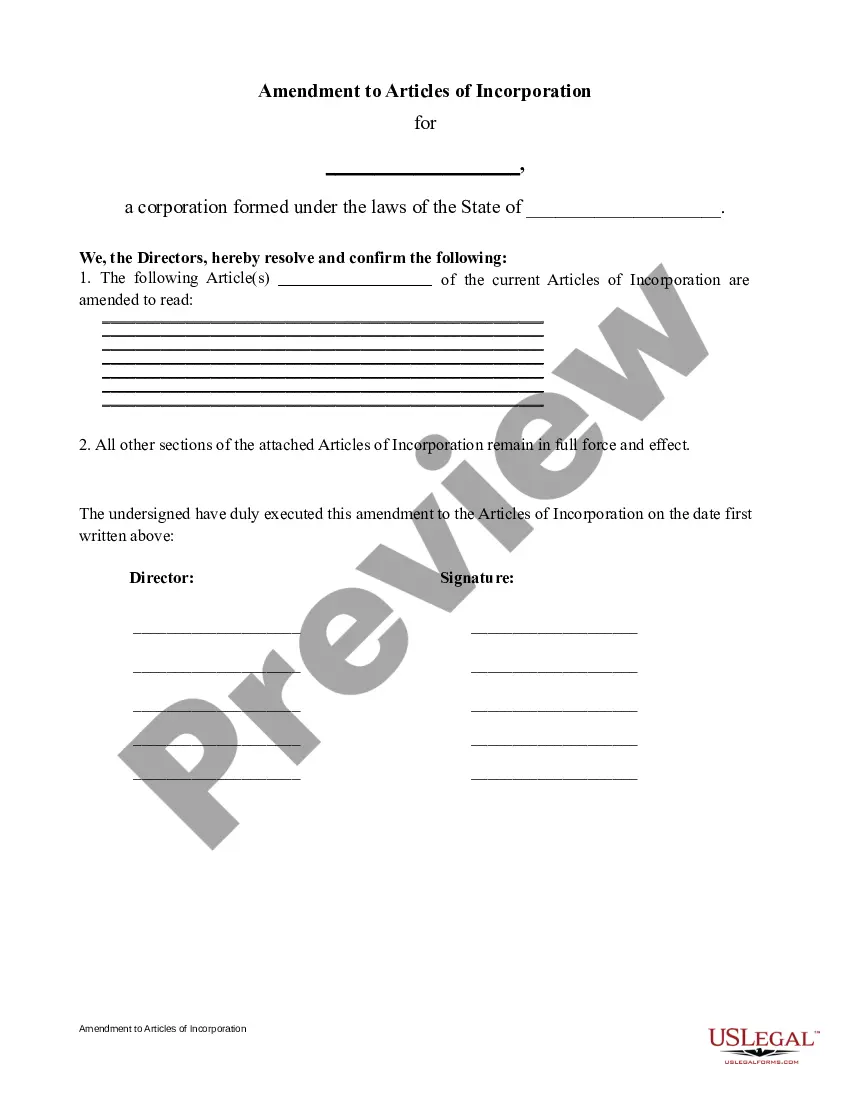
A codicil is a legal document that modifies, amends, or supplements an existing Last Will and Testament. It allows the individual, known as the testator, to make changes to their will without having to draft an entirely new document. This is particularly useful for minor changes, such as adding or removing beneficiaries or adjusting specific bequests. A codicil must be executed with the same formalities as a will, including signature and witnessing, to ensure its legal validity.
How to complete a form
To properly complete a codicil, follow these steps:
- Begin by clearly indicating that the document is a codicil to your existing will.
- State your full name and the date of the original will for clarity.
- Include specific changes you wish to make, clearly detailing any additions, removals, or modifications.
- Sign the codicil in the presence of at least two witnesses who are not beneficiaries.
- Have your witnesses sign the document, affirming they observed you sign it.
- Consider having the codicil notarized for additional legal standing.
Always ensure that the language is clear to avoid any potential disputes over your intentions.
Who should use this form
This form is suitable for individuals who have an existing will and need to make alterations without creating a new one. Common situations include:
- Adding new beneficiaries, such as children or partners.
- Removing existing beneficiaries due to change in relationships.
- Updating specific bequests to reflect current wishes.
- Adjusting executor or trustee appointments.
Anyone considering changes to their estate plan should consult with a licensed attorney to ensure compliance with local laws.
Common mistakes to avoid when using this form
When creating a codicil, keep the following in mind to avoid errors that could invalidate your intentions:
- Failure to include the entire context of your wishes; state all modifications clearly.
- Not following the correct witnessing or notarization procedures, which can lead to legal challenges.
- Using ambiguous language that may be misinterpreted.
- Overlooking changes made by prior codicils that could conflict with the new codicil.
Double-check all details and consult a legal professional if you are unsure.
Key components of the form
A properly executed codicil should include:
- The title indicating it is a codicil.
- Your full name and details of the original will.
- A clear statement of the amendments being made.
- Signature of the testator.
- Signatures of at least two witnesses, preferably not beneficiaries.
- Notarization if desired for added legal strength.
Each component is crucial for the codicil’s validity and enforceability.
What to expect during notarization or witnessing
During the witnessing or notarization process:
- The testator should sign the codicil in the presence of witnesses.
- Witnesses need to confirm they are not beneficiaries or related to the testator.
- A notary public may also be involved to verify identities and witness signatures.
- Witnesses will sign the document, acknowledging they witnessed the testator sign.
Being prepared can streamline the process and ensure all steps are correctly followed to prevent future challenges.