How to file a notice to owner and contractor effectively
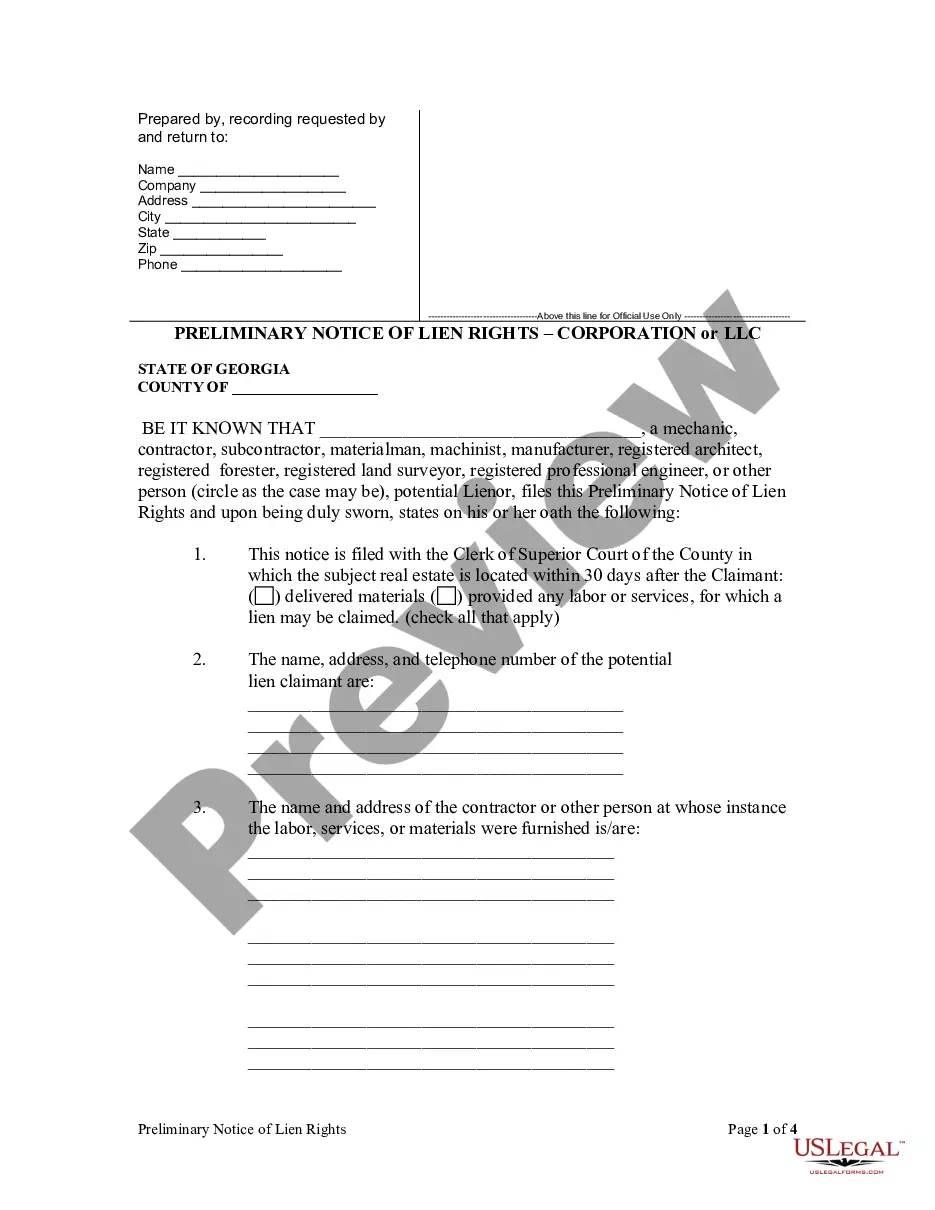
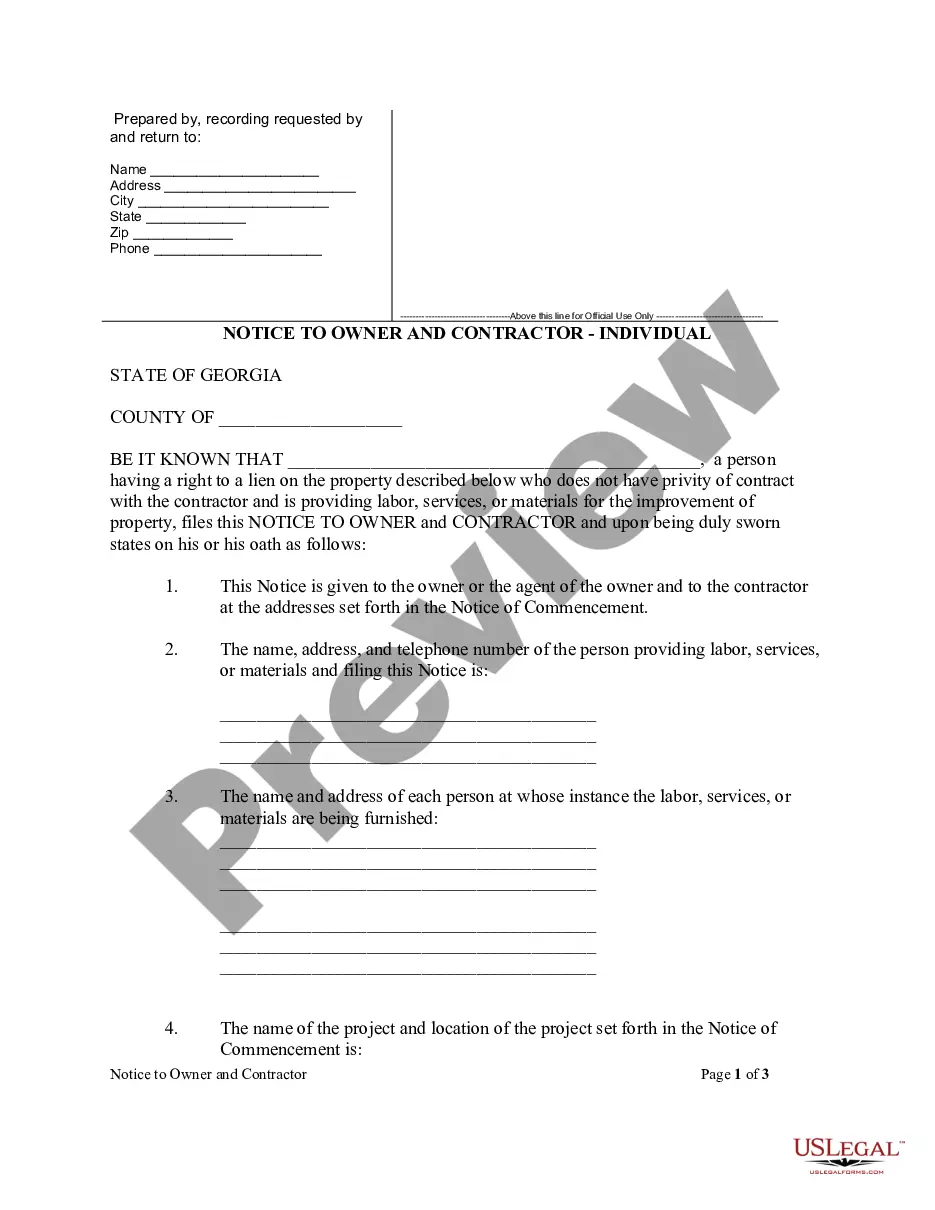
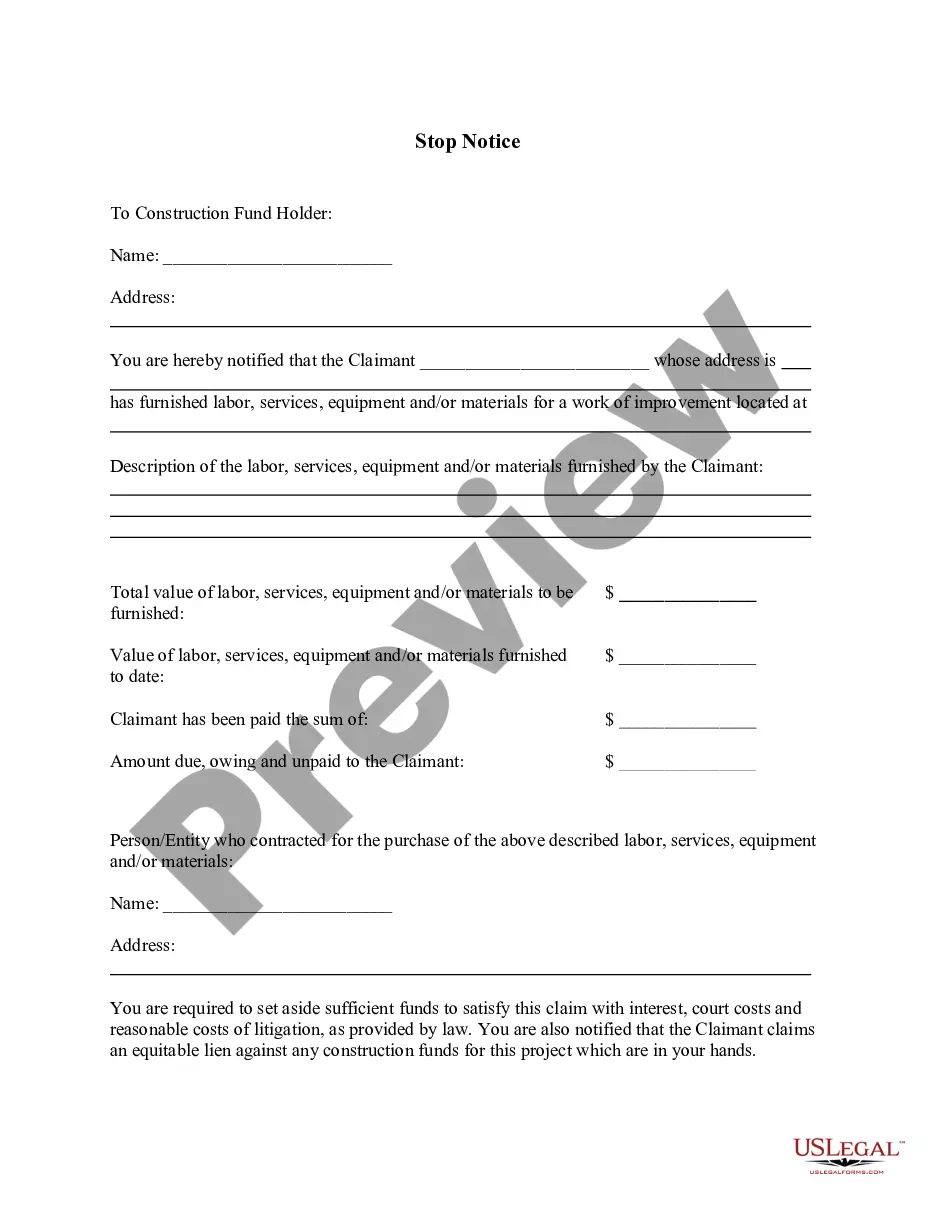
A Notice to Owner and Contractor is a legal document used in construction projects to inform property owners and contractors of the provision of materials, labor, or services to a specific property. It serves to protect the rights of subcontractors and suppliers by ensuring they may file a lien against the property if they are not paid for their contributions. This notice is particularly important as it helps clarify who provided these services or materials and establishes a formal record of the contract involved.
How to complete a form
To file a Notice to Owner and Contractor, follow these steps:
- Obtain the form: Download the official template from uslegalforms.com.
- Fill in your details: Include your name, address, and contact number in the designated fields.
- Provide project information: Clearly state the project name, location, and the nature of labor, services, or materials provided.
- Enter contract details: If applicable, specify the contract price or estimated value of the goods/services offered.
- File the notice: Submit the completed form to the property owner or contractor within the legally required timeframe.
Ensure all information is accurate, as errors may affect your rights to claim payment.
Who should use this form
The Notice to Owner and Contractor should be utilized by subcontractors, suppliers, or anyone providing labor, materials, or services related to the improvement of a property, who does not have a direct contract with the property owner or general contractor. This form is essential for individuals looking to protect their rights to be paid for their contributions within the construction or renovation sector.
Key components of the form
The Notice to Owner and Contractor contains several important sections, including:
- Contact information: Names, addresses, and phone numbers of the person filing the notice and the property owner.
- Project description: The name and location of the project where the services or materials were provided.
- Detail of services: A thorough description of the labor, services, or materials provided.
- Timeliness: Confirmation that the notice is filed within the legally required period, which is typically within 30 days of the commencement of work.
Common mistakes to avoid when using this form
Avoid these common pitfalls when completing your Notice to Owner and Contractor:
- Incomplete information: Ensure all relevant fields are filled out completely to avoid delays or disputes.
- Missing deadlines: File the notice within the specified timeframe to maintain your right to claim payment.
- Incorrect delivery: Serve the notice to the appropriate parties. Inaccurate delivery can invalidate the notice.
What to expect during notarization or witnessing
When preparing your Notice to Owner and Contractor for notarization, expect the following:
- Identification: Present valid identification to the notary public or witness to verify your identity.
- Signature: Sign the document in the presence of the notary, who will witness and acknowledge your signature.
- Official seal: The notary will apply their seal along with the date, confirming the notarization of your document.
Ensure all parties involved understand the process, as this step is crucial for the legal validity of the notice.