How to file a motion to change jurisdiction or venue?
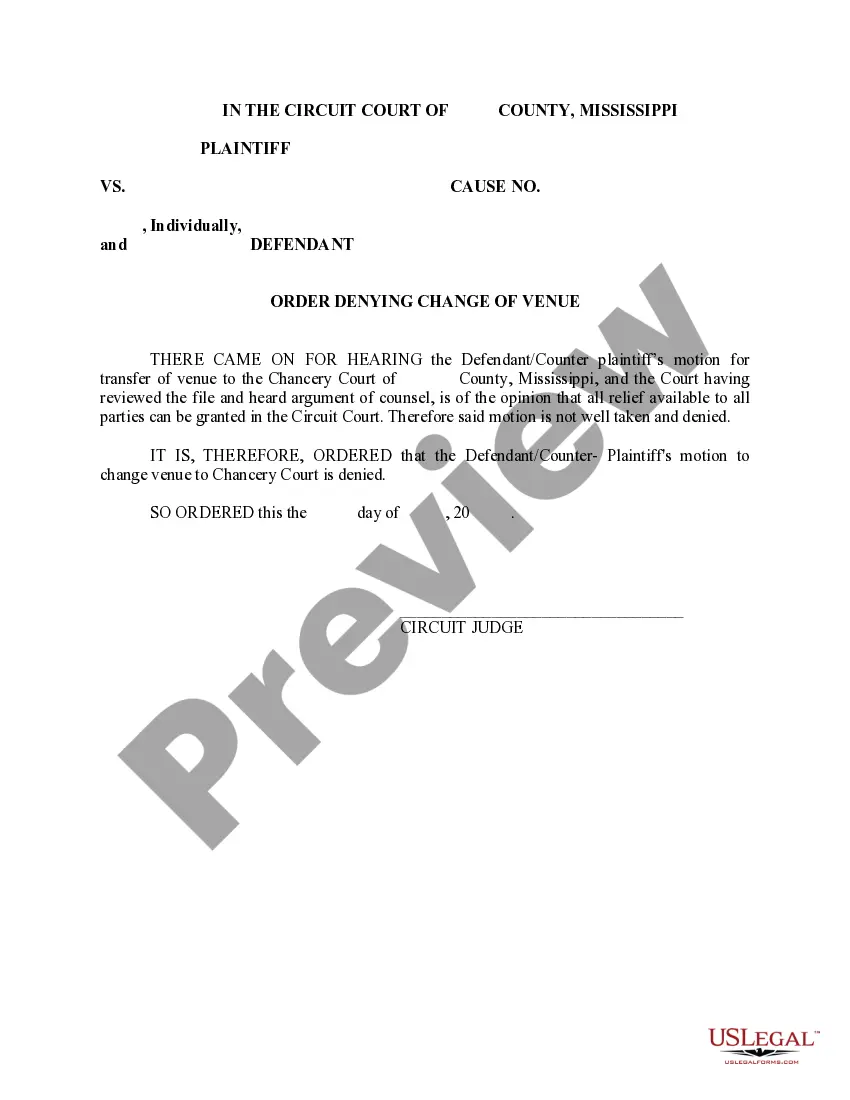
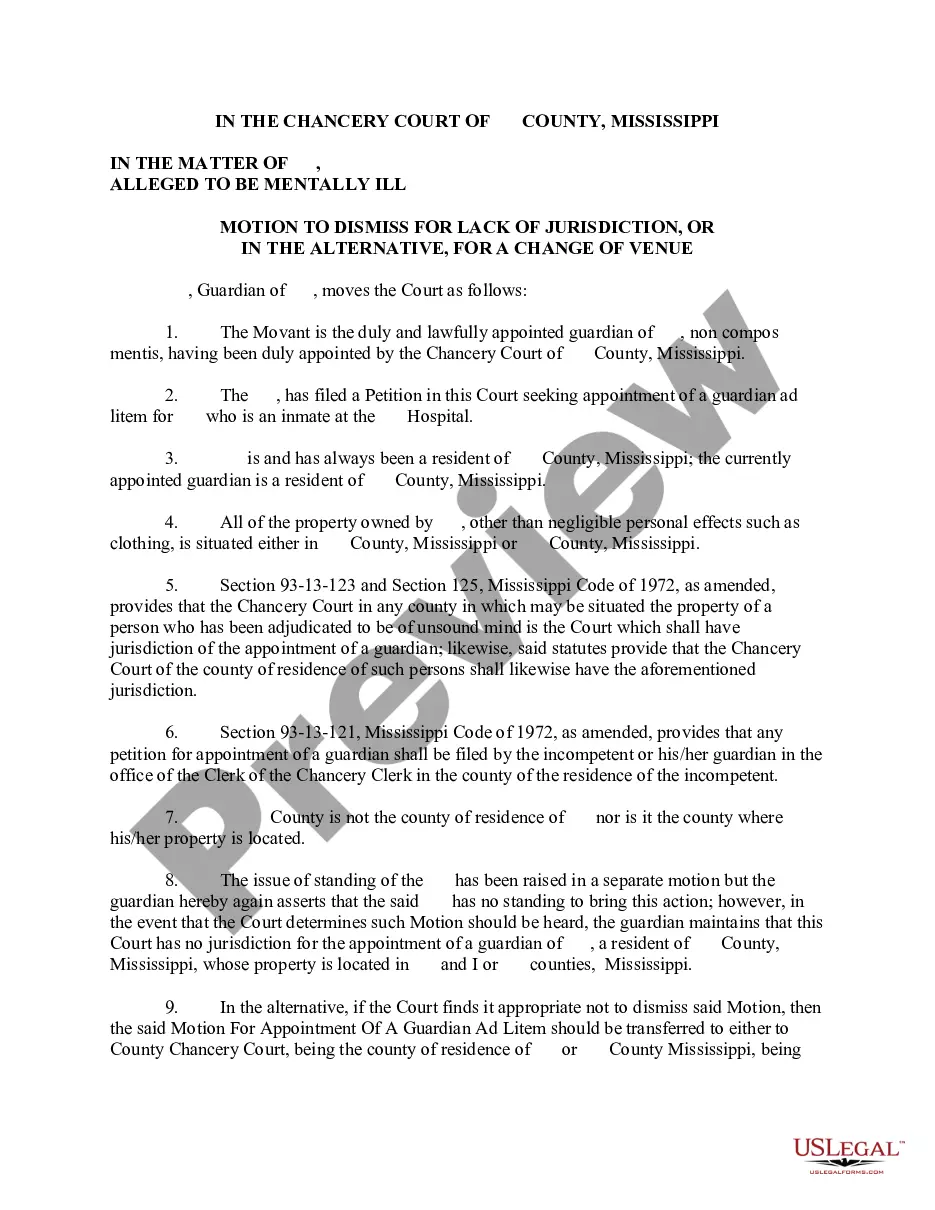
A motion to change jurisdiction or venue is a formal request submitted to a court seeking to transfer a case from one court to another. This motion is typically filed when a party believes that the current court does not have the proper authority or when another court would be more appropriate for resolving the matter. In legal terms, 'jurisdiction' refers to the power of a court to hear a case, while 'venue' refers to the specific location where the case is tried.
How to complete a form
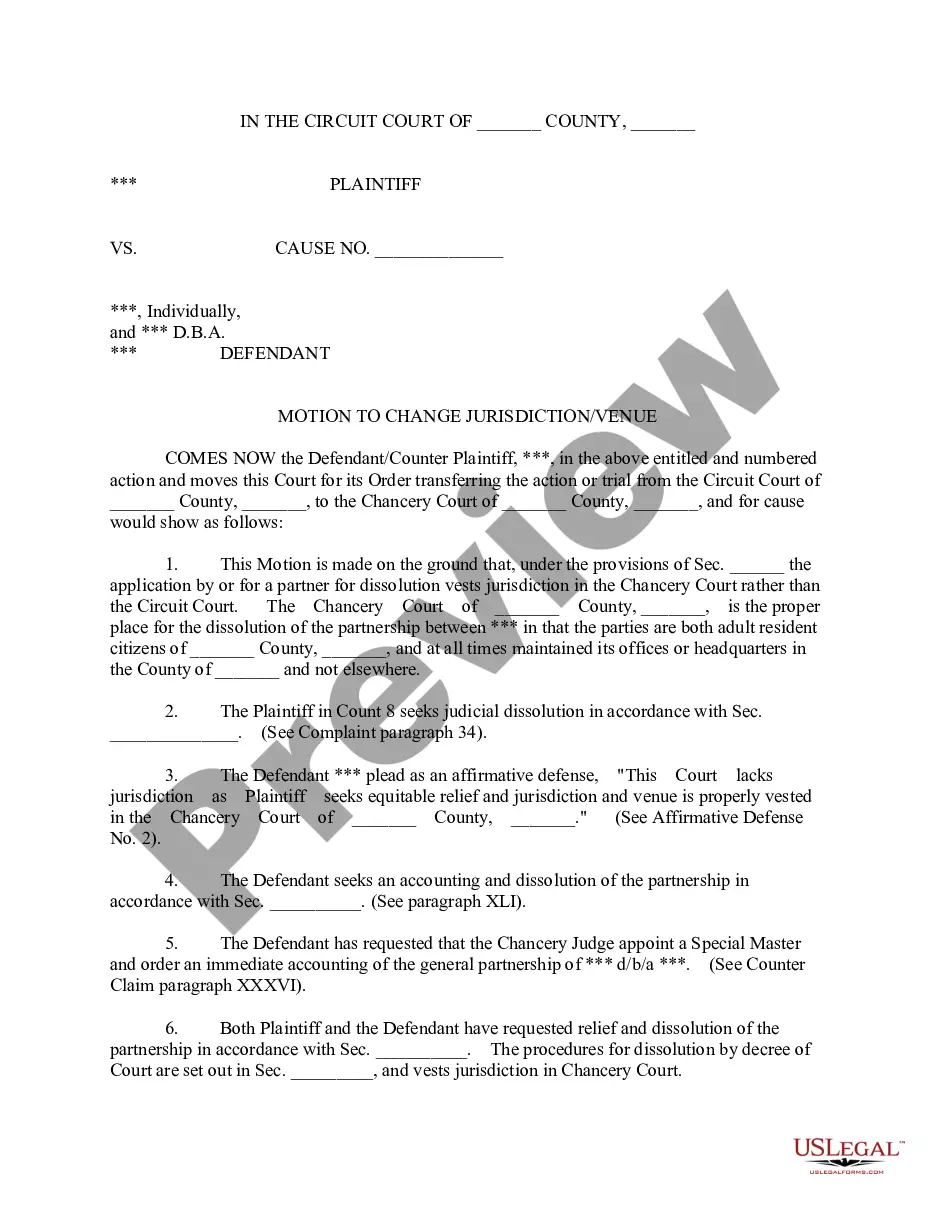
Completing the motion to change jurisdiction or venue form involves several key steps:
- Begin by ensuring you have the correct form for your jurisdiction.
- Fill in the heading with the relevant court and case details, including the names of parties involved.
- Clearly state the grounds for your motion, explaining why a change is necessary.
- Include any relevant statutes or case law that support your request.
- Finish with your signature and date.
Who should use this form
This form is typically used by defendants, counter plaintiffs, or any party involved in a legal proceeding who believes that the current court lacks jurisdiction or that a different venue would better serve the interests of justice. If you are facing a situation where the state, type of case, or other circumstances make another court more suitable, consider filing this motion.
Key components of the form
When filing a motion to change jurisdiction or venue, be sure to include the following components:
- Court Information: The name and address of the court where the case is currently being heard.
- Case Details: The case number, names of the parties, and the nature of the case.
- Grounds for Motion: A clear statement outlining the reasons for the requested change.
- Supporting Evidence: References to statutes or case law that back up the request.
- Signature: Your signature, along with the date of submission.
Common mistakes to avoid when using this form
When completing the motion to change jurisdiction or venue, avoid these common mistakes:
- Failing to provide sufficient grounds for the motion.
- Using ambiguous language that may confuse the court.
- Not including relevant statutes or case law.
- Submitting the form without a signature or date.
- Missing deadlines for filing the motion.
What documents you may need alongside this one
To support your motion effectively, consider including the following documents:
- Copies of prior court filings related to the case.
- Evidence supporting your claim that another jurisdiction is more appropriate.
- Affidavits or statements from witnesses if applicable.
- Any legal agreements that may clarify jurisdiction issues.
Key takeaways
Filing a motion to change jurisdiction or venue can significantly impact your legal proceedings. Remember these key points:
- Understand the difference between jurisdiction and venue.
- Be clear and specific in your motion.
- Provide evidence to support your request.
- Avoid common pitfalls that can result in rejection of the motion.