What Is a Defendant's Demand for Discovery and Inspection of Evidence?
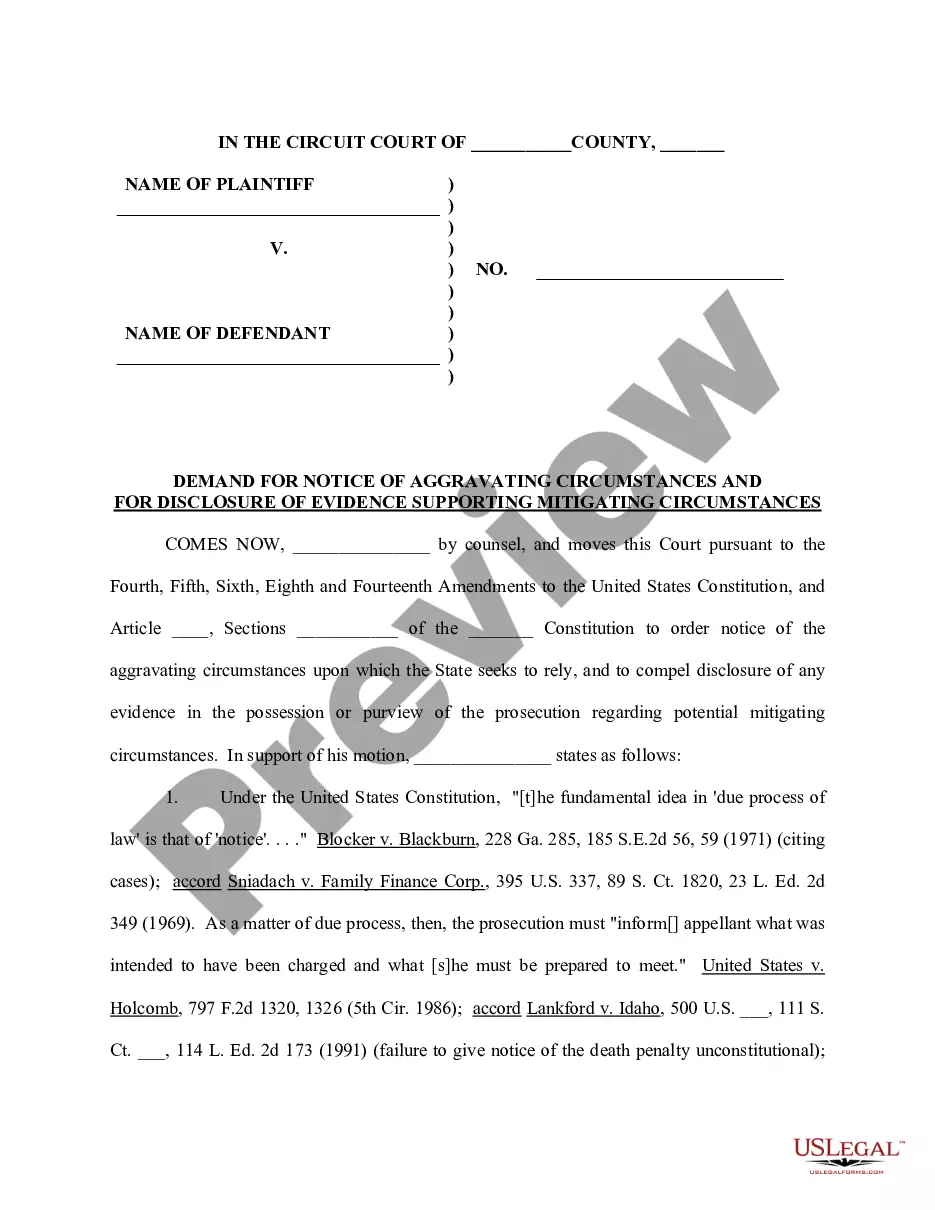
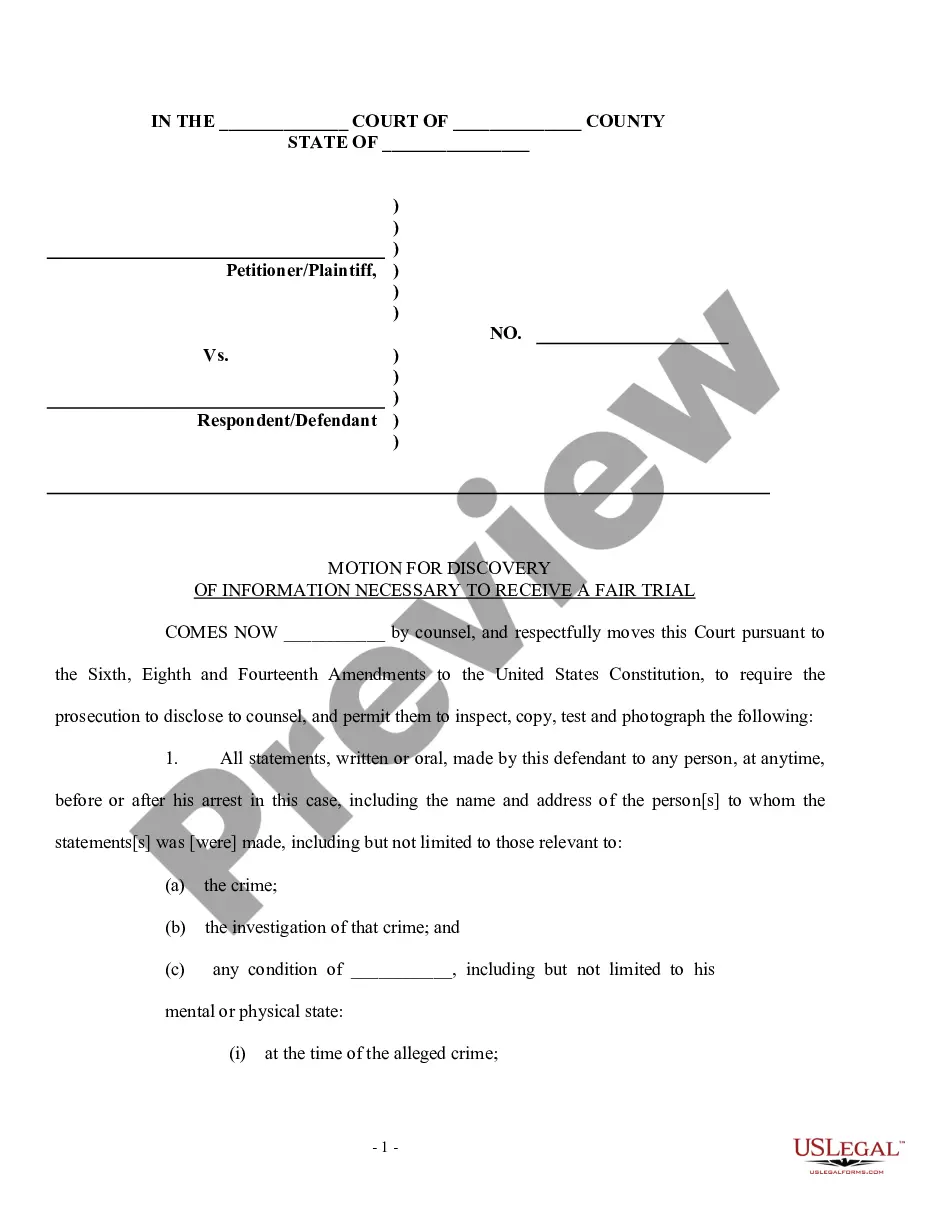
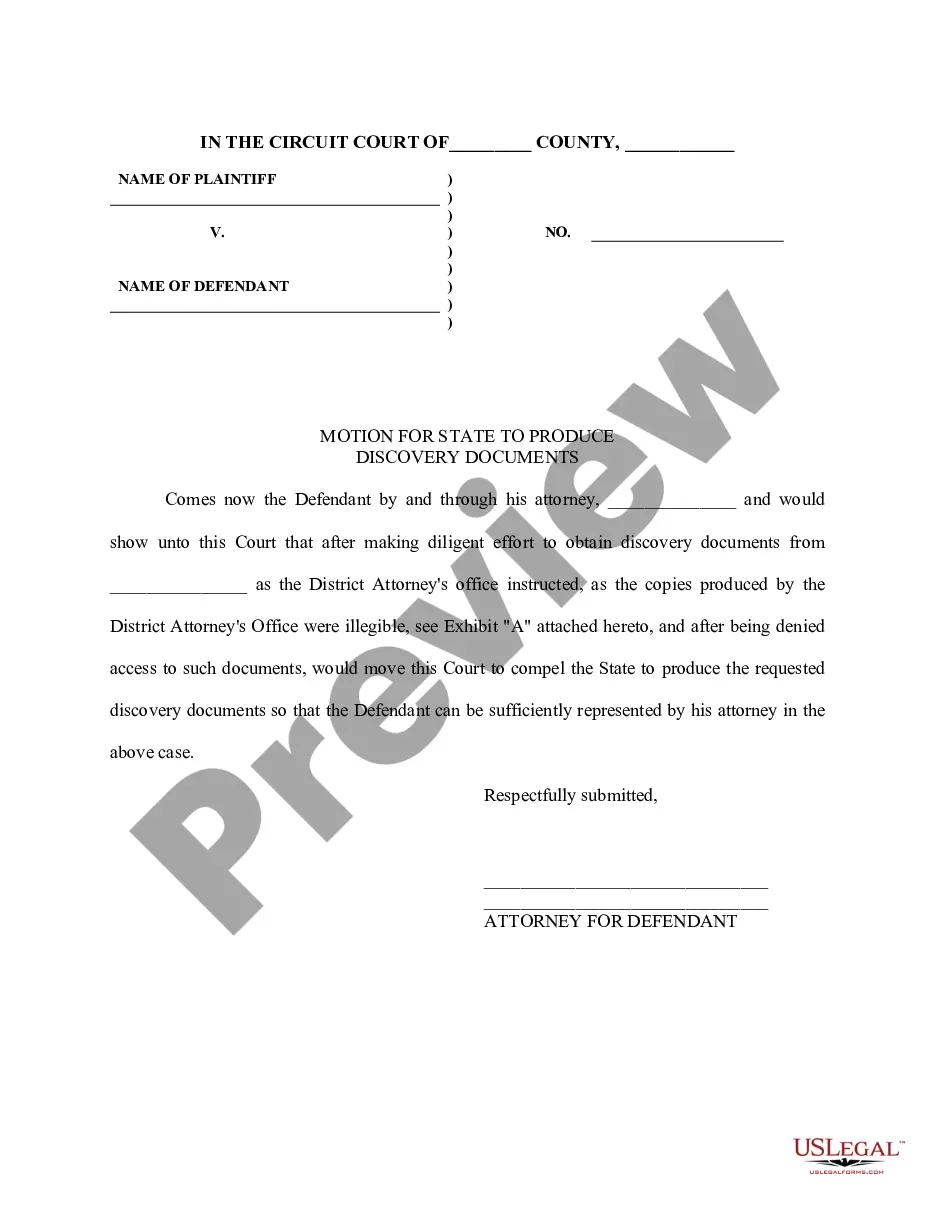
A defendant's demand for discovery and inspection of evidence is a formal request made by the defendant in a legal case, seeking access to evidence and documentation that the prosecution will use during the trial. This demand is part of the discovery process, which allows both parties in a legal proceeding to obtain relevant information from each other to prepare their cases. The goal is to ensure a fair trial by preventing surprise evidence from being presented at the court.
Who should use this form
This form is designed for defendants in criminal cases who wish to obtain evidence held by the prosecution. Individuals or parties facing criminal charges should use this demand to request necessary materials, such as witness statements, police reports, and other evidence that may be relevant to their defense. It may also be useful for legal representatives acting on behalf of the defendants in preparing for trial.
Key components of the form
The following components are typically included in a defendant's demand for discovery and inspection of evidence:
- Requests for documentation: Items such as witness statements, police reports, and physical evidence.
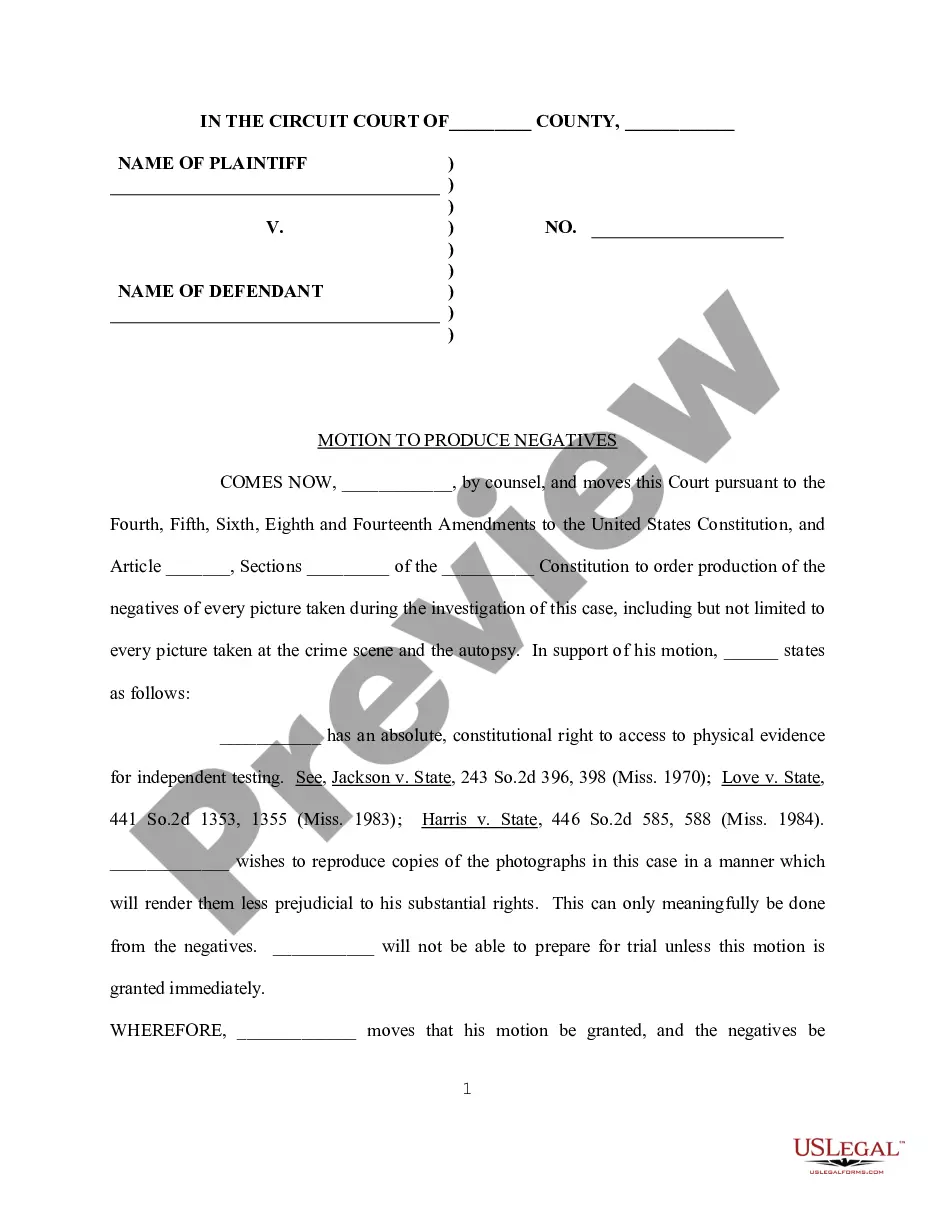
- Photographic evidence: Access to photographs or sketches that may be relevant to the case.
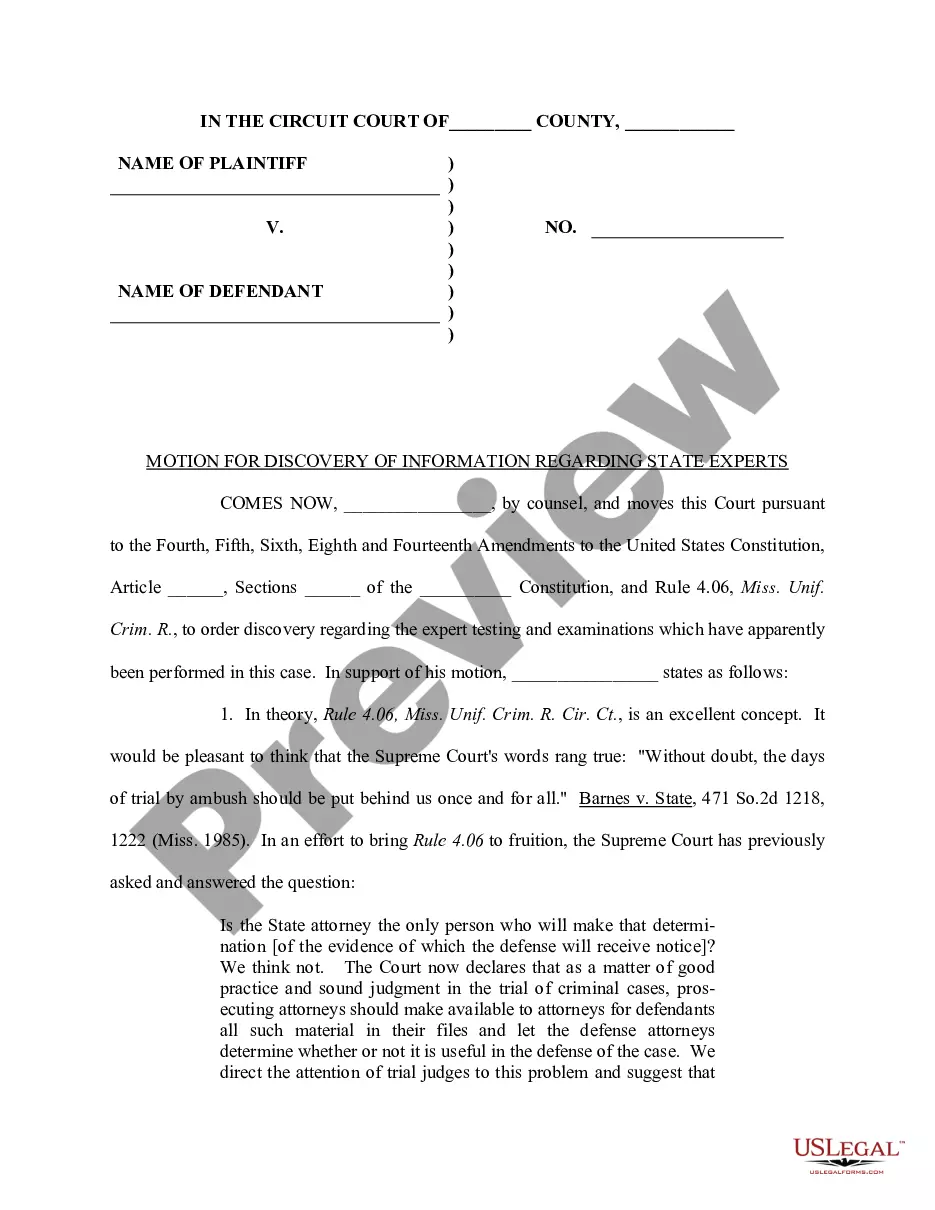
- Expert testimony reports: Documentation from any expert witnesses the prosecution may present.
- Lists of witnesses: Names and contact information for individuals who may testify at trial.
Legal use and context
The defendant's demand for discovery and inspection of evidence is grounded in the principles of due process and fair trial rights. Under Rule 18 of the Alabama Rules of Criminal Procedure, the defendant is entitled to request this information as part of the pre-trial process. The prosecution is legally obligated to disclose evidence that may exonerate the defendant or mitigate their circumstances.
What documents you may need alongside this one
In addition to the defendant's demand for discovery, you may need the following documents:
- Any previous court orders or motions related to the case.
- Legal representation agreements or retainer documents if you have an attorney.
- Any evidence you wish to present, such as affidavits or testimonials from witnesses.
- Your personal identification and any documentation related to the charges, such as police reports or indictment papers.
Common mistakes to avoid when using this form
When completing a defendant's demand for discovery and inspection of evidence, individuals should be cautious of the following mistakes:
- Failing to specify the documents and evidence requested clearly, which may lead to incomplete disclosures.
- Missing deadlines for submitting the demand to the court or the prosecution.
- Neglecting to follow any local or state-specific procedural rules that may apply to the demand.
- Not consulting with an attorney if unsure of what to request, as failure to include critical evidence can harm the defense.