How to complete an affidavit for witness regarding disputed property?
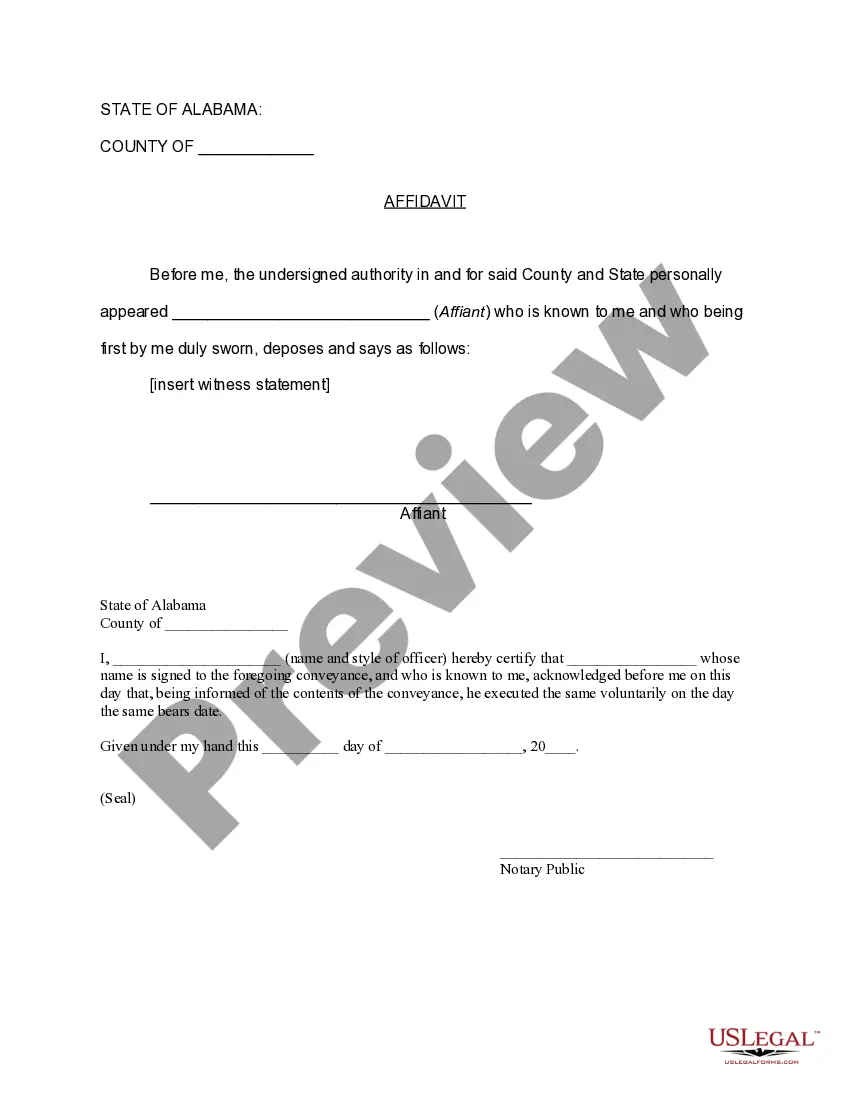
An affidavit for witness regarding disputed property is a written statement made under oath by a person (known as the affiant) who has firsthand knowledge about a property dispute. This legal document serves to provide evidence that can help clarify ownership or possession issues related to real estate. It is typically used in court cases where property ownership is contested.
How to complete a form
Completing an affidavit for witness regarding disputed property involves several steps. Follow these guidelines:
- Begin with the heading: Write 'Affidavit for Witness Regarding Disputed Property.'
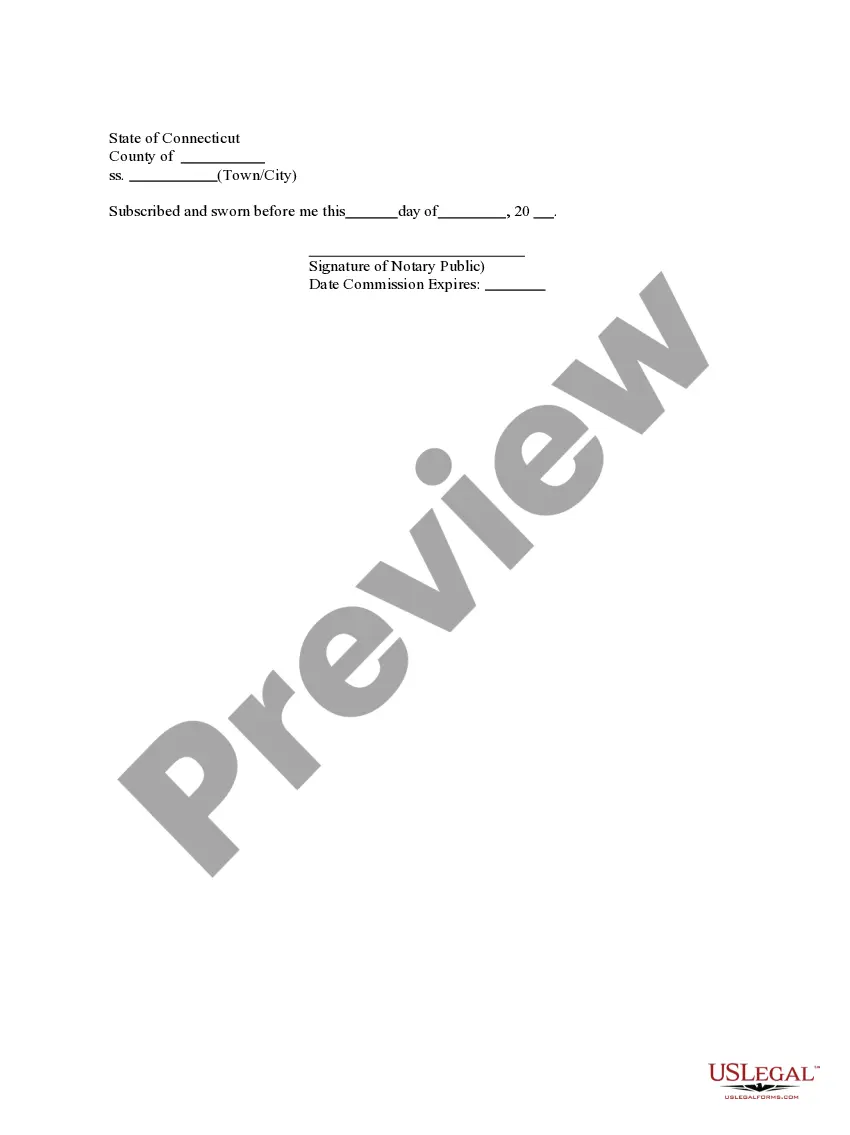
- Identify the county and state: Clearly specify the county and state where the affidavit is being notarized.
- Affiant details: Enter the full name of the affiant and personal details including age, city, and how long they have lived in that area.
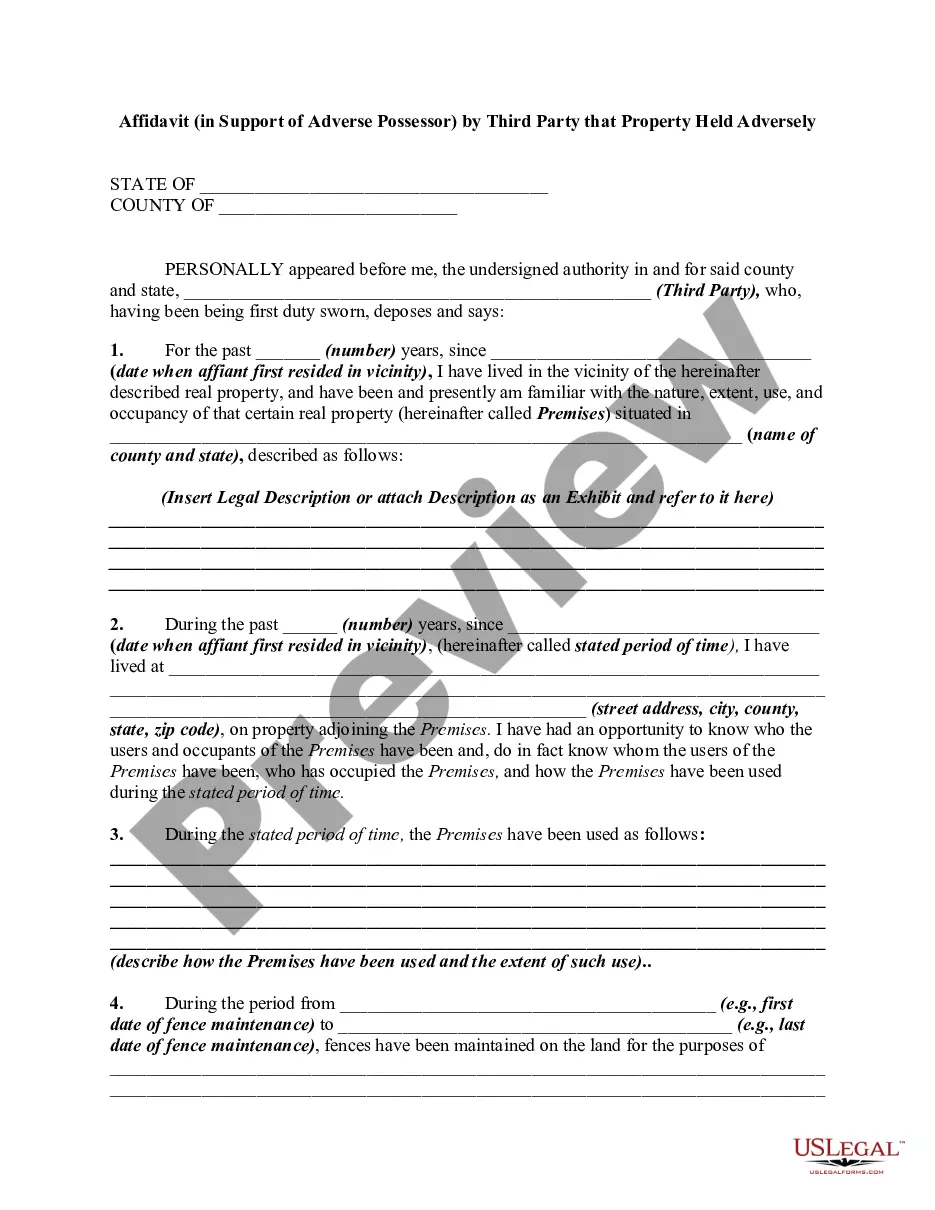
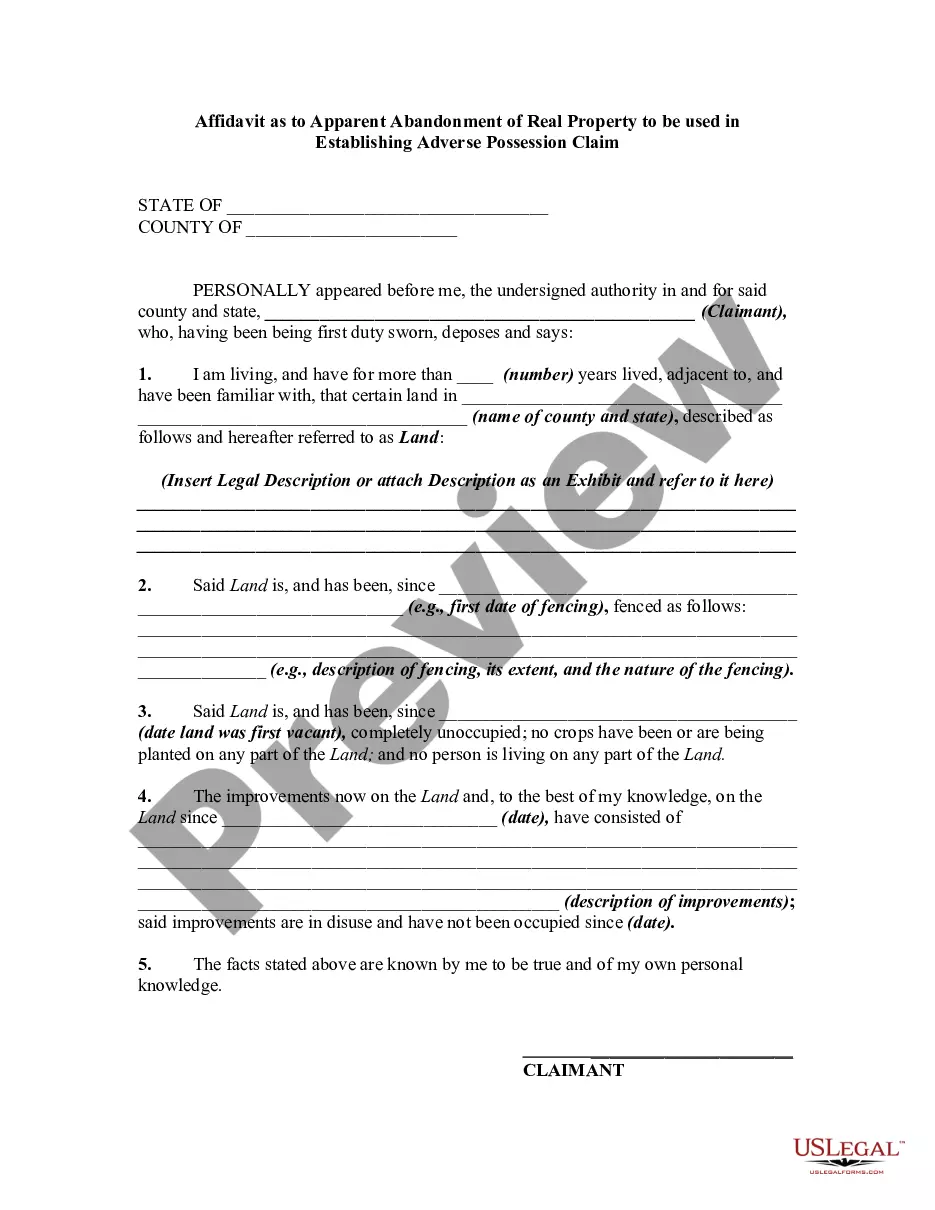
- Property description: Provide a detailed description of the disputed property, including its location and the nature of the dispute.
- Witness statement: Include a statement about the affiant's personal knowledge of the situation, affirming there have been no ownership disputes.
- Signature and date: The affiant must sign the document and date it.
It may be helpful to consult the specific state's requirements for further guidance on completing the affidavit correctly.
Who should use this form
This affidavit is suitable for anyone involved in a property dispute, including:
- Property owners wanting to establish their right to the property.
- Witnesses who have relevant knowledge about the ownership or possession of the contested property.
- Legal representatives assisting clients in property disputes.
Using this affidavit can help strengthen a case in court by providing firsthand witness testimony.
Common mistakes to avoid when using this form
When completing the affidavit, keep an eye out for these common errors:
- Incomplete information: Ensure all fields are fully completed, particularly names and property descriptions.
- Incorrect notarization: The signature must be notarized correctly; failing to do so can render the document invalid.
- Failure to review: Review the completed affidavit for clarity and accuracy before submission.
- Using vague language: Be specific about dates, property details, and the nature of the dispute to avoid confusion.
What documents you may need alongside this one
When filing an affidavit regarding a disputed property, you may also need to gather the following documents:
- Property deed: To establish legal ownership of the property.
- Previous affidavits or deeds: Any related documents that may support or explain the ownership history.
- Witness identification: Valid identification for the affiant and any witnesses.
Having these documents ready will help strengthen your affidavit and ensure its effectiveness.
What to expect during notarization or witnessing
When you go to have your affidavit notarized, expect the following process:
- Identification check: The notary will ask for a valid ID to verify your identity.
- Reading of the document: Make sure you understand the contents of the affidavit before signing it, as the notary will confirm that you comprehend what you are signing.
- Witness signature: If required, a witness may also need to be present to sign the affidavit.
- Notary's acknowledgment: The notary will sign and seal the document, validating its legitimacy.
Being prepared with your documents and understanding the process can make this step smoother.