What Are Common Affirmative Defenses in a Civil Lawsuit?
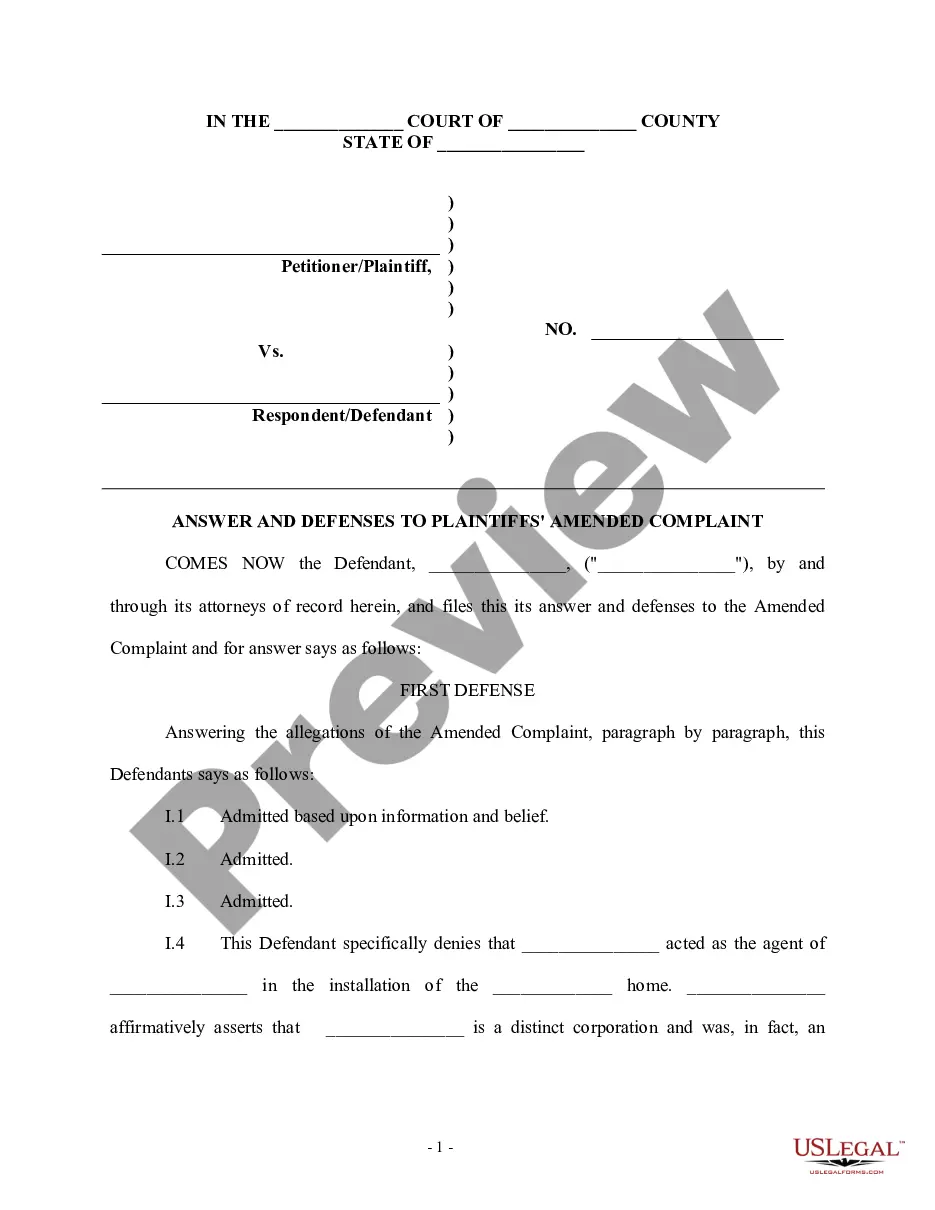
Affirmative defenses are legal responses used by a defendant in a civil lawsuit to counter or negate the claims made by the plaintiff. Instead of simply denying the allegations, the defendant acknowledges the allegations but provides new information or reasoning that justifies their actions, thereby potentially avoiding liability. Common affirmative defenses can include arguments such as the statute of limitations, self-defense, and the defense of necessity.
Key components of the form
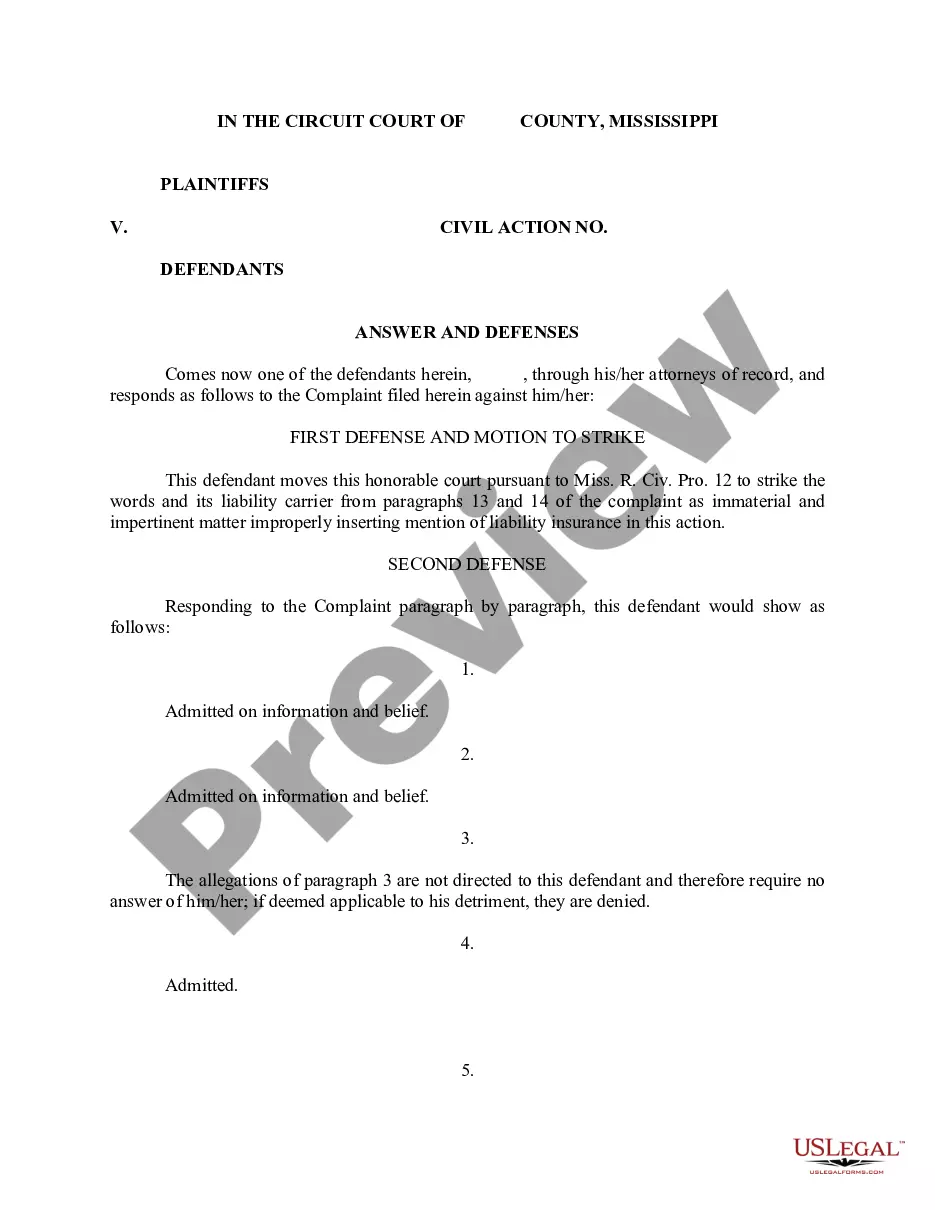
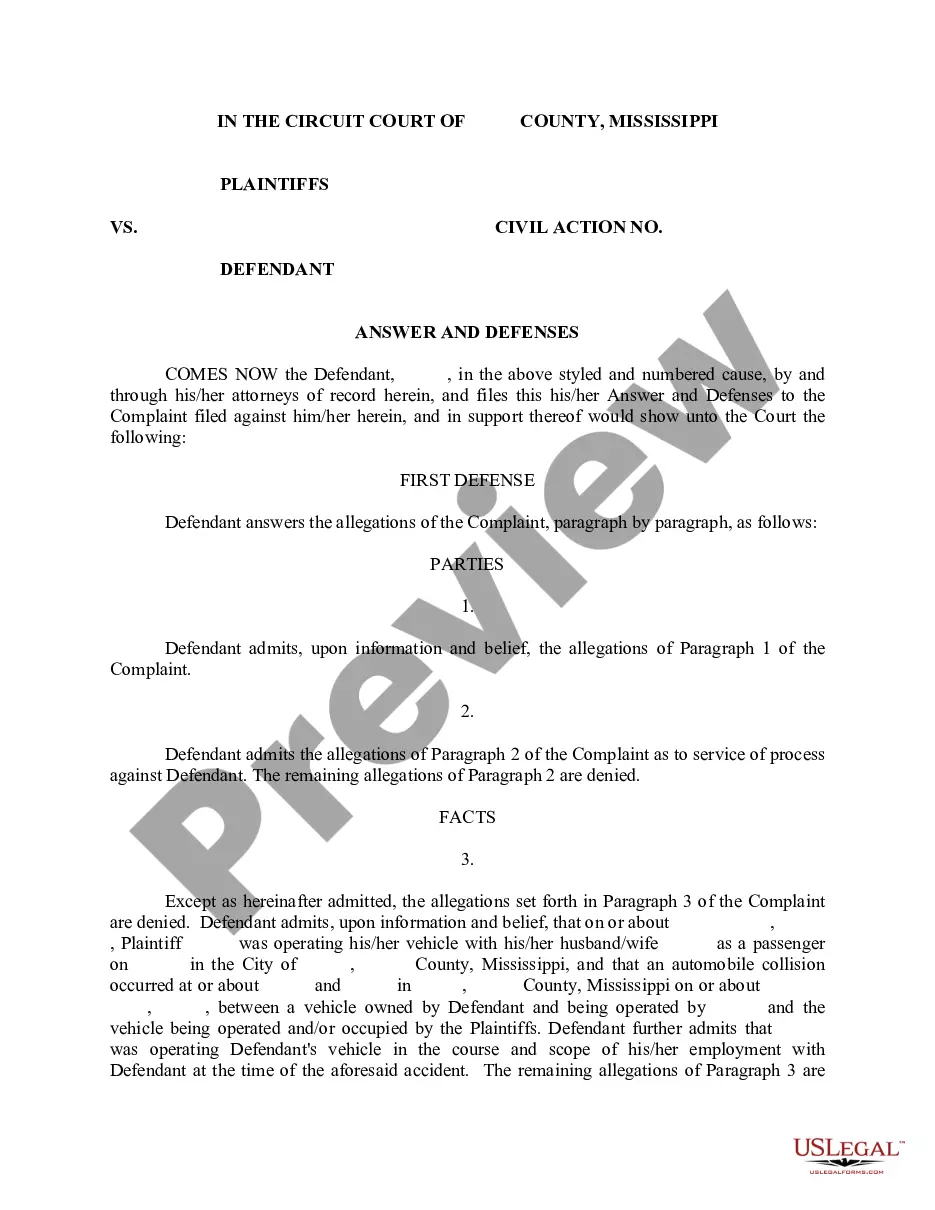
A form outlining common affirmative defenses in a civil lawsuit typically includes several essential components. These components may consist of:
- Defendant's Details: Information identifying the defendant and the context of the case.
- Affirmative Defense Statements: Each defense asserted must be clearly articulated, stating the basis for the affirmative defense.
- Claim Denial: A formal denial of the plaintiff's claims.
- Legal Citations: References to statutes or legal precedents supporting the affirmative defenses presented.
Who should use this form
This form is designed for defendants involved in civil lawsuits who wish to assert affirmative defenses. It is particularly useful for individuals or entities facing legal claims and seeking to mitigate potential liabilities. Legal representatives for defendants can also utilize this form to structure their arguments efficiently, ensuring that all necessary defenses are formally stated in court proceedings.
Common mistakes to avoid when using this form
When completing a form for affirmative defenses, it is crucial to avoid specific pitfalls that could undermine the defense's effectiveness:
- **Incomplete Information:** Ensure all required fields are filled out adequately; missing details can lead to delays or dismissal of defenses.
- **Vague Statements:** Clearly articulate each affirmative defense; ambiguous language may result in misunderstandings.
- **Legal Misinterpretation:** Properly understand and apply legal terms to ensure comprehensive and accurate submission.
- **Failure to Review:** Thoroughly review the form for any errors before submission to avoid complications during legal proceedings.
What to expect during notarization or witnessing
If the affirmative defense form requires notarization or witnessing, expect the following process:
- Identification: Present valid identification to the notary or witness to verify your identity.
- Signature Requirement: Sign the document in the presence of the notary or witness, ensuring the act is not completed beforehand.
- Notary Certification: The notary will complete their part, which may include affixing a seal and signing the document to confirm the notarization.
This step is critical as it provides an additional layer of authenticity to the document being submitted in the lawsuit.
Legal use and context
Affirmative defenses serve a vital role in civil litigation. They allow defendants to introduce evidence or legal arguments that, if proven, can relieve them of liability for the plaintiff's claims. It is essential to understand the legal context surrounding specific defenses since their applicability can vary significantly depending on the nature of the lawsuit, jurisdiction, and particular circumstances of the case.
Key takeaways
Understanding affirmative defenses is crucial for anyone involved in civil litigation. Some key points to remember include:
- Affirmative defenses acknowledge the plaintiff's claims while providing justification for the defendant's actions.
- Clear and comprehensive presentation of each defense can significantly impact the outcome of a case.
- Consulting with a legal professional can help in correctly utilizing affirmative defenses to protect your interests.