Connecticut Decree/Appointment of Conservator
What is this form?
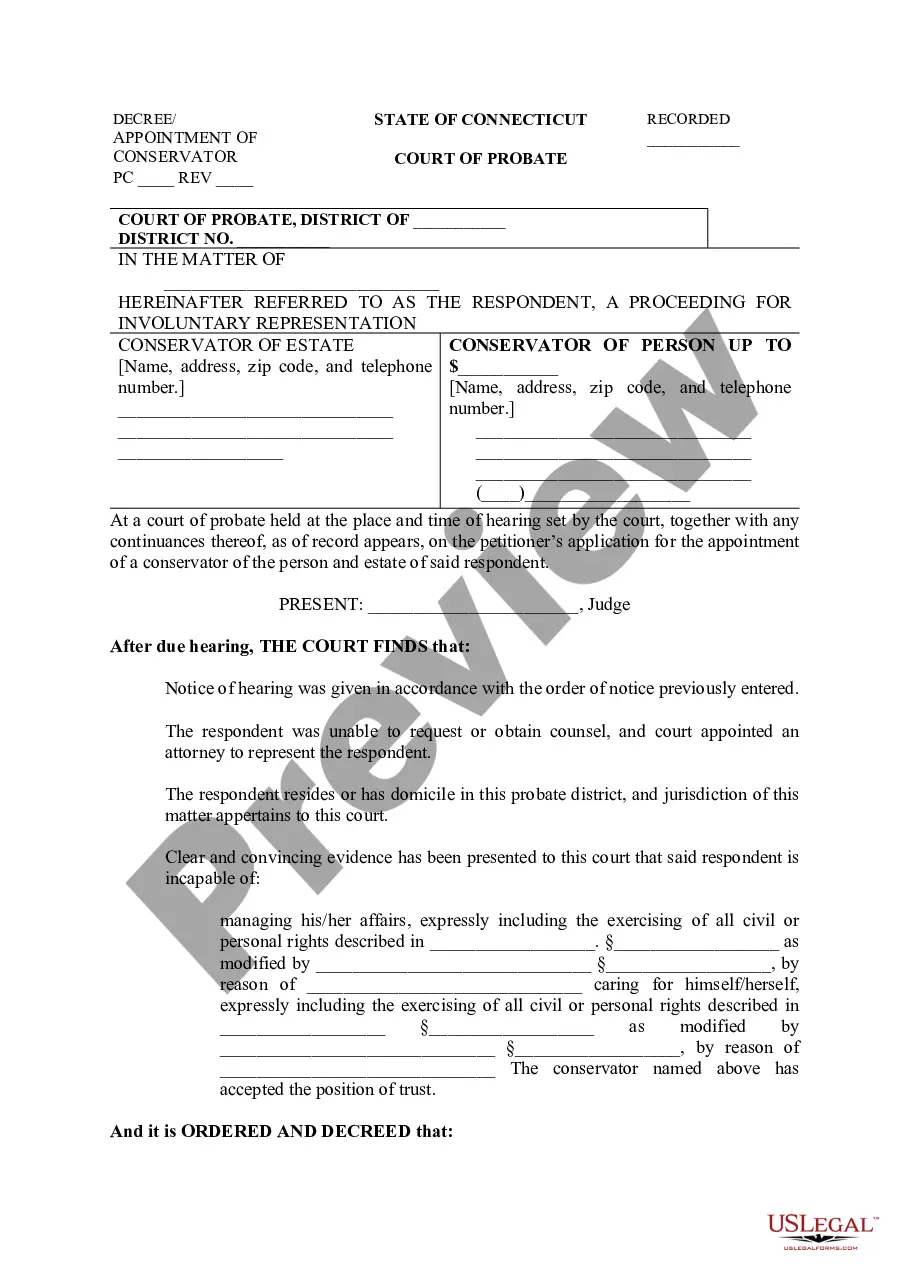
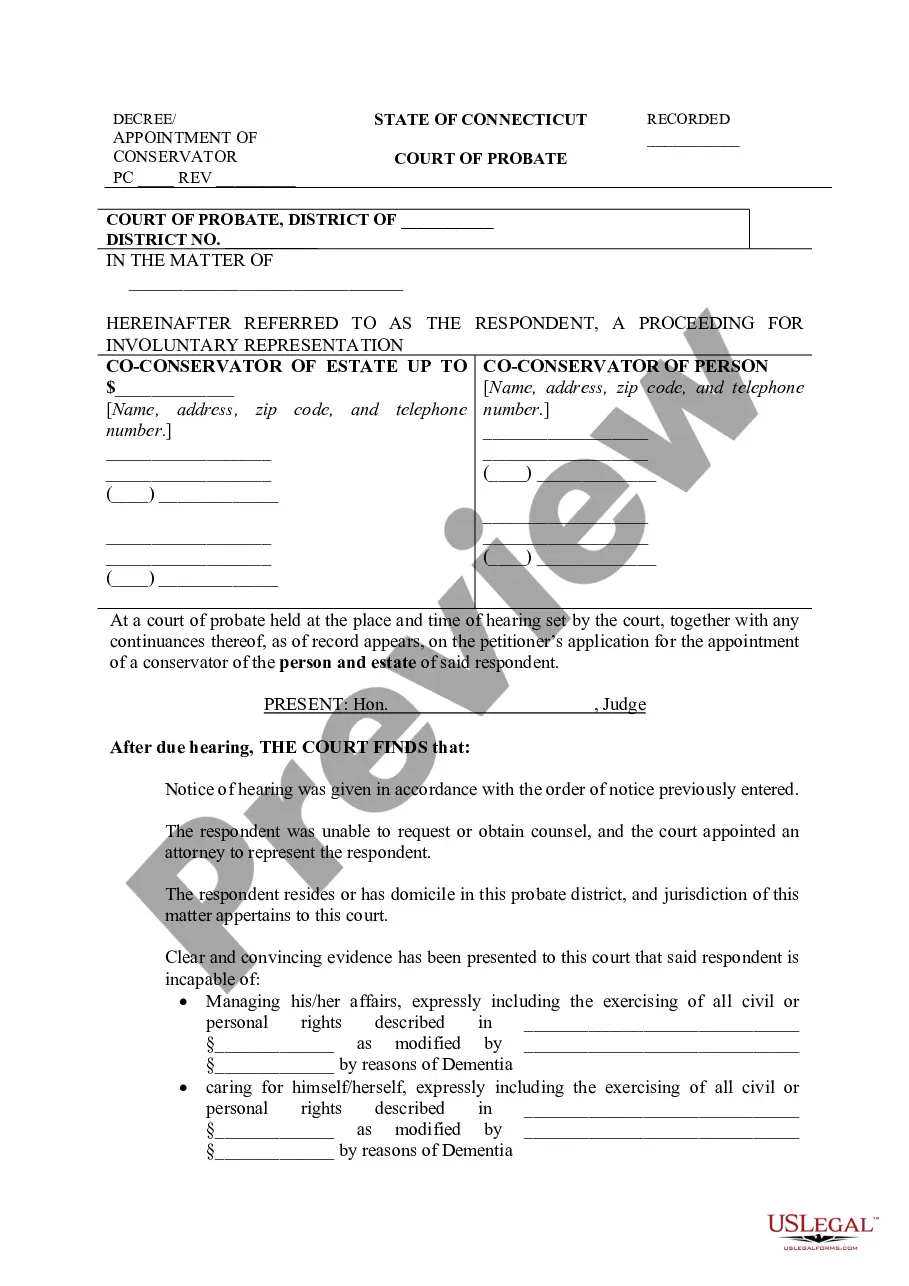
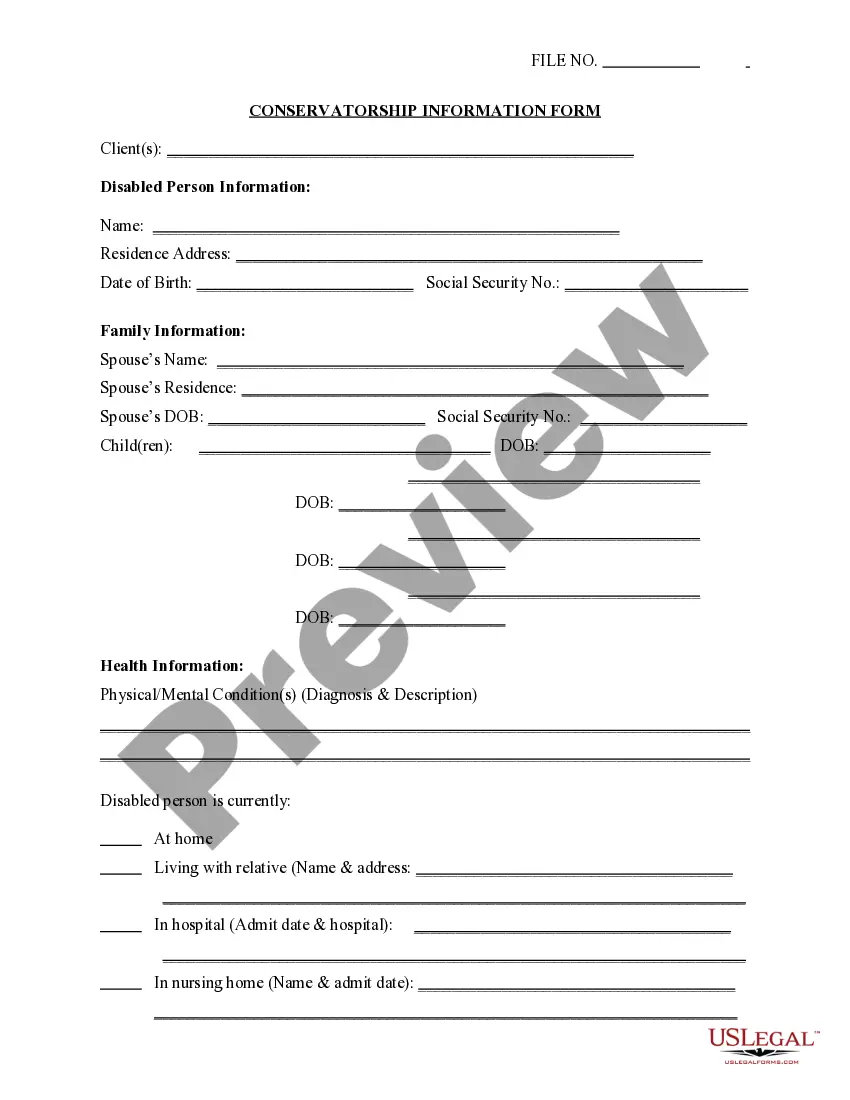
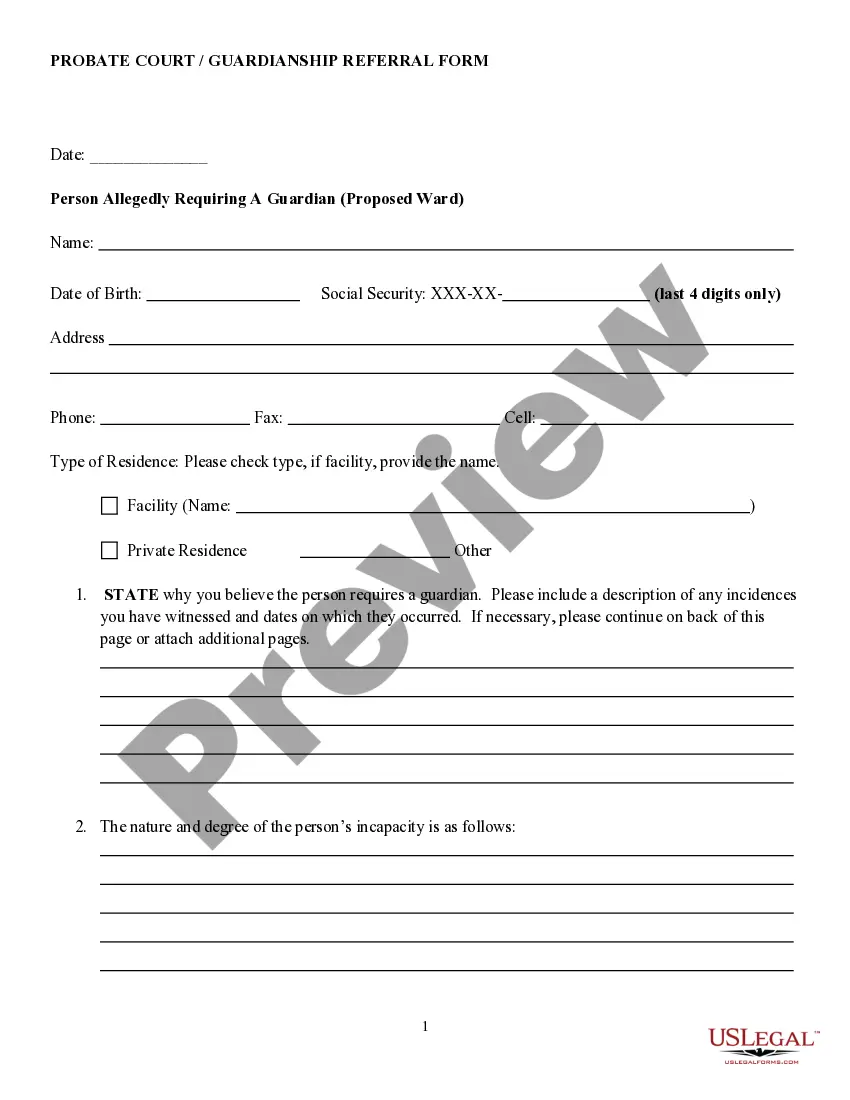
The Decree/Appointment of Conservator is a legal document issued by a court to appoint an individual to manage the financial and personal affairs of someone who is incapacitated or a minor. This form is essential for establishing conservatorship, distinct from guardianship, and outlines the responsibilities of the conservator, including overseeing the care and handling finances of the conservatee or ward.
Key parts of this document
- Identification of the conservator, including name and contact information.
- Details regarding the respondent, indicating their incapacity and residency.
- Findings of the court on the respondent's inability to manage affairs.
- Authority granted to the conservator in managing the respondent's estate.
- Timeline for inventory submission of the respondent's property.


Common use cases
This form should be used when it is necessary to appoint a conservator for a person who cannot manage their financial or personal affairs due to incapacity, such as an illness, injury, or disability. It can also be utilized for minors who require oversight in managing their assets and care.
Who should use this form
This form is intended for:
- Individuals seeking to become a conservator for a family member or loved one.
- Attorneys representing clients in conservatorship proceedings.
- Adult children or relatives of an incapacitated person who need legal authority to manage their affairs.
How to complete this form
- Identify the name and contact details of the appointed conservator.
- Fill in the name of the respondent and confirm their residency in the district.
- Provide details supporting the claim of incapacity with clear evidence.
- Specify the scope of authority given to the conservator regarding financial management.
- Sign and date the document, ensuring all required signatures are in place.
Does this form need to be notarized?
This form does not typically require notarization unless specified by local law. However, it is advisable to verify with local courts to meet any jurisdictional requirements.
Get your form ready online
Our built-in tools help you complete, sign, share, and store your documents in one place.
Make edits, fill in missing information, and update formatting in US Legal Forms—just like you would in MS Word.
Download a copy, print it, send it by email, or mail it via USPS—whatever works best for your next step.
Sign and collect signatures with our SignNow integration. Send to multiple recipients, set reminders, and more. Go Premium to unlock E-Sign.
If this form requires notarization, complete it online through a secure video call—no need to meet a notary in person or wait for an appointment.
We protect your documents and personal data by following strict security and privacy standards.

Make edits, fill in missing information, and update formatting in US Legal Forms—just like you would in MS Word.

Download a copy, print it, send it by email, or mail it via USPS—whatever works best for your next step.

Sign and collect signatures with our SignNow integration. Send to multiple recipients, set reminders, and more. Go Premium to unlock E-Sign.

If this form requires notarization, complete it online through a secure video call—no need to meet a notary in person or wait for an appointment.

We protect your documents and personal data by following strict security and privacy standards.
Typical mistakes to avoid
- Failing to provide sufficient evidence of the respondent's incapacity.
- Omitting contact information for the conservator.
- Not completing all required fields in the document.
- Missing signatures or dates that can render the form invalid.
Advantages of online completion
- Convenience of downloading the form from anywhere at any time.
- Editability allows for easy customization to fit specific situations.
- Access to reliable legal templates drafted by licensed attorneys.
Looking for another form?


Form popularity
FAQ
The essential difference between a conservatorship and a guardianship in Connecticut lies in the type of individual being represented. Conservatorships apply to adults, while guardianships typically involve minor children. Understanding the nuances of a Connecticut Decree/Appointment of Conservator can guide individuals on how to best support those requiring assistance without removing essential freedoms.
Yes, a guardian and conservator can be the same individual in Connecticut, but this situation is not always common. When someone serves both roles, they must navigate the specific responsibilities of each position carefully. A Connecticut Decree/Appointment of Conservator may clearly outline these roles, ensuring that the individual’s needs are met without conflicts.
One downside of guardianship includes the potential loss of personal autonomy for the individual being guarded. This arrangement can limit their ability to make decisions, leading to feelings of helplessness. Evaluating a Connecticut Decree/Appointment of Conservator could provide a more flexible alternative that allows individuals to retain certain rights while still receiving necessary support.
A conservator in Connecticut holds specific powers granted by the court, such as managing finances, making healthcare decisions, and handling property matters. The extent of these powers can vary based on the court’s decree, which outlines what is necessary for the individual’s well-being. Through a Connecticut Decree/Appointment of Conservator, the court ensures that the conservator acts in the best interests of the individual.
In Connecticut, guardianship typically refers to the legal authority over minors, while conservatorship applies to adults unable to manage their affairs. Thus, the primary difference lies in and the individual’s age and capacity. A Connecticut Decree/Appointment of Conservator specifically addresses adults, focusing on their rights and responsibilities to provide necessary support.
Appointing a conservator involves a court decision that grants a person authority to make decisions on behalf of another individual who cannot manage their own affairs. This process is formalized through a Connecticut Decree/Appointment of Conservator. A conservator may handle financial matters, healthcare decisions, and other essential aspects of daily living, ensuring that the individual’s needs are met effectively.
The process to obtain a Connecticut Decree/Appointment of Conservator typically takes several weeks to months, depending on various factors. First, you need to file a petition in the probate court. Then, the court will conduct a hearing, which can take additional time to schedule. To simplify this process, consider using US Legal Forms for guidance on the necessary forms and procedures.
To apply for a conservatorship in Connecticut, you need to file a petition with the probate court in your district. The Connecticut Decree/Appointment of Conservator starts with providing detailed information about the individual needing assistance and your relationship to them. It's essential to include all relevant documentation to support your petition. Utilizing the resources from US Legal Forms can simplify your application and ensure you complete all necessary steps correctly.
The timeline to obtain a Connecticut Decree/Appointment of Conservator can vary based on several factors. Typically, the process may take a few weeks to several months, depending on court schedules and the complexity of the case. After filing the necessary paperwork, a hearing will be scheduled where the judge reviews the evidence and hears testimonies. Choosing the right legal resources, such as the forms and guidance from US Legal Forms, can streamline this process.
To file for conservatorship in Connecticut, you must submit a petition to the probate court in your area. This paperwork includes details about the individual in need and proof of their incapacity. Utilizing a platform like US Legal Forms can help streamline this process by providing necessary forms and guidance. Completing the Connecticut Decree/Appointment of Conservator successfully can ensure the right support for your loved one.