How to apply for a harassment restraining order: A guide for victims
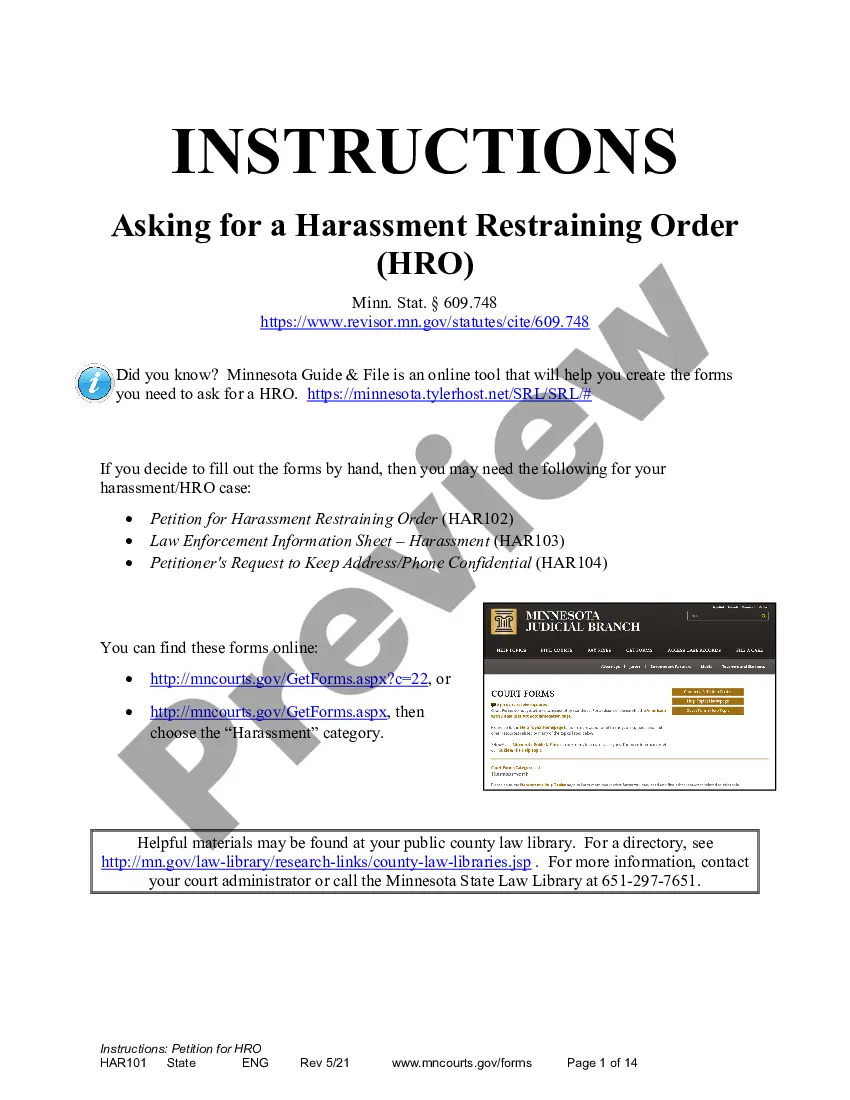
A harassment restraining order is a legal order issued by the court to protect a person from harassment by another individual. Harassment can include various forms of behavior intended to disturb or upset someone, such as repeated unwanted contact, threats, or physical violence. This order formally restricts the alleged harasser from contacting or coming near the person seeking protection.
Who should use this form
The harassment restraining order form is intended for individuals who have experienced harassment. A person who is a victim of harassment, referred to as the petitioner, can file for a restraining order. Additionally, if the harassment involves a minor, the minor's parent or guardian can file on their behalf. This form is useful when facing ongoing threats or harmful behavior and aims to ensure safety and peace of mind.
Key components of the form
The main components of the harassment restraining order form include:
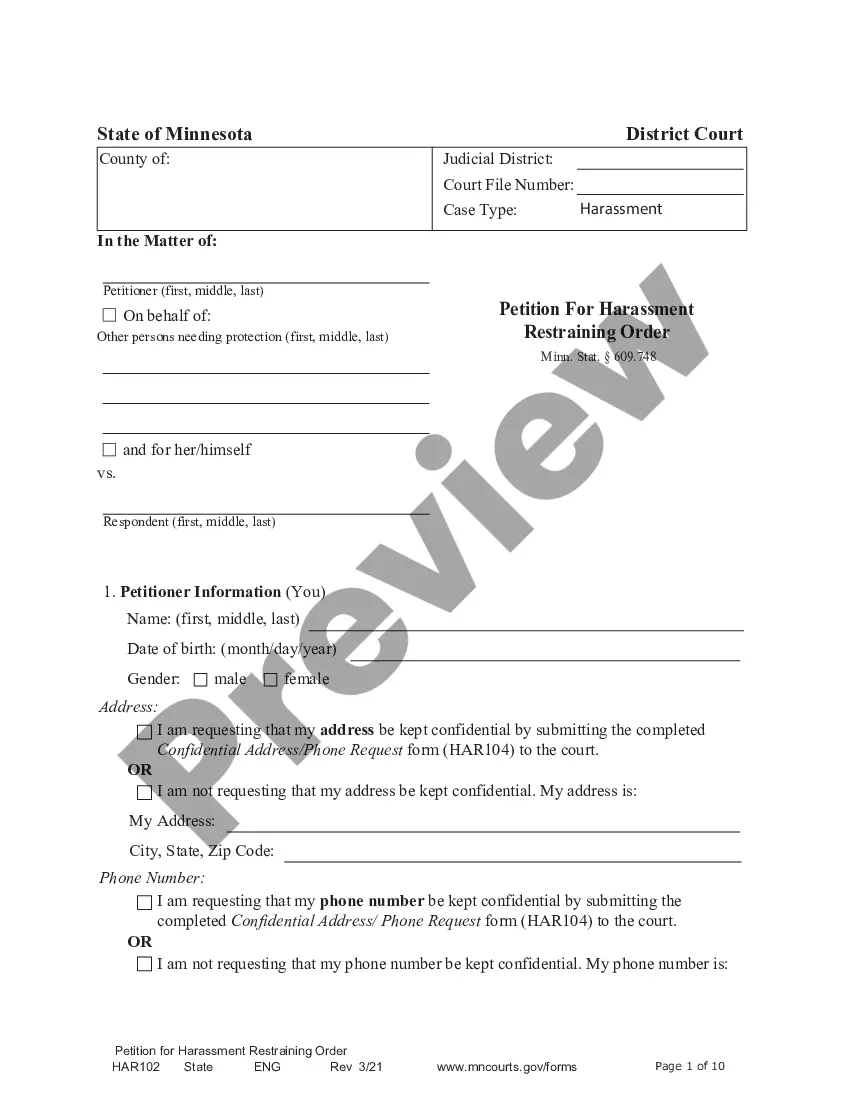
- Petitioner's Affidavit: A detailed account of the harassment incidents, including specific dates, times, locations, and descriptions of the harassing behavior.
- Respondent Information: Details about the person being accused of harassment, including their name and address, if known.
- Requested Relief: A clear statement of what the petitioner is seeking from the court, such as no contact provisions or stay-away orders.
Completing these components accurately is essential for the petition to be considered by the court.
How to complete a form
To complete the harassment restraining order form, follow these steps:
- Gather information: Collect all necessary details about the harassment incidents, including descriptions and any evidence supporting your claims.
- Fill out the form: Ensure that the Petitioner's Affidavit and the Petition for Restraining Order are filled out thoroughly. It is crucial to include all relevant specifics, listing the most recent incidents first.
- Review for accuracy: Check that all information is correct and complete to avoid delays in processing your petition.
- File the form: Submit the completed forms to the court administrator's office.
It's advisable to keep copies of all submitted documents for your records.
Common mistakes to avoid when using this form
When applying for a harassment restraining order, be mindful of common mistakes:
- Inadequate details: Failing to provide specific incidents and clear evidence can weaken your case.
- Missing information: Omitting crucial information about the respondent or the nature of the harassment can lead to dismissal.
- Incorrect filing: Ensure you file the form in the correct jurisdiction to avoid delays.
- Not seeking assistance: If you have difficulty completing the form, seek help from a qualified professional or legal aid service.
Avoiding these mistakes can increase your chances of a successful application.
What to expect during the court hearing
If a hearing is scheduled for your harassment restraining order application, be prepared for the following:
- Presentation of evidence: Both the petitioner and respondent will have the opportunity to present their case, including testimonies and evidence.
- Judge's questions: The judge may ask questions to clarify details of the incidents and the need for protection.
- Potential outcomes: The court may grant a temporary order or extend the order for a specified period based on the evidence presented.
Being well-prepared can help ensure a thorough hearing process.