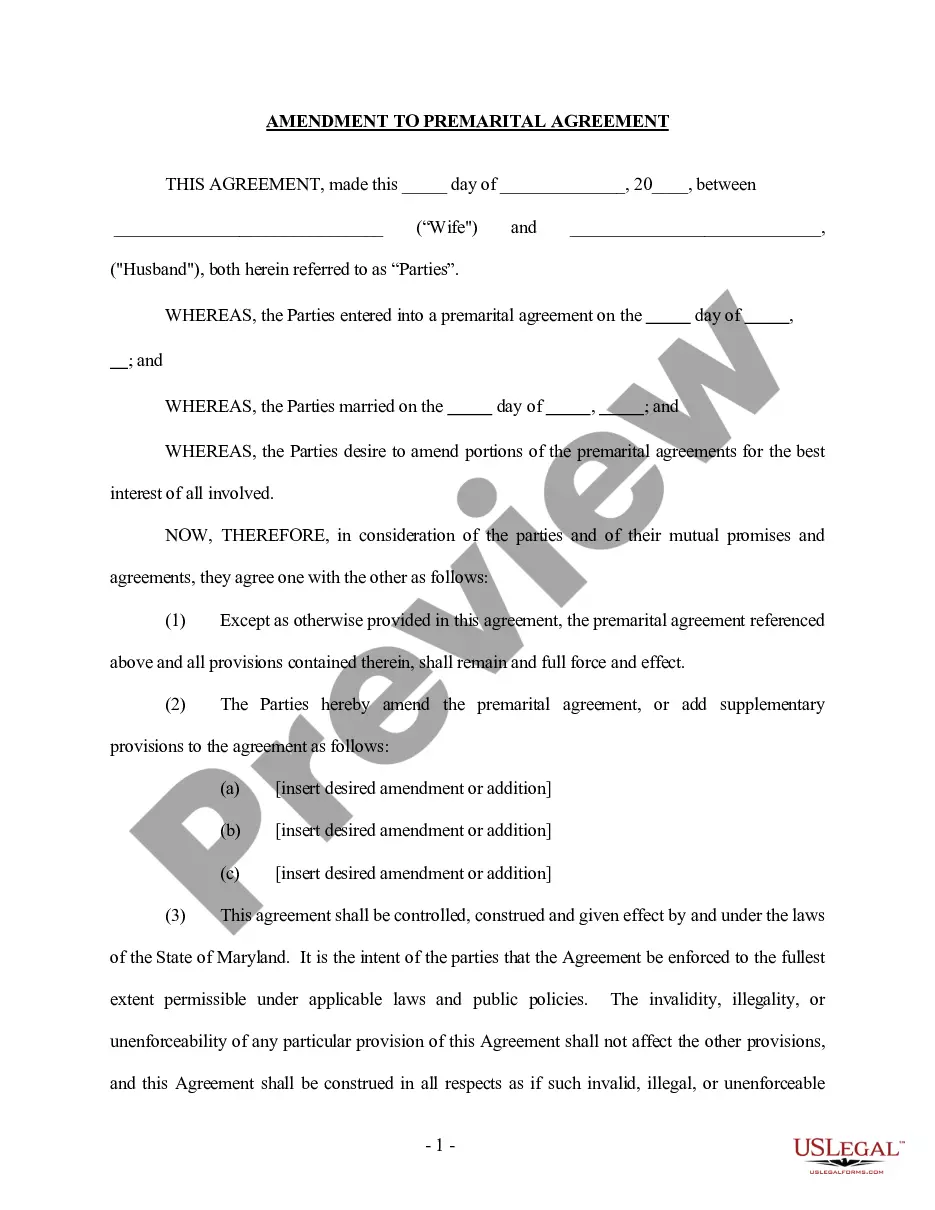
Indiana Last Will and Testament for Married person with Adult Children
What this document covers
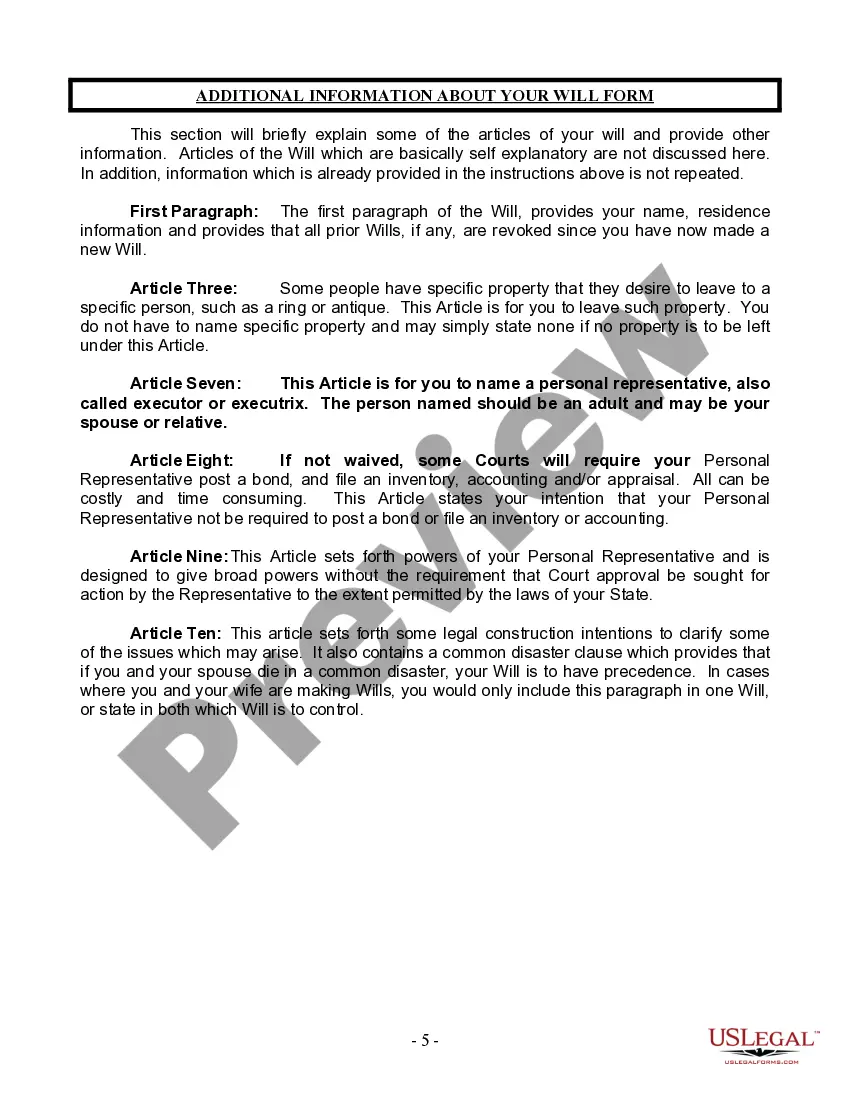
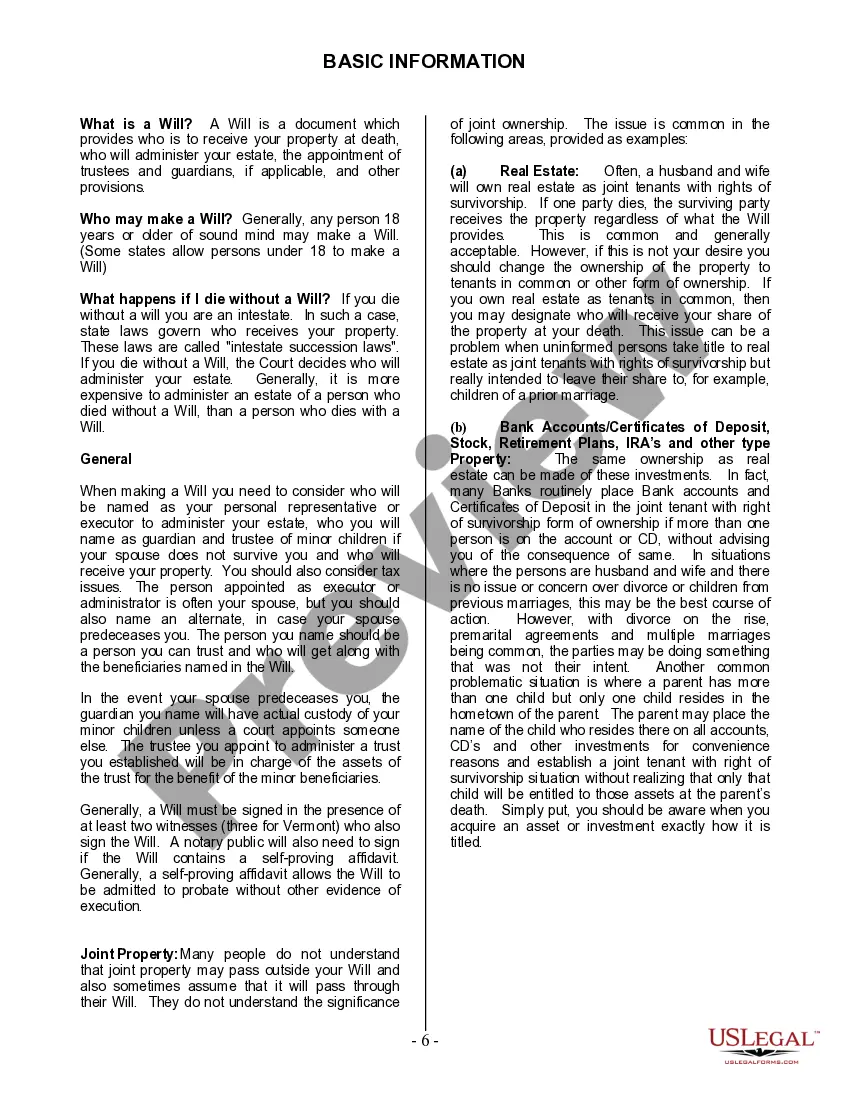
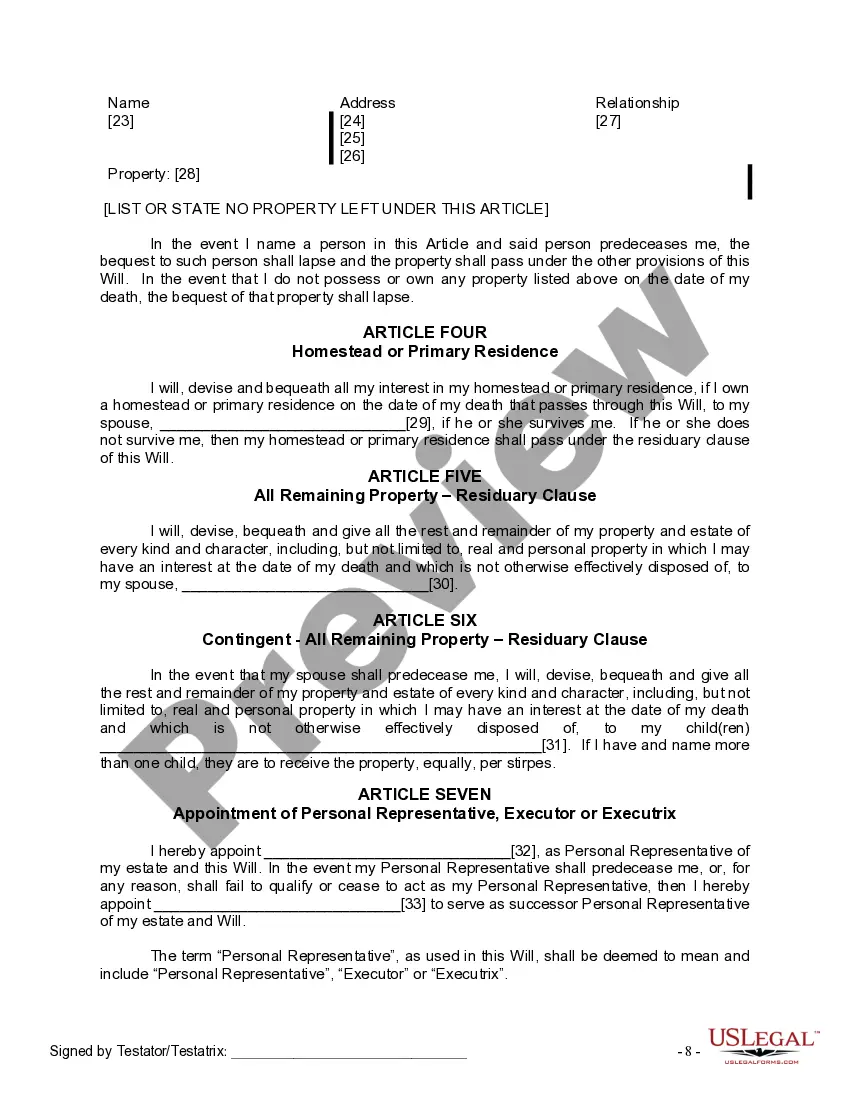
The Last Will and Testament for Married Person with Adult Children is a legal document that outlines how a married individual wishes their assets to be distributed after their death, specifically catering to those with adult children. This form allows the testator to appoint a personal representative, specify beneficiaries, and include provisions for their spouse and children, ensuring that their estate is settled according to their wishes.
Form components explained
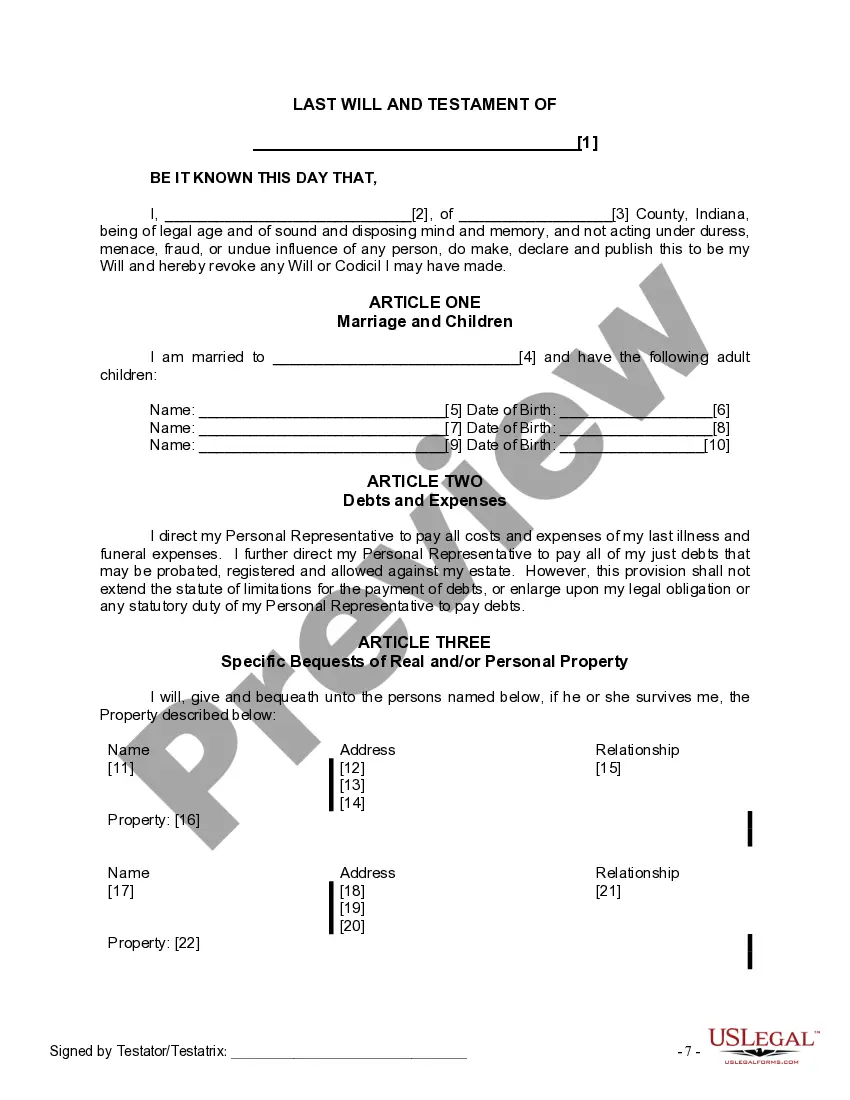
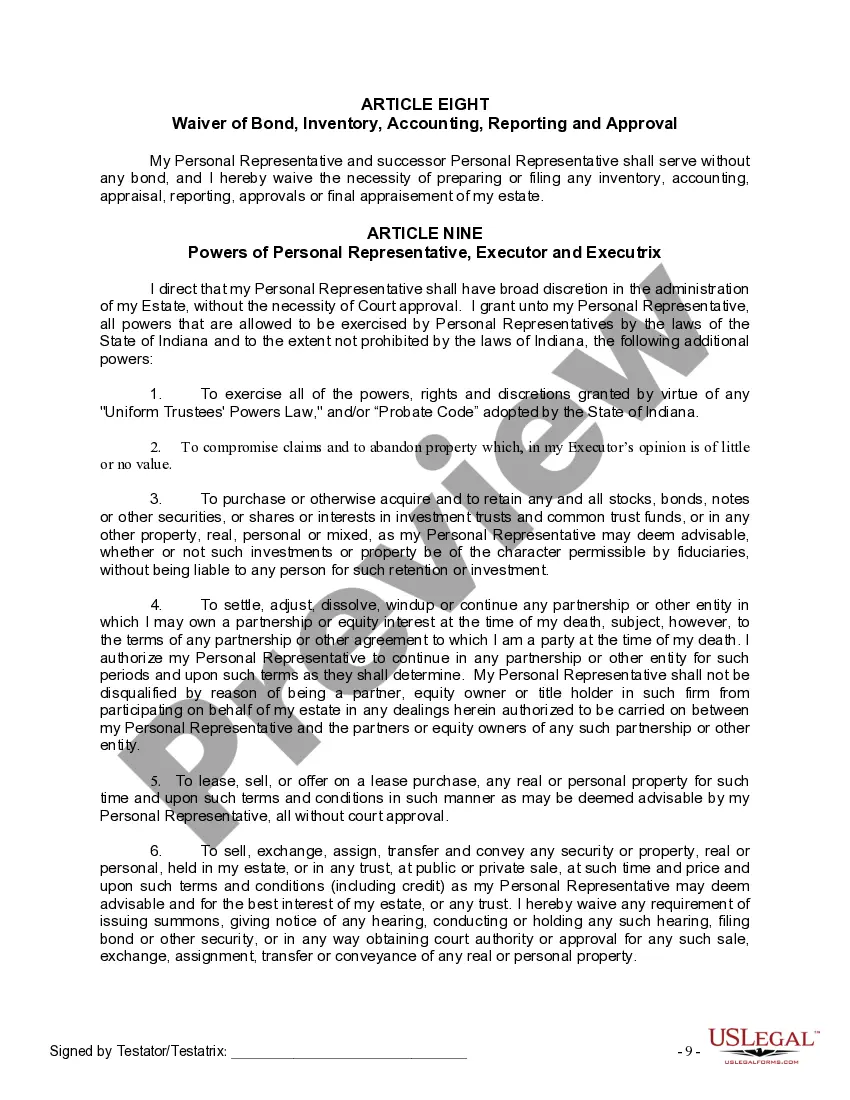
- Appointment of a personal representative or executor.
- Designation of beneficiaries, including spouse and adult children.
- Specific bequests of real and personal property.
- Residuary clause for remaining assets.
- Provisions for debts, expenses, and funeral costs.
- Requirements for witnessing and notarization as necessary.






When to use this form
This form should be used when a married individual with adult children wants to establish clear instructions regarding the distribution of their assets after their death. It is especially important to have this legal document in place to avoid disputes among family members and to ensure that the testatorâs desires for their estate and care for their loved ones are respected.
Intended users of this form
- Individuals who are married with adult children.
- Those looking to clarify their wishes concerning the distribution of assets.
- Anyone wishing to appoint a trusted individual as an executor of their estate.
- Individuals wanting to ensure their estate is managed without court intervention.
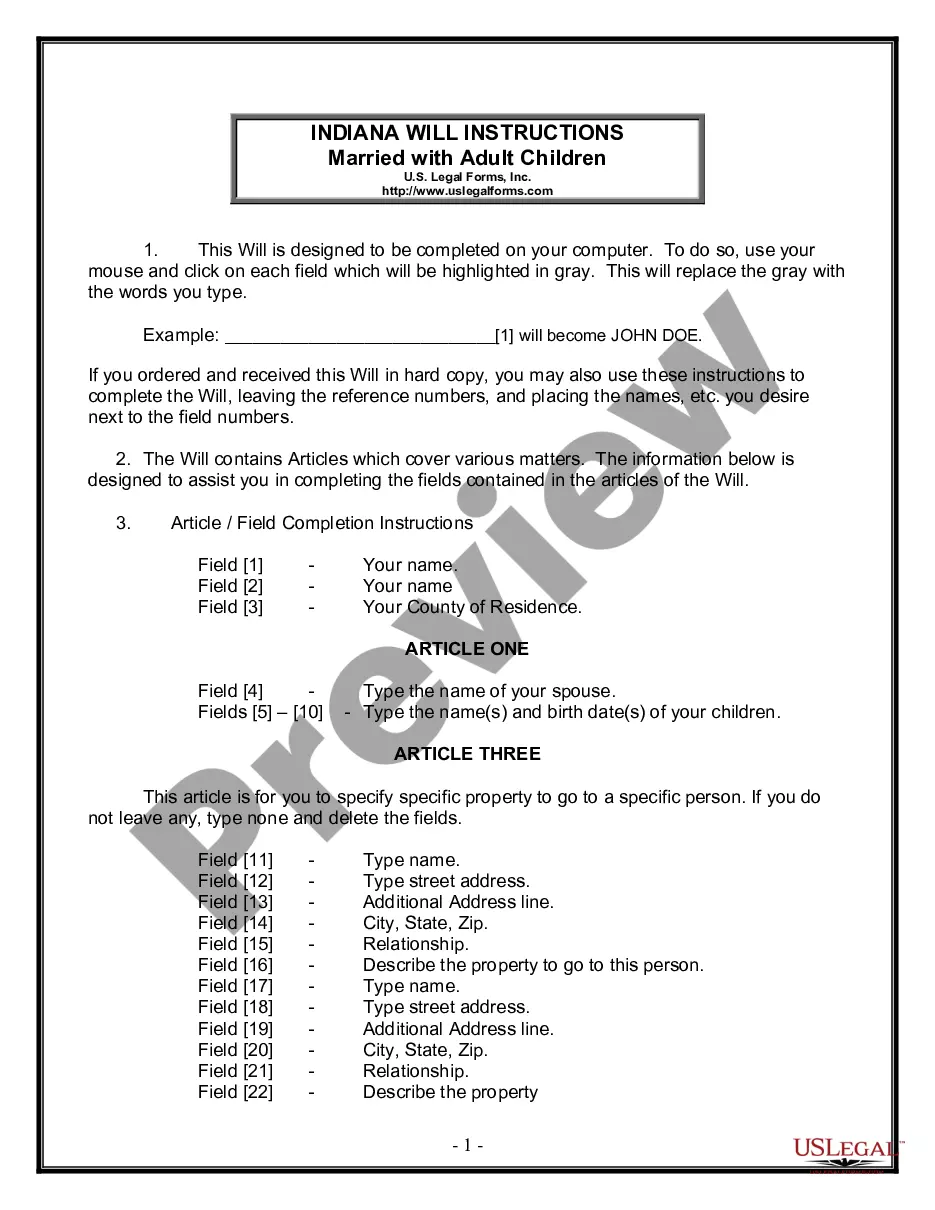
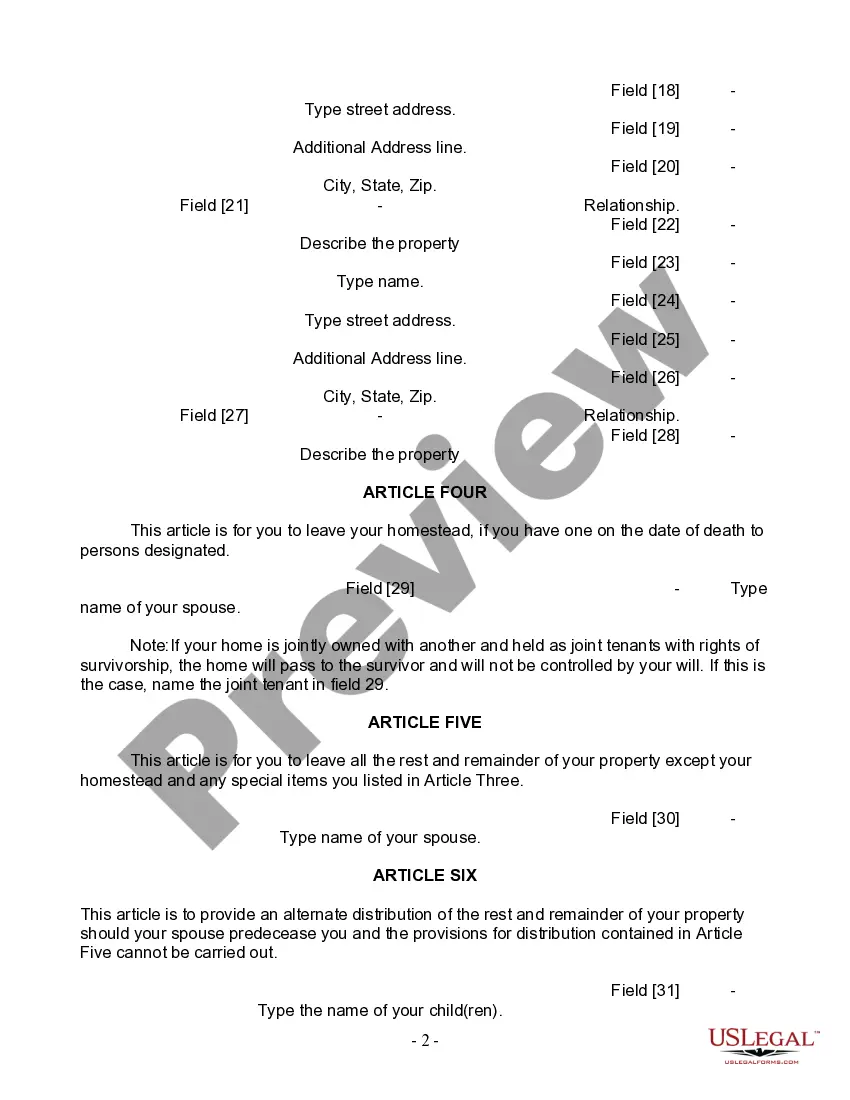
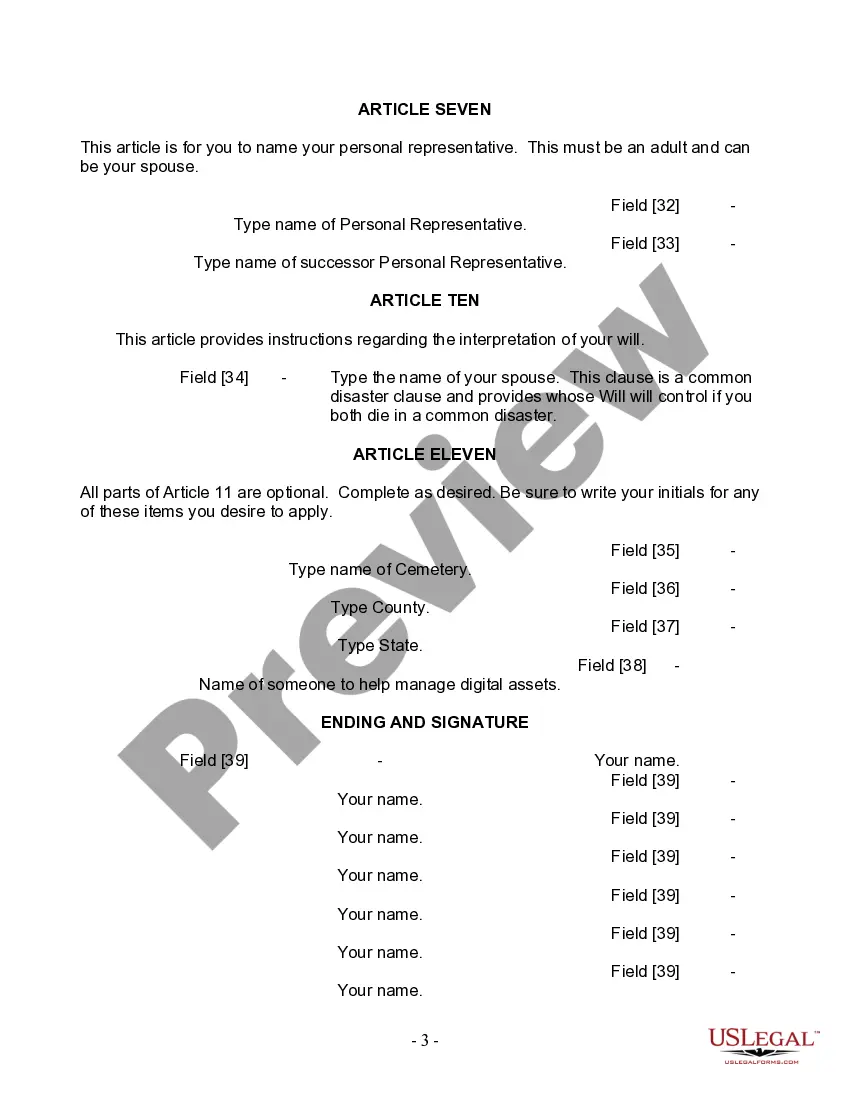
How to prepare this document
- Identify yourself by entering your name and place of residence.
- Designate your spouse and list your adult children, including their names and dates of birth.
- Specify all relevant assets and indicate who should receive each item.
- Choose a personal representative and, if desired, a successor representative.
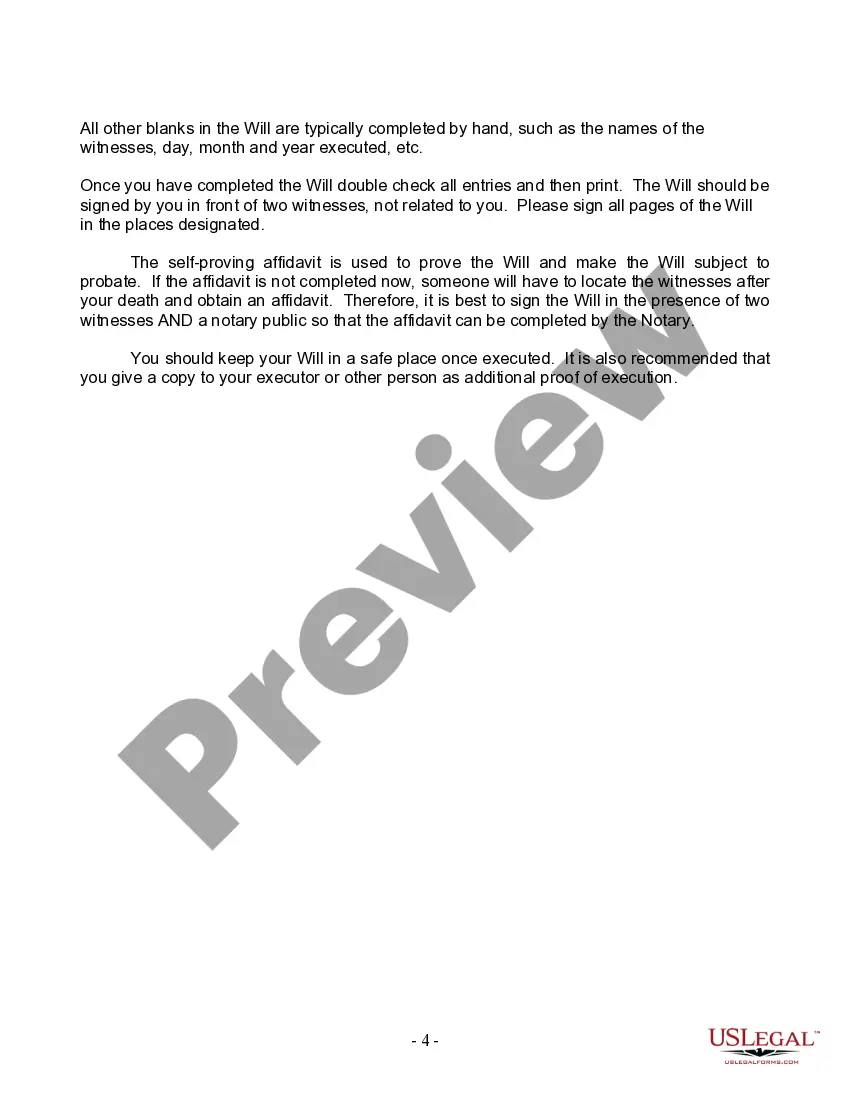
- Sign the document in the presence of two witnesses and complete any required notarization.
Does this document require notarization?
Yes, this form must be notarized to be legally valid in Indiana. Having a notary public sign the will helps establish its authenticity and can simplify the probate process. US Legal Forms offers integrated online notarization, allowing you to complete this step securely and conveniently, without the need for travel.
Get your form ready online
Our built-in tools help you complete, sign, share, and store your documents in one place.
Make edits, fill in missing information, and update formatting in US Legal Forms—just like you would in MS Word.
Download a copy, print it, send it by email, or mail it via USPS—whatever works best for your next step.
Sign and collect signatures with our SignNow integration. Send to multiple recipients, set reminders, and more. Go Premium to unlock E-Sign.
If this form requires notarization, complete it online through a secure video call—no need to meet a notary in person or wait for an appointment.
We protect your documents and personal data by following strict security and privacy standards.

Make edits, fill in missing information, and update formatting in US Legal Forms—just like you would in MS Word.

Download a copy, print it, send it by email, or mail it via USPS—whatever works best for your next step.

Sign and collect signatures with our SignNow integration. Send to multiple recipients, set reminders, and more. Go Premium to unlock E-Sign.

If this form requires notarization, complete it online through a secure video call—no need to meet a notary in person or wait for an appointment.

We protect your documents and personal data by following strict security and privacy standards.
Mistakes to watch out for
- Failing to have the will signed by the required number of witnesses.
- Not updating the will after significant life events, such as birth, marriage, or divorce.
- Neglecting to specify how debts and expenses will be handled.
- Leaving unclear instructions regarding specific bequests.
Why complete this form online
- Convenience of downloading and filling out the form at your own pace.
- Access to templates drafted by licensed attorneys, ensuring legal compliance.
- The ability to edit and customize the form according to your unique needs.
- Options for immediate assistance with notarization through secure online platforms.
What to keep in mind
- The Last Will and Testament for Married Person with Adult Children is essential for estate planning.
- This form ensures your wishes are documented and legally binding.
- Proper completion and notarization are crucial to avoid legal issues after your passing.
- Using an online platform can streamline the process and provide necessary legal guidance.
Looking for another form?






Form popularity
FAQ
Legal documents are defined as a written proof of the limitations and extent of a person's rights and privileges in a clear and specific manner. A common example of a legal document that you may be familiar to is the Last Will and Testament.
A legal separation would mean one spouse may still be eligible for health insurance coverage from the other spouse's job, whereas a divorce would end this coverage. A legal separation also allows you and your spouse to continue filing taxes jointly, which can lead to some tax benefits.
Sort Court Documents into Folders/ Sections The easiest way to organize documents is by creating folders and sections. With Bundledocs you can create as many sections, sub-section or even volumes as needed. For example, create a 'Pleadings', 'Correspondence', 'Records' etc. section and add any documents you need to it.
Read the Complaint. Find copies of contracts and any other written communications between you and the other side. Analyze the strengths and weaknesses of your case. Prepare your documents and evidence for trial. Identify and prepare any witnesses. Practice, Practice, Practice your presentation.
File a Complaint with the IURC's Consumer Affairs Division. Contact the Office of the Utility Consumer Counselor. File a Formal Petition with the IURC.
To change your last name, you will need to complete an application for a new Social Security card. You will also need proof of United States citizenship, proof of identity (a valid driver's license, state issued identification, or U.S. passport), and a certified copy of your marriage license.
Each Loan Document to which a Borrower that is not domiciled in the United States is a party is in proper legal form under the law of the jurisdiction in which such Borrower is organized, formed or incorporated for the enforcement thereof against such Borrower under the law of such jurisdiction.
Affidavit. An Affidavit is a sworn written statement made before an official or anyone who may legally administer an oath. Amending Agreement. Amortization Schedule. Articles of Incorporation. Assignment. Assignment of Partnership Interest. Assignment of Trade Name.
Legal Separation in Indiana. A legal separation allows a married couple to live apart while they decide to stay married or to divorce; it does not end a marriage. A divorce, also known in Indiana as a "dissolution of marriage," ends a marriage.