Indiana Revocation of Out of Hospital - Do Not Resuscitate Declaration - DNR
About this form
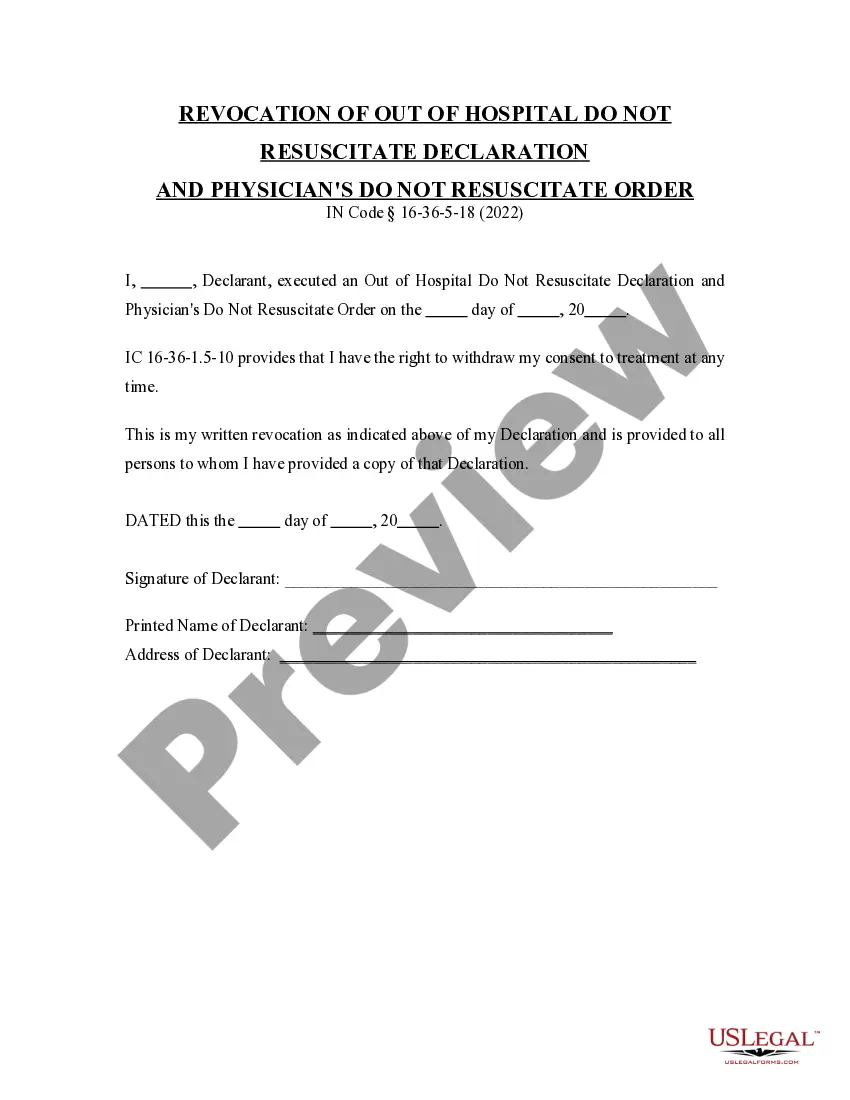
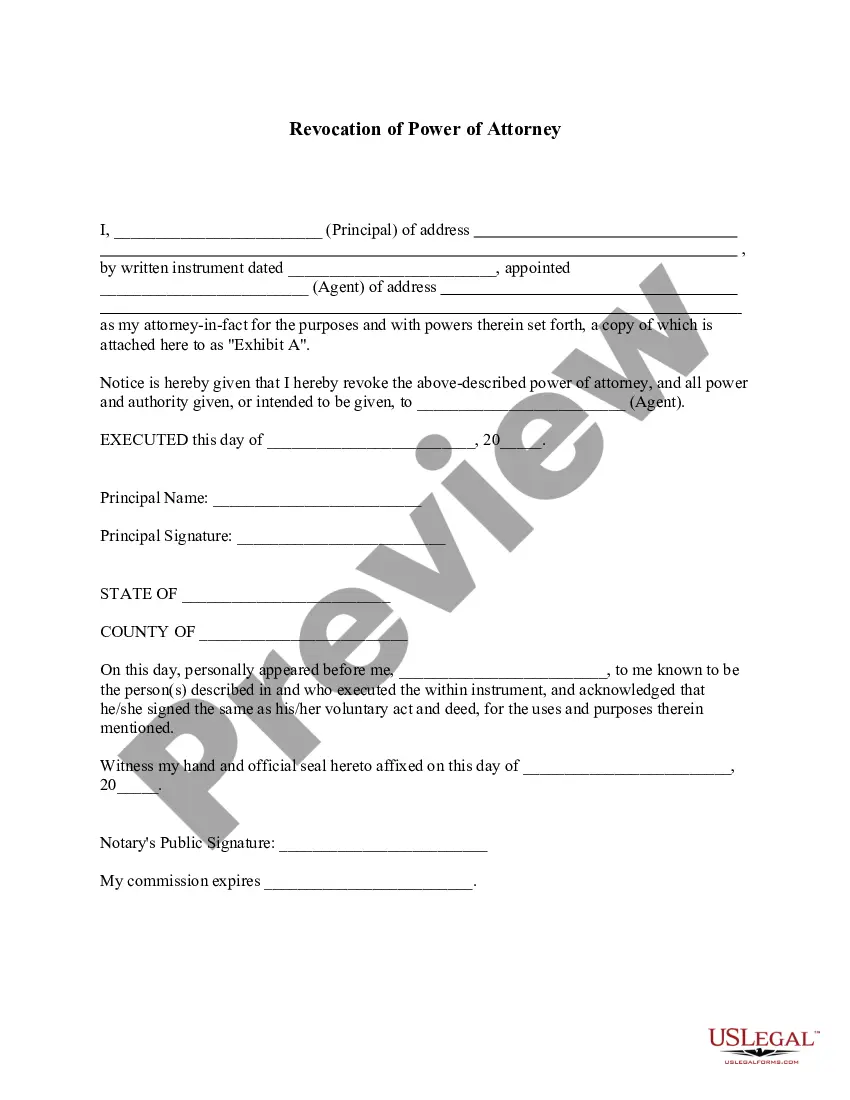
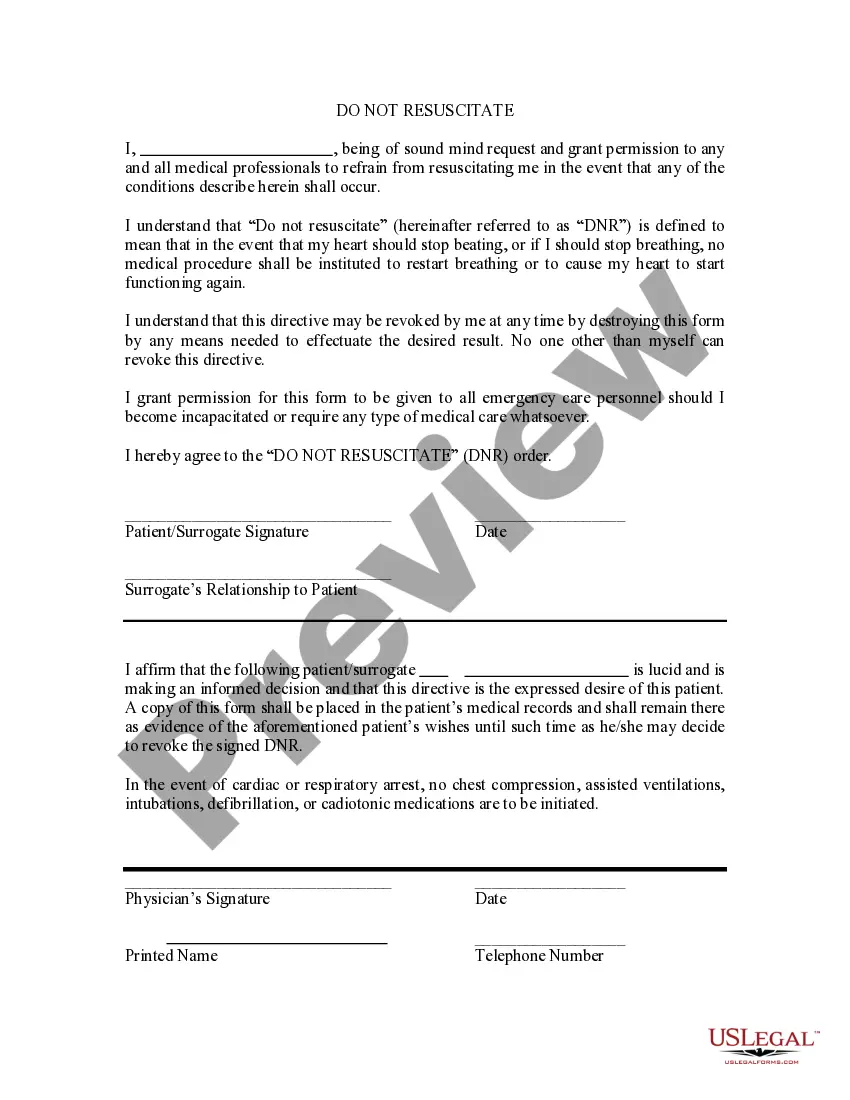
The Revocation of Out of Hospital - Do Not Resuscitate Declaration (DNR) form is a legal document that allows individuals to revoke their previously expressed wishes regarding resuscitation in an out-of-hospital setting. This form is vital for ensuring that individualsâ wishes are honored, particularly in emergency situations where resuscitation may be considered. Unlike a traditional advance directive, this form specifically focuses on the reversal of a DNR order, allowing a person to communicate a change in their medical preferences clearly.
Main sections of this form
- Identification of the individual revoking the DNR declaration.
- Clear statement of the intention to revoke the previous DNR order.
- Signature of the individual and, if applicable, a witness to validate the revocation.
- Date of revocation to establish the timeline of the decision.
Common use cases
This form is used when an individual who has previously established a Do Not Resuscitate order decides to change their mind. Situations may include a change in health status, personal beliefs, or upon the advice of medical professionals. It is important to have this revocation documented to ensure clarity in medical situations where rapid decisions are needed.
Who this form is for
- Individuals who have previously signed a Do Not Resuscitate order.
- Patients wishing to change their resuscitation preferences.
- Family members or legal representatives acting on behalf of the individual if legally authorized.
Completing this form step by step
- Identify yourself as the individual revoking the DNR order.
- Clearly state your intention to revoke the DNR declaration.
- Sign the document in the designated area to affirm your decision.
- If required, have a witness sign the form to corroborate your revocation.
- Date the form to establish when the revocation was made.
Notarization guidance
This form does not typically require notarization unless specified by local law. It is important to check your stateâs regulations to confirm if notarization is necessary for your document to be legally recognized.
Get your form ready online
Our built-in tools help you complete, sign, share, and store your documents in one place.
Make edits, fill in missing information, and update formatting in US Legal Forms—just like you would in MS Word.
Download a copy, print it, send it by email, or mail it via USPS—whatever works best for your next step.
Sign and collect signatures with our SignNow integration. Send to multiple recipients, set reminders, and more. Go Premium to unlock E-Sign.
If this form requires notarization, complete it online through a secure video call—no need to meet a notary in person or wait for an appointment.
We protect your documents and personal data by following strict security and privacy standards.

Make edits, fill in missing information, and update formatting in US Legal Forms—just like you would in MS Word.

Download a copy, print it, send it by email, or mail it via USPS—whatever works best for your next step.

Sign and collect signatures with our SignNow integration. Send to multiple recipients, set reminders, and more. Go Premium to unlock E-Sign.

If this form requires notarization, complete it online through a secure video call—no need to meet a notary in person or wait for an appointment.

We protect your documents and personal data by following strict security and privacy standards.
Avoid these common issues
- Failing to date the revocation, which can lead to confusion about the timeline of decisions.
- Not having a witness when required, potentially rendering the revocation invalid.
- Using outdated forms that may not reflect current legal standards or preferences.
Why complete this form online
- Convenient access to legal documentation that can be filled out at any time.
- Editability to ensure the form accurately reflects your wishes before finalizing.
- Reliability of having an attorney-drafted document to meet legal standards.
Legal use & context
- The revocation must comply with local laws to be considered legally binding.
- It is crucial for healthcare providers to be made aware of the revocation for it to take effect.
- The document serves as an official record of the individual's wishes, offering protection for both the individual and medical personnel.
Quick recap
- The Revocation of Out of Hospital - Do Not Resuscitate Declaration allows individuals to change prior resuscitation instructions.
- Proper completion and understanding of this form are essential to ensure adherence to the individual's healthcare preferences.
- Consulting legal or medical professionals can further clarify any concerns regarding the revocation process.
Looking for another form?


Form popularity
FAQ
You should be able to easily reverse a DNR regardless of your location. Simply tell a doctor or nurse that you would like to revoke your DNR order and make a different plan for emergency services. Your physician will document your wish to be resuscitated in your medical records. You may have to sign paperwork as well.
The patient's physician must approve of a DNR, confirming the patient's condition by signing the DNR form. Aside from the patient's and physician's signatures, two (2) witnesses are required to make a DNR order valid. Required to Sign Patient, physician and two (2) witnesses.
Medical professionals who give CPR to people with a DNR order can potentially get into troubleif they are aware of the DNR. The legal ramifications of giving CPR to someone with a DNR are complex. In some states, DNR orders are only valid within a hospital setting; outside of that, they don't apply.
Can a DNR order be revoked? Yes. An individual or authorized decision maker may cancel a DNR order at any time by notifying the attending physician, who is then required to remove the order from their medical record.
A DNR is a document that specifies that the patient does not want to be resuscitated.A Living Will is a legal document wherein the patient designates if they want life support continued if they are incapacitated and in a "terminal condition", an "end stage condition", or in a "persistent vegetative state".
A do-not-resuscitate (DNR) order can also be part of an advance directive. Hospital staff try to help any patient whose heart has stopped or who has stopped breathing. They do this with cardiopulmonary resuscitation (CPR). A DNR is a request not to have CPR if your heart stops or if you stop breathing.
When You are Unable to Make the Decision If your doctor has already written a DNR order at your request, your family may not override it. You may have named someone to speak for you, such as a health care agent. If so, this person or a legal guardian can agree to a DNR order for you.
A Do Not Attempt Resuscitation form is a document issued and signed by a doctor, which tells your medical team not to attempt cardiopulmonary resuscitation (CPR).It's not a legally binding document.