Indiana Residential Landlord Tenant Rental Lease Forms and Agreements Package
About this form package
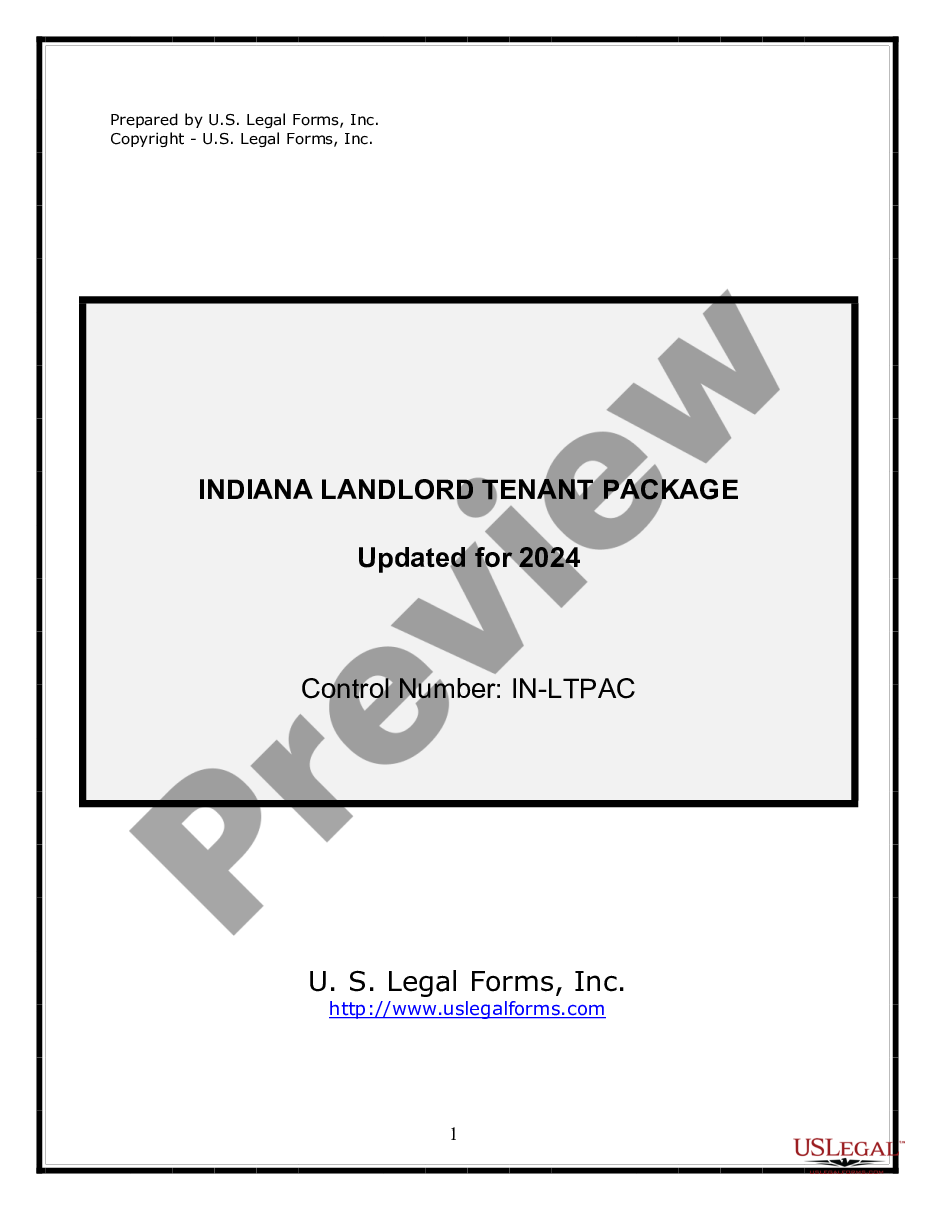
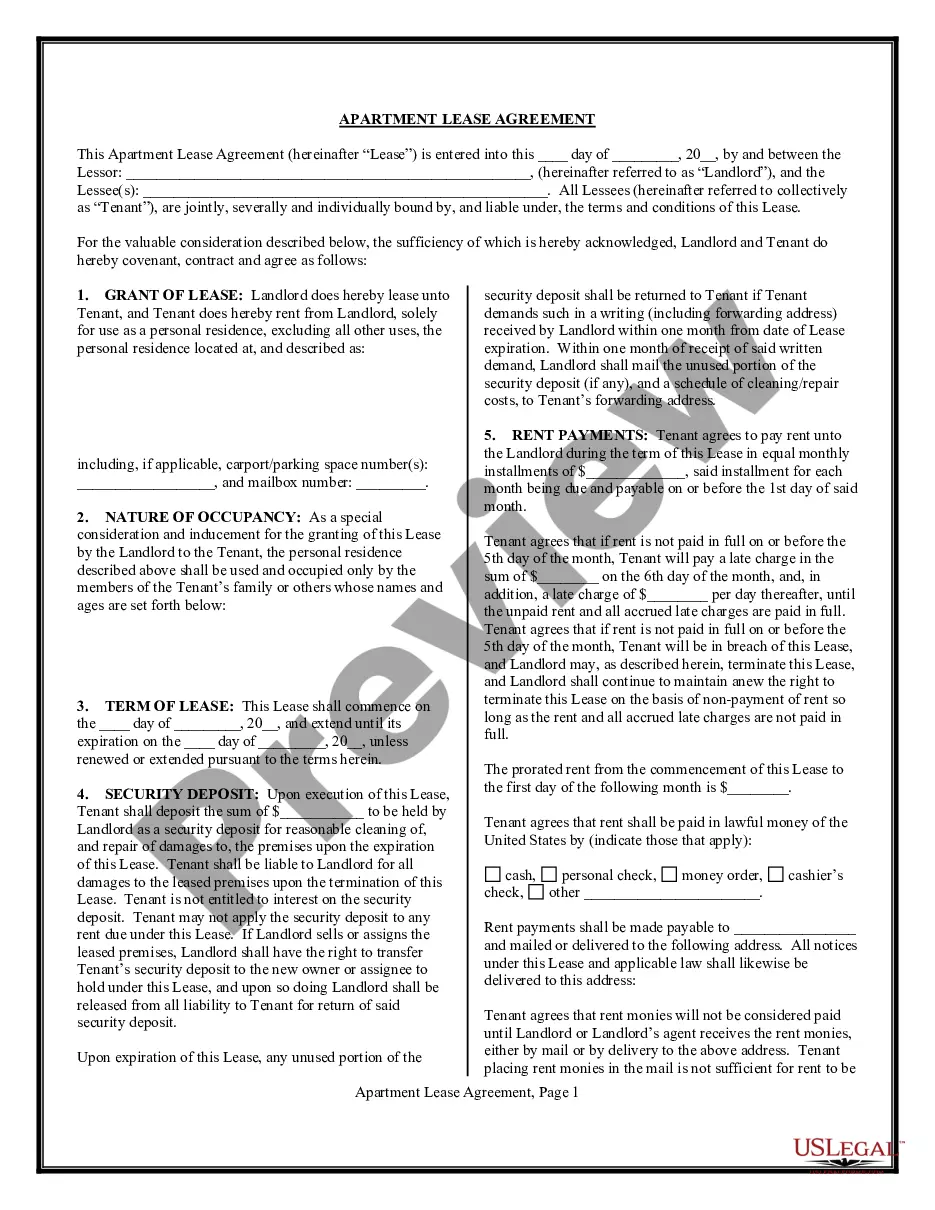
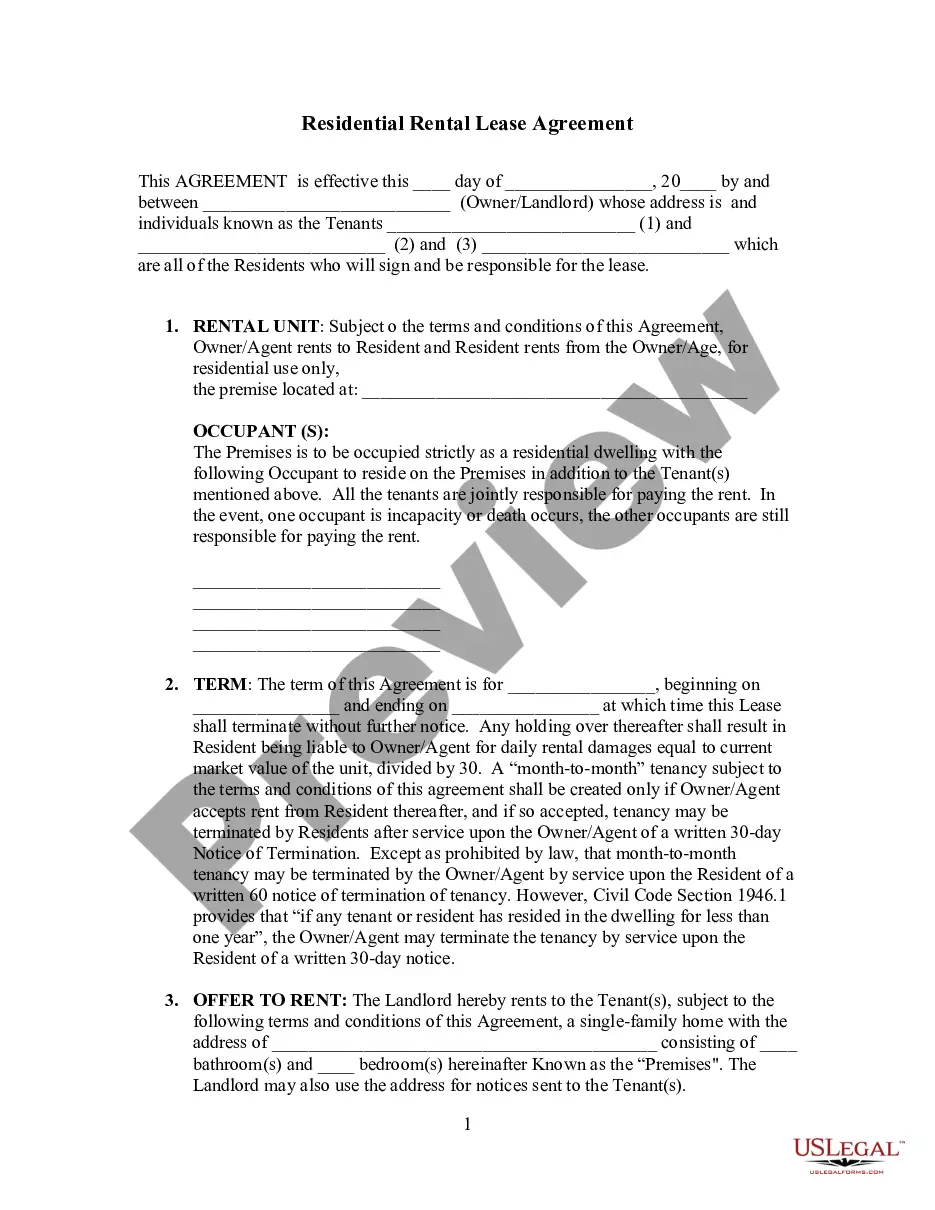
The Indiana Residential Landlord Tenant Rental Lease Forms and Agreements Package consists of essential documents designed to facilitate the landlord-tenant relationship in Indiana. This package includes forms such as a rental application, lease agreement, lead paint disclosure, and termination notices, all drafted by licensed attorneys to meet state-specific legal standards. Unlike other generic forms, this package is tailored to meet the unique requirements of Indiana law, providing both landlords and tenants with peace of mind and clear guidelines for their rental agreements.
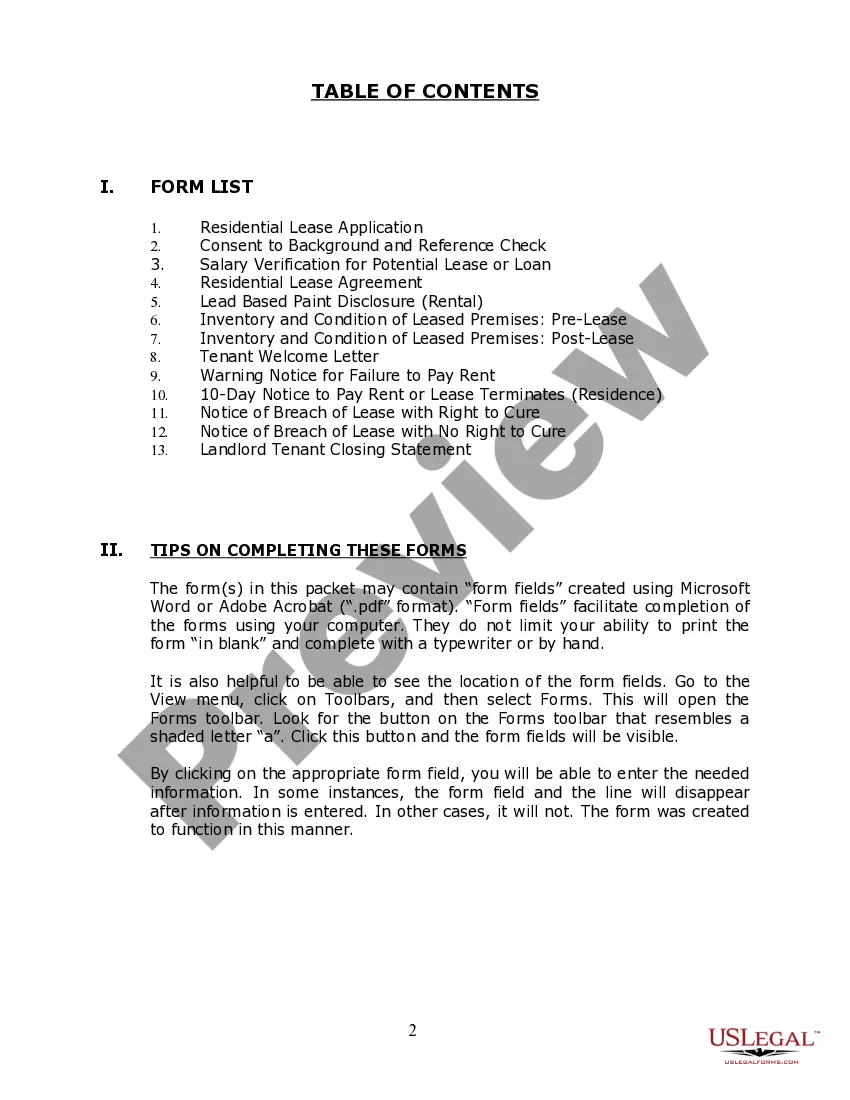
Forms you’ll find in this package
- 10 Day Notice to Pay Rent or Lease Terminates for Residential Property
- Notice of Default in Payment of Rent as Warning Prior to Demand to Pay or Terminate for Residential Property
- Notice of Breach of Written Lease for Violating Specific Provisions of Lease with Right to Cure for Residential Property from Landlord to Tenant
- Notice of Breach of Written Lease for Violating Specific Provisions of Lease with No Right to Cure for Residential Property from Landlord to Tenant
- Residential Rental Lease Application
- Salary Verification form for Potential Lease
- Inventory and Condition of Leased Premises for Pre Lease and Post Lease
- Tenant Consent to Background and Reference Check
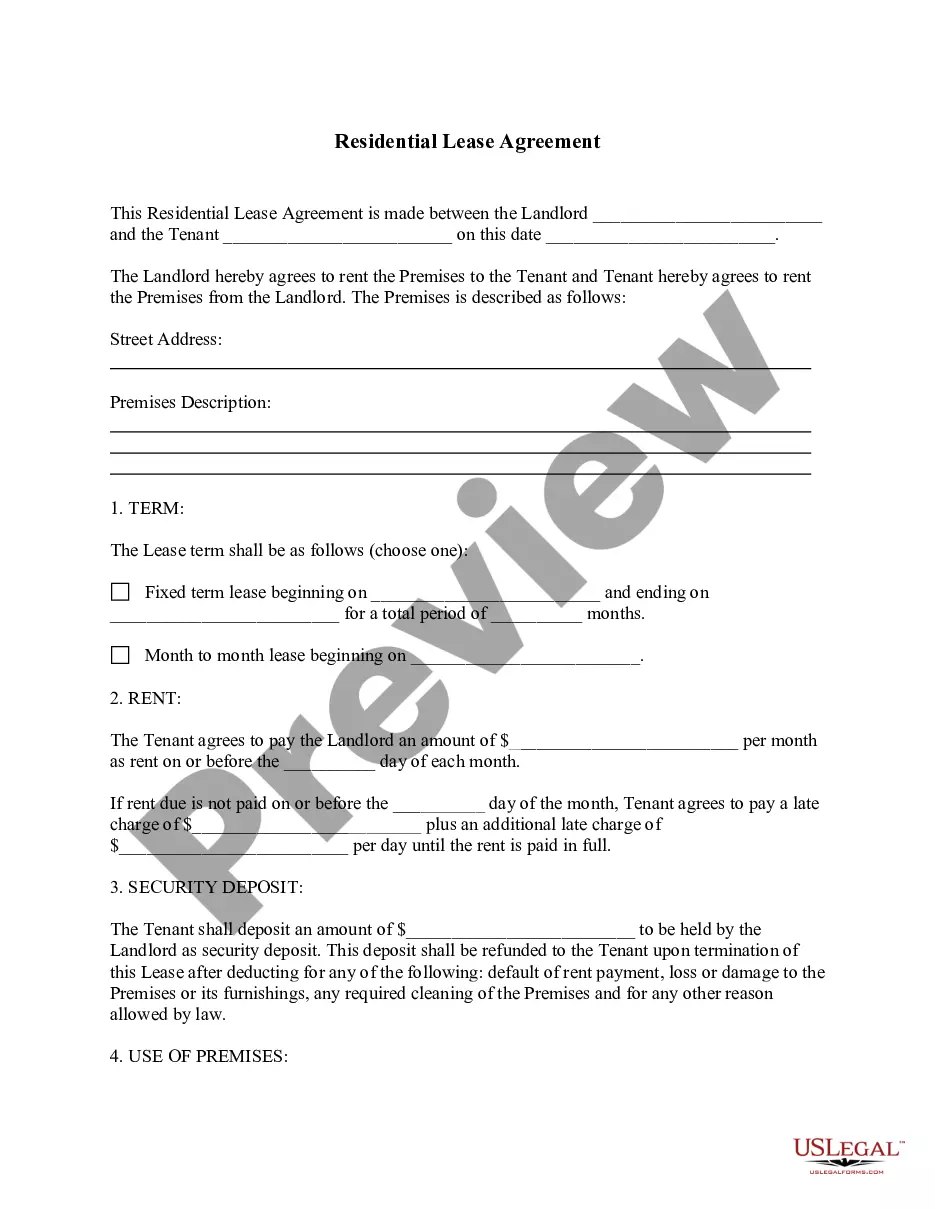
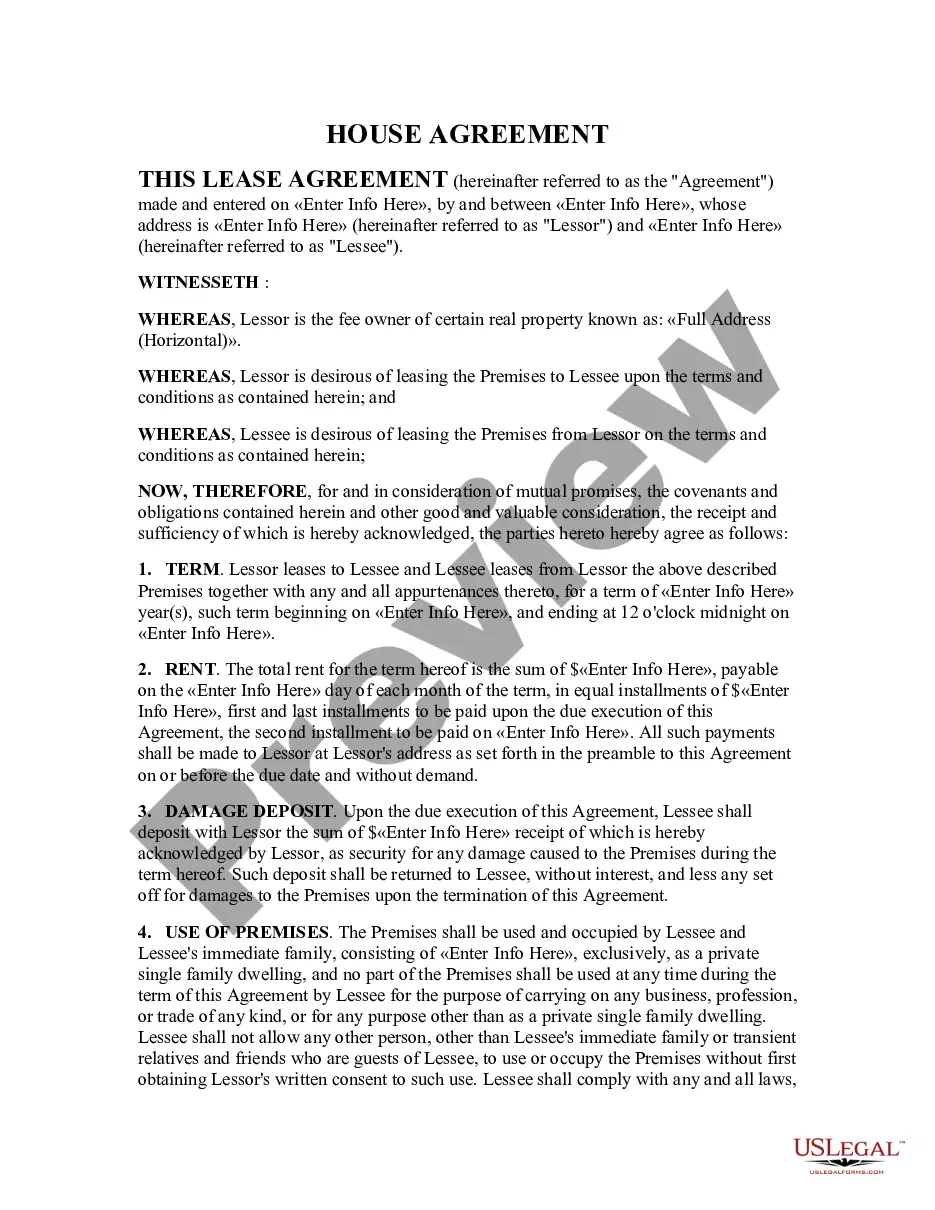
- Residential Rental Lease Agreement
- Tenant Welcome Letter
- Landlord Tenant Closing Statement to Reconcile Security Deposit
- Lead Based Paint Disclosure for Rental Transaction

When to use this document
This form package is necessary in various scenarios, including:
- When you are renting a residential property as a landlord or tenant.
- When you need to screen prospective tenants with an application form.
- If you want to disclose any lead paint hazards in properties built before 1978.
- When you need to document the condition of the rental premises before or after a lease.
- When you are required to provide proper termination notices for non-payment of rent.
Who should use this form package
- Landlords seeking to establish legally valid rental agreements with tenants.
- Tenants looking for comprehensive forms to facilitate their rental experience.
- Property managers needing effective communication and documentation tools.
- Real estate professionals assisting clients in rental transactions.
Completing these forms step by step
- Download the form package to your computer.
- Review each form to understand the requirements and fields needed.
- Enter the necessary information, including names, dates, and property details.
- Print the forms if required or save them digitally for easy access.
- Ensure all parties sign the relevant documents where needed.
Notarization requirements for forms in this package
Notarization is generally not required for forms in this package. However, specific circumstances or local laws may require it. You can complete notarization remotely through US Legal Forms, powered by Notarize, with 24/7 availability.
Get your form ready online
Our built-in tools help you complete, sign, share, and store your documents in one place.
Make edits, fill in missing information, and update formatting in US Legal Forms—just like you would in MS Word.
Download a copy, print it, send it by email, or mail it via USPS—whatever works best for your next step.
Sign and collect signatures with our SignNow integration. Send to multiple recipients, set reminders, and more. Go Premium to unlock E-Sign.
If this form requires notarization, complete it online through a secure video call—no need to meet a notary in person or wait for an appointment.
We protect your documents and personal data by following strict security and privacy standards.

Make edits, fill in missing information, and update formatting in US Legal Forms—just like you would in MS Word.

Download a copy, print it, send it by email, or mail it via USPS—whatever works best for your next step.

Sign and collect signatures with our SignNow integration. Send to multiple recipients, set reminders, and more. Go Premium to unlock E-Sign.

If this form requires notarization, complete it online through a secure video call—no need to meet a notary in person or wait for an appointment.

We protect your documents and personal data by following strict security and privacy standards.
Common mistakes to avoid
- Failing to properly fill out all required fields in each form.
- Not providing adequate information in the rental application.
- Forgetting to include lead paint disclosures where applicable.
- Neglecting necessary signatures from all parties on the lease agreement.
Benefits of completing this package online
- Convenience: Access and download forms 24/7 from anywhere.
- Editability: Fill out forms digitally, which allows for easy updates and corrections.
- Reliability: Forms are created and reviewed by licensed attorneys to ensure legal compliance.
- Time-saving: Streamlined forms reduce the amount of time spent gathering documentation.
Looking for another form?


Form popularity
FAQ
Legally, a lease is just one way to rent an accommodation. A rent agreement can either be a lease or a licence and will be treated accordingly, based on the terms and conditions and renting period mentioned in the agreement.
Name the parties. A simple rental agreement form needs to name the parties signing the lease and where they live. Describe the premises. Define the term of the lease. Set how much rent is owed. Assign a security deposit amount. Finalize the lease.
Most rental agreements are short-term agreements, such as month-to-month tenancies, while lease agreements are usually for longer rental periods, such as six months, a year, or more.
Most rental agreements are short-term agreements, such as month-to-month tenancies, while lease agreements are usually for longer rental periods, such as six months, a year, or more.
Terms. The lease should state the length of the agreement. Rent. The amount of rent and when it is due. Deposits and fees. The names of all tenants. Occupancy limits. Restrictions on disruptive activity. Pets. Maintenance and repairs.
Overview. Alberta has 2 types of rental agreements: Fixed term agreement. A fixed term tenancy begins and ends on specific dates. Periodic agreement. A periodic tenancy has a start date but no end date. Boarding and employer accommodations. Application of the legislation.
There are several different types of residential tenancy agreements, including short-term fixed, long-term fixed and periodic leases.
The names and addresses of both parties; The description of the property; The rental amount and reasonable escalation; The frequency of rental payments, i.e. monthly; The amount of the deposit; The lease period; The notice period for termination of contract;
If you are a landlord who is looking to write up a rental agreement, then you don't need to spend $250 an hour at your local lawyers office to get a contract written up. You can write up a rental agreement from your own home.