Indiana Letter from Tenant to Landlord about Inadequacy of heating resources insufficient heat
What is this form?
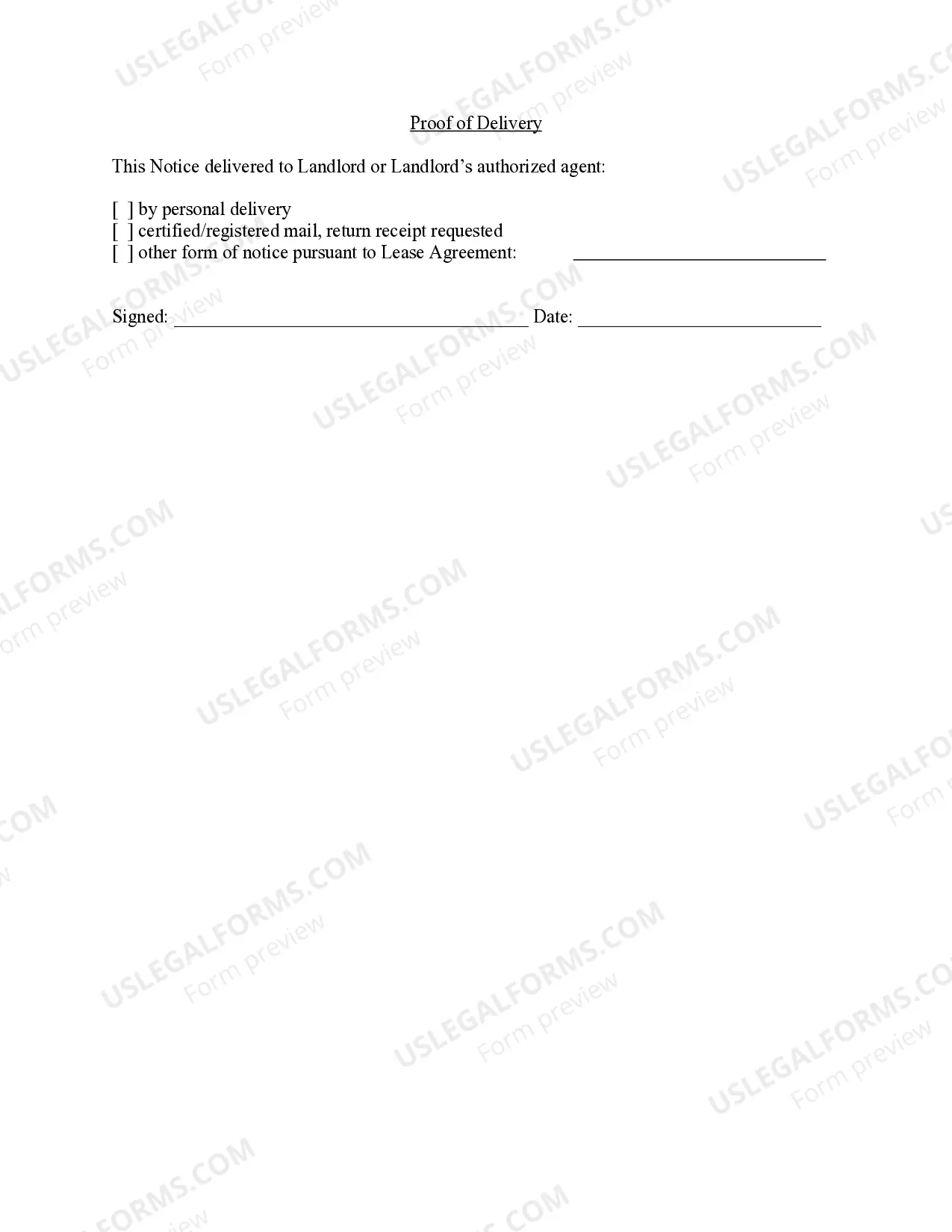
This form is a letter from a tenant to a landlord regarding insufficient heating resources in a rental property. It notifies the landlord of the inadequacy and requests the necessary repairs or additions to heating units. This letter serves as a formal communication to address the heating issue and differs from other landlord-tenant forms by specifically focusing on heating concerns.
Key components of this form
- Date of the letter
- Tenant's contact information
- Description of the heating inadequacy
- Request for remedy and repairs
- Reservation of rights under the lease agreement
- Signature of the tenant

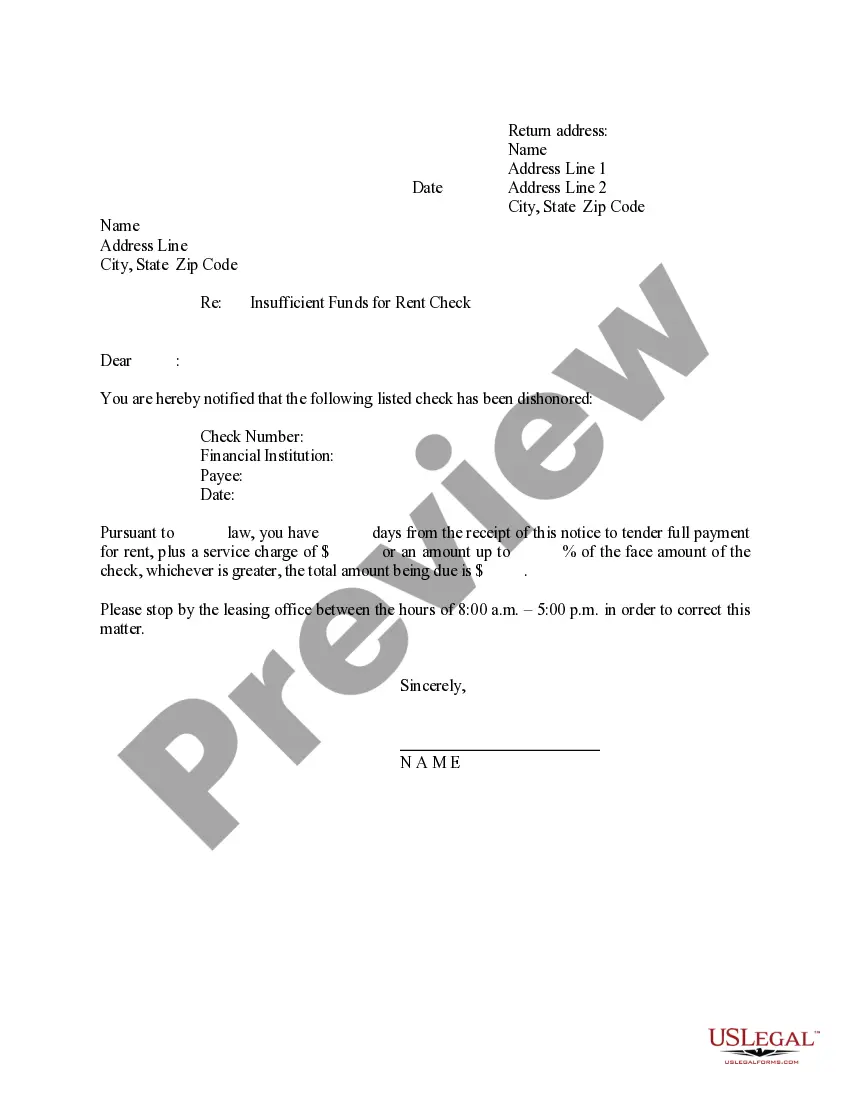
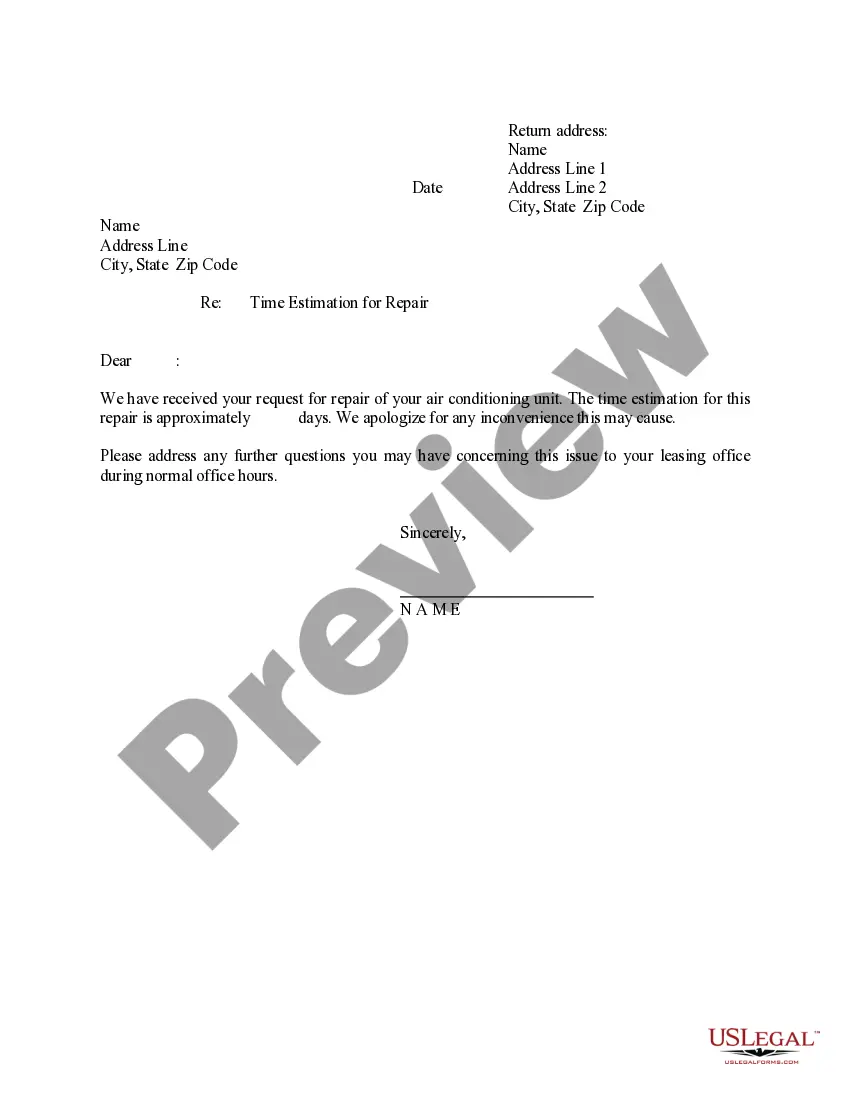

Common use cases
You should use this form when you, as a tenant, experience inadequate heating in your rental unit. This letter is essential for formally notifying your landlord about the heating issues, prompting them to take action to resolve the problem. It is useful in situations where you have previously spoken to the landlord but need to escalate the matter in writing.
Who should use this form
This form is intended for tenants who are currently renting a property and are facing issues with insufficient heating. It is suitable for individuals who want to ensure their rights are protected while seeking prompt repairs from their landlord.
Instructions for completing this form
- Enter the date at the top of the letter.
- Provide your contact information, including your address.
- Clearly describe the heating issue you are experiencing.
- Request that the landlord take immediate action to remedy the situation.
- Sign and date the letter to formalize the request.
Does this document require notarization?
This form does not typically require notarization unless specified by local law. It is always advisable to check your local regulations to ensure compliance with any notarization requirements.
Get your form ready online
Our built-in tools help you complete, sign, share, and store your documents in one place.
Make edits, fill in missing information, and update formatting in US Legal Forms—just like you would in MS Word.
Download a copy, print it, send it by email, or mail it via USPS—whatever works best for your next step.
Sign and collect signatures with our SignNow integration. Send to multiple recipients, set reminders, and more. Go Premium to unlock E-Sign.
If this form requires notarization, complete it online through a secure video call—no need to meet a notary in person or wait for an appointment.
We protect your documents and personal data by following strict security and privacy standards.

Make edits, fill in missing information, and update formatting in US Legal Forms—just like you would in MS Word.

Download a copy, print it, send it by email, or mail it via USPS—whatever works best for your next step.

Sign and collect signatures with our SignNow integration. Send to multiple recipients, set reminders, and more. Go Premium to unlock E-Sign.

If this form requires notarization, complete it online through a secure video call—no need to meet a notary in person or wait for an appointment.

We protect your documents and personal data by following strict security and privacy standards.
Avoid these common issues
- Failing to include the date and your contact information.
- Not specifying the exact issues with the heating.
- Neglecting to sign the letter before sending it.
- Not keeping a copy for personal records.
Why complete this form online
- Convenience of immediate download and access.
- Editability allows you to personalize the content easily.
- Reliability of forms drafted by licensed attorneys.
Legal use & context
- The tenant has a right to a habitable living environment, which includes adequate heating.
- This notice serves as documentation of the tenant's request for repairs, supporting any future legal actions if necessary.
Summary of main points
- This letter is crucial for formally addressing heating issues with landlords.
- Using this form helps ensure that tenants communicate their concerns clearly and legally.
- Tenants should understand their rights regarding habitable living conditions.
Looking for another form?





Form popularity
FAQ
Health Issues When the environment in a unit becomes hazardous to one's health, the rental is considered to be uninhabitable.Other health risks such as mold and asbestos can make a unit uninhabitable, by causing respiratory problems and serious illnesses.
Make sure the repair is actually your landlord's responsibility. Document the problem thoroughly. Ask your landlord in writing to make the repair. Send your landlord a letter with return receipt requested. Wait for your landlord to respond.
Contact us at (888) 700-9995.
Uninhabitable conditions can include dangerous ones, such as holes in the floor, unsafe or exposed wiring, or non-working air conditioning in dangerously hot summer months. Gross infestations of roaches, fleas or other pests are also uninhabitable conditions.
Clearly, state what you demand to be repaired by the person. Mention the period since it has been causing a problem and that it is high time. Without being too harsh, the letter is written as a warning to the person. Address the person well.
When a home is condemned, the owner (and tenants, if any) are notified in writing that the building must be vacated. A sign is attached to the building stating that the dwelling is not fit for human habitation, and that it cannot be occupied.The owner of the building may be ordered to repair or demolish the building.
Dear (Name of landlord or property manager), My name is (Your name) and I have a keen interest in renting the apartment you have available at (Property name or address). I currently live at (Your current address) and have lived there for (XX) years.
In California, habitability includes the following specific warranties: A dwelling also may be considered uninhabitable (unlivable) if it substantially lacks any of the following: Effective waterproofing and weather protection of roof and exterior walls, including unbroken windows and doors.
Dear (Name of landlord or manager), I am writing to request repairs to the (appliance, heating/air conditioning, plumbing issue be specific!) due to (reason for repair; this could include things such as broken handle, leaky sink hose, even normal wear-and-tear that would necessitate replacement).