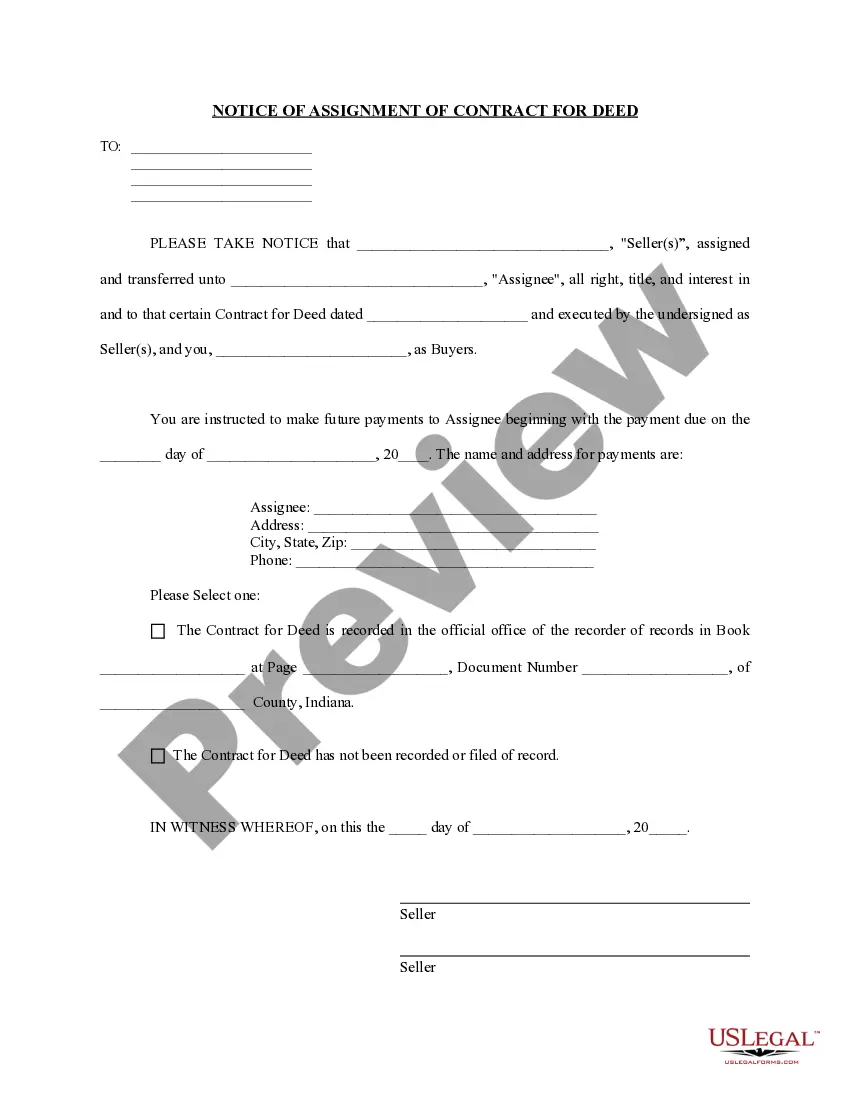
Indiana Notice of Assignment of Contract for Deed
About this form
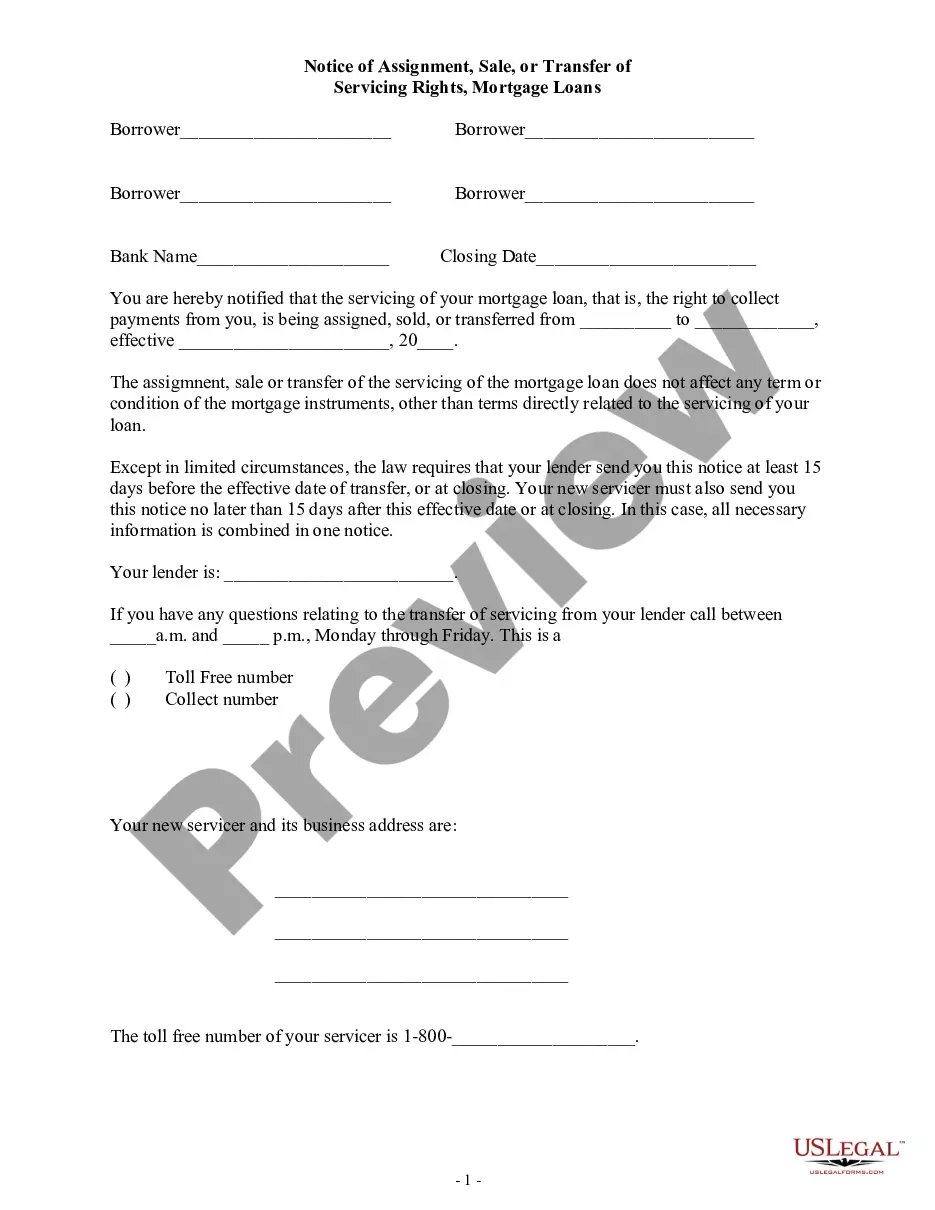
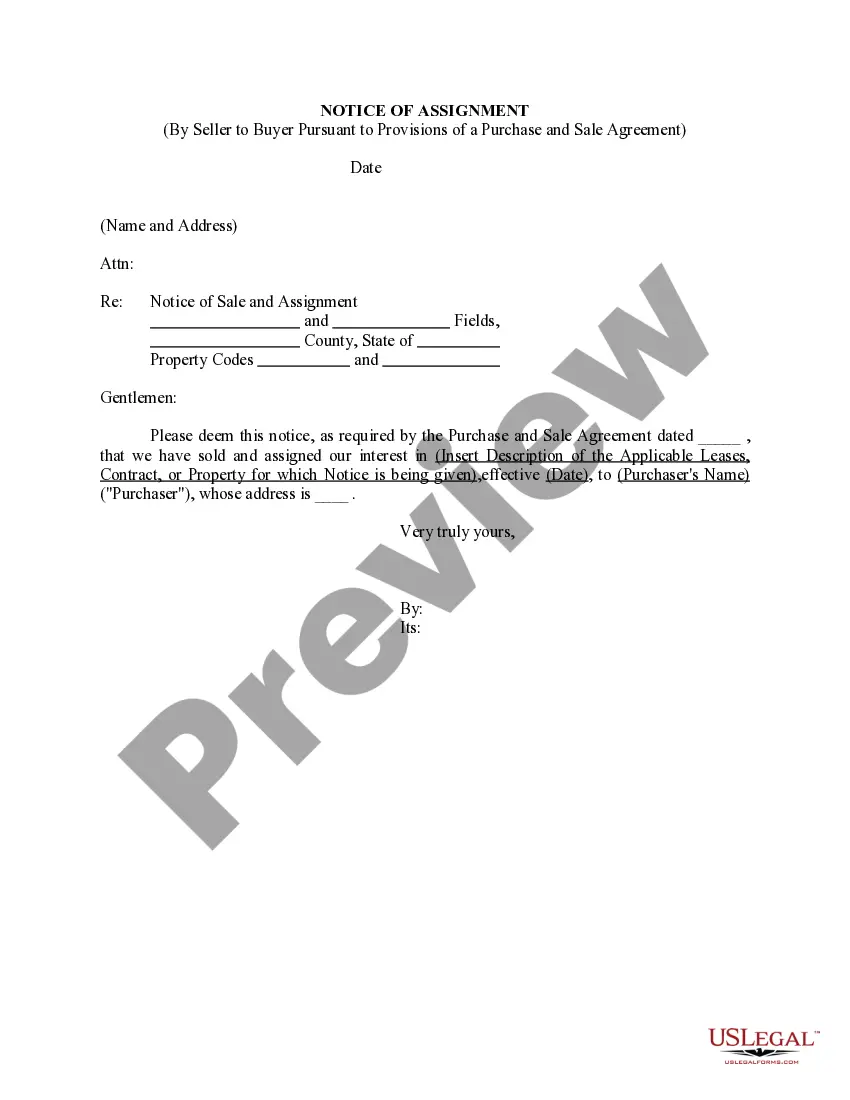
The Notice of Assignment of Contract for Deed is a legal document used by a Seller to inform a Buyer that the Seller has assigned their rights under a contract for deed to a third party. This essential document ensures that the Buyer is directed to make future payments to the new party, safeguarding the interests of all involved. Unlike other assignment notices, this form specifically pertains to contracts for deeds, which are unique in their structure and purpose.
What’s included in this form
- Seller's declaration of assignment to a third party.
- Identification of the Buyer and the contract for deed.
- Signature and notarization section for the Seller.
- Date of execution to validate the notice.
- County and state information where the notice is executed.
Common use cases
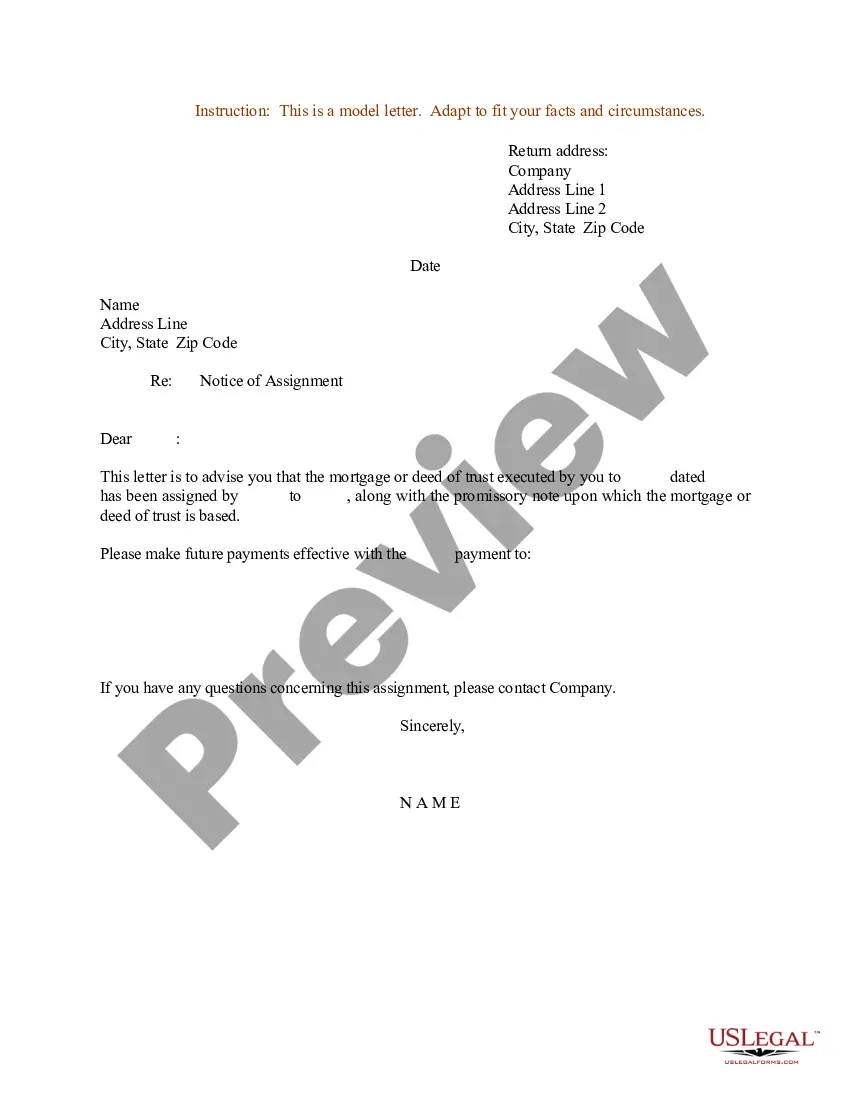
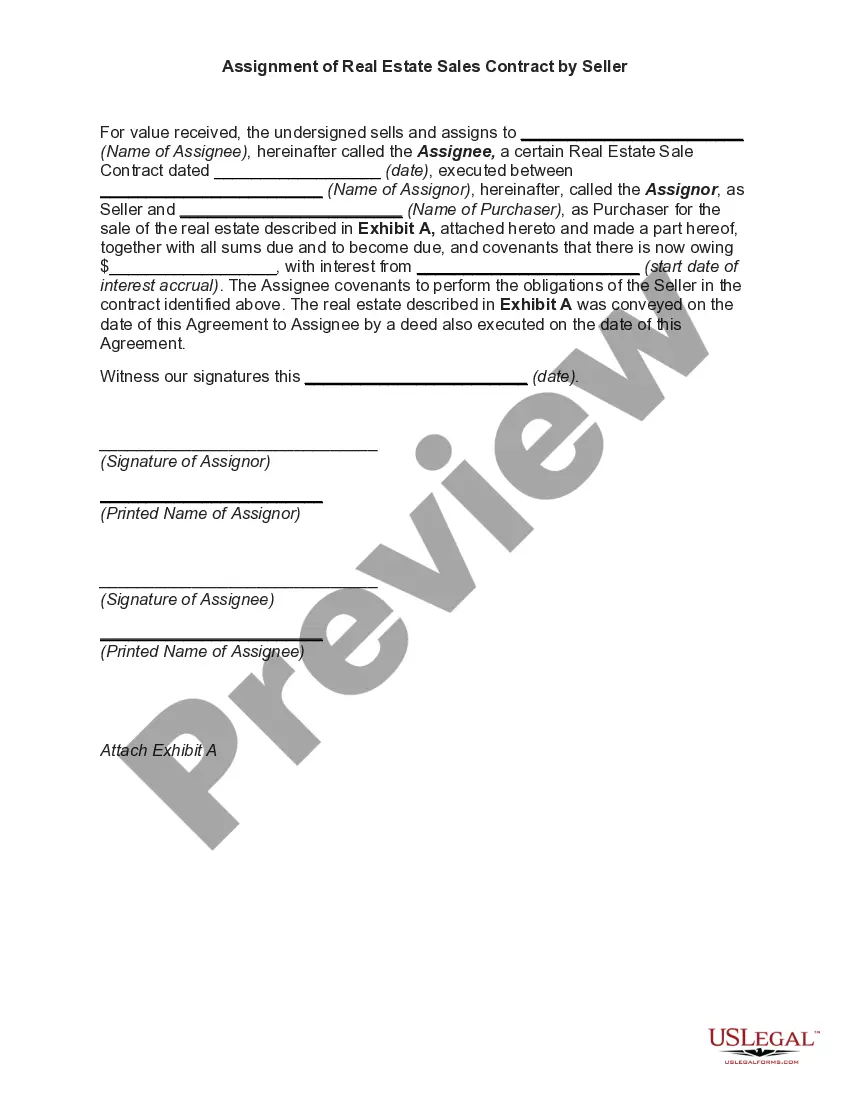
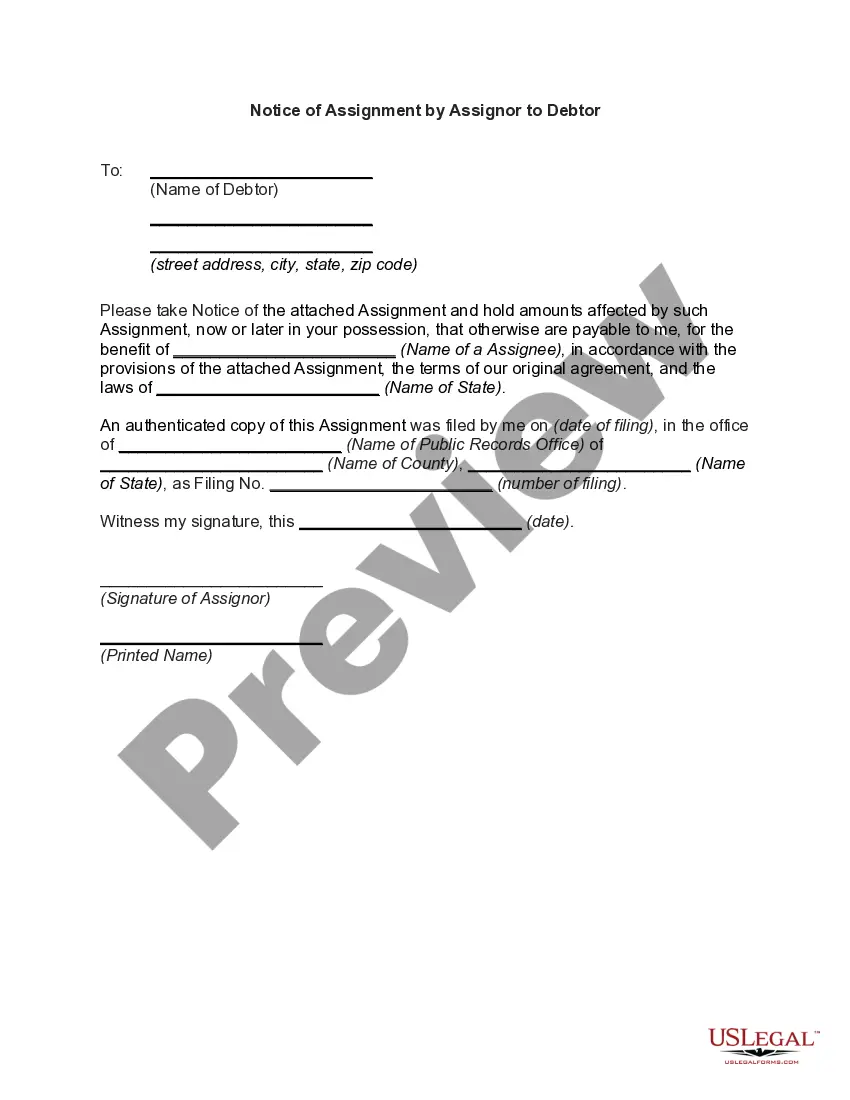
This form is used when a Seller has transferred their rights under a contract for deed to another party. It is essential in scenarios where the Seller needs to ensure that the Buyer acknowledges the new party to whom payments must be made. This often occurs during sales or assignments in real estate where continued payment obligations exist.
Who can use this document
- Real estate sellers assigning their contract for deed.
- Buyers who need to be informed about changes in payment receipt.
- Attorneys or legal representatives handling real estate transactions.
- Individuals involved in contract assignments in a real estate context.
How to prepare this document
- Identify and fill in the details of the Seller.
- Clearly state the Buyer's name and information.
- Provide the date and details of the contract for deed.
- Sign the notice in front of a Notary Public.
- Complete the notarization section accurately.
Notarization requirements for this form
This form must be notarized to be legally valid. US Legal Forms provides secure online notarization powered by Notarize, allowing you to complete the process through a verified video call.
Get your form ready online
Our built-in tools help you complete, sign, share, and store your documents in one place.
Make edits, fill in missing information, and update formatting in US Legal Forms—just like you would in MS Word.
Download a copy, print it, send it by email, or mail it via USPS—whatever works best for your next step.
Sign and collect signatures with our SignNow integration. Send to multiple recipients, set reminders, and more. Go Premium to unlock E-Sign.
If this form requires notarization, complete it online through a secure video call—no need to meet a notary in person or wait for an appointment.
We protect your documents and personal data by following strict security and privacy standards.

Make edits, fill in missing information, and update formatting in US Legal Forms—just like you would in MS Word.

Download a copy, print it, send it by email, or mail it via USPS—whatever works best for your next step.

Sign and collect signatures with our SignNow integration. Send to multiple recipients, set reminders, and more. Go Premium to unlock E-Sign.

If this form requires notarization, complete it online through a secure video call—no need to meet a notary in person or wait for an appointment.

We protect your documents and personal data by following strict security and privacy standards.
Common mistakes to avoid
- Failing to include the correct names of all parties involved.
- Not having the document notarized as required.
- Leaving out the date of execution which can affect enforceability.
- Omitting county and state information on the form.
Why complete this form online
- Convenient access to ready-to-use legal templates.
- Editable documents that cater to your specific needs.
- Reliable legal forms drafted by licensed attorneys.
- Instant downloads, saving time on document preparation.
Summary of main points
- The Notice of Assignment of Contract for Deed is essential for informing Buyers of a change in payment direction.
- This form requires notarization to ensure its legal validity.
- Completing this form correctly helps prevent disputes over payment responsibilities.
Looking for another form?




Form popularity
FAQ
The Quit Claim Deed form uses the terms of Grantor (Seller or Owner of said property) and Grantee (Buyer of said property) for the two parties involved. First, the parties must fill in the date. Then, write in the name of the county and state in which the property is located.
Find a motivated seller. First, let's understand what a motivated seller is. Get the contract. Submit contract to title. Assign the contract to the buyer. Get paid!
Adding someone to your house deed requires the filing of a legal form known as a quitclaim deed. When executed and notarized, the quitclaim deed legally overrides the current deed to your home. By filing the quitclaim deed, you can add someone to the title of your home, in effect transferring a share of ownership.
The buyer must record the contract for deed with the county recorder where the land is located within four months after the contract is signed. Contracts for deed must provide the legal name of the buyer and the buyer's address.
Purchase price. Down payment. Interest rate. Number of monthly installments. Responsibilities of the buyer and seller. Legal remedies for the seller if the buyer does not make payments.
Step 1: Find your IN quitclaim deed form. Step 2: Gather the information you need. Step 3: Enter the information about the parties. Step 4: Enter the legal description of the property. Step 5: Have the grantor sign the document in the presence of a Notary Public.
Find the right property. Acquire a real estate contract template. Submit the contract. Assign the contract. Collect the fee.
Write the Deed Fill out the quit claim deed form, which can be obtained online, or write your own using the form as a guide. The person giving up the interest in the property is the grantor, and the person receiving the interest is the grantee.
Documents must be notarized. Documents executed or acknowledged in Indiana must include a statement that includes: The names of all those signing or serving as a witness on the document must be identical throughout the document and must be printed or typewritten under each signature.