Illinois Letter from Landlord to Tenant about Intent to increase rent and effective date of rental increase
Understanding this form
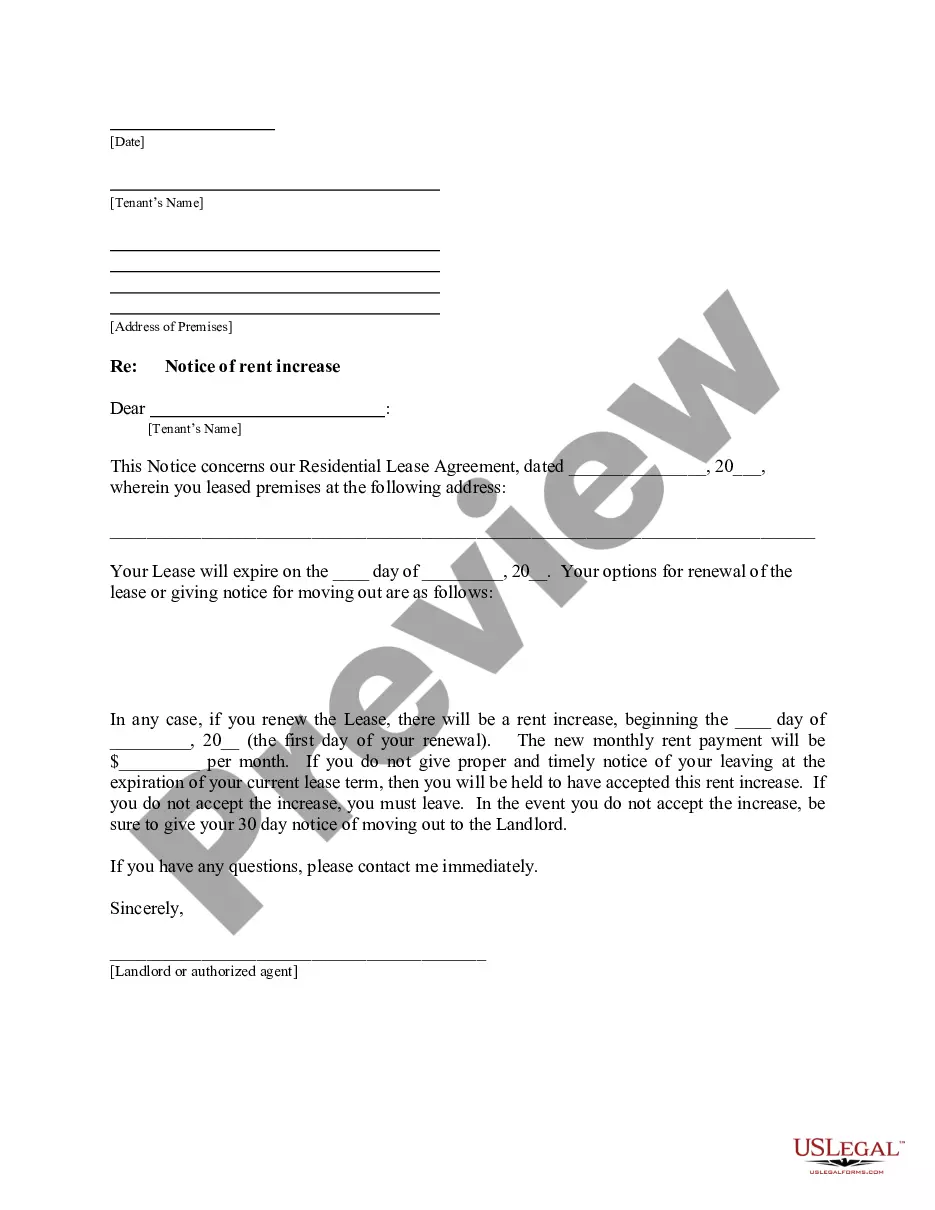
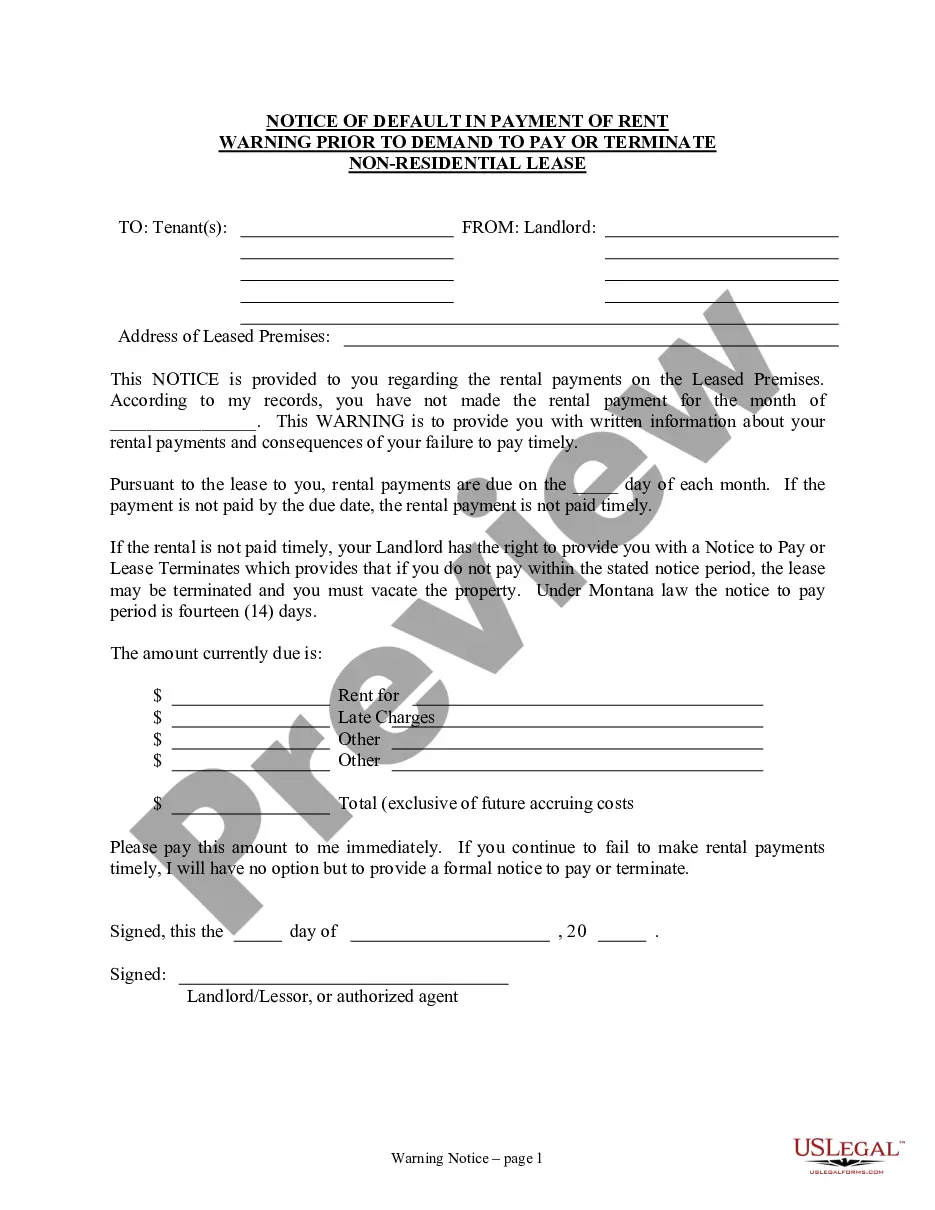
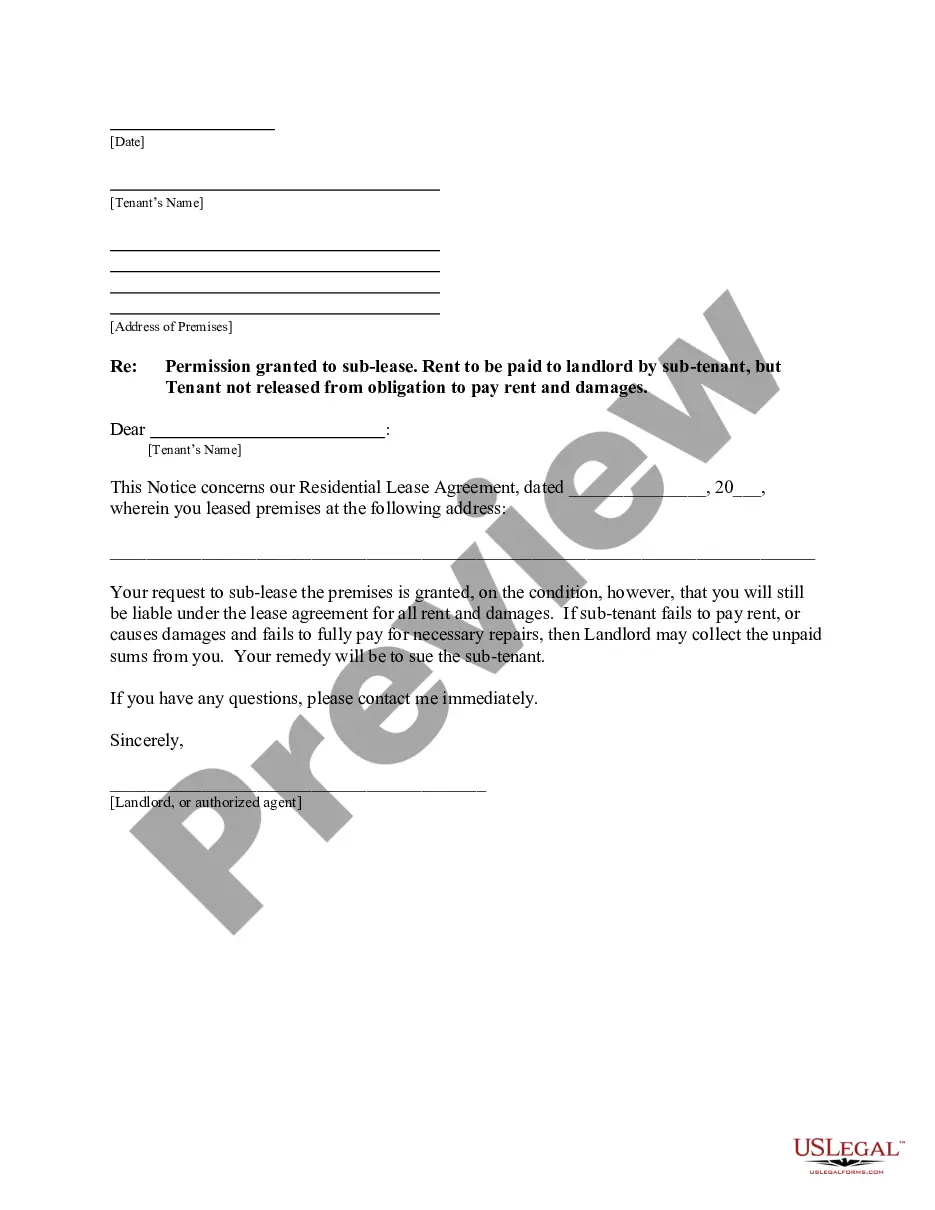
This form is a written notice from the landlord to the tenant regarding the intent to increase rent and the effective date of the rental increase. It serves the purpose of informing the tenant about changes in rental costs following the lease expiration while offering options for lease renewal or moving out. This notice is distinct from regular lease agreements, as it specifically addresses rent adjustments under an existing rental arrangement.
What’s included in this form
- Date of the original lease agreement
- Address of the rental premises
- Expiration date of the current lease
- Options available to the tenant regarding lease renewal or moving
- Landlord's contact information for inquiries
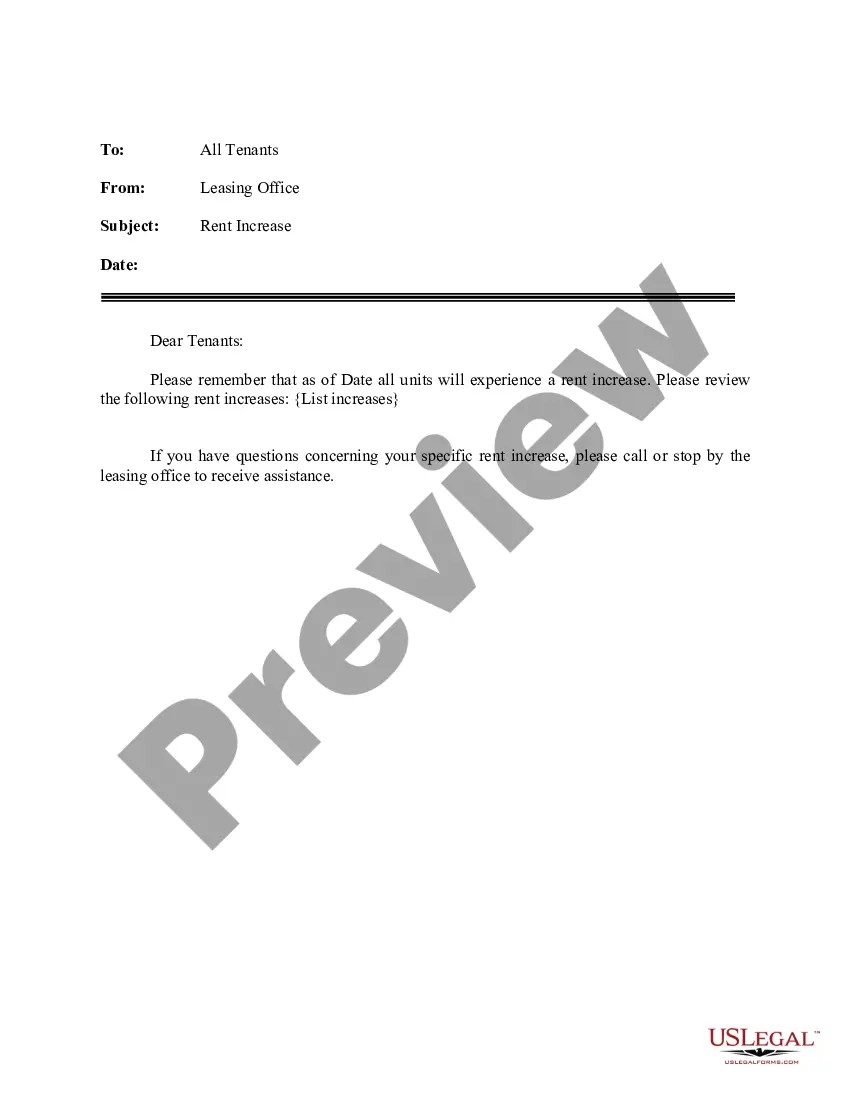

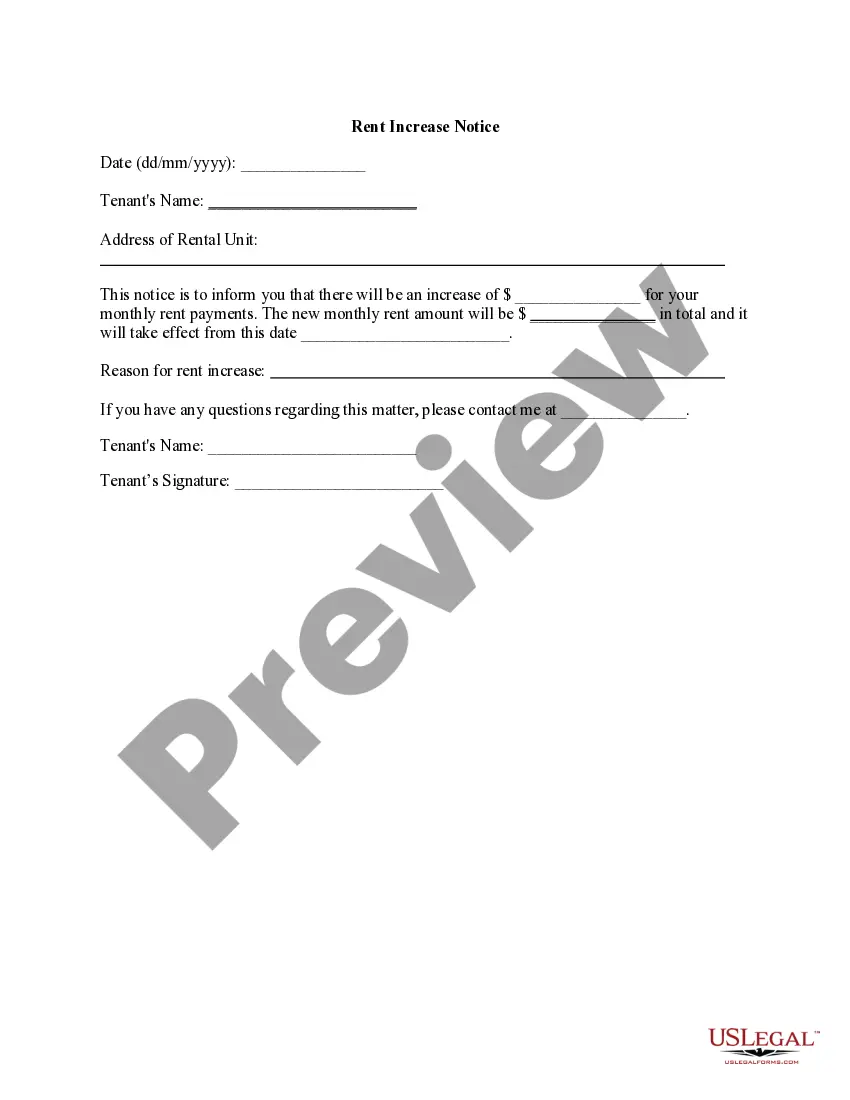
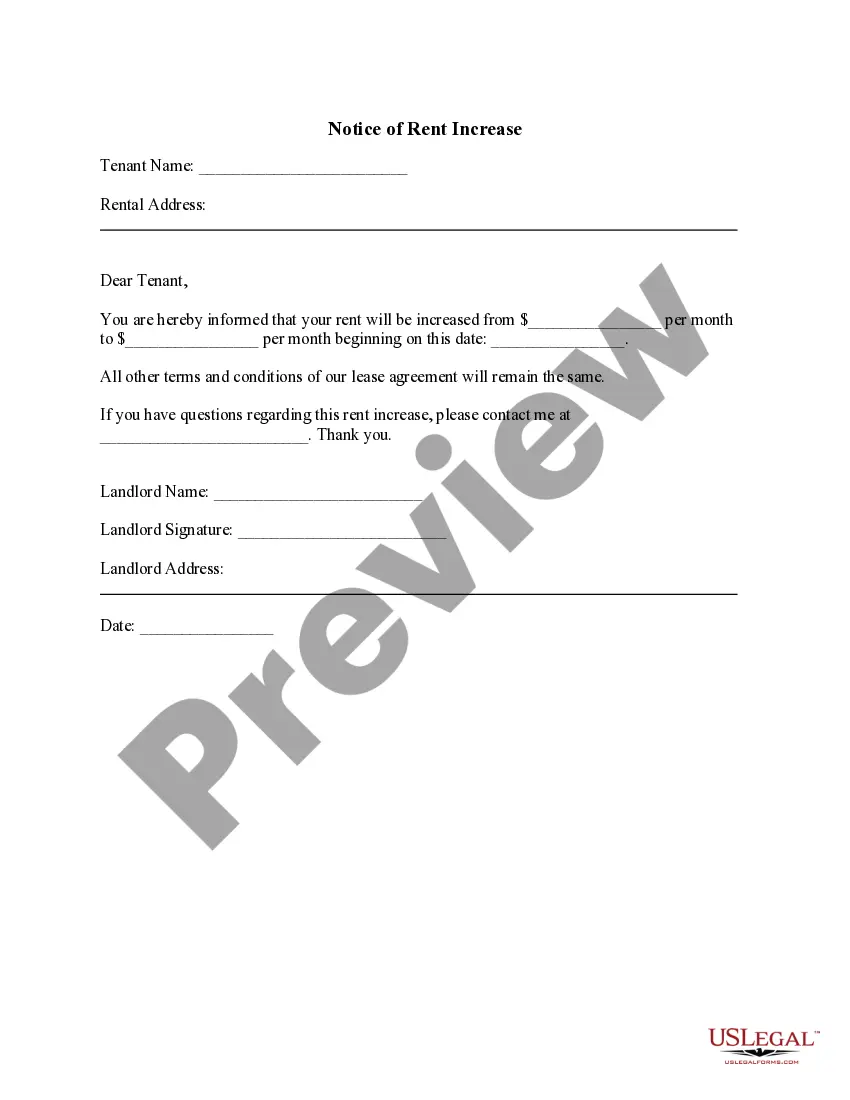
When to use this form
Who should use this form
- Residential landlords planning to increase rent for existing tenants
- Property managers representing landlords in rental transactions
- Tenants seeking clarity on rent increases and their options
Steps to complete this form
- Enter the date of the original lease agreement.
- Specify the full address of the rental property.
- Indicate the expiration date of the lease term.
- Outline the options available to the tenant regarding lease renewal or notice for moving out.
- Sign the notice with your name as the landlord or authorized agent.
Does this document require notarization?
This form does not typically require notarization unless specified by local law. However, it is crucial to ensure that all details are correct to avoid potential disputes.
Get your form ready online
Our built-in tools help you complete, sign, share, and store your documents in one place.
Make edits, fill in missing information, and update formatting in US Legal Forms—just like you would in MS Word.
Download a copy, print it, send it by email, or mail it via USPS—whatever works best for your next step.
Sign and collect signatures with our SignNow integration. Send to multiple recipients, set reminders, and more. Go Premium to unlock E-Sign.
If this form requires notarization, complete it online through a secure video call—no need to meet a notary in person or wait for an appointment.
We protect your documents and personal data by following strict security and privacy standards.

Make edits, fill in missing information, and update formatting in US Legal Forms—just like you would in MS Word.

Download a copy, print it, send it by email, or mail it via USPS—whatever works best for your next step.

Sign and collect signatures with our SignNow integration. Send to multiple recipients, set reminders, and more. Go Premium to unlock E-Sign.

If this form requires notarization, complete it online through a secure video call—no need to meet a notary in person or wait for an appointment.

We protect your documents and personal data by following strict security and privacy standards.
Mistakes to watch out for
- Not providing sufficient notice before a rent increase.
- Failing to include all required details, such as expiration date and options for the tenant.
- Using ambiguous language that could confuse the tenant.
Advantages of online completion
- Quick and easy access to professionally drafted templates.
- Editable format allows for customization specific to your rental situation.
- Reliable resources ensure legal compliance and accuracy.
Looking for another form?
Form popularity
FAQ
Essentially, this means your landlord can only raise rents if they're in line with the current market. The AST often has a section suggesting how much rents could increase by. The percentage is typically between 0.5 and 5%, with market rents expected to be somewhere in that bracket after a 12-month AST comes to an end.
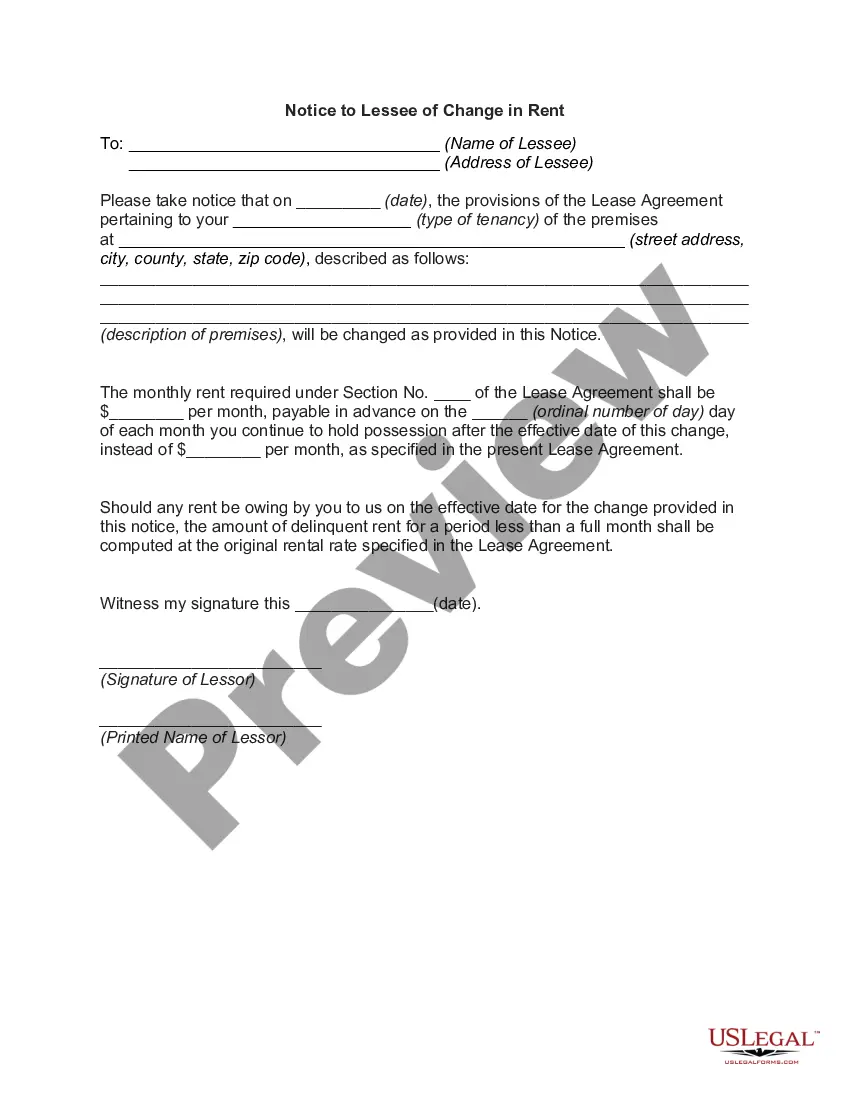
Tenant's name. Property address. Landlord's name and contact info. Date the letter was written. Date the rent increase will take effect. Rent increase amount. Current rental amount. Date the new rent will be due.
In most states, a landlord must give tenants notice at least 30 days before they'll enforce a rent increase. However, in other states like California, the notice can increase to 60 days' notice if the increase is more than 10% of the current rent rate.
Illinois has a high volume of tenants compared to most states, but not as high as D.C., California, or New York.Overall, Chicago has one of the most strict landlord climates in the country, which is why we say Illinois is a tenant-friendly state. In this article, we'll go through Illinois landlord-tenant law.
The full names of both landlord and tenant. The type of property you are leasing. The location of the property. The type of tenancy (fixed term or periodic) Details about the rent (current rent vs. new rent and effective dates) Details about the lease (start date and signing date)
Rent IncreasesIllinois does not have a rent control law. Therefore, your landlord can raise your rent as much as he/she deems necessary. However, you should contact your local units of government to see if your city or county has a rent control ordinance.
Remember you're a business. Do your research. Raise the rent all at once or incrementally. Don't negotiate or ask tenants what they think a fair rent increase would be. Be courteous and firm. Find a template you like. Send a formal letter by certified mail. Give the tenant notice.
This year, though, the bill passed the House's new Housing Committee, which Guzzardi chairs, and is headed to the floor for a vote by the full body. Illinois has prohibited municipalities from adopting rent control since 1997, when Republican Gov.