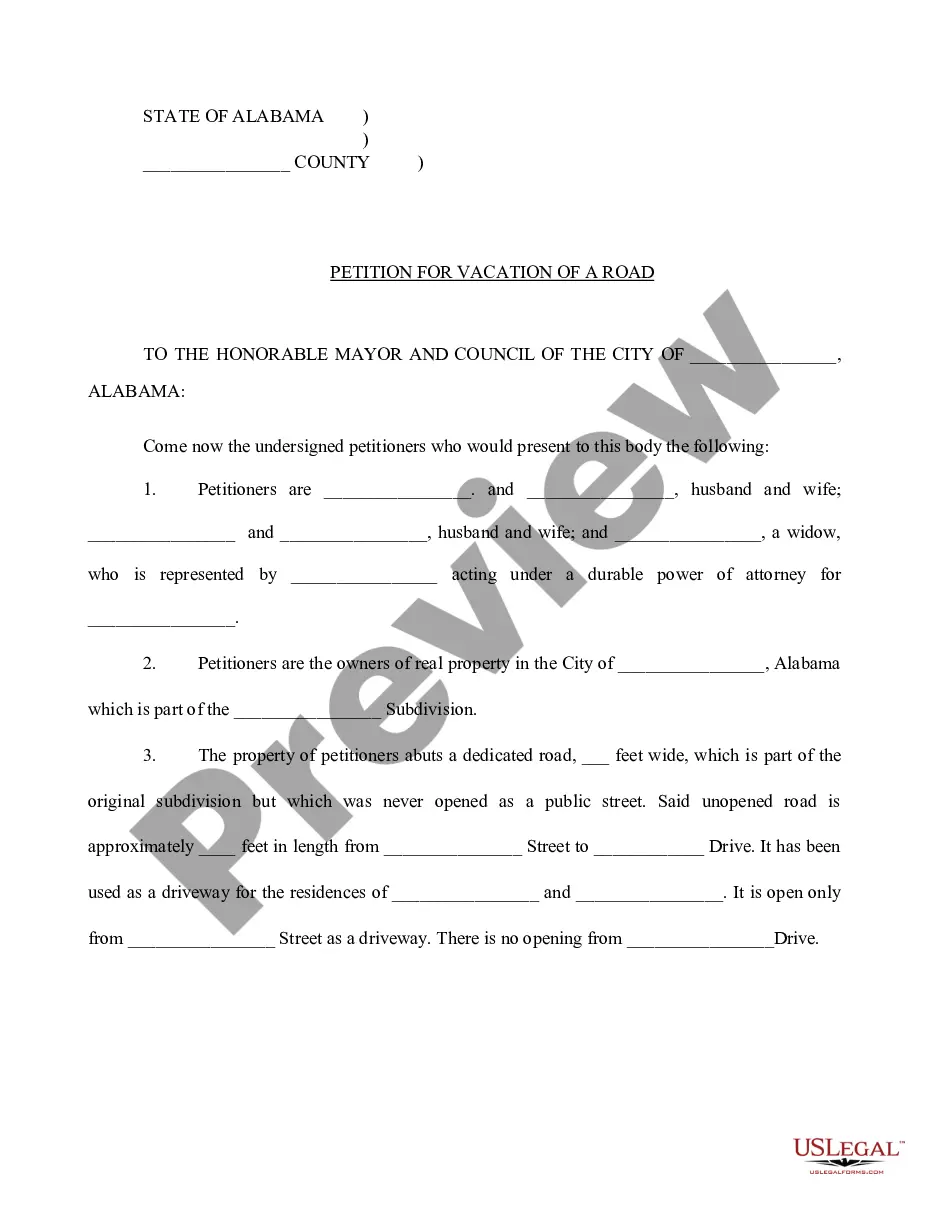
Idaho Letter from Tenant to Landlord for Failure of Landlord to comply with building codes affecting health and safety or resulting in untenantable condition - demand for remedy
What is this form?
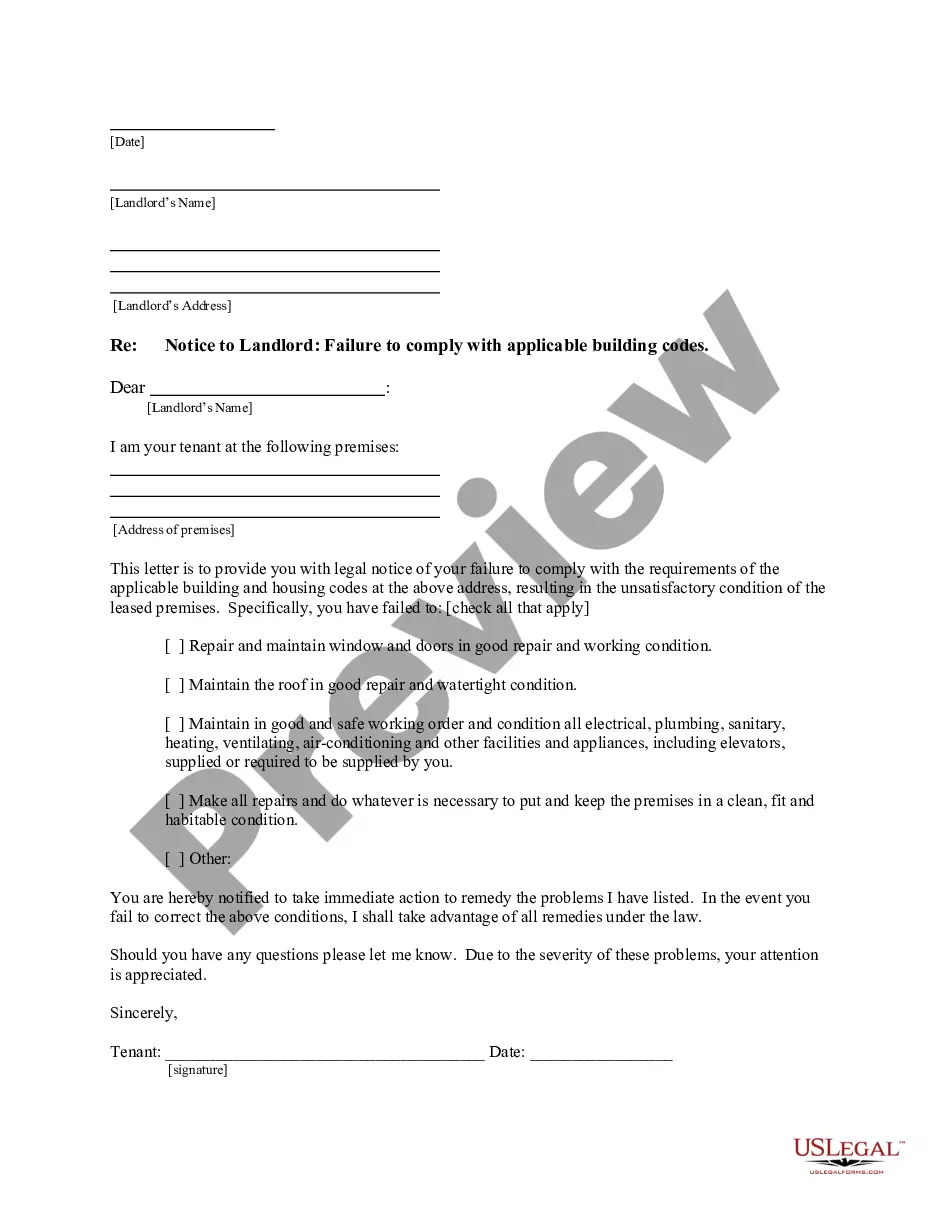
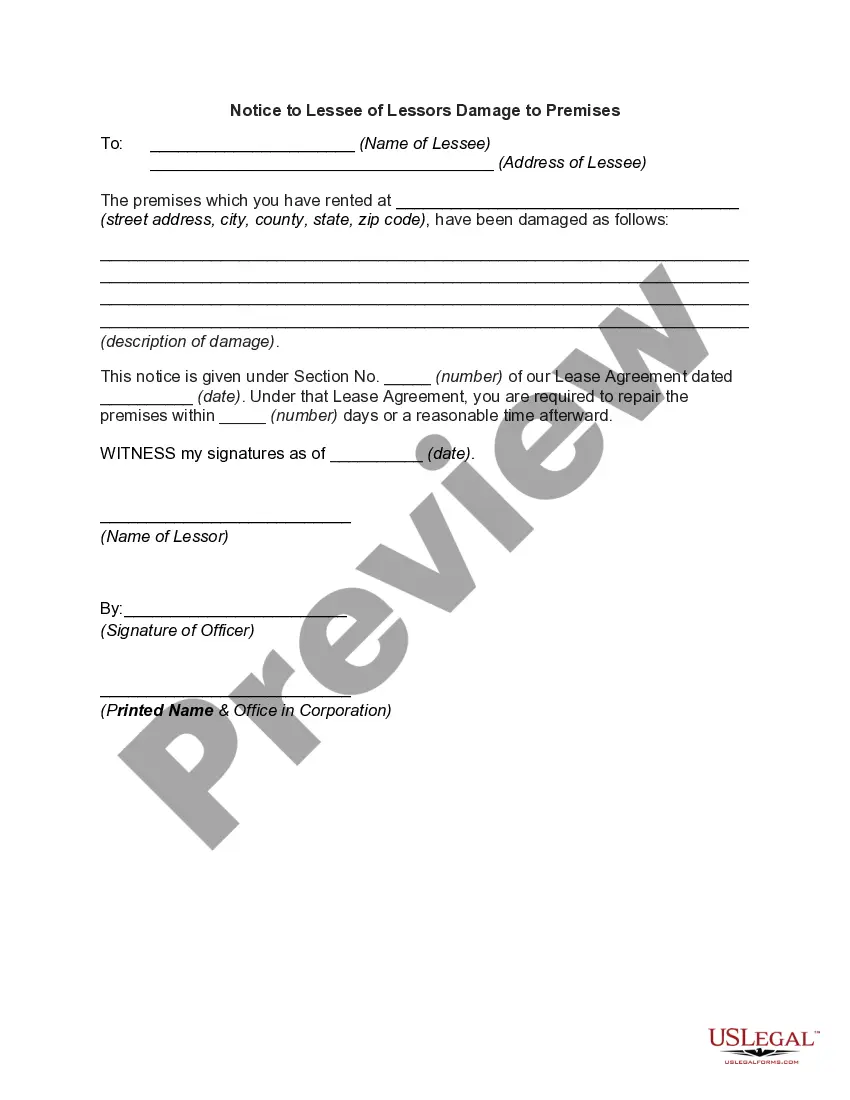
This form is a Letter from Tenant to Landlord for Failure of Landlord to Comply with Building Codes Affecting Health and Safety or Resulting in Untenantable Condition. It serves as a formal demand for necessary repairs or remedies within a set time frame. This type of letter is crucial for tenants experiencing unsafe or unhealthy conditions in their leased property, ensuring compliance with local building codes and improving living conditions.
Form components explained
- Identification of the tenant and landlord.
- Clear description of the specific building code violations affecting health and safety.
- Demand for repairs to be completed within ten days.
- Signatures to acknowledge receipt and intent.
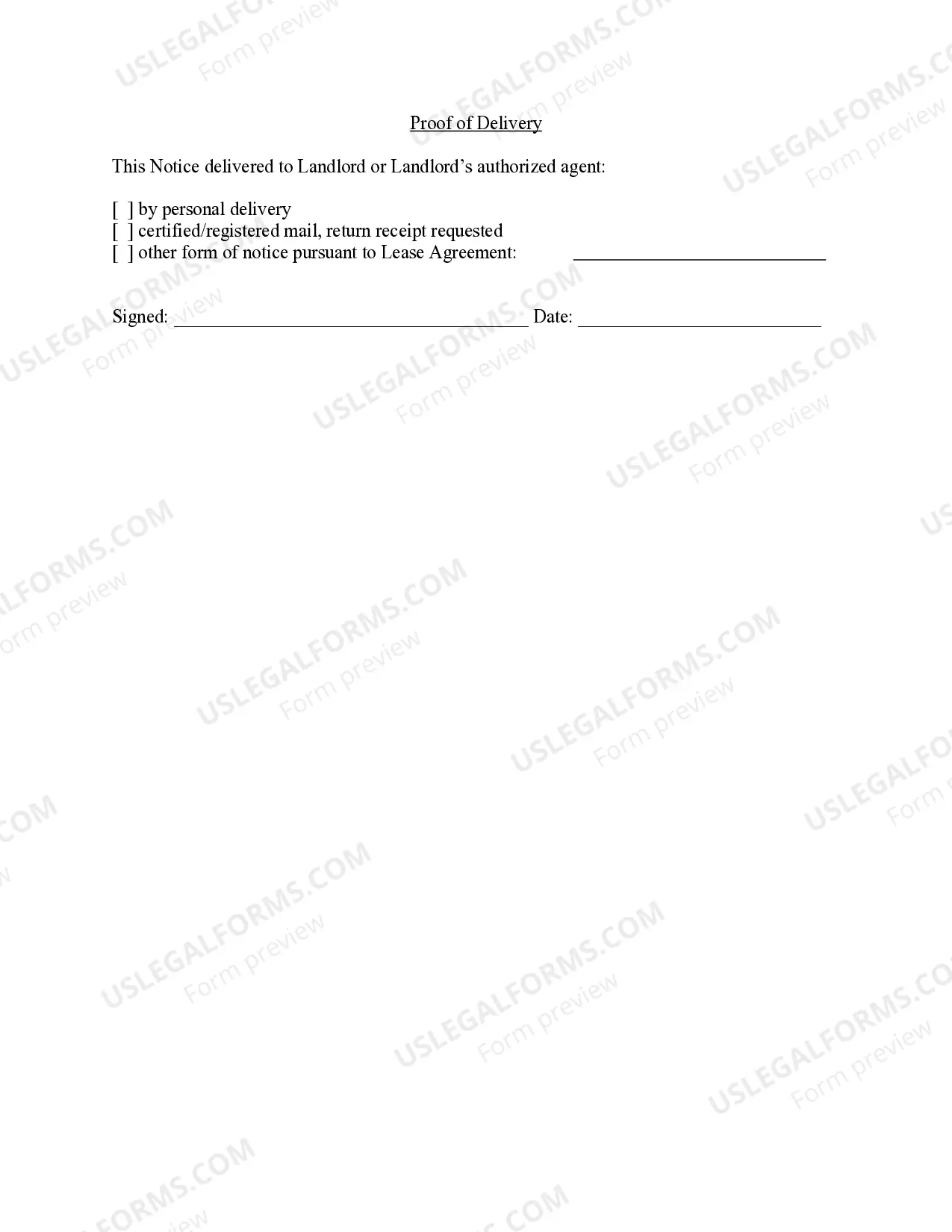
- Proof of delivery section to confirm the notice was delivered to the landlord or their agent.


Common use cases
This form should be used when a tenant notices serious issues in their rented property that violate building codes and affect safety or livability. Common scenarios include problems with windows and doors, leaks in the roof, or any conditions that make the premises untenantable. Utilizing this letter can prompt landlords to take action within a specified time frame to address these critical safety issues.
Who should use this form
- Tenants living in rental properties facing health or safety issues.
- Individuals seeking legal remedies for unaddressed maintenance problems.
- Renters who want formal documentation of their requests to the landlord.
Instructions for completing this form
- Identify the parties by entering the names of both the tenant and landlord.
- Describe the specific condition of the property that violates health or safety codes.
- Specify a clear deadline for the landlord to respond or remedy the issues.
- Sign and date the letter to validate it.
- Ensure proper delivery by utilizing the proof of delivery section.
Does this form need to be notarized?
Notarization is generally not required for this form. However, certain states or situations might demand it. You can complete notarization online through US Legal Forms, powered by Notarize, using a verified video call available anytime.
Get your form ready online
Our built-in tools help you complete, sign, share, and store your documents in one place.
Make edits, fill in missing information, and update formatting in US Legal Forms—just like you would in MS Word.
Download a copy, print it, send it by email, or mail it via USPS—whatever works best for your next step.
Sign and collect signatures with our SignNow integration. Send to multiple recipients, set reminders, and more. Go Premium to unlock E-Sign.
If this form requires notarization, complete it online through a secure video call—no need to meet a notary in person or wait for an appointment.
We protect your documents and personal data by following strict security and privacy standards.

Make edits, fill in missing information, and update formatting in US Legal Forms—just like you would in MS Word.

Download a copy, print it, send it by email, or mail it via USPS—whatever works best for your next step.

Sign and collect signatures with our SignNow integration. Send to multiple recipients, set reminders, and more. Go Premium to unlock E-Sign.

If this form requires notarization, complete it online through a secure video call—no need to meet a notary in person or wait for an appointment.

We protect your documents and personal data by following strict security and privacy standards.
Avoid these common issues
- Failing to deliver the letter to the correct recipient.
- Not providing enough detail about the specific issues that need to be addressed.
- Ignoring the time frame for the landlord to respond.
- Not keeping a copy of the request for personal records.
Benefits of using this form online
- Convenience of downloading and completing the form at your own pace.
- Editability allows you to customize the letter to reflect your specific situation.
- Reliable access to legal documents that are drafted by licensed attorneys.
Legal use & context
- This form can serve as evidence in a dispute over tenant rights and safety regulations.
- Using this letter helps document the tenant's efforts to communicate issues to the landlord.
- Failure to comply by the landlord may lead to further legal actions by the tenant.
Quick recap
- The form is essential for addressing urgent health and safety violations in rental properties.
- Timely delivery and detail in the letter can prompt necessary repairs.
- Familiarize yourself with state-specific rules regarding landlord obligations.
Looking for another form?
Form popularity
FAQ
Although renters must abide by the Homeowners' Association rules, they still have rights under the law. The property owner must also follow their home state's Landlord-Tenant Laws that include the Fair Housing Act and Fair Credit Reporting Act.
The Idaho law enacted in 1977 clearly specifies the rights of landlords and tenants. Some of the tenant rights include: Right to remain on the property until they're properly evicted by a court order. Right to have repairs made within a reasonable amount of time after a request is made.
A landlord cannot evict a tenant without an adequately obtained eviction notice and sufficient time. A landlord cannot retaliate against a tenant for a complaint. A landlord cannot forego completing necessary repairs or force a tenant to do their own repairs.A landlord cannot remove a tenant's personal belongings.
According to Idaho's security deposit law, landlords have 21 days to return tenants' security deposits once they move out. This period may be extended or shortened if both parties reach an agreement. In such cases, the period must not exceed 30 days.
Allow the landlord to enter the rental unit without providing proper notice as provided by law or the lease agreement; require the tenant's security deposit to cover damages not caused by the tenant or the tenant's guests;allow the landlord to seize a tenant's personal property if the tenant fails to pay rent.
You should usually get your deposit back within 10 days of agreeing on the amount with your landlord. It can take a lot longer if you and your landlord disagree on the amount that's being taken off.
Idaho law defines minors as boys and girls under the age of 18. If a person has been married, he or she is emancipated or considered an adult. They are considered legally competent to contract for goods or services, rent, buy a home, and sue or be sued.
If the resident does not follow the notice and pay rent or move out in the stipulated time (3 days), then you have the right order for their eviction. For a lease violation, Idaho landlord-resident laws require that you must give your resident a 3-Day Notice to Comply or Vacate to begin the eviction process.